Posted by Admin on 08-07-2023 in Shiksha hub
PG Diploma in Textile Chemistry Introduction, Admission, Registration, Eligibility, Duration, Fees, Syllabus 2024
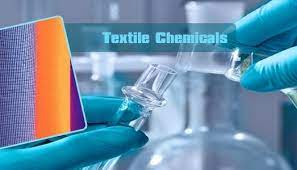
Introduction about PG Diploma in Textile Chemistry?
PG Diploma in Textile Chemistry: Enhancing Your Expertise in Textiles
The world of textiles is a fascinating and ever-evolving one. From the clothes we wear to the fabrics used in industries, textiles play a pivotal role. Behind the scenes, there are experts in the field of Textile Chemistry who are responsible for ensuring that the fabrics we encounter every day are safe, durable, and meet specific standards. The PG Diploma in Textile Chemistry is a program designed to equip individuals with the knowledge and skills needed to excel in this field.
What is Textile Chemistry?
Textile Chemistry is a specialized branch of chemistry that focuses on the chemical processes involved in the production, preparation, and application of textiles. It combines the principles of chemistry and engineering to develop and test textiles for various purposes. These textiles can range from clothing and home furnishings to industrial materials, such as automotive and aerospace textiles.
Importance of Textile Chemistry
Understanding the chemistry behind textiles is essential for several reasons. Textile chemists are responsible for ensuring that textiles are safe for human use, environmentally friendly, and compliant with regulatory standards. They work on improving the durability, strength, and appearance of textiles while minimizing the use of resources and energy. In a world that increasingly values sustainability, the role of textile chemistry is more critical than ever.
Duration of the Program
The duration of the PG Diploma program in Textile Chemistry usually ranges from 1 to 2 years, depending on the institute and the specific curriculum.
Curriculum Overview
The curriculum of the PG Diploma in Textile Chemistry covers a wide range of topics, including:
Textile Fiber Science
Textile Chemical Processing
Textile Testing and Quality Control
Environmental Aspects of Textiles
Textile Product Development
Technical Textiles
Project Work
Top Institutes Offering PG Diploma in Textile Chemistry
Several renowned institutes offer PG Diploma programs in Textile Chemistry, including the National Institute of Fashion Technology (NIFT), Sardar Vallabhbhai Patel International School of Textiles and Management, and more.
Admission Process
The admission process typically includes written exams, interviews, and a review of academic qualifications. It's essential to check the specific requirements of the institute you're interested in.
Fees and Scholarships
The cost of the program can vary, but there are often scholarship opportunities available for deserving candidates. It's advisable to research the financial aspects before applying.
Student Testimonials
Hear what some of the past students have to say about their PG Diploma experience in Textile Chemistry:
"The program opened up exciting career prospects for me, and I now work with a leading textile manufacturer."
"The practical knowledge and exposure gained during the program were invaluable."
Industry Demand for Textile Chemists
The textile industry is continually evolving, and there is a growing demand for skilled professionals who understand the science behind textiles. Textile chemists are essential for ensuring product quality and innovation.
Future Prospects
The future of Textile Chemistry is promising, with advancements in sustainable textiles, smart textiles, and nanotechnology. Graduates in this field will be at the forefront of these exciting developments.
Challenges and Advancements in Textile Chemistry
Textile Chemistry faces challenges related to environmental sustainability and compliance with regulations. Advancements in the field aim to address these challenges by developing eco-friendly and innovative textiles.
How can I apply for admission to PG Diploma in Textile Chemistry?
To apply for admission to a PG Diploma in Textile Chemistry program, follow these general steps:
Research Institutes: Begin by researching and identifying the institutes that offer PG Diploma programs in Textile Chemistry. Look for institutions that match your academic and career goals.
Check Eligibility Criteria: Review the eligibility criteria for the program. Typically, candidates should have a bachelor's degree in a related field, such as chemistry, chemical engineering, or textile engineering. Ensure you meet the specific requirements of the institute you wish to apply to.
Prepare Required Documents: Gather all the necessary documents, which may include:
Academic transcripts and certificates
Entrance exam scores (if required)
Letters of recommendation
Statement of purpose
Passport-sized photographs
Proof of identity (such as a copy of your passport or Aadhar card)
Fill Out Application Forms: Complete the application forms provided by the institute. Ensure that you provide accurate and up-to-date information. Some institutions may have an online application process.
Entrance Exams: If the institute requires entrance exams, prepare for them well in advance. Common exams for such programs might include the Graduate Record Examination (GRE) or institute-specific exams.
Submit Application: Submit your application along with the required documents, application fee, and any entrance exam scores, as specified by the institute. Double-check the application deadline and ensure you meet it.
Interviews: If the institute conducts interviews as part of the admission process, prepare for them. Be ready to discuss your academic background, goals, and interest in Textile Chemistry.
Wait for Admission Decision: After submitting your application, patiently wait for the institute to review your application and make an admission decision. This may take some time.
Acceptance and Enrollment: If you are offered admission, carefully read and understand the acceptance letter. Follow the provided instructions to confirm your acceptance and enroll in the program. Pay any necessary fees as indicated.
Seek Financial Aid: If you require financial assistance, explore scholarship and financial aid options. Many institutions offer scholarships to eligible students.
Prepare for the Program: Once enrolled, prepare for your PG Diploma program by gathering the required materials and learning about the curriculum. Get ready for an exciting educational journey in Textile Chemistry.
Please note that the specific admission process and requirements may vary from one institute to another. It's essential to visit the website of the institute you're interested in to find detailed information about their admission process, deadlines, and requirements. Good luck with your application!
What is the eligibility for PG Diploma in Textile Chemistry?
The eligibility criteria for a PG Diploma in Textile Chemistry program typically include the following:
Educational Qualifications: Candidates should have a bachelor's degree in a related field. The specific field may vary from one institute to another, but it often includes the following:
Chemistry
Chemical Engineering
Textile Engineering
Textile Technology
Polymer Science
Material Science
Any other field closely related to textiles and chemistry
Minimum Aggregate Marks: Many institutes require candidates to have a minimum aggregate percentage in their undergraduate degree. The required percentage may vary from institute to institute, but it is often in the range of 50% to 60%.
Entrance Exams (if applicable): Some institutions may require candidates to take and qualify in entrance exams. These exams could include the Graduate Record Examination (GRE) or institute-specific entrance tests. The purpose of these exams is to assess the candidate's aptitude and readiness for the program.
Language Proficiency: Proficiency in the English language is typically necessary, especially for international candidates. If English is not your native language, you may need to provide proof of English language proficiency through standardized tests such as TOEFL (Test of English as a Foreign Language) or IELTS (International English Language Testing System).
Letters of Recommendation: Some institutes may require candidates to submit letters of recommendation from professors or professionals who can vouch for their academic abilities and potential in the field of Textile Chemistry.
Statement of Purpose (SOP): A well-written statement of purpose is often required, where candidates need to explain their motivations for pursuing a PG Diploma in Textile Chemistry and their career goals.
Interview (if applicable): In some cases, institutes may conduct interviews as part of the admission process to assess a candidate's suitability for the program. These interviews may be in person or conducted online.
It's important to note that the specific eligibility criteria can vary from one institution to another. Therefore, it's crucial to check the admission requirements of the specific institute where you intend to apply. Institutions may also have specific admission deadlines and application procedures, so be sure to follow their guidelines closely during the application process.
How long does it takes to complete a PG Diploma in Textile Chemistry?
The duration of a PG Diploma in Textile Chemistry program can vary from one institution to another. Typically, the length of the program ranges from 1 year to 2 years, depending on the specific curriculum and the institute's policies.
Here's a general breakdown of the typical durations:
1-Year Program: Some institutions offer a PG Diploma in Textile Chemistry that can be completed in one year. These programs are often more intensive and may be suitable for students who want to acquire specialized knowledge and skills quickly.
2-Year Program: Other institutes provide a 2-year PG Diploma in Textile Chemistry. These programs may offer a more comprehensive curriculum, allowing students to delve deeper into the subject matter and gain more practical experience.
The choice between a 1-year and a 2-year program depends on your academic and career goals, as well as your availability and willingness to commit to the duration of the program. It's essential to research the specific institute you are interested in to determine the program's duration and whether it aligns with your aspirations in the field of Textile Chemistry.
What are potential career opportunities after PG Diploma in Textile Chemistry?
A PG Diploma in Textile Chemistry opens up a wide range of career opportunities in various sectors. Graduates with expertise in Textile Chemistry are in demand due to their specialized knowledge of textiles and their chemical properties. Here are some potential career opportunities:
Textile Chemist: As a textile chemist, you can work in research and development, where you'll be involved in developing new textiles, improving existing ones, and ensuring they meet industry standards for safety and quality.
Quality Control Manager: Quality control managers are responsible for ensuring that textiles meet specified quality standards. They oversee quality testing processes, maintain product consistency, and address any quality-related issues.
Textile Testing Laboratory Analyst: In this role, you'll work in a testing laboratory, conducting various tests on textiles to assess their performance, safety, and compliance with regulations.
Technical Textiles Specialist: Technical textiles are used in specialized applications, such as automotive, aerospace, and medical fields. You can specialize in developing and testing these textiles for specific industrial uses.
Environmental Compliance Specialist: With a growing focus on sustainability, you can work as an environmental compliance specialist, ensuring that textile production processes adhere to environmental regulations and promote eco-friendly practices.
Research Scientist: Engage in textile-related research, exploring new materials, processes, and technologies that can revolutionize the industry.
Product Development Manager: Work with manufacturers to develop new textile products or improve existing ones based on market demand and consumer preferences.
Textile Consultant: Provide expert advice and consultation services to textile companies, helping them enhance their product quality and compliance with industry standards.
Government Regulatory Positions: Some government agencies require experts in textile chemistry to regulate and enforce standards in the textile industry.
Teaching and Education: If you have a passion for education, you can become a lecturer or professor in the field of Textile Chemistry and educate the next generation of textile professionals.
Entrepreneurship: You can start your own textile-related business, such as a textile testing lab, consultancy firm, or textile manufacturing company.
Fashion and Apparel Industry: Work in the fashion and apparel industry as a textile specialist, ensuring that fabrics used in clothing meet the desired quality and safety standards.
Market Research Analyst: Conduct market research to understand consumer preferences and trends in textiles, helping companies make informed decisions about their product lines.
Sustainability Officer: Focus on sustainable textile practices, promoting eco-friendly production processes and materials in the industry.
Textile Engineer: Combine your knowledge of textile chemistry with engineering principles to design and optimize textile manufacturing processes.
The career opportunities in Textile Chemistry are diverse and can cater to your specific interests and strengths. It's a field with high demand and potential for growth, making it an exciting choice for those who are passionate about textiles and chemistry.
Syllabus of PG Diploma in Textile Chemistry
The syllabus for a PG Diploma in Textile Chemistry program can vary from one institution to another, and specific courses and their order might differ. However, here's a general overview of what you might expect in a typical two-semester program:
Semester 1:
Textile Fiber Science:
Introduction to Textile Fibers
Fiber Formation and Structure
Fiber Classification
Physical and Chemical Properties of Fibers
Textile Chemical Processing:
Dyeing and Printing
Finishing Processes
Chemical Treatments for Textiles
Environmental Aspects of Chemical Processing
Textile Testing and Quality Control:
Quality Control Procedures
Textile Testing Methods
Standards and Regulations
Quality Assurance in Textiles
Basic Chemistry and Organic Chemistry:
Fundamentals of Chemistry
Organic Chemistry Principles
Chemical Reactions and Mechanisms
Laboratory Work
Mathematics and Statistics:
Applied Mathematics in Textile Chemistry
Statistical Analysis for Textile Testing
Data Interpretation and Analysis
Computer Applications:
Introduction to Computer Applications in Textile Chemistry
Software Tools for Data Analysis
Communication Skills and Technical Writing:
Effective Communication
Technical Report Writing
Presentation Skills
Semester 2:
Textile Product Development:
Product Design and Development
Textile Innovation
Prototyping and Testing
Technical Textiles:
Technical Textiles in Various Industries
Advanced Materials and Applications
Quality Standards in Technical Textiles
Project Work:
Independent Research or Practical Project
Project Proposal, Execution, and Presentation
Environmental Chemistry and Sustainability:
Environmental Chemistry Principles
Sustainable Practices in Textile Chemistry
Green Chemistry in Textiles
Safety and Regulatory Compliance:
Occupational Safety in Textile Industry
Regulatory Compliance
Hazard Analysis and Risk Assessment
Entrepreneurship and Business Management:
Business Fundamentals
Marketing Strategies in Textile Industry
Business Planning
Seminar and Workshops:
Guest Lectures
Industry Seminars
Workshops on Emerging Textile Technologies
Please note that the actual courses and their order can vary, and this is a general representation of the syllabus. It's essential to check with the specific institution offering the PG Diploma in Textile Chemistry for the most accurate and detailed information about the program's curriculum.
Internship opportunities after completing PG Diploma in Textile Chemistry?
Completing a PG Diploma in Textile Chemistry can open up several internship opportunities in the field. Internships are a valuable way to gain hands-on experience and apply the knowledge and skills acquired during your academic program. Here are some internship opportunities you can explore:
Textile Manufacturing Companies: Many textile manufacturers offer internships for individuals with a background in textile chemistry. These internships may involve working in quality control, research and development, or production processes.
Textile Testing Laboratories: Interning in a textile testing laboratory allows you to gain experience in conducting various tests on textiles to assess their quality and compliance with industry standards.
Research and Development (R&D) Centers: R&D centers in the textile industry often provide opportunities for research-focused internships. You can work on innovative projects, develop new textile products, and contribute to advancements in the field.
Technical Textiles Companies: Companies specializing in technical textiles, such as those used in automotive, aerospace, or medical applications, may offer internships for those interested in this niche area.
Environmental Compliance Agencies: If you are interested in the environmental aspects of textile chemistry, internships with environmental compliance agencies can be a way to work on sustainable textile practices and compliance with regulations.
Fashion and Apparel Industry: Internships with fashion brands and clothing manufacturers can provide insights into how textiles are used in the fashion and apparel industry.
Government Regulatory Agencies: Some government agencies oversee and regulate the textile industry. Interning with these agencies can give you a unique perspective on industry standards and regulations.
Textile Consultancies: Textile consultancies often work with various clients in the industry. An internship with a consultancy can expose you to a wide range of textile-related projects and challenges.
Academic and Research Institutions: Consider interning at universities, research institutions, or textile schools where you can assist with ongoing research projects or educational initiatives.
Start-ups: Textile-related start-ups may offer internships where you can work on innovative projects and gain entrepreneurial experience.
When seeking internships, it's essential to network with professionals in the industry, attend career fairs, and explore internship listings on company websites and job search platforms. Additionally, contact your academic institution's career services department, as they may have connections with companies offering internships in your field. An internship can be an excellent way to kickstart your career and gain practical experience in the exciting field of Textile Chemistry.
Scholarship and grants for PG Diploma in Textile Chemistry?
Scholarships and grants can be a significant financial aid for students pursuing a PG Diploma in Textile Chemistry. While the availability of scholarships may vary depending on the institution and region, here are some common sources of financial assistance:
Institution-Specific Scholarships: Many universities and institutions offering PG Diploma programs in Textile Chemistry have their own scholarship programs. These scholarships may be merit-based or need-based. Check the official website of the institution to find information on the scholarships they offer.
Government Scholarships: Government bodies at the national and state levels often provide scholarships for higher education. Inquire with the relevant government education department or authority for details on available scholarships for your program.
Industry Scholarships: Some textile-related industries and associations offer scholarships to students pursuing degrees in textile chemistry. These scholarships may be tied to specific career goals or research interests.
Research Grants: If you are involved in research as part of your program, you may be eligible to apply for research grants or fellowships. These can help support your research projects and studies.
Nonprofit Organizations: Certain nonprofit organizations and foundations offer scholarships to students in fields related to textiles and chemistry. These organizations may have specific criteria and application procedures.
International Scholarships: If you are an international student, you may be eligible for scholarships provided by international organizations, foreign governments, or your home country's government.
Financial Aid Office: Contact your institution's financial aid office to explore all available financial aid options, including scholarships, grants, and work-study programs.
Textile Industry Associations: Industry associations, such as the Textile Institute, may offer scholarships or awards to students pursuing degrees in textile chemistry.
Online Scholarship Databases: Various websites and online databases compile information on scholarships and grants for students. Websites like Fastweb, Scholarships.com, and Peterson's Scholarship Search can help you find suitable opportunities.
Corporate Sponsorships: Some corporations in the textile and chemical industries sponsor students' education in exchange for a commitment to work with them after graduation. These programs are often known as "sponsorship" or "cadet" programs.
When applying for scholarships and grants, make sure to carefully read the eligibility criteria, application deadlines, and required documentation. Prepare a strong scholarship application, which may include academic records, recommendation letters, a statement of purpose, and any additional materials requested.
Additionally, explore local and regional opportunities, as there may be smaller, lesser-known scholarships specific to your area or field of interest. Persistence and thorough research can significantly increase your chances of securing financial assistance for your PG Diploma in Textile Chemistry.
Conclusion
The PG Diploma in Textile Chemistry is a gateway to a dynamic and rewarding career in the world of textiles. Whether you are passionate about fashion, sustainability, or industrial applications, this program equips you with the knowledge and skills to make a significant impact. Embrace the world of textiles and be part of an industry that touches our lives daily.
FAQ,s
What is Textile Chemistry?
Textile Chemistry is a specialized branch of chemistry that focuses on the chemical processes involved in the production, preparation, and application of textiles. It combines the principles of chemistry and engineering to develop and test textiles for various purposes.
What are the eligibility criteria for a PG Diploma in Textile Chemistry?
The eligibility criteria typically include a bachelor's degree in a related field, such as chemistry, chemical engineering, textile engineering, or a closely related discipline. Minimum aggregate marks may also be required.
How long does it take to complete a PG Diploma in Textile Chemistry?
The duration of the program varies, but it often ranges from 1 to 2 years, depending on the specific curriculum and institute.
What are the potential career opportunities after completing a PG Diploma in Textile Chemistry?
Graduates can pursue careers as textile chemists, quality control managers, research scientists, technical textiles specialists, and more. Opportunities exist in textile manufacturing, research and development, quality control, and various industries.
What is the typical curriculum for a PG Diploma in Textile Chemistry program?
The curriculum may include courses in textile fiber science, textile chemical processing, textile testing and quality control, organic chemistry, mathematics, computer applications, and more. The specific courses may vary by institution.
Are there internship opportunities after completing the PG Diploma?
Yes, there are internship opportunities in textile manufacturing companies, testing laboratories, research and development centers, and various sectors of the textile industry.
Are scholarships available for PG Diploma in Textile Chemistry students?
Yes, scholarships and grants are available from institutions, governments, industry associations, and nonprofit organizations. Students should research and apply for relevant scholarships to support their education.
What is the scope of Textile Chemistry in terms of sustainability and eco-friendly practices?
Textile Chemistry plays a crucial role in promoting sustainability and eco-friendly practices in the textile industry. Textile chemists work to develop environmentally responsible production processes and materials, supporting the industry's shift towards sustainability.
Can international students apply for PG Diploma programs in Textile Chemistry?
Yes, international students can apply, but they may need to meet specific admission and language proficiency requirements. Many institutions welcome international applicants.
How can I apply for admission to a PG Diploma in Textile Chemistry program?
The application process typically involves researching and selecting an institution, checking eligibility criteria, preparing required documents, filling out application forms, and, in some cases, appearing for entrance exams and interviews. The specific process may vary by institution.
How Shiksha Hub helps you in
-
 Student Counsellors
 -
 Career Counseling
 -
 Research
 -
 24/7 Support
 -
 Scholarships
 -
 Community