Posted by Admin on 16-09-2023 in Shiksha hub
PGD Yoga Health and Cultural Tourism AdmissioMn, Registration, Eligibility, Duration, Fees, Syllabus 2024
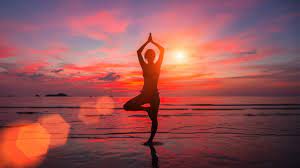
Introduction about PG DIPLOMA IN YOGA HEALTH AND CULTURAL TOURISM:
A Postgraduate Diploma in Yoga Health and Cultural Tourism is a specialized program designed to provide students with a comprehensive understanding of the principles and practices of yoga, while also emphasizing its role in promoting health and cultural tourism. This unique course combines the ancient wisdom of yoga with modern concepts of health and tourism, offering a well-rounded education for those interested in a holistic approach to wellness and cultural exploration.
Yoga, originating in ancient India, is a discipline that encompasses physical postures, breathing exercises, meditation, and a deep understanding of the mind-body connection. It has gained immense popularity worldwide for its ability to promote physical and mental well-being. In recent years, yoga has been recognized for its potential as a form of therapeutic and preventive medicine, making it an important component of health and wellness industries.
Cultural tourism, on the other hand, focuses on travel experiences that offer a deeper understanding of the culture, history, and traditions of a particular destination. Combining yoga and cultural tourism creates a unique synergy, as it allows individuals to not only improve their physical and mental health through yoga but also to immerse themselves in the rich cultural heritage of various regions.
A PG Diploma in Yoga Health and Cultural Tourism typically covers a range of topics, including:
Yoga Philosophy and Principles: Understanding the foundations of yoga, its history, and its various schools of thought.
Yoga Asanas (Postures) and Pranayama (Breathing Techniques): Learning and mastering the physical and breathing aspects of yoga to promote physical health and mental well-being.
Yoga Therapy: Exploring how yoga can be used as a therapeutic tool to address specific health issues.
Cultural Tourism: Gaining knowledge about the importance of cultural heritage, traditions, and tourism practices.
Tourism Marketing and Management: Understanding the business and marketing aspects of cultural tourism.
Health and Wellness Tourism: Examining the growing trend of travel for health and wellness purposes and how yoga fits into this industry.
Graduates of this program are well-equipped to work in a variety of fields, including as yoga instructors, wellness consultants, cultural tourism guides, or in positions related to tourism management and marketing. This unique combination of yoga and cultural tourism creates a well-rounded education that caters to individuals interested in promoting well-being and cultural understanding, making it a valuable asset in the modern world where holistic health and cultural enrichment are highly sought after.
How can I apply for admission to PG DIPLOMA IN YOGA HEALTH AND CULTURAL TOURISM Program:
To apply for admission to a PG Diploma in Yoga Health and Cultural Tourism program, you typically need to follow these general steps. Keep in mind that the specific requirements and application process may vary by institution, so it's important to check with the particular university or college where you wish to enroll for their specific application guidelines:
Research Programs and Institutions: Start by researching universities or institutions that offer PG Diploma in Yoga Health and Cultural Tourism programs. Look for institutions that align with your educational and career goals.
Check Eligibility Criteria: Review the admission requirements and eligibility criteria for the program you're interested in. Requirements may include minimum educational qualifications, prior coursework, or relevant experience.
Collect Required Documents: Gather all the necessary documents, which typically include:
Completed application form (usually available online)
Transcripts or academic records from your previous qualifications
Letters of recommendation (if required)
Statement of purpose or personal statement explaining your interest in the program
Resume or CV detailing your relevant experience, if applicable
Passport-sized photographs
Proof of English language proficiency (e.g., IELTS or TOEFL scores for non-native English speakers)
Any additional documents specified by the institution
Prepare for an Entrance Exam: Some institutions may require you to take an entrance exam or qualify through a specific selection process. Be sure to check if the program you're interested in has any such requirements.
Financial Considerations: Research the program's tuition fees, scholarship opportunities, and financial aid options. Make sure you have a plan for covering your educational expenses.
Submit Your Application: Complete the online application form or download a printable form if available. Carefully fill out all required fields and attach the necessary documents. Pay any application fees, if applicable.
Application Deadline: Be mindful of application deadlines. Many programs have specific application periods, so submit your application well in advance of the deadline to ensure consideration.
Attend Interviews or Presentations (if required): Some programs may require you to attend an interview or give a presentation as part of the admission process. Prepare accordingly.
Wait for Admission Decision: After submitting your application, you'll need to wait for an admission decision. This may take several weeks, depending on the institution.
Acceptance and Enrollment: If you receive an admission offer, carefully review the terms and conditions, and follow the instructions for accepting your place in the program. You may also need to pay an enrollment deposit.
Remember to reach out to the admissions office of the specific institution where you plan to apply for the most accurate and up-to-date information on their admission requirements and procedures. Admissions criteria and processes can vary, so it's essential to follow the guidelines provided by the institution of your choice.
What is the eligibility for PG DIPLOMA IN YOGA HEALTH AND CULTURAL TOURISM:
Eligibility criteria for a PG Diploma in Yoga Health and Cultural Tourism program can vary from one institution to another. However, I can provide you with a general idea of the typical eligibility requirements that you may encounter when applying for such a program. Keep in mind that specific institutions may have their own unique criteria, so it's crucial to check the admission requirements of the particular university or college where you intend to apply. Here are the common eligibility criteria:
Educational Qualifications:
A bachelor's degree in any discipline from a recognized university is typically required. Some institutions may specify a minimum percentage or grade point average (GPA) as part of their eligibility criteria.
Prerequisite Courses:
Some programs may require applicants to have completed specific prerequisite courses related to yoga or tourism. These courses may be specified in the program's admission requirements.
English Language Proficiency:
For non-native English speakers, demonstrating proficiency in the English language is often required. You may need to provide scores from standardized English language tests like IELTS or TOEFL to meet this requirement.
Work Experience (Optional):
Some programs may prefer or require applicants to have relevant work experience in areas related to yoga, health, or tourism. This can vary by program and institution.
Letters of Recommendation:
Programs may request letters of recommendation from academic or professional references to assess your suitability for the program.
Statement of Purpose:
You may be asked to submit a statement of purpose explaining your motivation, career goals, and why you want to pursue the PG Diploma in Yoga Health and Cultural Tourism.
Entrance Exams:
Certain institutions may require you to take an entrance exam as part of the admission process. Be sure to check whether this is a requirement for the specific program you're interested in.
Age Limit (if applicable):
In some cases, there may be an age limit for admission. Certain programs may have a maximum age requirement, so check if this applies to your chosen program.
It's essential to carefully review the admission requirements and eligibility criteria for the specific program and institution you are interested in, as they can vary significantly. Institutions may update their requirements over time, so always refer to the official website or contact the admissions office of the university or college to get the most accurate and up-to-date information on eligibility and admission procedures.
How long does it takes to complete a PG DIPLOMA IN YOGA HEALTH AND CULTURAL TOURISM program:
The duration of a PG Diploma in Yoga Health and Cultural Tourism program can vary depending on the institution and its specific curriculum. However, these programs typically last for a period of one year. They are often designed as short, intensive courses that provide specialized training in yoga, health, and cultural tourism over a condensed timeframe.
Here are the general timeframes for completion:
PG Diploma in Yoga Health and Cultural Tourism: 1 year
Many institutions offer this program as a one-year diploma course. It may consist of two or three semesters, including coursework, practical training, and sometimes an internship or project work.
It's important to note that the duration may be subject to variations based on the specific program and institution. Additionally, some institutions may offer part-time or online options, which can extend the program's duration to accommodate working professionals or individuals with other commitments.
Before enrolling in a PG Diploma in Yoga Health and Cultural Tourism program, be sure to check the program's official website or contact the admissions office of the institution for the most accurate and up-to-date information regarding the program's duration and any available study options.
What are potential career opportunities after PG DIPLOMA IN YOGA HEALTH AND CULTURAL TOURISM:
A PG Diploma in Yoga Health and Cultural Tourism opens up various career opportunities for graduates who are passionate about promoting holistic well-being and cultural exploration. Here are some potential career paths and opportunities:
Yoga Instructor: Graduates can become certified yoga instructors, teaching yoga classes and guiding individuals and groups in various yoga practices, including asanas (postures), pranayama (breathing exercises), and meditation. You can work in yoga studios, fitness centers, wellness resorts, or offer private lessons.
Yoga Therapist: With a deep understanding of the therapeutic benefits of yoga, you can work as a yoga therapist, helping individuals manage and alleviate various health issues such as stress, anxiety, chronic pain, and more. This role often involves personalized yoga practices tailored to a client's needs.
Wellness Consultant: Wellness consultants work with individuals, organizations, or resorts to develop wellness programs that incorporate yoga, meditation, and other holistic practices to improve physical and mental well-being.
Cultural Tourism Guide: A PG Diploma in Cultural Tourism can lead to opportunities as a cultural tourism guide or coordinator. You can work in travel agencies, tour companies, or as an independent guide, leading travelers on cultural and heritage tours that incorporate yoga experiences.
Tourism Manager: Some graduates choose to work in the tourism industry as managers or coordinators, focusing on health and wellness tourism programs that involve yoga and cultural activities. This role involves planning and managing tours, wellness retreats, and other travel experiences.
Ayurveda and Wellness Retreat Manager: Ayurveda is often closely associated with yoga, and graduates can manage wellness retreats that offer holistic experiences incorporating yoga, Ayurveda, and other wellness practices.
Yoga Entrepreneur: If you have a passion for yoga and cultural tourism, you can start your own yoga studio, wellness center, or cultural tourism business. Entrepreneurship allows you to create unique experiences for your clients.
Academic Researcher and Educator: With a PG Diploma, you may choose to continue your education and pursue a Master's or Ph.D. in related fields. You can become an academic researcher or educator, teaching at universities or conducting research in areas related to yoga, health, and cultural tourism.
Hospitality and Spa Industry: The hospitality and spa industries often seek professionals who can integrate yoga and wellness practices into their offerings. Graduates can work as spa managers, wellness coordinators, or program developers in luxury hotels and resorts.
Health and Wellness Writer or Blogger: If you have strong communication skills and a passion for health and wellness, you can become a health and wellness writer, blogger, or content creator, sharing your knowledge and experiences with a wider audience.
Keep in mind that the specific career opportunities may vary depending on your interests, additional qualifications, and the local job market. Networking, gaining practical experience, and staying updated with industry trends can be instrumental in securing the career path that aligns with your goals.
Syllabus of PG DIPLOMA IN YOGA HEALTH AND CULTURAL TOURISM:
The syllabus for a PG Diploma in Yoga Health and Cultural Tourism program can vary significantly depending on the institution offering the course. However, I can provide a general overview of the topics that are commonly covered throughout the program, typically organized by semesters. Please note that specific courses and content may differ between institutions. Here's a semester-wise breakdown of the common subjects and areas of study:
Semester 1:
Introduction to Yoga Philosophy and History:
Study of the foundational concepts and historical development of yoga.
Yoga Asanas and Pranayama:
Learning and practicing yoga postures and breathing techniques.
Yoga Anatomy and Physiology:
Understanding the physiological and anatomical aspects of yoga asanas and their effects on the body.
Yoga Psychology and Mental Health:
Exploring the psychological aspects of yoga, meditation, and their impact on mental well-being.
Principles of Tourism and Cultural Tourism:
Introduction to the principles and practices of tourism and cultural tourism.
Semester 2:
Yoga Therapy:
Detailed study of using yoga as a therapeutic tool for various health issues.
Meditation and Mindfulness Practices:
Learning different meditation and mindfulness techniques and their benefits.
Yogic Nutrition and Diet:
Understanding the role of nutrition in yoga and overall health.
Tourism Management and Marketing:
Focusing on the management and marketing aspects of the tourism industry.
Cultural Heritage and Tourism:
Exploring the cultural heritage of different regions and its significance in tourism.
Semester 3:
Yoga for Special Populations:
Adapting yoga practices for specific populations, such as children, seniors, or individuals with disabilities.
Yoga and Ayurveda:
The integration of Ayurvedic principles with yoga for holistic wellness.
Yoga for Wellness Tourism:
Examining the role of yoga in health and wellness tourism.
Cultural Tourism Practices:
Practical aspects of planning, organizing, and managing cultural tourism experiences.
Research Methodology:
Introduction to research methods and practices in the fields of yoga, health, and cultural tourism.
Semester 4:
Internship or Project Work:
Many programs include an internship or project work where students can apply their knowledge and gain practical experience in a real-world setting.
Dissertation or Thesis (if required):
Some programs may require students to conduct in-depth research and submit a dissertation or thesis.
This is a general outline, and the actual syllabus may include additional or more specific courses related to yoga, health, and cultural tourism. It's essential to refer to the program details provided by the specific institution you are interested in to get a comprehensive understanding of the courses and their content for each semester.
Internship opportunities after completing PG DIPLOMA IN YOGA HEALTH AND CULTURAL TOURISM:
After completing a PG Diploma in Yoga Health and Cultural Tourism, you can explore a variety of internship opportunities to gain practical experience and enhance your skills in the field. Internships can be valuable for your professional development and provide you with real-world exposure. Here are some potential internship opportunities:
Wellness Resorts and Spas: Many wellness resorts and spas offer internships where you can work as a yoga instructor, wellness coordinator, or cultural tourism guide. These internships can provide hands-on experience in leading wellness programs and cultural tours.
Yoga Studios: Yoga studios often provide internship opportunities for individuals looking to gain experience as yoga instructors or assistants. You can assist in yoga classes, learn teaching techniques, and work with diverse groups of students.
Tourism Companies: Tourism companies, especially those specializing in cultural tourism, may offer internships related to tour planning, marketing, and coordination. This can help you understand the operational aspects of cultural tourism.
Health and Wellness Centers: Interning at health and wellness centers allows you to work with individuals seeking holistic health solutions. You can assist in wellness assessments, develop personalized wellness plans, and offer guidance on yoga practices.
Hospitals and Rehabilitation Centers: Some healthcare facilities integrate yoga therapy into their treatment plans. Internships at hospitals or rehabilitation centers can provide insight into the therapeutic aspects of yoga.
Nonprofit Organizations: Nonprofits focused on yoga, wellness, or cultural preservation often welcome interns to assist with various initiatives. This can include community outreach, event planning, and program development.
Cultural Institutions and Museums: If you have an interest in the cultural aspect of the program, consider interning at museums, cultural institutions, or heritage sites. You can assist in cultural preservation efforts and educational programs.
Travel Agencies: Interning with travel agencies that specialize in cultural and wellness tourism can provide insights into the tourism industry. You may assist with itinerary planning, client communication, and tour logistics.
Yoga and Wellness Publications: If you have writing or content creation skills, consider interning with yoga and wellness publications or websites. You can contribute articles, blog posts, or multimedia content related to yoga, health, and cultural tourism.
Research and Academic Institutions: For those interested in research or pursuing further academic studies, internships with research institutions or universities can provide opportunities to assist with ongoing research projects.
When seeking internship opportunities, make sure to research and reach out to organizations that align with your interests and career goals. Networking, attending industry events, and leveraging connections from your program can also help you discover relevant internship options. An internship can be a stepping stone to a rewarding career in yoga, health, and cultural tourism, so be proactive in seeking out opportunities that match your aspirations.
Scholarship and grants for PG DIPLOMA IN YOGA HEALTH AND CULTURAL TOURISM:
Scholarships and grants for a PG Diploma in Yoga Health and Cultural Tourism can help reduce the financial burden of your education. Here are some potential sources of financial assistance:
Institutional Scholarships: Many universities and colleges offer scholarships to their students. Check with the institution where you plan to enroll for information on scholarships specific to your program. These scholarships may be based on academic merit, financial need, or other criteria.
Government Scholarships and Grants: In some countries, government organizations provide financial assistance to students pursuing higher education. Research government-sponsored scholarship programs that may be available in your region.
Private Foundations and Organizations: Various private foundations, nonprofit organizations, and trusts offer scholarships to students pursuing degrees in health, wellness, or cultural tourism fields. These organizations often have specific eligibility criteria, so make sure to research and apply to those that align with your goals.
Professional Associations: Some professional associations related to yoga, health, wellness, or cultural tourism offer scholarships or grants to support students in these fields. Consider joining relevant associations and exploring their scholarship opportunities.
Employer Sponsorship: If you are currently employed, inquire whether your employer offers any tuition reimbursement or sponsorship programs for further education. Many companies support their employees' educational pursuits.
Yoga and Wellness Schools: Yoga teacher training schools and wellness centers sometimes provide scholarships or financial aid for individuals interested in advanced studies in yoga and wellness-related fields.
Cultural Organizations: Organizations dedicated to cultural preservation and promotion may offer scholarships or grants to individuals pursuing cultural tourism studies. Look for organizations that match your interests and goals.
Online Scholarship Databases: Utilize scholarship search engines and databases like Fastweb, Scholarships.com, and others to find scholarships that may be relevant to your program and background.
Grants for Research: If you plan to conduct research as part of your program, consider applying for research grants from institutions, foundations, or government agencies that fund research projects.
Fellowships: Some universities and organizations offer fellowship programs that include financial support for postgraduate students. These programs may also provide teaching or research opportunities.
Minority and Diversity Scholarships: Explore scholarships designed to support underrepresented or minority students in the field of wellness, health, or cultural tourism.
Community and Nonprofit Organizations: Local community organizations and nonprofit groups may offer scholarships to residents pursuing higher education. Check with these organizations in your area.
When applying for scholarships and grants, be sure to carefully review the eligibility criteria, application deadlines, and required documentation. Prepare strong applications that highlight your qualifications, achievements, and commitment to your field of study. Additionally, consider reaching out to the financial aid office of your chosen institution for guidance and information about available funding opportunities.
FAQ:
What is the difference between a PG Diploma in Yoga Health and Cultural Tourism and a regular diploma in yoga or tourism?
A PG Diploma in Yoga Health and Cultural Tourism is a specialized program that combines the study of yoga, wellness, and cultural tourism. It offers a holistic approach to well-being and travel, whereas regular diplomas in yoga or tourism tend to focus on one of these areas exclusively.
Is there an age limit for enrolling in this program?
Some institutions may have age limits for admission, while others may not. It's essential to check the specific admission requirements of the program and institution you're interested in.
What career opportunities can I pursue after completing this diploma?
Graduates can explore various career paths, including becoming yoga instructors, wellness consultants, cultural tourism guides, or working in tourism management and marketing. Entrepreneurship, academic research, and writing in the wellness and tourism industry are also potential career options.
Do I need prior experience in yoga or tourism to enroll in this program?
While prior experience in these fields can be beneficial, it's not always a strict requirement. The admission criteria may vary by institution, so check with the program you're interested in to understand their specific prerequisites.
Are there scholarships or financial aid options available for this program?
Scholarships and grants may be available through institutions, government programs, private organizations, and professional associations. It's recommended to research and apply for relevant scholarships to help finance your education.
Can I pursue further studies after completing this diploma?
Yes, you can choose to continue your education by pursuing a master's degree or other advanced certifications in related fields such as yoga therapy, cultural studies, or tourism management.
What is the typical duration of this program, and can it be taken part-time or online?
A PG Diploma in Yoga Health and Cultural Tourism typically spans one year. Some institutions may offer part-time or online options to accommodate students with other commitments.
Are there internship opportunities as part of the program?
Many programs include internships or project work as part of the curriculum. These internships provide practical experience in yoga instruction, wellness consultation, cultural tourism, or related fields.
What are the main subjects covered in this program?
Subjects typically include yoga philosophy, asanas and pranayama, yoga therapy, cultural tourism management, wellness practices, and more. The specific curriculum may vary by institution.
How can I apply for admission to a PG Diploma in Yoga Health and Cultural Tourism program? - To apply, you generally need to complete an application form, submit required documents, and pay any associated fees. Be sure to review the admission requirements of the specific institution you're interested in and adhere to their application process.
Remember that the answers to these questions may vary depending on the institution and program. It's important to reach out to the program coordinators or the admissions office of the specific institution you are considering for the most accurate and up-to-date information.
How Shiksha Hub helps you in
-
 Student Counsellors
 -
 Career Counseling
 -
 Research
 -
 24/7 Support
 -
 Scholarships
 -
 Community