Posted by Admin on 16-09-2023 in Shiksha hub
P.G.Diploma in Yoga Education and Philosophy Admission, Registration, Eligibility, Duration, Fees, Syllabus 2024
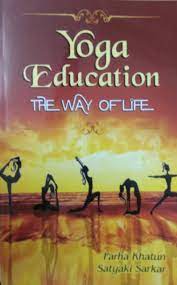
Introduction about PG DIPLOMA IN YOGA EDUCATION AND PHILOSOPHY:
A Postgraduate Diploma in Yoga Education and Philosophy is an advanced academic program that focuses on the comprehensive study of yoga, its principles, philosophy, and the practical aspects of teaching yoga. This program is designed for individuals who wish to deepen their understanding of yoga and its holistic approach to health and well-being. It combines both theoretical knowledge and practical skills, providing students with a well-rounded education in the field of yoga.
Here is an introduction to some key aspects of a PG Diploma in Yoga Education and Philosophy:
Yoga Philosophy: The program delves into the philosophical foundations of yoga, including its historical development and the ancient texts such as the Yoga Sutras of Patanjali. Students explore concepts like the eight limbs of yoga, dharma, karma, and the interconnectedness of mind, body, and spirit.
Yogic Practices: Participants learn a variety of yogic practices, including asanas (physical postures), pranayama (breath control), meditation, and relaxation techniques. These practices help students develop a strong foundation in yoga and personal mindfulness.
Teaching Methodology: The program equips students with the skills and knowledge needed to become effective yoga instructors. It covers lesson planning, class management, and the art of teaching yoga to individuals or groups.
Anatomy and Physiology: Understanding the human body and its functioning is crucial for a well-rounded yoga practice. Students gain knowledge of anatomy and physiology, with a specific focus on how yoga affects and benefits the human body.
Yoga for Health and Wellness: The program also explores the therapeutic applications of yoga for various physical and mental health conditions. This includes how yoga can be used as a complementary practice in healthcare settings.
Research and Contemporary Trends: Students are often encouraged to engage in research within the field of yoga and explore emerging trends in yoga practice and education.
Cultural and Ethical Aspects: The course may include the cultural and ethical dimensions of yoga, including its origins in India and the importance of ethical conduct (yamas and niyamas) in the practice and teaching of yoga.
Final Project: Many PG Diploma programs require students to complete a final project, which can be a research paper, a teaching demonstration, or a thesis, allowing them to apply their knowledge and skills in a practical context.
This diploma program typically targets individuals with a foundational understanding of yoga and a desire to deepen their knowledge and potentially pursue a career as a yoga instructor or educator. It offers a blend of traditional wisdom and contemporary knowledge, allowing students to appreciate the profound philosophy of yoga while also being equipped to adapt and apply it in a modern context.
How can I apply for admission to PG DIPLOMA IN YOGA EDUCATION AND PHILOSOPHY Program:
To apply for admission to a PG Diploma in Yoga Education and Philosophy program, you should follow these general steps:
Research Programs and Institutions:
Start by researching universities, colleges, or institutions that offer PG Diploma programs in Yoga Education and Philosophy. Look for programs that match your interests, location preferences, and budget.
Check Eligibility Requirements:
Review the admission requirements for each program. These may include educational qualifications, prerequisites, and language proficiency tests if the program is offered in a language other than your native one.
Prepare Required Documents:
Gather the necessary documents, which typically include:
Academic transcripts and certificates (e.g., bachelor's degree).
Letters of recommendation (usually 2-3).
A statement of purpose (SOP) explaining your interest in the program.
Resume or curriculum vitae (CV).
Proof of language proficiency (if applicable).
Passport-sized photographs.
Application fee payment receipt.
Entrance Exams:
Some institutions may require you to take entrance exams. Check if the program you're interested in has such a requirement and prepare accordingly.
Application Process:
Most institutions offer an online application process. Create an account on the institution's admissions portal and fill out the application form. Be sure to enter accurate and complete information.
Pay Application Fee:
Pay the application fee as per the institution's instructions. Some programs may offer fee waivers or scholarships, so check for these opportunities.
Submit Required Documents:
Upload or submit all the required documents along with your application. Ensure that the documents meet the specified format and size requirements.
Letter of Recommendation:
Contact your referees (usually professors or professionals who can vouch for your capabilities) and request them to submit their letters of recommendation directly to the institution.
Statement of Purpose (SOP):
Write a compelling SOP that highlights your background, reasons for pursuing this program, career goals, and what you hope to achieve with this diploma.
Interview (if applicable):
Some institutions may require an interview as part of the admission process. Prepare for this interview by reviewing the program's specifics and being ready to discuss your interests and goals.
Track Application Status:
Monitor your application's status on the institution's portal and ensure that all required materials have been received.
Acceptance and Enrollment:
Once you receive an acceptance letter, follow the instructions provided for enrollment. Pay any required enrollment fees and confirm your place in the program.
Visa and Accommodation (for International Students):
If you're an international student, apply for a student visa and arrange accommodation in the host country.
It's essential to note that admission procedures and requirements can vary significantly between institutions, so make sure to carefully review the specific guidelines provided by the institution offering the PG Diploma in Yoga Education and Philosophy that you're interested in. Additionally, consider application deadlines, as many programs have set dates for submitting applications.
What is the eligibility for PG DIPLOMA IN YOGA EDUCATION AND PHILOSOPHY:
The eligibility requirements for a PG Diploma in Yoga Education and Philosophy can vary from one institution to another. However, I can provide you with a general overview of the typical eligibility criteria that you might encounter:
Educational Qualifications:
A common requirement is a Bachelor's degree from a recognized university or institution. The field of your undergraduate degree may or may not be specific, depending on the program. Some programs may accept candidates from diverse academic backgrounds, while others may prefer degrees in related fields such as yoga, physical education, sports science, or a relevant discipline.
Minimum Academic Performance:
Many institutions require a minimum grade point average (GPA) or equivalent academic performance in your undergraduate degree. This GPA threshold can vary between institutions.
Language Proficiency:
If the program is offered in a language other than your native language, you may need to demonstrate language proficiency through standardized tests like TOEFL or IELTS.
Letters of Recommendation:
Some programs may require 2-3 letters of recommendation from academic or professional sources who can vouch for your capabilities and suitability for the program.
Statement of Purpose (SOP):
You may be asked to submit a statement of purpose that outlines your motivation for pursuing the program, your career goals, and why you are interested in yoga education and philosophy.
Entrance Exams (if applicable):
Some institutions may conduct entrance exams to assess your knowledge and aptitude in the field of yoga and related subjects. If applicable, you'll need to meet the minimum qualifying scores on these exams.
Interview (if applicable):
A few institutions may require you to attend an interview as part of the admission process. This interview might focus on your background, interests, and goals related to yoga education and philosophy.
Prerequisite Knowledge (if specified):
Certain programs might specify prerequisite coursework or knowledge in areas like yoga, anatomy, or philosophy. Ensure you meet these requirements if they are mentioned.
Work Experience (if applicable):
Some institutions may prefer or require candidates with prior work experience in the field of yoga or a related area.
It's crucial to review the specific admission requirements and eligibility criteria for the PG Diploma in Yoga Education and Philosophy program you are interested in, as they can vary significantly from one institution to another. Additionally, application deadlines and procedures may differ, so be sure to carefully read the admission guidelines provided by the respective institution to which you plan to apply. If you have any doubts or questions about the eligibility requirements, it's advisable to directly contact the admissions department of the institution offering the program for clarification.
How long does it takes to complete a PG DIPLOMA IN YOGA EDUCATION AND PHILOSOPHY program:
The duration of a PG Diploma in Yoga Education and Philosophy program can vary depending on the institution and the specific program. However, most such programs are designed to be completed in approximately one year of full-time study. Here are some common duration options you might encounter:
One-Year Program: The majority of PG Diploma programs in Yoga Education and Philosophy are structured as one-year programs. They typically consist of two semesters or three terms and cover a comprehensive curriculum that includes theoretical and practical aspects of yoga, philosophy, teaching methodology, and more.
Part-Time or Online Programs: Some institutions offer part-time or online versions of the program, which allow students to complete the diploma at their own pace. These part-time programs may extend over a longer duration, often 18 months to two years, to accommodate students who have other commitments such as work or family.
Accelerated Programs: In some cases, there may be accelerated or intensive programs that are designed to be completed in a shorter time frame, such as 6-9 months. These programs typically require a more concentrated study effort.
Keep in mind that the exact duration of the program can vary based on factors like the institution's academic calendar, the number of courses and credits required, and the program's specific focus and intensity. Before enrolling in a PG Diploma in Yoga Education and Philosophy, it's important to check the program's official documentation or contact the institution offering the program to get precise information regarding its duration and any available study options.
What are potential career opportunities after PG DIPLOMA IN YOGA EDUCATION AND PHILOSOPHY:
Completing a PG Diploma in Yoga Education and Philosophy can open up a variety of career opportunities in the field of yoga and wellness. Here are some potential career paths and opportunities you can explore:
Yoga Instructor/Teacher: Many graduates of this program choose to become yoga instructors. You can work independently or with yoga studios, fitness centers, health clubs, or wellness retreats. As an instructor, you'll guide individuals or groups through yoga sessions, helping them improve physical fitness, flexibility, and mental well-being.
Yoga Therapist: With advanced knowledge of yoga and its therapeutic applications, you can work as a yoga therapist. Yoga therapy involves using yoga practices to address specific health issues or medical conditions, such as stress management, chronic pain, or mental health concerns.
Yoga Studio Owner: If you're entrepreneurial, you can open your own yoga studio or wellness center, where you offer a range of yoga classes and related services. This allows you to create a unique space that aligns with your personal philosophy and approach to yoga.
Corporate Yoga Instructor: Many companies now offer yoga and wellness programs to their employees as a way to reduce stress and improve overall health. You can provide on-site yoga classes and wellness workshops for corporate clients.
Yoga and Wellness Consultant: As a consultant, you can work with individuals or organizations to design and implement wellness programs that incorporate yoga as a central component. Your expertise in yoga philosophy and education can be valuable in this role.
Yoga Retreat Leader: Organize and lead yoga retreats in beautiful and serene locations. These retreats often combine yoga practice with relaxation and self-discovery activities, making them a unique and fulfilling career option.
Yoga Educator/Trainer: Share your knowledge by teaching others to become yoga instructors. You can work with yoga teacher training programs, colleges, or educational institutions to train and mentor the next generation of yoga instructors.
Yoga Writer or Blogger: If you have a passion for writing and a deep understanding of yoga philosophy and education, you can become a yoga writer or blogger. You can contribute to yoga publications, websites, or create your own blog to share insights and information.
Health and Wellness Coach: Combine your knowledge of yoga with coaching skills to help individuals set and achieve wellness goals. This may involve lifestyle and behavior modification, stress management, and overall health improvement.
Therapist or Counselor: Some graduates choose to pursue further education and training in counseling or therapy and integrate yoga philosophy and practices into their therapeutic approaches.
Yoga Researcher or Academic: If you have a strong interest in academia and research, you can explore opportunities in yoga research, either as an independent researcher or as a faculty member at an educational institution.
Holistic Health Practitioner: Combine your yoga education with other holistic health practices such as Ayurveda, acupuncture, or nutrition to offer a well-rounded approach to health and well-being.
Keep in mind that the career path you choose will depend on your personal interests, skills, and the specific focus of your PG Diploma program. Additionally, gaining practical experience through internships, workshops, and continued education can help you build a successful career in the field of yoga and philosophy.
Syllabus of PG DIPLOMA IN YOGA EDUCATION AND PHILOSOPHY :
The specific syllabus for a PG Diploma in Yoga Education and Philosophy program can vary between institutions and programs. However, I can provide a general outline of what you might expect in a typical two-semester program. Keep in mind that the actual curriculum may vary depending on the institution and may include additional electives, specialized courses, or practical components. Here's a semester-wise breakdown:
Semester 1:
Yoga Philosophy and History:
Introduction to the philosophy and history of yoga, including an exploration of ancient texts like the Yoga Sutras, Bhagavad Gita, and Upanishads.
Yogic Principles and Ethics:
Study of the ethical principles of yoga (yamas and niyamas) and their application in daily life.
Yoga Anatomy and Physiology:
An overview of human anatomy and physiology relevant to yoga practice, including the musculoskeletal and respiratory systems.
Yogic Practices - Part 1:
Introduction to fundamental yogic practices, such as asanas (postures), pranayama (breath control), and meditation.
Teaching Methodology:
The art of teaching yoga, including class planning, sequencing, and adapting yoga for different individuals.
Research Methodology:
Introduction to research techniques and methods, as well as the importance of evidence-based practices in yoga.
Semester 2:
Advanced Yogic Practices:
Deepening your practice and understanding of asanas, pranayama, meditation, and other advanced yogic practices.
Yoga for Special Populations:
Specialized knowledge on teaching yoga to individuals with specific needs, such as seniors, pregnant women, and those with health conditions.
Yoga Therapy:
The therapeutic applications of yoga for various physical and mental health issues, including stress management and pain relief.
Philosophical Foundations of Yoga:
An in-depth study of key philosophical concepts in yoga, including the eight limbs of yoga and the paths of devotion, knowledge, and action.
Practicum:
Practical experience in teaching yoga, including observation, assisting, and leading classes under the supervision of experienced instructors.
Final Project or Thesis:
A research project or thesis that demonstrates your understanding and application of yoga education and philosophy.
Please note that this is a generalized overview, and the actual syllabus may vary based on the specific program and institution you choose. It's important to refer to the program's official documentation, such as the course catalog or syllabus provided by the institution, to get detailed and up-to-date information on the curriculum for the PG Diploma in Yoga Education and Philosophy you are interested in.
Internship opportunities after completing PG DIPLOMA IN YOGA EDUCATION AND PHILOSOPHY:
After completing a PG Diploma in Yoga Education and Philosophy, there are several internship opportunities that can help you gain practical experience, refine your teaching skills, and expand your knowledge in the field of yoga and philosophy. Here are some potential internship opportunities to consider:
Yoga Studios and Wellness Centers:
Many yoga studios and wellness centers offer internships for newly certified yoga instructors. These internships can provide you with hands-on teaching experience and exposure to different styles of yoga.
Healthcare Facilities and Rehabilitation Centers:
Interning at hospitals, rehabilitation centers, or healthcare facilities can offer you the chance to work as a yoga therapist, helping individuals with specific health conditions or recovering from injuries.
Corporate Wellness Programs:
Some companies offer wellness programs that include yoga classes for their employees. You can intern with organizations that provide corporate wellness services and gain experience in this growing sector.
Schools and Educational Institutions:
Consider interning at schools, colleges, or educational institutions that offer yoga classes as part of their curriculum. This experience can be valuable if you are interested in teaching yoga to students.
Yoga Retreats and Ashrams:
Interning at yoga retreats or ashrams can provide you with exposure to the spiritual and meditative aspects of yoga. You can assist with retreat programs and gain insight into the management of such centers.
Specialized Yoga Centers:
Some centers focus on specific yoga styles or therapeutic applications. Interning at specialized yoga centers can help you deepen your knowledge in a particular area of interest.
Nonprofit and Community Organizations:
Many nonprofit organizations offer yoga programs for underserved communities, including youth, seniors, and individuals with disabilities. Interning with these organizations can be a rewarding way to give back to the community.
Private Practice with Experienced Instructors:
You might consider interning with experienced yoga instructors who have established private practices. This one-on-one mentorship can provide personalized guidance and insight into the business side of yoga.
Research and Academic Institutions:
If you have a strong interest in the academic aspects of yoga, you can explore internship opportunities with institutions conducting yoga-related research or academic programs.
Holistic Health and Wellness Centers:
Some wellness centers offer a combination of services, including yoga, nutrition, and alternative therapies. Interning at such centers can provide a holistic view of health and wellness practices.
When seeking internships, it's essential to consider your specific interests and goals within the field of yoga. Networking and building relationships with experienced instructors, yoga studios, and wellness centers in your area can be a valuable way to discover internship opportunities. Additionally, some internships may be paid, while others could be unpaid or provide a stipend, so be sure to clarify the terms and expectations with the hosting organization.
Scholarship and grants for PG DIPLOMA IN YOGA EDUCATION AND PHILOSOPHY:
Scholarships and grants for a PG Diploma in Yoga Education and Philosophy may be available from various sources, including educational institutions, government programs, private foundations, and yoga-related organizations. Here are some avenues to explore when seeking financial assistance for your studies:
Institutional Scholarships: Many universities and colleges that offer PG Diploma programs in yoga education and philosophy have their own scholarship programs. These scholarships may be merit-based, need-based, or awarded for specific achievements or contributions to the field.
Government Scholarships: Depending on your country of residence, you may be eligible for government scholarships or grants to support your education. Check with your government's education department or relevant agencies for information on available programs.
Yoga Associations and Organizations: Various yoga-related associations and organizations offer scholarships and grants to individuals pursuing advanced studies in yoga. These opportunities may be based on your commitment to promoting yoga, academic achievements, or specific criteria set by the organization.
Private Foundations: Some private foundations and trusts provide scholarships and grants for students pursuing studies in yoga and related fields. Research organizations or foundations that align with your academic and career goals.
Employer-Sponsored Education: If you are currently employed, inquire with your employer about any education assistance or reimbursement programs they offer. Some companies support employees in pursuing further education, including yoga-related programs.
Online Scholarship Databases: There are online databases and search engines dedicated to scholarships and grants. Websites like Fastweb, Scholarships.com, and ScholarshipPortal allow you to search for funding opportunities based on your academic background and interests.
Educational Loans and Financial Aid: Explore loan options and financial aid packages provided by your chosen educational institution. While not scholarships, these resources can help you cover the costs of your education.
Community and Civic Organizations: Local community and civic organizations, such as rotary clubs and chambers of commerce, sometimes offer scholarships to residents pursuing higher education.
Cultural and International Scholarships: If you plan to study abroad or in a foreign country, investigate scholarships for international students or scholarships specific to your cultural background.
Alumni Associations: Some alumni associations of universities and colleges offer scholarships to current students based on academic performance and community involvement.
When searching for scholarships and grants, be sure to check the eligibility criteria, application deadlines, and any specific requirements for each opportunity. It's essential to start your scholarship search well in advance of your intended program start date, as some scholarships have early application deadlines. Additionally, consider applying for multiple scholarships to maximize your chances of securing financial support for your PG Diploma in Yoga Education and Philosophy.
FAQ:
What is a PG Diploma in Yoga Education and Philosophy?
A PG Diploma in Yoga Education and Philosophy is an advanced academic program that offers in-depth knowledge and practical training in yoga, including its philosophy, teaching methodologies, and therapeutic applications.
What are the eligibility requirements for this program?
Eligibility requirements can vary, but they often include a bachelor's degree from a recognized institution. Some programs may have specific prerequisites or language proficiency requirements.
How long does it take to complete the program?
Typically, a PG Diploma in Yoga Education and Philosophy is designed to be completed in one year. However, part-time and online options may extend the duration.
What is the curriculum like for this program?
The curriculum covers a wide range of topics, including yoga philosophy, anatomy and physiology, teaching methodology, therapeutic applications, and research methods. It may also include specialized courses based on the program's focus.
What career opportunities are available after completing this diploma?
Graduates can pursue careers as yoga instructors, therapists, studio owners, educators, researchers, or wellness consultants. The specific career path may depend on individual interests and expertise.
Are there internship opportunities available?
Yes, internships can provide practical experience in teaching and therapeutic applications of yoga. They can be found in yoga studios, healthcare facilities, and other relevant settings.
Are scholarships or financial aid available for this program?
Scholarships and grants may be available from educational institutions, government programs, private foundations, yoga associations, and other sources. Research and apply for financial assistance opportunities.
Do I need to have prior experience in yoga to apply for this program?
While prior experience in yoga can be beneficial, it is not always a strict requirement. Some programs accept students from diverse backgrounds and may offer foundational courses to bring all students up to a common level of understanding.
Can I pursue this diploma program online?
Yes, some institutions offer online PG Diploma programs in Yoga Education and Philosophy, providing flexibility for those who may not be able to attend traditional in-person classes.
How can I find accredited institutions offering this program?
You can research accredited universities, colleges, and institutions known for their yoga and wellness programs. Verify the accreditation status and check their program offerings.
What are the advantages of pursuing a PG Diploma in Yoga Education and Philosophy?
Advantages include gaining expertise in a growing field, contributing to holistic well-being, and having various career opportunities in yoga and wellness.
Is there a practical component to the program, such as teaching practice?
Many programs include a practical component, which may involve teaching practice, observation, and hands-on experience in real yoga class settings.
Can I pursue further academic studies, such as a master's degree, after completing this diploma?
Yes, after completing the PG Diploma, you can explore the option of pursuing a master's degree or other advanced studies in related fields.
Conclusion :
In conclusion, a PG Diploma in Yoga Education and Philosophy is a program that provides a deep and comprehensive understanding of yoga's philosophical foundations, its practical applications, and its potential to enhance physical and mental well-being. This specialized education equips individuals with the knowledge and skills to embark on various fulfilling career paths in the field of yoga and holistic health. Whether you aspire to become a yoga instructor, therapist, or educator, or you simply wish to deepen your own personal practice and understanding of yoga, this diploma program offers a transformative journey of self-discovery and professional growth.
How Shiksha Hub helps you in
-
 Student Counsellors
 -
 Career Counseling
 -
 Research
 -
 24/7 Support
 -
 Scholarships
 -
 Community