Posted by Admin on 13-07-2023 in Shiksha hub
PGDJMC, Introduction, Admission, Registration, Eligibility, Duration, Fees, Syllabus 2024
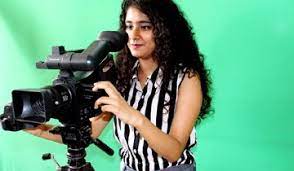
Introduction about PGDJMC
The Post Graduate Diploma in Journalism and Mass Communication (PGDJMC) is a specialized program designed to equip students with the essential skills and knowledge required for a successful career in the field of journalism and mass communication. This postgraduate diploma is tailored to meet the dynamic and evolving needs of the media industry, preparing students to navigate the challenges of a rapidly changing media landscape.
The program typically covers a comprehensive range of subjects, including journalism ethics, media law, communication theories, multimedia reporting, digital journalism, and editorial practices. Students enrolled in PGDJMC programs gain hands-on experience in various aspects of media production, such as news writing, editing, broadcasting, and digital content creation. The curriculum is designed to foster critical thinking, research abilities, and effective communication skills, enabling graduates to excel in the diverse and competitive realm of journalism and mass communication.
Furthermore, PGDJMC programs often incorporate industry-relevant projects, internships, and workshops to provide students with practical exposure and insights into the real-world challenges of the media profession. As media continues to evolve with technological advancements, PGDJMC programs strive to produce professionals who can adapt to emerging trends and contribute meaningfully to the dissemination of information in society.
Overall, the Post Graduate Diploma in Journalism and Mass Communication serves as a vital stepping stone for individuals aspiring to pursue rewarding careers in journalism, broadcasting, public relations, advertising, and other related fields within the expansive domain of mass communication.
How can I apply for admission to PGDJMC Program
To apply for admission to a Post Graduate Diploma in Journalism and Mass Communication (PGDJMC) program, you typically need to follow a set of guidelines outlined by the specific educational institution offering the program. Here is a general guide on how you can apply:
Research Programs and Eligibility:
Explore different universities or institutions offering PGDJMC programs. Look into their curriculum, faculty, facilities, and any specific requirements.
Ensure that you meet the eligibility criteria, which may include holding a bachelor's degree in any discipline from a recognized university.
Application Form:
Obtain the application form from the official website of the institution. Many universities provide online application forms that you can fill out electronically.
Documentation:
Prepare the necessary documents, which typically include:
Academic transcripts and certificates.
A copy of your bachelor's degree.
Letters of recommendation (if required).
Statement of Purpose (SOP) outlining your motivation for pursuing PGDJMC.
Passport-sized photographs.
Proof of identity.
Entrance Exams (if applicable):
Some institutions may require you to take an entrance exam as part of the admission process. Check if the program you are interested in has such a requirement and prepare accordingly.
Application Fee:
Pay the application fee, if applicable. This fee is often non-refundable and is meant to cover the administrative costs of processing your application.
Submission:
Submit the completed application form and all supporting documents before the specified deadline. Ensure that all information provided is accurate and matches the documents submitted.
Interview (if applicable):
Some institutions may conduct interviews as part of the selection process. Prepare for the interview by familiarizing yourself with common questions related to your academic and career goals.
Wait for Admission Decision:
After submitting your application, wait for the admission committee's decision. This may take some time, and you may be notified through email or postal mail.
Acceptance and Enrollment:
If you receive an offer of admission, follow the instructions provided to accept the offer and complete the enrollment process. This may involve paying tuition fees and attending an orientation session.
What is the eligibility for PGDJMC
The eligibility criteria for a Post Graduate Diploma in Journalism and Mass Communication (PGDJMC) may vary slightly among different educational institutions. However, here are some common eligibility requirements that you may find for PGDJMC programs:
Educational Qualifications:
A bachelor's degree in any discipline from a recognized university or institution is typically the primary educational requirement. The degree may need to be obtained with a minimum specified percentage or equivalent grade.
Minimum Percentage:
Some institutions may specify a minimum percentage or grade point average (GPA) in the qualifying bachelor's degree. This requirement can vary, so it's essential to check the specific criteria set by the institution offering the PGDJMC program.
Entrance Exam (if applicable):
Certain institutions may conduct an entrance examination as part of the admission process. The eligibility criteria may include achieving a minimum score in the entrance exam.
Work Experience (if applicable):
In some cases, work experience in the field of journalism, media, or related areas may be preferred or required. This is more common in executive or part-time PGDJMC programs.
Language Proficiency:
Proficiency in the language of instruction (often English) may be required. This could be demonstrated through standardized tests such as the TOEFL (Test of English as a Foreign Language) or IELTS (International English Language Testing System).
Letters of Recommendation (if required):
Some institutions may request letters of recommendation from professors or professionals who can vouch for your academic capabilities and potential in the field of journalism and mass communication.
Statement of Purpose (SOP):
Many institutions require applicants to submit a Statement of Purpose (SOP) outlining their motivations, career goals, and reasons for pursuing the PGDJMC program.
Interview (if applicable):
An interview may be part of the selection process. During the interview, candidates may be evaluated on their communication skills, knowledge of current affairs, and their suitability for the program.
How long does it takes to complete a PGDJMC program
The duration of a Post Graduate Diploma in Journalism and Mass Communication (PGDJMC) program can vary depending on the educational institution and the specific structure of the program. Generally, PGDJMC programs are designed to be completed in a relatively short period compared to traditional postgraduate degrees.
The typical duration for a PGDJMC program is:
Full-Time Programs:
Full-time PGDJMC programs usually last between 1 year to 2 years. The exact duration can depend on factors such as the curriculum structure, the number of courses or credits required, and any additional practical components such as internships or projects.
Part-Time or Executive Programs:
Part-time or executive PGDJMC programs, designed to accommodate working professionals, may have a more flexible schedule. These programs may extend over a longer period, ranging from 2 to 3 years or more, allowing students to balance their studies with professional commitments.
Accelerated Programs:
Some institutions may offer accelerated or intensive PGDJMC programs that can be completed in a shorter duration, such as 6 months to 1 year. These programs may be more demanding in terms of coursework and time commitment.
What are potential career opportunities after PGDJMC
A Post Graduate Diploma in Journalism and Mass Communication (PGDJMC) opens up a diverse range of career opportunities in the dynamic and expansive field of media and communication. Here are some potential career paths that graduates with a PGDJMC may pursue:
Journalism:
News Reporter/Journalist
Feature Writer
Editor (Print, Online, Broadcast)
News Anchor/Presenter
Digital Media:
Digital Journalist
Content Creator
Social Media Manager
Online Editor
Broadcasting:
Television Reporter
News Producer
Scriptwriter
Video Journalist
Public Relations (PR):
PR Specialist
Communications Manager
Media Relations Officer
PR Consultant
Advertising:
Copywriter
Creative Director
Media Planner
Advertising Manager
Corporate Communication:
Corporate Communication Specialist
Internal Communications Manager
Public Affairs Officer
Crisis Communication Manager
Content Creation and Editing:
Content Editor
Content Manager
Multimedia Producer
Script Editor
Media Management:
Media Executive
Media Analyst
Media Planner
Media Researcher
Freelance Writing and Consulting:
Freelance Journalist
Content Writer
Communication Consultant
Academia and Research:
Lecturer/Professor in Journalism or Mass Communication
Researcher in Media Studies
Entrepreneurship:
Start and manage your own media-related business, such as a digital media agency, content production company, or communication consultancy.
Syllabus of PGDJMC
|
Semester |
Subjects/Courses |
|
Semester 1 |
- Principles of Mass Communication |
|
- Journalism and Society |
|
|
- Media Ethics and Law |
|
|
- Reporting and News Writing |
|
|
- Introduction to Digital Media |
|
|
Semester 2 |
- Editing and Feature Writing |
|
- Communication Research Methods |
|
|
- Broadcast Journalism |
|
|
- Social Media Management |
|
|
- Media Management and Economics |
|
|
Semester 3 |
- Public Relations and Corporate Communication |
|
- Documentary Film Making |
|
|
- Specialization Elective 1 (e.g., Political Journalism) |
|
|
- Internship/Project |
|
|
Semester 4 |
- Media and Cultural Studies |
|
- Specialization Elective 2 (e.g., Sports Journalism) |
|
|
- Dissertation/Thesis |
|
|
- Media Entrepreneurship |
|
|
- Emerging Trends in Journalism and Mass Communication |
Internship opportunities after completing PGDJMC
After completing a Post Graduate Diploma in Journalism and Mass Communication (PGDJMC), there are various internship opportunities available in the media and communication industry. Internships provide valuable hands-on experience, networking opportunities, and a chance to apply theoretical knowledge in real-world settings. Here are some potential internship opportunities:
News Organizations:
Intern as a reporter, news writer, or editor for newspapers, online news portals, or television news channels.
Broadcasting Companies:
Gain experience in television or radio broadcasting by interning as a producer, scriptwriter, or on-air talent.
Digital Media Outlets:
Intern with digital media platforms, content creation companies, or online magazines to enhance skills in digital journalism and content creation.
Public Relations Agencies:
Explore internships in public relations firms, where you can work on media relations, communication strategies, and event management.
Advertising Agencies:
Intern as a copywriter, creative assistant, or account executive in advertising agencies to gain insights into the advertising industry.
Corporate Communication Departments:
Intern within the communication departments of corporations, handling internal communications, press releases, and corporate events.
Magazines and Periodicals:
Work with magazines or periodicals as an editorial intern, gaining experience in feature writing, editing, and layout design.
Media Production Companies:
Intern in media production companies, where you can be involved in video production, documentary filmmaking, or multimedia content creation.
Social Media Management:
Explore internships focused on social media management and digital marketing to enhance skills in online engagement and community building.
NGOs and Non-Profit Organizations:
Intern in organizations focused on social causes, where you can contribute to communication campaigns, content creation, and outreach efforts.
Research Organizations:
Explore internships in research organizations focusing on media studies, communication research, or media analytics.
Startups and Entrepreneurial Ventures:
Intern in media-related startups to experience the dynamic environment of entrepreneurship, digital media, and innovative communication strategies.
Scholorship and grants for PGDJMC
Scholarships and grants for a Post Graduate Diploma in Journalism and Mass Communication (PGDJMC) can be available through various sources, including universities, government bodies, private organizations, and foundations. While the availability and criteria for scholarships can vary, here are some potential avenues to explore:
University Scholarships:
Many universities or institutions offering PGDJMC programs may have scholarship programs for outstanding students. Check the university's official website or contact the admissions or financial aid office for information on available scholarships.
Government Scholarships:
Some government agencies offer scholarships for students pursuing postgraduate studies in journalism and mass communication. Check with relevant government departments or educational boards for information on available funding opportunities.
Private Foundations and Organizations:
Private foundations and organizations in the field of media and journalism may offer scholarships or grants. Explore opportunities provided by media associations, journalism foundations, and communication industry organizations.
International Scholarships:
If you are an international student, there may be scholarships available for students studying journalism and mass communication abroad. Check with international organizations, embassies, and cultural exchange programs.
Media Companies and Networks:
Some media companies and broadcasting networks offer scholarships to support students pursuing careers in journalism and mass communication. Explore opportunities provided by well-known media organizations.
Nonprofit Organizations:
Nonprofit organizations with a focus on education and media may offer scholarships to support students in journalism and communication fields. Look for organizations that align with your career goals.
Professional Associations:
Professional associations related to journalism and mass communication may offer scholarships for students entering the field. Examples include the Society of Professional Journalists, the International Association of Business Communicators, and others.
Merit-Based Scholarships:
Some scholarships are awarded based on academic merit, so maintaining a high GPA during your undergraduate studies and demonstrating exceptional academic achievements can make you eligible for these scholarships.
Need-Based Financial Aid:
In addition to scholarships, consider exploring need-based financial aid options, such as grants or low-interest loans, to support your studies.
Conclusion
In conclusion, pursuing a Post Graduate Diploma in Journalism and Mass Communication (PGDJMC) offers a gateway to a dynamic and rewarding career in the ever-evolving field of media and communication. The program equips students with a comprehensive understanding of journalistic principles, media ethics, and communication strategies, preparing them to navigate the challenges of the modern media landscape.
FAQ PGDJMC
What is PGDJMC?
PGDJMC stands for Post Graduate Diploma in Journalism and Mass Communication. It is a specialized postgraduate program designed to provide in-depth knowledge and skills in the field of journalism and mass communication.
What is the duration of the PGDJMC program?
The duration of PGDJMC programs typically ranges from 1 year to 2 years for full-time programs. Part-time or executive programs may have a more flexible timeline, often extending to 2-3 years.
What are the eligibility criteria for PGDJMC?
The eligibility criteria generally include a bachelor's degree in any discipline from a recognized university. Minimum percentage requirements may apply, and some programs may have additional criteria, such as entrance exams or work experience.
What are the potential career opportunities after completing PGDJMC?
Graduates of PGDJMC programs can pursue careers in journalism, broadcasting, digital media, public relations, advertising, corporate communication, and more. Specific roles include reporters, editors, content creators, social media managers, and PR specialists.
Are there internship opportunities after PGDJMC?
Yes, there are various internship opportunities available in news organizations, broadcasting companies, digital media outlets, public relations agencies, advertising agencies, and more. Internships provide practical experience and networking opportunities.
How can I apply for admission to a PGDJMC program?
To apply, obtain the application form from the official website of the institution offering the program. Complete the form, gather required documents (transcripts, letters of recommendation, etc.), and submit the application before the specified deadline. Some programs may require an entrance exam.
Are there scholarships available for PGDJMC?
Yes, scholarships for PGDJMC programs can be available through universities, government bodies, private organizations, and foundations. Check with the institution offering the program, explore government scholarship programs, and look into opportunities provided by media organizations and associations.
What is the typical syllabus for PGDJMC?
The syllabus may include subjects such as Principles of Mass Communication, Journalism Ethics, Reporting and News Writing, Digital Media, Public Relations, Broadcast Journalism, and more. The specific syllabus can vary by institution.
Can I pursue PGDJMC as an international student?
Yes, many institutions welcome international students for PGDJMC programs. International students may be eligible for scholarships and should check the specific admission requirements for international applicants.
What is the value of PGDJMC in the job market?
PGDJMC provides valuable skills and knowledge sought after in the media and communication industry. Graduates are well-equipped for diverse roles in journalism, broadcasting, digital media, and related fields, enhancing their employability in the competitive job market.
How Shiksha Hub helps you in
-
 Student Counsellors
 -
 Career Counseling
 -
 Research
 -
 24/7 Support
 -
 Scholarships
 -
 Community