Posted by Admin on 18-02-2025 in Shiksha hub
Ph.D. From Christ : Introduction, Fee Structure, Admission Process, Documents, Syllabus, Research Methodology, University Highlights, Scholarship, FAQs
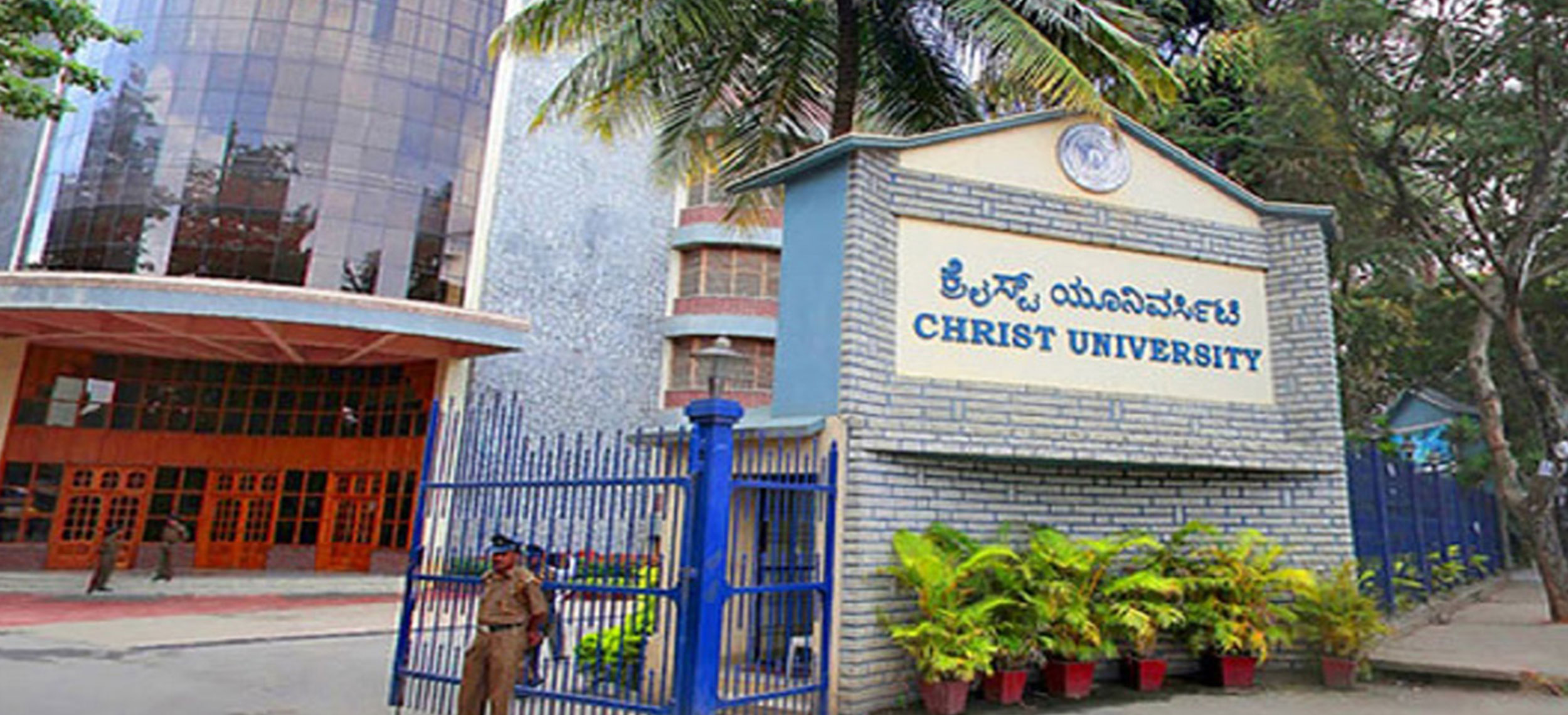
Ph.D. From Christ: Introduction, Fee Structure, Admission Process, Documents, Syllabus, Research Methodology, University Highlights, Scholarship, FAQs
Introduction about Ph.D. From Christ
Christ (Deemed to be University), located in the bustling city of Bengaluru in Karnataka, is a prestigious institution known for its academic rigor, holistic development approach, and commitment to research excellence. Founded in 1969, Christ has evolved over the decades into a multi-disciplinary university offering undergraduate, postgraduate, and doctoral programs across various domains, including Management, Humanities, Social Sciences, Sciences, Engineering, and more. A Ph.D. from Christ is highly regarded for its emphasis on cutting-edge research, interdisciplinary collaborations, and practical applications that address real-world challenges.
Doctoral scholars at Christ benefit from an environment that nurtures curiosity, innovation, and critical thinking. The university’s well-equipped research centers and laboratories, coupled with a dedicated faculty of accomplished academicians, create an atmosphere where intellectual discourse flourishes. Furthermore, Christ maintains robust partnerships with industries, international universities, and research organizations, allowing Ph.D. candidates to engage in collaborative projects and access resources beyond the traditional classroom. This global outlook is complemented by Christ’s commitment to ethics, social responsibility, and sustainability, ensuring that research endeavors are both academically rigorous and socially impactful.
Whether one’s interests lie in exploring the nuances of business management, delving into the complexities of social sciences, or innovating within scientific research, Christ offers a Ph.D. program structured to accommodate diverse scholarly pursuits. The university places strong emphasis on developing well-rounded researchers by integrating coursework in research methodologies, academic writing, and specialized electives that align with the scholar’s field of study. Regular seminars, workshops, and conferences further enrich the doctoral journey, equipping students with presentation skills, networking opportunities, and insights into the latest trends in their respective disciplines.
In the sections that follow, this blog will guide you through all aspects of pursuing a Ph.D. at Christ, including details about the fee structure, admission process, essential documents, syllabus, research methodology, university highlights, scholarship options, and more. Whether you are a working professional seeking advanced expertise or an aspiring academic aiming to contribute to the global knowledge base, a Ph.D. from Christ can open doors to meaningful career paths, thought leadership, and transformative research endeavors.
Fee Structure for Ph.D. in Christ
| Tuition Fee Per Year | Registration | Total Fee |
|---|---|---|
| INR 80,000 | INR 5,000 | INR 85,000 |
| INR 90,000 | INR 5,000 | INR 95,000 |
Note: The fee structure mentioned above is indicative. Actual fees may vary based on factors such as your specific research domain, additional departmental charges, or changes in university policies. Prospective candidates should verify the latest fee details through the official Christ website or by contacting the admissions office directly.
Admission Process For Ph.D. in Christ
Christ follows a structured and merit-based approach to admitting candidates into its Ph.D. programs. The process is designed to evaluate a candidate’s academic background, research aptitude, and alignment with the university’s values and research objectives. Below is an outline of the typical admission procedure:
- Check Eligibility: Applicants should have a Master’s degree or an equivalent qualification in a relevant field, often with a minimum qualifying percentage or CGPA.
- Entrance Examination: Prospective scholars may be required to appear for a university-conducted entrance test or present valid scores from recognized national-level exams such as UGC-NET, CSIR-NET, or GATE.
- Research Proposal: A comprehensive research proposal outlining your objectives, methodology, and potential contribution to the field is essential for final consideration.
- Interview/Presentation: Shortlisted candidates are typically invited to an interview or proposal defense, where they discuss their research interests with a panel of faculty members.
- Final Selection: Successful candidates receive an official admission offer via email or letter. They must complete the required formalities, including fee payment and document submission, within the stipulated deadline.
Document Required For Ph.D. in Christ
Having all the necessary documents ready will help streamline the admission process and avoid last-minute hassles. Here is a list of commonly required documents for Ph.D. admissions at Christ:
- Academic Mark Sheets & Certificates: Copies of Bachelor’s and Master’s degree certificates and detailed mark sheets.
- Research Proposal: A structured document detailing your intended research topic, objectives, and methodology.
- Entrance Exam Scorecard: Valid proof of performance in the Christ entrance test or recognized national-level exams.
- Identification Proof: A government-issued ID such as Aadhar Card, Passport, or Voter ID.
- Date of Birth Proof: Typically a 10th-grade certificate or birth certificate.
- Passport-Sized Photographs: Recent photographs meeting the dimensions specified by the university.
- Category Certificate (if applicable): SC/ST/OBC/EWS certificates to avail reservation benefits.
- No Objection Certificate (NOC): Required if you are employed and wish to continue working while pursuing your Ph.D.
- Experience Certificates (if any): Useful for candidates with relevant work or research experience.
Christ Ph.D. Syllabus
| Semester/Phase | Key Subjects/Modules |
|---|---|
| Coursework Phase (6-12 months) |
|
| Research Proposal Phase |
|
| Mid-Research Phase |
|
| Pre-Thesis Submission Phase |
|
| Final Thesis Submission & Defense |
|
Note: The specific curriculum may differ based on your department, research focus, and evolving academic guidelines. Always consult your department’s handbook or advisor for the most accurate information.
Christ Research Methodology
- Interdisciplinary Approach: Encourages collaboration between different faculties to tackle complex research questions.
- Ethical Compliance: Maintains strict ethical guidelines, particularly for human subject research or sensitive data handling.
- Quantitative & Qualitative Methods: Employs a range of research tools, from statistical models to case studies, interviews, and content analysis.
- Technology Integration: Emphasizes modern data collection and analysis software, ensuring scholars stay abreast of technological advancements.
- Publication-Oriented: Strongly encourages presenting papers at conferences and publishing in peer-reviewed journals.
- Continuous Feedback: Regular reviews and meetings with supervisors ensure that research objectives remain clear and feasible.
- Peer Collaboration: Promotes knowledge-sharing through workshops, seminars, and group projects.
- Applied Focus: Encourages real-world application of research findings, often partnering with industries or community organizations.
Christ Highlights
| Highlight | Description |
|---|---|
| Location | Bengaluru, Karnataka |
| Establishment | Founded in 1969, Deemed to be University status |
| Programs Offered | Undergraduate, Postgraduate, Ph.D. across multiple disciplines |
| Research Facilities | Advanced Labs, Modern Libraries, Collaborative Workspaces |
| Faculty | Renowned Academicians, Industry Experts, and Visiting Scholars |
| Industry Collaborations | Strong Ties with Corporates, NGOs, and Research Institutions |
| Mode of Admission | Entrance Exam + Interview |
| Scholarships | Merit-Based, Need-Based, and External Funding |
| Student Activities | Seminars, Conferences, Cultural Fests, Sports Events |
| Official Website | Christ Official Portal |
How To Apply For Ph.D. in Christ
- Visit Official Website: Begin by checking the Christ University portal for the latest Ph.D. admission notifications, application deadlines, and specific eligibility criteria.
- Download/Fill Application Form: Complete the online form or download the PDF version, following the instructions provided on the website.
- Attach Required Documents: Gather all academic transcripts, ID proofs, research proposals, and any additional documents specified by the university.
- Pay Application Fee: Make the payment through the designated online or offline methods. Keep a record of the transaction receipt for reference.
- Entrance Examination: Appear for the Christ-conducted entrance exam if applicable, or submit valid scores from national-level tests like UGC-NET or CSIR-NET.
- Research Proposal Submission: Ensure your proposal is well-structured, with clear objectives and a feasible methodology.
- Interview/Presentation: Shortlisted candidates will be invited for an interview or proposal defense. Prepare thoroughly to discuss your research ideas and academic background.
- Check Merit List: Christ typically publishes a merit list of selected candidates on its website or via email. Follow any additional instructions provided.
- Complete Admission Formalities: Pay the admission fee, submit all required documents, and confirm your seat within the specified deadline.
- Begin Coursework: Once admitted, proceed with the mandatory coursework phase, laying the groundwork for your doctoral research.
Courses After Ph.D. in Christ
- Post-Doctoral Research: Collaborate with leading universities or research institutes to deepen expertise and expand your scholarly network.
- Professional Certifications: Enhance specialized skills in data science, leadership, project management, or other relevant areas.
- Academic Leadership Programs: Enroll in short-term or executive programs focused on higher education administration, policy-making, or curriculum development.
- Interdisciplinary Diplomas: Explore courses that complement your Ph.D. area, broadening your research scope or industry readiness.
- Additional Degree Programs: Some scholars opt for a second doctorate or specialized master’s programs to diversify their academic and professional portfolios.
Christ Scholarship
Christ (Deemed to be University) is committed to making higher education accessible and rewarding for deserving students. As part of this commitment, the university offers various scholarships aimed at supporting academically strong and financially constrained candidates pursuing a Ph.D. By alleviating some of the financial burden, Christ ensures that scholars can devote their energy and focus to conducting high-quality research, publishing in peer-reviewed journals, and actively participating in seminars and conferences.
In addition to university-sponsored scholarships, doctoral candidates at Christ can also explore external funding sources such as government fellowships, industry grants, and philanthropic organizations. These options often come with distinct eligibility criteria, application processes, and award amounts. A well-defined research proposal that demonstrates innovation, relevance, and potential impact can significantly boost your chances of securing these grants. Furthermore, many scholarship programs encourage collaboration with external partners, thereby broadening your research scope and professional network.
Typically, scholarship applications require submission of academic transcripts, letters of recommendation, and a statement of purpose or research plan. Some also consider personal circumstances or special achievements beyond academics. Christ maintains a transparent and merit-based selection process, where each application is reviewed holistically. Once awarded, recipients may need to maintain a certain academic standard or fulfill other obligations like publishing research findings or contributing to departmental initiatives. Through this multi-faceted scholarship framework, Christ aims to foster a dynamic research environment that values intellectual excellence, social responsibility, and interdisciplinary exploration.
- Merit-Based Scholarships: Awarded to candidates with exceptional academic records and strong research proposals.
- Need-Based Assistance: Financial support for students demonstrating economic constraints, subject to documentation.
- Government Fellowships: Includes national-level schemes like UGC-NET/JRF, CSIR-NET, or other relevant fellowships.
- Industry Sponsorships: Collaborations with corporations for research projects with direct industry applications.
- Project-Based Grants: Funding for specialized research areas or collaborative initiatives with external organizations.
Christ FAQ's Regarding Ph.D.
- Q1: What is the typical duration of a Ph.D. at Christ?
Ans: Most Ph.D. programs span 3 to 5 years, though the exact duration can vary based on research complexity and individual progress. - Q2: Is it mandatory to have a Master’s degree in the same field to apply?
Ans: While a Master’s in a related discipline is generally required, some departments may consider applicants from interdisciplinary backgrounds if they meet other eligibility criteria. - Q3: Do I need to clear a separate entrance exam if I have UGC-NET or CSIR-NET?
Ans: Candidates with valid national-level exam scores may be exempted from the Christ entrance test, but they should confirm this with the admissions office. - Q4: Are international students eligible for Ph.D. admissions at Christ?
Ans: Yes, international students can apply, provided they meet the eligibility requirements and secure the necessary student visa and documentation. - Q5: Can I pursue a Ph.D. at Christ while working full-time?
Ans: Part-time or external Ph.D. options may be available in certain departments. A No Objection Certificate (NOC) from your employer is typically required. - Q6: Does Christ provide hostel facilities for Ph.D. scholars?
Ans: Yes, hostel facilities are generally available, although capacity may be limited. Early application is recommended. - Q7: Is publishing research papers mandatory during the Ph.D. program?
Ans: Most departments strongly encourage or require at least one publication in a reputable journal to maintain academic rigor. - Q8: What is the role of a research supervisor at Christ?
Ans: The supervisor guides you through the research process, offering feedback, resources, and expertise to shape your study and thesis. - Q9: Are scholarships automatically granted to all Ph.D. students?
Ans: Scholarships are competitive and awarded based on criteria like academic merit, research proposal quality, and financial need. - Q10: What are the career prospects after completing a Ph.D. from Christ?
Ans: Graduates often find opportunities in academia, corporate R&D, consultancy, policy-making, or entrepreneurship, depending on their specialization and interests.
How Shiksha Hub helps you in
-
 Student Counsellors
 -
 Career Counseling
 -
 Research
 -
 24/7 Support
 -
 Scholarships
 -
 Community