Posted by Admin on 27-02-2025 in Shiksha hub
Ph.D. From Himalayan University : Introduction, Fee Structure, Admission Process, Documents, Syllabus, Research Methodology, University Highlights, Scholarship, FAQs
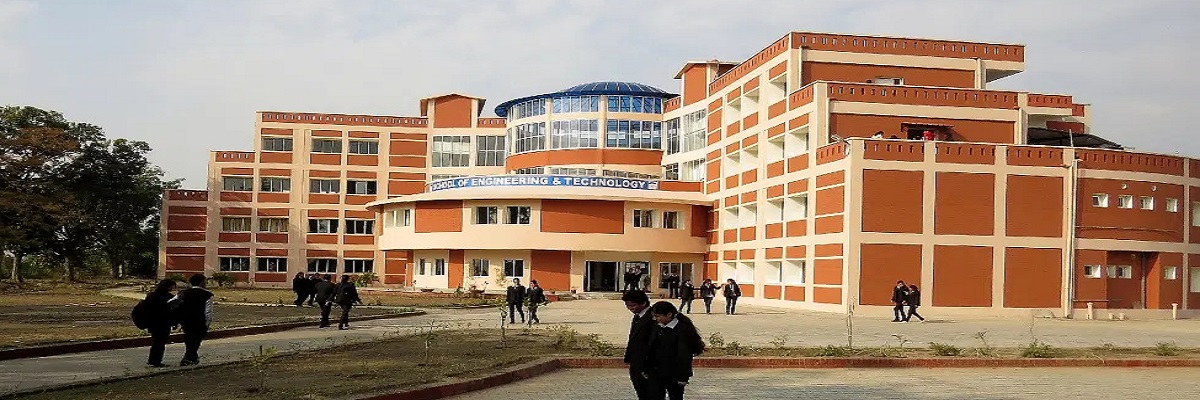
Introduction about Ph.D. From Himalayan University
Himalayan University, located in the scenic state of Arunachal Pradesh, has rapidly emerged as a hub of advanced learning and research in Northeast India. Renowned for its comprehensive curriculum and industry-aligned programs, the university offers a unique blend of traditional academic values and modern pedagogical methods. Among its many offerings, the Doctor of Philosophy (Ph.D.) program stands out for its emphasis on original research, interdisciplinary collaboration, and academic rigor.
Pursuing a Ph.D. at Himalayan University provides scholars with access to state-of-the-art facilities, expert faculty, and a diverse peer group. The program is structured to nurture critical thinking, innovative problem-solving, and professional ethics—key attributes for contributing groundbreaking ideas in any field. Whether you are interested in Management, Science, Humanities, Social Sciences, or any emerging discipline, the university’s broad spectrum of research areas ensures that you find a suitable niche to explore.
The serene environment of Arunachal Pradesh serves as an added advantage, offering a tranquil setting that fosters creativity and in-depth scholarly pursuits. Doctoral candidates benefit not only from modern laboratories and extensive libraries but also from the unique geographical and cultural context that the region provides. Research here often transcends conventional boundaries, integrating local knowledge systems, sustainability principles, and global best practices.
This blog post aims to guide prospective Ph.D. candidates through the critical aspects of pursuing a doctoral degree at Himalayan University. From understanding the fee structure and admission procedures to navigating document requirements and discovering the detailed syllabus, you will find all the essential information needed to make an informed decision. Additionally, we will delve into the university’s research methodology, highlights, scholarship opportunities, and potential career paths post-Ph.D., concluding with frequently asked questions to address common concerns. By the end, you should have a comprehensive overview of how a Ph.D. from Himalayan University can pave the way for a successful academic or professional journey.
Fee Structure for Ph.D. in Himalayan University
| Tuition Fee Per Year | Registration | Total Fee |
|---|---|---|
| INR 70,000 | INR 5,000 | INR 75,000 |
Admission Process For Ph.D. in Himalayan University
Himalayan University follows a rigorous yet transparent admission process for its Ph.D. programs. Candidates are selected based on their academic credentials, research aptitude, and performance in relevant entrance tests. Below is a succinct outline of the steps involved:
- Official Notification: The university publishes an official notice regarding Ph.D. admissions, detailing available seats, eligibility criteria, and important dates.
- Application Submission: Prospective scholars must fill out and submit the Ph.D. application form—either online or offline—along with the required fee and supporting documents.
- Entrance Examination: Eligible applicants are typically required to sit for an entrance test that evaluates subject knowledge, research aptitude, and analytical skills.
- Interview or Viva-Voce: Shortlisted candidates are invited for an interview or viva-voce, where they discuss their research proposals and academic objectives with a panel of faculty experts.
- Merit List & Offer Letter: Based on performance in the entrance exam and interview, the university releases a merit list. Successful candidates receive an official offer letter to join the Ph.D. program.
- Enrollment & Registration: Final admission is confirmed once the candidate pays the requisite fees and completes the enrollment formalities, including document verification.
Document Required For Ph.D. in Himalayan University
Ensuring that you have the correct documents ready can expedite your admission process and help avoid any last-minute complications. Below is a list of commonly required documents for the Ph.D. program at Himalayan University:
- Academic Certificates: Copies of Bachelor’s and Master’s degree certificates, along with mark sheets or transcripts.
- Proof of Date of Birth: Typically a Class 10th mark sheet or an official birth certificate.
- Entrance Exam Scorecard: If applicable, include the result of the university’s Ph.D. entrance exam or any recognized national-level test (e.g., UGC-NET).
- Research Proposal: A concise outline detailing your proposed research topic, objectives, and methodology.
- Identification Proof: A valid government-issued ID such as Aadhar Card, Passport, or Voter ID.
- Category Certificate (if applicable): SC/ST/OBC/EWS/PwD candidates must submit relevant certificates to claim reservation benefits.
- Migration Certificate: Required if your previous degree was obtained from a different institution.
- Passport-Sized Photographs: Recent photographs adhering to the specifications mentioned in the application guidelines.
Himalayan University Ph.D. Syllabus
| Course Module | Topics Covered |
|---|---|
| Research Methodology | Fundamentals of research design, quantitative and qualitative methods, data analysis, academic writing, and ethics |
| Core Subject Papers | Advanced theories, literature reviews, emerging trends, and critical analysis in the chosen discipline |
| Elective Papers | Specialized topics tailored to the candidate’s research interests, potentially interdisciplinary |
| Seminars & Workshops | Presentations, group discussions, and peer-review sessions aimed at refining research questions and methodologies |
| Pre-Thesis Submission | Draft thesis submission, feedback from doctoral committees, and final revisions before viva-voce |
Himalayan University Research Methodology
- Doctrinal & Empirical Research: Balancing traditional scholarly analysis with empirical data collection through surveys, interviews, or experiments.
- Quantitative & Qualitative Approaches: Employing statistical tools (SPSS, R) and thematic analysis for robust data interpretation.
- Interdisciplinary Focus: Encouraging collaborations between departments (e.g., Science, Management, Humanities) to tackle multifaceted research topics.
- Ethical Compliance: Ensuring responsible data handling, confidentiality, and adherence to academic integrity in all stages of research.
- Peer Review & Publication: Regularly presenting work in seminars and aiming for publication in reputable journals for broader scholarly impact.
- Digital Tools & Libraries: Leveraging modern software, online databases, and digital repositories to enhance research efficiency.
- Ongoing Evaluation: Periodic assessments by academic mentors and doctoral committees to maintain research quality and relevance.
Himalayan University Highlights
| Feature | Details |
|---|---|
| Location | Situated in Itanagar, Arunachal Pradesh, offering a scenic and peaceful academic setting |
| Academic Programs | Undergraduate, Postgraduate, and Doctoral courses in diverse fields like Management, Science, Arts, and more |
| Recognition | Recognized by UGC (University Grants Commission) and other statutory bodies |
| Infrastructure | Modern classrooms, advanced labs, digital libraries, and research centers |
| Faculty Expertise | Highly qualified and experienced faculty members from academic and industry backgrounds |
| Research Focus | Promotes interdisciplinary research, encouraging innovation and critical thinking |
| Collaborations | Partnerships with various organizations for research projects, internships, and placements |
| Student Support | Scholarships, counseling services, skill development workshops, and career guidance |
| Extra-Curricular | Clubs, sports, cultural fests, seminars, and conferences for holistic development |
| Alumni Network | A robust alumni community engaged in academia, industry, public service, and entrepreneurship |
How To Apply For Ph.D. in Himalayan University
- Check Eligibility: Verify you meet the minimum academic requirements, generally a Master’s degree in a relevant field with a certain percentage or CGPA.
- Obtain Application Form: Download the Ph.D. application form from the university’s official website or visit the admissions office in person.
- Fill Out the Form: Complete the form accurately, providing personal details, educational background, and research interests.
- Attach Required Documents: Gather all necessary documents like mark sheets, certificates, ID proof, research proposal, etc.
- Pay Application Fee: Submit the application fee through the designated mode (online payment, bank draft, etc.). Keep the receipt for reference.
- Submit Application: Send your application and supporting documents to the university’s admissions office or upload them online, if applicable.
- Entrance Exam Preparation: If required, prepare thoroughly for the Ph.D. entrance exam focusing on research aptitude, subject knowledge, and analytical skills.
- Attend Entrance Exam & Interview: Appear for the exam on the scheduled date. If shortlisted, attend the interview or viva-voce to discuss your research plan.
- Check Merit List & Admission Offer: Monitor the university website for merit list announcements. Successful candidates receive an official admission offer.
- Enrollment & Registration: Pay the required fees, submit original documents for verification, and register for the Ph.D. program to commence your doctoral studies.
- Begin Research: Collaborate with your assigned supervisor, refine your research proposal, and start your journey as a Ph.D. scholar at Himalayan University.
Courses After Ph.D. in Himalayan University
- Post-Doctoral Fellowships: Advanced research positions, often funded by government or private grants, for deeper specialization.
- Professional Certifications: Short-term courses to enhance specific skills like data analytics, research methodology, or academic leadership.
- Management Programs: Diplomas or MBAs focusing on strategic leadership, project management, or organizational development.
- Academic Training: Workshops or certification programs aimed at honing teaching methodologies for aspiring academicians.
- Interdisciplinary Courses: Further study in allied fields like policy analysis, international relations, or technology for broader career opportunities.
Himalayan University Scholarship
Undertaking a Ph.D. can be a long and demanding endeavor, both academically and financially. Recognizing these challenges, Himalayan University offers various scholarship schemes and financial aid programs to deserving candidates. These scholarships are designed to ease the burden of tuition fees, research expenses, and related academic costs, enabling scholars to fully concentrate on their research pursuits. Merit-based scholarships are a prominent feature, awarded to students who have consistently excelled in their prior academic endeavors. Some of these scholarships may also require a continued demonstration of excellence, such as maintaining a particular Grade Point Average (GPA) or actively participating in university-led research initiatives.
Additionally, the university encourages students from diverse socio-economic backgrounds to apply for need-based financial assistance. These forms of aid typically require the submission of relevant financial documents to ascertain eligibility. Scholars are further encouraged to explore external funding opportunities, such as government fellowships (UGC-NET JRF, CSIR-NET) or grants from private foundations, which can significantly bolster a researcher’s financial standing. This multi-layered approach ensures that deserving candidates, regardless of their financial constraints, have a fair chance to excel in their doctoral pursuits.
For students interested in gaining practical experience alongside financial support, Himalayan University may also offer teaching or research assistantships. These roles not only provide a stipend but also offer valuable exposure to academic teaching, laboratory work, or field research, thereby enhancing a scholar’s overall skill set. By facilitating these scholarship programs, Himalayan University aims to foster a culture of academic excellence and inclusivity, ensuring that every deserving candidate has the resources to reach their full potential.
- Merit-Based Scholarships: Awarded to candidates demonstrating high academic performance.
- Need-Based Financial Aid: Aimed at students facing economic constraints, subject to verification of financial documents.
- Government Fellowships: Options like UGC-NET JRF, CSIR, or other grants that provide stipends and contingency funds.
- Assistantships: Teaching or research roles that offer stipends and practical experience in academia or lab settings.
Himalayan University FAQ's Regarding Ph.D.
- Q1: What is the minimum eligibility for a Ph.D. at Himalayan University?
A1: Candidates typically need a Master’s degree in a relevant field with at least 55% marks or an equivalent CGPA, as per university norms. - Q2: Is there an entrance exam for Ph.D. admissions?
A2: Yes, the university usually conducts a Ph.D. entrance exam. Candidates with national-level qualifications like UGC-NET may receive exemptions. - Q3: Can working professionals apply for a part-time Ph.D.?
A3: Some departments offer part-time or external Ph.D. programs. Applicants should confirm with the specific department or consult the official guidelines. - Q4: What is the typical duration of the Ph.D. program?
A4: A Ph.D. usually takes three to five years to complete, depending on the research scope and timely thesis submission. - Q5: Do I need to publish research papers during my Ph.D.?
A5: While not always mandatory, publishing in reputed journals is strongly encouraged and may be required by some departments. - Q6: Are there hostel facilities for Ph.D. scholars?
A6: Yes, limited hostel accommodations are available. Scholars should apply early as allotment is often on a first-come, first-served basis. - Q7: How do I stay updated about admission notifications?
A7: Regularly check the official university website and social media pages, and subscribe to newsletters if available. - Q8: Can international students apply for the Ph.D. program?
A8: Absolutely. International applicants must meet the eligibility criteria and secure the necessary student visa and related documentation. - Q9: Is financial assistance available for research-related expenses?
A9: Yes, scholars can explore university scholarships, government fellowships, and external grants to cover various research costs. - Q10: What career opportunities are available after completing a Ph.D.?
A10: Ph.D. holders can pursue academic careers, research positions in public or private sectors, consultancy, policy-making roles, or entrepreneurial ventures.
How Shiksha Hub helps you in
-
 Student Counsellors
 -
 Career Counseling
 -
 Research
 -
 24/7 Support
 -
 Scholarships
 -
 Community