Posted by Admin on 28-02-2025 in Shiksha hub
Ph.D. From Indian Veterinary Research Institute : Introduction, Fee Structure, Admission Process, Documents, Syllabus, Research Methodology, University Highlights, Scholarship, FAQs
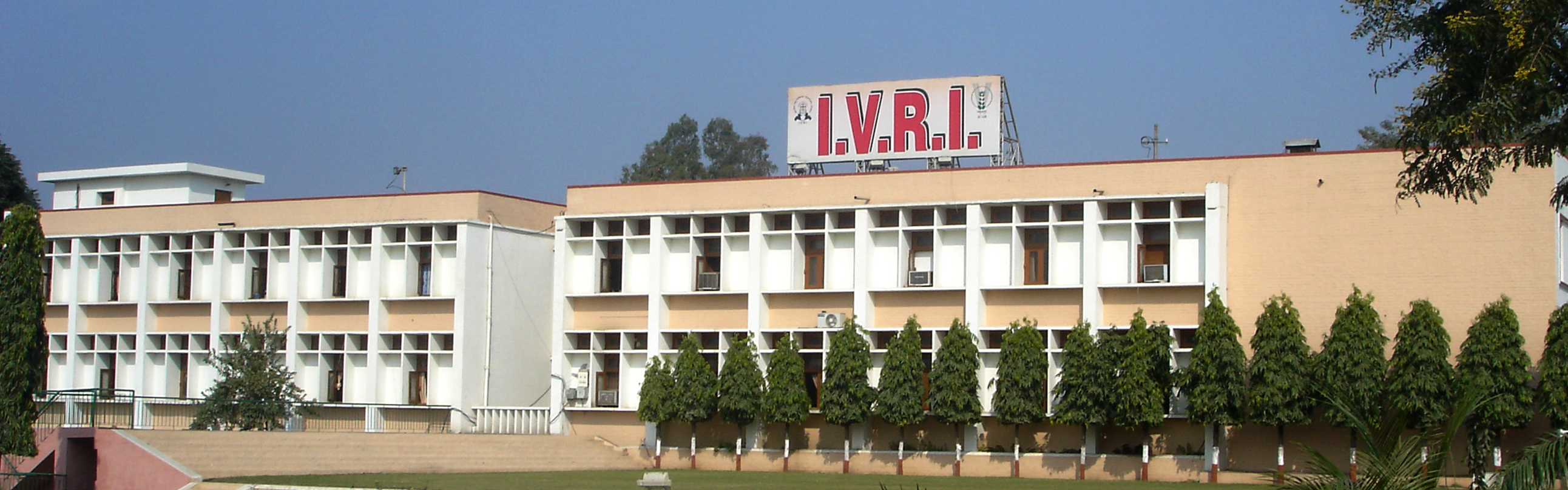
Introduction about Ph.D. From Indian Veterinary Research Institute
The Indian Veterinary Research Institute (IVRI), located in Izatnagar, Uttar Pradesh, is one of the premier institutions in India dedicated to advanced research and education in veterinary sciences. Established in 1889, IVRI has played a pivotal role in shaping the country’s livestock and animal health sectors by producing world-class research, innovative technologies, and skilled veterinary professionals. Pursuing a Ph.D. at IVRI offers candidates a unique blend of rigorous academic training and practical exposure, thanks to the institute’s well-equipped laboratories, specialized research facilities, and extensive field programs.
The doctoral program at IVRI spans a wide range of specializations—from animal genetics, pathology, and virology to immunology, biotechnology, and livestock production management. Students benefit from an interdisciplinary approach that encourages collaboration among various departments and research divisions. This integrative methodology enables scholars to tackle complex challenges such as disease control, genetic improvement, and sustainable livestock management, which have direct implications for national food security and public health.
Beyond academics, IVRI fosters a vibrant research culture marked by frequent workshops, seminars, and international collaborations. Doctoral candidates have opportunities to present their findings at national and global forums, enhancing their professional network and staying abreast of cutting-edge developments in veterinary science. The institute also maintains close ties with government agencies, industry partners, and international organizations, ensuring that doctoral research remains highly relevant and impactful.
Whether you aim to become a research scientist, an academician, or a policy advisor, a Ph.D. from the Indian Veterinary Research Institute equips you with the scientific rigor, practical skills, and global perspective necessary to excel. The program’s emphasis on innovation, ethical research, and real-world applications ensures that graduates are well-prepared to contribute to animal health, livestock productivity, and overall societal welfare. If you are passionate about advancing veterinary sciences and making a tangible difference in animal and human communities, IVRI stands out as a leading destination for doctoral studies.
Fee Structure for Ph.D. in Indian Veterinary Research Institute
| Fee Components | Tuition Fee Per Year | Registration | Total Fee |
|---|---|---|---|
| Indian Students | INR 25,000 | INR 5,000 | Approx. INR 80,000 (for 3 years) |
| International Students | USD 600 | USD 100 | Approx. USD 1,900 (for 3 years) |
Admission Process For Ph.D. in Indian Veterinary Research Institute
Securing admission to the Ph.D. program at IVRI involves a series of steps aimed at evaluating your academic credentials, research interests, and commitment to veterinary science. Below is an outline of the process:
- Eligibility: Applicants should hold a Master’s degree (M.V.Sc. or equivalent) in a relevant discipline with the required minimum percentage or CGPA.
- Application Form: Complete the online or offline application form, providing personal, academic, and professional details.
- Entrance Examination: Appear for the IVRI Ph.D. entrance test or submit valid scores from recognized national-level exams like ICAR AICE-JRF/SRF (PGS) if applicable.
- Shortlisting: The institute shortlists candidates based on their academic record, entrance exam performance, and alignment with IVRI’s research priorities.
- Interview: Shortlisted applicants may be invited for a personal interview, where they discuss their research proposal or area of interest.
- Final Selection: A merit list is published, and successful candidates receive an offer letter specifying the program details and enrollment deadlines.
- Registration & Fee Payment: Admitted students must pay the registration fee and complete other formalities within the stipulated timeframe.
Document Required For Ph.D. in Indian Veterinary Research Institute
Gathering the necessary documents is crucial to ensure a smooth admission process. Here is a checklist of what you typically need:
- Completed Application Form (online or offline)
- Academic Transcripts (Bachelor’s and Master’s degrees)
- Proof of Date of Birth (Birth Certificate or Secondary School Certificate)
- Photo Identification (Passport, Aadhaar Card, etc.)
- Entrance Exam Scorecard (IVRI Entrance Test or equivalent national-level exam)
- Statement of Purpose (SOP) or Research Proposal
- Updated Curriculum Vitae (CV) or Resume
- Letters of Recommendation (academic or professional)
- Passport-Sized Photographs
- Work Experience Certificates (if applicable)
Indian Veterinary Research Institute Ph.D. Syllabus
| Semester/Phase | Key Subjects/Modules |
|---|---|
| Pre-Ph.D. Course Work (Semester 1) |
|
| Pre-Ph.D. Course Work (Semester 2) |
|
| Research Phase (Year 2 & 3) |
|
| Thesis Submission & Viva (Year 3 or 4) |
|
Indian Veterinary Research Institute Research Methodology
- Field-Based Research: Emphasizes real-world data collection from livestock farms, rural areas, and veterinary clinics.
- Laboratory & Clinical Work: Utilizes advanced diagnostic tools, molecular techniques, and biotechnology approaches.
- Interdisciplinary Collaboration: Encourages joint projects with agronomists, epidemiologists, and policy experts.
- Technology Integration: Uses software for statistical analysis (SPSS, R), bioinformatics, and data management.
- Ethical Standards: Strict adherence to animal welfare guidelines and research ethics.
- Publication & Dissemination: Focuses on publishing in peer-reviewed journals and presenting at conferences.
Indian Veterinary Research Institute Highlights
| Particulars | Details |
|---|---|
| Established | 1889 |
| Location | Izatnagar, Bareilly, Uttar Pradesh, India |
| Recognition | Deemed University Status (by UGC), ICAR Accredited |
| Programs Offered | Undergraduate, Postgraduate, Ph.D. in Veterinary Sciences |
| Specializations | Animal Genetics, Pathology, Virology, Immunology, Livestock Production |
| Infrastructure | Advanced Labs, Animal Facilities, Library, Hostels |
| Faculty | Experts in Veterinary Medicine, Research Scientists, Industry Professionals |
| Collaborations | MoUs with National & International Research Institutes, Government Bodies |
| Research Focus | Animal Health, Disease Control, Genetic Improvement, Sustainable Livestock Management |
| Scholarships | Merit-based, Need-based, Research Grants |
| Student Support | Workshops, Seminars, Career Guidance, Placement Assistance |
How To Apply For Ph.D. in Indian Veterinary Research Institute
- Step 1 – Eligibility Verification: Check if you meet the required academic qualifications (M.V.Sc. or equivalent) and minimum marks.
- Step 2 – Collect Documents: Gather academic transcripts, ID proof, recommendation letters, and research proposal.
- Step 3 – Fill Application Form: Complete the online or offline form available on the IVRI website.
- Step 4 – Pay Application Fee: Submit the fee via net banking, credit/debit card, or demand draft.
- Step 5 – Entrance Exam: Appear for the IVRI Ph.D. Entrance Test or submit valid ICAR AICE-JRF/SRF (PGS) scores.
- Step 6 – Shortlisting: Candidates are shortlisted based on academic records, exam scores, and research interests.
- Step 7 – Interview: Attend a personal interview or proposal presentation session.
- Step 8 – Final Selection: The institute publishes a merit list, and successful candidates receive an offer letter.
- Step 9 – Fee Payment & Registration: Pay the registration fee and finalize admission within the given deadline.
- Step 10 – Commence Research: Begin your Pre-Ph.D. coursework and engage with your assigned research supervisor.
Courses After Ph.D. in Indian Veterinary Research Institute
- Post-Doctoral Fellowships in Advanced Veterinary Research
- Specialized Certificate Courses in Animal Biotechnology, Veterinary Epidemiology
- Management Programs in Agri-Business and Livestock Management
- Faculty Development Workshops and Training Programs
- Research Collaborations with National and International Organizations
Indian Veterinary Research Institute Scholarship
IVRI is deeply committed to supporting the academic and research aspirations of its doctoral candidates. Recognizing that financial constraints can sometimes impede the pursuit of higher education, the institute offers a range of scholarships and funding options. These initiatives aim to create an inclusive environment where talented researchers can thrive, regardless of their financial background. By investing in scholarship programs, IVRI not only promotes academic excellence but also fosters groundbreaking research that advances veterinary science and contributes to societal well-being.
Several categories of scholarships are available at IVRI. Merit-based scholarships reward students who have consistently demonstrated high academic performance and a strong commitment to research. Need-based scholarships, on the other hand, ensure that deserving candidates facing financial hardships are not deprived of quality education. Additionally, project-specific grants are often made available for those working on focused research projects, typically in collaboration with industry partners, government agencies, or international bodies. These grants not only provide monetary assistance but also offer invaluable industry exposure, networking opportunities, and practical experience in tackling real-world challenges.
Beyond institutional scholarships, IVRI encourages its Ph.D. scholars to seek external funding options, such as government fellowships, ICAR grants, and sponsorships from NGOs or corporate entities. The institute’s administrative staff and faculty mentors guide students through the application process, ensuring they meet eligibility criteria and prepare compelling research proposals. By offering a variety of funding avenues, IVRI aims to create a supportive ecosystem that empowers every dedicated researcher to excel. Ultimately, these scholarship programs not only alleviate financial burdens but also reinforce IVRI’s mission of nurturing innovative leaders in veterinary science who can drive positive change in animal health, agriculture, and beyond.
- Merit-Based Scholarships: Awarded to students with exemplary academic records.
- Need-Based Scholarships: Financial assistance for economically challenged candidates.
- Project-Specific Grants: Funded by industry or government agencies for specialized research.
- External Fellowships: Encouraged to widen the scope of research funding and collaborations.
Indian Veterinary Research Institute FAQ's Regarding Ph.D.
- Q1: What is the typical duration of the Ph.D. program at IVRI?
Answer: Generally, it ranges from three to five years, depending on your research progress and timely submission of the thesis. - Q2: Can I apply without an M.V.Sc. degree?
Answer: Most Ph.D. specializations require an M.V.Sc. or equivalent degree. Some interdisciplinary areas may accept other relevant master’s qualifications, but it’s best to confirm with the admissions office. - Q3: Does IVRI offer part-time Ph.D. options?
Answer: The institute primarily focuses on full-time doctoral programs. Part-time enrollment may be considered in exceptional cases, subject to approval. - Q4: Are international students eligible for scholarships?
Answer: Yes, international candidates can apply for institutional scholarships, though specific criteria may vary. External funding options may also be explored. - Q5: What are the career prospects after completing a Ph.D. from IVRI?
Answer: Graduates often move into academia, government research agencies, private sector R&D, NGOs, and international organizations focusing on animal health and livestock management. - Q6: Is publishing research papers mandatory during the Ph.D.?
Answer: While not always strictly mandatory, publishing in peer-reviewed journals is strongly encouraged to enhance your academic profile and contribute to the field. - Q7: Can I change my research topic mid-way through the program?
Answer: Significant changes require approval from your research supervisor and the doctoral committee, and may extend your overall study duration. - Q8: Does IVRI provide hostel accommodation for Ph.D. scholars?
Answer: Yes, on-campus hostel facilities are typically available, subject to availability and certain eligibility criteria. - Q9: Are there opportunities for collaborative research with other institutions?
Answer: Absolutely. IVRI maintains MoUs with various national and international bodies, allowing for collaborative projects and joint research initiatives. - Q10: How often are progress reviews conducted?
Answer: Generally, scholars are required to submit progress reports or present findings every six months to a year, depending on the department’s guidelines.
How Shiksha Hub helps you in
-
 Student Counsellors
 -
 Career Counseling
 -
 Research
 -
 24/7 Support
 -
 Scholarships
 -
 Community