Posted by Admin on 26-10-2022 in Shiksha hub
Ph.D In Geo Informatics, Introduction, Admission Registration, Eligibility, Duration, Fees, Syllabus 2024
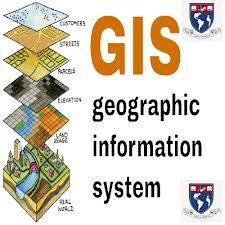
Introduction about Ph.D In Geo Informatics
A Ph.D. in GeoInformatics, often referred to as Geographic Information Science (GIScience) or simply GeoPh.D., is an advanced doctoral program that focuses on the study of geographical data, spatial analysis, and the utilization of geospatial technologies to solve complex problems related to the Earth's surface and its various phenomena. GeoInformatics combines elements of geography, information technology, and data science to explore and harness the power of spatial information.
In this program, students delve into the theory and application of Geographic Information Systems (GIS), remote sensing, cartography, geospatial analysis, and related fields. They develop expertise in collecting, managing, analyzing, and visualizing geospatial data to make informed decisions across various domains, including environmental science, urban planning, disaster management, agriculture, transportation, and more.
A Ph.D. in GeoInformatics equips graduates with the skills and knowledge to address real-world challenges by leveraging spatial data and technology. Through original research and academic rigor, students contribute to the advancement of geospatial science, making meaningful contributions to the understanding and sustainable management of our planet. This doctoral program offers a pathway for those who are passionate about spatial analysis and aspire to be at the forefront of innovation in the field of GeoInformatics.
How can I apply for admission to PH.D IN GEO INFORMATICS Program
To apply for admission to a Ph.D. in GeoInformatics program, you'll need to follow a series of steps, which can vary slightly depending on the university and program. Here's a general guide on how to apply:
Research and Choose Programs: Start by researching universities and Ph.D. programs in GeoInformatics that align with your research interests. Look for programs with faculty members conducting research in areas that interest you.
Meet Admission Requirements: Review the admission requirements for each program. Typically, you'll need a relevant master's degree, such as in geography, geospatial science, or a related field. Some programs may consider applicants with a bachelor's degree in exceptional cases.
Prepare Application Documents:
Curriculum Vitae (CV): Create a comprehensive CV that highlights your educational and research background.
Statement of Purpose: Write a clear and concise statement outlining your research interests, goals, and reasons for pursuing a Ph.D. in GeoInformatics.
Letters of Recommendation: Request letters from professors or professionals who can speak to your academic and research abilities.
Transcripts: Provide official transcripts from all previous academic institutions.
GRE Scores: Some programs may require GRE (Graduate Record Examination) scores, so check the specific requirements of the programs you're applying to.
TOEFL/IELTS Scores: If you're an international student and English is not your native language, you may need to provide English proficiency test scores.
Contact Potential Advisors: Reach out to faculty members whose research aligns with your interests. Discuss your research goals and inquire about potential Ph.D. supervision.
Complete Online Applications: Visit the websites of the universities and programs you're interested in and complete the online application forms. Pay attention to application deadlines, as they can vary.
Pay Application Fees: Pay the application fees for each program you're applying to.
Submit Application Materials: Upload or send all required documents, including your transcripts, CV, statement of purpose, letters of recommendation, and test scores, through the university's application portal.
Interviews: Some programs may require interviews as part of the application process. Be prepared to discuss your research interests and goals.
Wait for Admission Decisions: After submitting your applications, you'll need to wait for admission decisions. This process may take several weeks to a few months.
Acceptance and Enrollment: If you receive admission offers, carefully review them and decide which program to attend. Follow the enrollment instructions provided by the university.
Secure Funding: Explore funding options, such as scholarships, assistantships, or research grants, to support your Ph.D. studies.
Begin Your Ph.D. Journey: Once enrolled, you can start your Ph.D. studies, work on your research, and collaborate with faculty and fellow researchers in the field of GeoInformatics.
It's essential to thoroughly research and prepare your application to increase your chances of being accepted into the Ph.D. program of your choice. Additionally, staying in contact with potential advisors can be valuable in securing a research mentor for your doctoral journey.
What is the eligibility forPH.D IN GEO INFORMATICS
The eligibility criteria for a Ph.D. in GeoInformatics may vary depending on the university and specific program. However, here are the general eligibility requirements commonly associated with pursuing a Ph.D. in GeoInformatics:
Educational Background:
You typically need a relevant master's degree, such as a Master of Science (M.Sc.) or Master of Technology (M.Tech) in GeoInformatics, Geography, Geospatial Science, Geoinformatics, Remote Sensing, GIS, or a closely related field. Some programs may consider applicants with exceptional academic backgrounds even if their master's degree is not directly in GeoInformatics.
Academic Record:
A strong academic record in your previous studies, including both undergraduate and master's degrees, is usually required. Programs often have a minimum GPA or equivalent academic performance criteria.
Research Interests:
You should have a clear research focus or area of interest related to GeoInformatics. Your research goals and interests should align with the expertise of faculty members within the program.
Letters of Recommendation:
Typically, you'll need to provide letters of recommendation from professors or professionals who can assess your academic and research potential. These letters should support your ability to conduct advanced research in GeoInformatics.
Statement of Purpose (SOP):
Most Ph.D. programs require a well-written statement of purpose that outlines your research interests, career goals, and reasons for pursuing a Ph.D. in GeoInformatics.
Standardized Test Scores (GRE):
Some universities may require GRE (Graduate Record Examination) scores, particularly for international applicants. Check the specific requirements of the programs you're interested in.
English Language Proficiency:
For international applicants from non-English-speaking countries, proof of English language proficiency through standardized tests like TOEFL or IELTS is often required.
Interviews:
Some programs may conduct interviews as part of the selection process. This interview can provide an opportunity for you to discuss your research interests and goals.
Relevant Experience:
While not always mandatory, relevant work or research experience in the field of GeoInformatics or related areas can be beneficial and may strengthen your application.
It's crucial to review the specific admission requirements of the Ph.D. programs you are interested in, as these requirements can vary from one institution to another. Additionally, it's advisable to contact potential advisors and faculty members in the program to discuss your eligibility and research interests before applying.
How long does it takes to complete a PH.D IN GEO INFORMATICS program
The duration of a Ph.D. in GeoInformatics program can vary, but it typically takes approximately 3 to 5 years to complete. The time required to earn your Ph.D. in GeoInformatics depends on several factors:
Program Structure: The specific structure and requirements of the Ph.D. program, such as coursework, qualifying exams, and research milestones, can affect the overall duration.
Research Complexity: The complexity and scope of your research project or dissertation can significantly impact the time it takes to complete your Ph.D. A more extensive and intricate research topic may require additional time.
Research Progress: Your ability to make consistent progress on your research, meet project milestones, and gather relevant data can influence the program's duration.
Part-Time vs. Full-Time: Some students pursue their Ph.D. on a part-time basis while working or fulfilling other commitments. Part-time study typically takes longer than full-time study.
Academic Background: Your prior academic background and level of preparation can influence the time needed to complete required coursework.
Adviser and Committee: The guidance and support of your research adviser and dissertation committee can impact the efficiency of your research progress.
Publication and Presentation Requirements: Some programs require Ph.D. candidates to publish their research in academic journals or present findings at conferences before completing the program. These additional steps can extend the timeline.
Qualifying Examinations: Depending on the program, you may need to pass qualifying examinations, which may add to the program's duration.
It's important to discuss the expected duration of your Ph.D. with your academic adviser and program coordinator. They can provide guidance on program-specific timelines and milestones, ensuring you have a clear understanding of the time commitment required to earn your Ph.D. in GeoInformatics.
What are potential career opportunities after PH.D IN GEO INFORMATICS
A Ph.D. in GeoInformatics opens up a wide range of career opportunities in both academia and various sectors of industry and government. Graduates with a Ph.D. in GeoInformatics are equipped with advanced knowledge and expertise in the field of geospatial data analysis, spatial modeling, and geographic information systems (GIS), making them valuable assets in multiple career paths. Here are some potential career opportunities:
Academic Research and Teaching: Many Ph.D. graduates choose to pursue careers as university professors or researchers, conducting cutting-edge research, publishing in academic journals, and teaching geospatial courses to the next generation of geospatial professionals.
Research and Development (R&D): Ph.D. holders often work in research and development roles in both private and public sectors. They can lead R&D projects, develop innovative geospatial technologies, and contribute to advancements in the field.
Government Agencies: GeoInformatics professionals find opportunities in government agencies, such as environmental protection, urban planning, transportation, and disaster management. They help in spatial data analysis, policy development, and infrastructure planning.
Environmental and Natural Resource Management: Graduates can contribute to environmental conservation and resource management by working in positions related to land use planning, ecological monitoring, and sustainable resource management.
Urban and Regional Planning: GeoInformatics experts play a critical role in urban planning, helping cities and regions optimize their land use, transportation systems, and infrastructure development.
GIS Analysts and Specialists: Graduates can work as GIS analysts or specialists in various industries, including agriculture, forestry, healthcare, real estate, and more. They manage and analyze geospatial data to support decision-making processes.
Consulting Firms: Many consulting firms hire GeoInformatics professionals to provide expertise in spatial analysis, geospatial technology integration, and data-driven solutions for clients across diverse sectors.
Nonprofit and Environmental Organizations: Graduates can work for organizations focused on environmental conservation, disaster response, or social impact, using geospatial tools to address global challenges.
Geospatial Startups: With their advanced skills, Ph.D. holders can embark on entrepreneurial journeys by founding or joining geospatial technology startups, which are at the forefront of innovation in the industry.
Data Science and Big Data Analysis: The skills acquired during a Ph.D. program are highly transferable to data science and big data analysis positions, where graduates can work with large datasets and advanced analytics.
International Organizations: GeoInformatics professionals may find opportunities with international organizations like the United Nations, where they contribute to global efforts in disaster management, sustainable development, and environmental protection.
Remote Sensing Specialists: For those with expertise in remote sensing, careers as remote sensing specialists in agriculture, environmental monitoring, or natural disaster assessment are common.
The career opportunities for Ph.D. holders in GeoInformatics are diverse and continue to expand as the world becomes increasingly reliant on geospatial data and technology. Graduates play a pivotal role in solving complex spatial challenges and making informed decisions in a wide array of domains.
Syllabus
The syllabus for a Ph.D. in GeoInformatics can vary from one university or program to another. However, I can provide you with a general outline of the topics and areas of study that you might encounter during your Ph.D. program, typically divided into semesters or years:
First Year:
Semester 1:
Research Methodology:
Research design and methods
Data collection and analysis
Scientific writing and communication
Advanced Geospatial Analysis:
Spatial statistics
Geostatistics
Spatial modeling
Geospatial Data Management:
Database design and management
Data integration and interoperability
Big data in geospatial science
Semester 2:
Specialized Elective Course 1:
Choose an elective related to your research interests (e.g., remote sensing, urban planning, environmental modeling).
Proposal Development:
Developing your research proposal and identifying research questions
Advanced GIS and Remote Sensing:
Advanced GIS techniques
Image processing and analysis
Second Year:
Semester 3:
Specialized Elective Course 2:
Choose a second elective course related to your research area.
Qualifying Examinations:
Prepare for and take qualifying exams, which typically include both written and oral components.
Semester 4:
Research Progress:
Begin your research work, gather data, and work on your dissertation.
Advanced GeoInformatics Applications:
Advanced applications of geospatial technology, such as geospatial web services and mobile GIS.
Third Year and Beyond:
Semester 5 and Beyond:
Dissertation Research:
Focus on your dissertation research, data analysis, and interpretation.
Conference and Publication:
Present your research at conferences and work on publishing your findings in academic journals.
Dissertation Writing:
Write and defend your dissertation.
Graduation:
Submit your dissertation and complete the oral defense to graduate with a Ph.D. in GeoInformatics.
Please note that this is a general guideline, and the specific courses and requirements can vary by university and program. Additionally, Ph.D. programs often allow for flexibility to tailor the curriculum to your research interests and goals, with a strong emphasis on original research and contribution to the field of GeoInformatics. It's important to check with your chosen university for their program-specific curriculum and requirements.
Internship opportunities after completing PH.D IN GEO INFORMATICS
While internships are more commonly associated with undergraduate and master's level programs, there are still various opportunities for Ph.D. holders in GeoInformatics to gain practical experience and collaborate with organizations in research and development. Here are some potential internship and post-Ph.D. career opportunities:
Postdoctoral Research: Many Ph.D. graduates pursue postdoctoral research positions. These appointments allow you to work on cutting-edge research projects, publish your findings, and further develop your expertise. Postdocs are common in academia and research institutions.
Research Fellowships: Research fellowships, often offered by universities, research centers, and government agencies, provide a platform for conducting research and contributing to academic or applied projects in GeoInformatics.
Government Agencies: Federal, state, and local government agencies often hire experts in GeoInformatics for temporary or contract-based positions. You can contribute to projects related to land use, environmental protection, disaster management, and urban planning.
Nonprofit and Environmental Organizations: Organizations focused on environmental conservation, disaster response, and social impact frequently hire GeoInformatics professionals for research and development roles, including internships.
Geospatial Startups: GeoInformatics Ph.D. holders can collaborate with geospatial technology startups or launch their own ventures, gaining practical experience in entrepreneurship, technology development, and market research.
Consulting Firms: Consulting firms specializing in geospatial analysis and technology integration may offer internship opportunities where you can work on projects for a diverse client base.
Academic Collaboration: If you are interested in teaching and research, you can collaborate with universities and institutions as a visiting lecturer, guest researcher, or adjunct faculty member. These positions often include opportunities for research collaboration and can serve as a bridge to academic positions.
International Organizations: International organizations such as the United Nations, World Bank, and various United Nations agencies frequently hire GeoInformatics professionals for project-based assignments and internships related to sustainable development and global challenges.
Industry Collaborations: Partnering with private sector companies that specialize in geospatial technology, such as those in the agriculture, transportation, or real estate sectors, can provide opportunities for applied research and development.
Environmental Monitoring: Opportunities exist with organizations focused on environmental monitoring, where you can contribute to projects related to climate change, wildlife conservation, and habitat protection.
Geospatial Research Institutes: Some countries have dedicated geospatial research institutes that offer research opportunities, internships, and collaborative projects in the field of GeoInformatics.
While formal internships for Ph.D. holders may be less common, there are abundant opportunities for you to engage in meaningful research, development, and applications in GeoInformatics. These experiences can enhance your career prospects, expand your professional network, and contribute to the advancement of the field. It's advisable to actively seek out opportunities through networking, academic collaborations, and by exploring positions that match your expertise and interests.
Scholorship and grants for PH.D IN GEO INFORMATICS
Ph.D. programs in GeoInformatics often offer various scholarship and grant opportunities to support students in their academic and research endeavors. Additionally, external organizations, government agencies, and research institutions also provide funding for graduate students pursuing a Ph.D. in GeoInformatics. Here are some scholarship and grant options to consider:
University Scholarships and Fellowships:
Many universities offer internal scholarships and fellowships to Ph.D. students based on academic merit, research potential, or financial need. These awards may cover tuition, stipends, and research expenses.
Research Assistantships (RAs) and Teaching Assistantships (TAs):
Ph.D. students can often secure paid positions as research assistants or teaching assistants within their department or university. These roles provide financial support while allowing you to gain valuable experience.
External Grants and Scholarships:
Various organizations and agencies offer external funding opportunities for GeoInformatics students. Some well-known sources include the National Aeronautics and Space Administration (NASA), the National Science Foundation (NSF), the U.S. Geological Survey (USGS), and the Environmental Protection Agency (EPA).
Geospatial Industry Scholarships:
Companies and industry associations in the geospatial technology sector, such as Esri and the American Association of Geographers (AAG), may offer scholarships and grants to students pursuing GeoInformatics studies.
Government Fellowships:
Government agencies, such as the U.S. Department of Defense (DoD) and the U.S. Department of Energy (DoE), may offer fellowships and grants for research in areas of strategic interest, including geospatial technologies.
International Scholarships:
If you're an international student, there are numerous scholarship programs offered by governments, universities, and organizations to support your Ph.D. studies in GeoInformatics. Examples include the Fulbright Program and the Erasmus Mundus Joint Doctorate scholarships.
Geographic Information System (GIS) Scholarships:
Many GIS-related organizations and associations, like the Geospatial Information & Technology Association (GITA), provide scholarships specifically for students studying GIS and GeoInformatics.
Dissertation Grants:
Some organizations offer grants to Ph.D. candidates to support their dissertation research. These grants can cover research expenses, data collection, and analysis.
Professional Associations:
Joining professional associations like the American Society for Photogrammetry and Remote Sensing (ASPRS) or the Urban and Regional Information Systems Association (URISA) can provide access to scholarship opportunities and networking.
Regional Scholarships: - Some regions or countries offer scholarships and grants to students pursuing studies in GeoInformatics to promote the growth of the field. Check with local or regional organizations.
It's essential to research and apply for these funding opportunities well in advance of your Ph.D. program start date, as application deadlines and eligibility criteria can vary. Additionally, consult with your academic department, professors, and university's financial aid office for guidance on available scholarships and grants specific to your institution. Be proactive in seeking financial support to help fund your Ph.D. in GeoInformatics.
Conclusion PH.D IN GEO INFORMATICS
In conclusion, pursuing a Ph.D. in GeoInformatics is a path of intellectual and professional growth that can lead to exciting opportunities in the fields of geography, geospatial technology, and data science. Here are some key takeaways and considerations:
Advanced Expertise: A Ph.D. in GeoInformatics equips you with advanced knowledge and skills in spatial data analysis, geographic information systems, remote sensing, and spatial modeling.
Research Focus: The program centers around conducting original research, allowing you to make significant contributions to the field and address complex spatial challenges.
Diverse Career Opportunities: Graduates have a wide range of career options, including academia, government agencies, environmental organizations, industry, and startups.
Financial Support: Numerous scholarship and grant opportunities are available to support your studies and research endeavors.
Flexible Curriculum: Many programs offer flexibility to tailor your coursework and research to align with your specific interests and career goals.
Internship and Collaboration: While internships are less common at the Ph.D. level, you can still gain practical experience through postdoctoral positions, research fellowships, and collaborations with organizations.
Networking: Engaging with professionals, faculty, and fellow students can expand your network and open doors to research collaborations and career opportunities.
Global Relevance: GeoInformatics plays a vital role in addressing global challenges, making your work relevant and impactful on a global scale.
Continual Learning: A Ph.D. is a journey of lifelong learning, and your research can contribute to advancements in technology and science.
Persistence and Dedication: The path to a Ph.D. can be demanding, requiring dedication, time management, and perseverance.
Ultimately, a Ph.D. in GeoInformatics offers a platform for intellectual exploration, innovation, and contribution to the ever-evolving world of geospatial sciences. Whether your passion lies in research, teaching, or practical applications, this advanced degree can be a rewarding and intellectually fulfilling endeavor, allowing you to leave a lasting mark in the field of GeoInformatics.
FAQ On PH.D IN GEO INFORMATICS
Certainly! Here is a list of frequently asked questions (FAQ) about a Ph.D. in GeoInformatics, along with their answers:
What is GeoInformatics, and how does it differ from GIS?
GeoInformatics is a broader field that encompasses Geographic Information Systems (GIS). While GIS focuses on spatial data management and analysis, GeoInformatics integrates various spatial technologies, including remote sensing, spatial modeling, and geospatial data science, to address complex spatial challenges.
What are the typical admission requirements for a Ph.D. in GeoInformatics?
Admission requirements may vary, but they often include a master's degree in a related field, strong academic records, letters of recommendation, a research proposal, and, in some cases, standardized test scores (e.g., GRE). Proficiency in relevant software and programming languages can also be beneficial.
Can I pursue a Ph.D. in GeoInformatics with a non-geography background?
Yes, many Ph.D. programs welcome students from diverse academic backgrounds, including computer science, environmental science, engineering, and more. Prerequisite courses may be required to ensure you have foundational knowledge in GeoInformatics.
What is the typical duration of a Ph.D. in GeoInformatics program?
A Ph.D. in GeoInformatics can take approximately 3 to 5 years to complete, but the actual duration can vary based on research progress, program structure, and individual factors.
What career opportunities are available after earning a Ph.D. in GeoInformatics?
Graduates can pursue careers in academia, government agencies, environmental organizations, industry, consulting, and research institutions. Roles include research scientist, GIS analyst, professor, and data scientist, among others.
Are there internship opportunities during a Ph.D. in GeoInformatics?
While formal internships may be less common at the Ph.D. level, there are opportunities for research collaborations, postdoctoral positions, and research fellowships that provide practical experience.
What are some potential research areas within GeoInformatics?
Research areas can include spatial data analysis, remote sensing, land use planning, environmental modeling, disaster management, urban informatics, geospatial web services, and many other topics.
Are there financial aid options available for Ph.D. students in GeoInformatics?
Yes, students can access university scholarships, external grants, research assistantships, and teaching assistantships to support their Ph.D. studies.
What is the role of GeoInformatics in addressing global challenges?
GeoInformatics plays a crucial role in addressing global challenges such as climate change, disaster management, sustainable development, and environmental conservation by providing tools for data-driven decision-making and analysis.
How can I find the right Ph.D. program in GeoInformatics for me?
Research programs that align with your research interests and career goals, reach out to faculty members, and consider factors such as program structure, location, and available funding opportunities.
These FAQs provide an overview of important aspects of pursuing a Ph.D. in GeoInformatics. It's essential to conduct further research and consult with universities and programs to make informed decisions about your academic and research journey in this field.
How Shiksha Hub helps you in
-
 Student Counsellors
 -
 Career Counseling
 -
 Research
 -
 24/7 Support
 -
 Scholarships
 -
 Community