Posted by Admin on 30-09-2022 in Shiksha hub
Ph.D In Hydrology, Introduction, Admission, Registration, Eligibility, Duration, Fees, Syllabus 2024
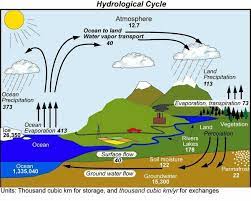
Introduction About Ph.D In Hydrology
Embarking On A Ph.D. In Hydrology Opens The Door To A Profound Exploration Of The Earth's Water Systems, Encompassing Rivers, Lakes, Groundwater, And The Intricate Dynamics Of Water Movement And Distribution. This Doctoral Journey Delves Into The Complexities Of Hydrological Processes, Aiming To Unravel The Mysteries Of Water Cycles, Resource Management, And Environmental Sustainability.
As A Hydrology Ph.D. Candidate, You Will Navigate The Intersection Of Various Scientific Disciplines, From Geology And Meteorology To Ecology And Engineering. This Interdisciplinary Approach Allows For A Comprehensive Understanding Of How Water Shapes Landscapes, Influences Ecosystems, And Plays A Pivotal Role In Addressing Contemporary Environmental Challenges.
Your Research Endeavors Will Likely Involve The Development And Application Of Advanced Models, Innovative Technologies, And Analytical Techniques To Assess And Predict Water-Related Phenomena. Whether Your Focus Is On Climate Change Impacts, Water Quality, Or Sustainable Water Resource Management, A Ph.D. In Hydrology Equips You To Contribute Valuable Insights And Solutions To Global Water Challenges.
Throughout This Academic Odyssey, You Will Collaborate With Experts In The Field, Engage In Fieldwork, And Contribute To The Evolving Body Of Knowledge That Informs Water-Related Policies, Conservation Efforts, And Sustainable Development Initiatives. A Ph.D. In Hydrology Is Not Just A Pursuit Of Academic Excellence; It Is A Commitment To Becoming A Steward Of One Of Our Planet's Most Vital Resources—Water.
How Can I Apply For Admission To Ph.D In Hydrology Program
Applying For Admission To A Ph.D. In Hydrology Program Involves A Series Of Steps To Demonstrate Your Academic Preparedness, Research Interests, And Suitability For The Program. Here's A General Guide:
Research Programs: Begin By Researching Universities Or Institutions Offering Ph.D. Programs In Hydrology. Identify Programs With Faculty Whose Expertise Aligns With Your Research Interests.
Contact Potential Advisors: Reach Out To Potential Advisors Within The Program. Introduce Yourself, Express Your Research Interests, And Inquire About Opportunities For Ph.D. Supervision. This Step Is Crucial For Finding A Mentor Aligned With Your Goals.
Prepare A Research Proposal: Develop A Detailed Research Proposal Outlining Your Research Questions, Objectives, Methodology, And The Significance Of Your Proposed Research. Highlight How Your Research Contributes To The Field Of Hydrology.
Academic Transcripts: Gather Copies Of Your Academic Transcripts, Showcasing Your Academic Achievements And Qualifications, Particularly In Relevant Fields Such As Hydrology, Environmental Science, Or Geosciences.
Letters Of Recommendation: Obtain Strong Letters Of Recommendation From Professors Or Professionals Who Can Attest To Your Academic Capabilities And The Feasibility Of Your Proposed Research.
Statement Of Purpose: Write A Compelling Statement Of Purpose That Outlines Your Academic Background, Research Interests, Motivation For Pursuing A Ph.D. In Hydrology, And How The Program Aligns With Your Career Goals.
Standardized Tests (If Required): Check If The Program Requires Standardized Tests Such As The Gre (Graduate Record Examination) Or Any Other Relevant Tests. Prepare And Take The Exams, Ensuring That Your Scores Meet The Program's Requirements.
Application Form: Complete The Online Application Form Through The University's Admissions Portal. Provide All Necessary Details And Upload Required Documents, Including Your Research Proposal, Academic Transcripts, Letters Of Recommendation, And Statement Of Purpose.
Application Fee: Pay The Application Fee As Required By The University.
Interview (If Required): Some Programs May Require An Interview As Part Of The Admission Process. Prepare For Potential Questions About Your Research Proposal, Academic Background, And Motivations For Pursuing A Ph.D.
Follow Up: After Submitting Your Application, Follow Up To Ensure That All Materials Have Been Received. Stay Informed About The Application Review Timeline And Be Prepared For Any Additional Requests From The Admissions Committee.
Remember To Tailor Your Application To Each Specific Program, Showcasing How Your Research Interests Align With The Expertise Of The Faculty And The Overall Goals Of The Ph.D. In Hydrology Program. Always Check The Specific Requirements Of Each University And Reach Out To Program Coordinators For The Most Accurate And Up-To-Date Information. Good Luck With Your Application!
What Is The Eligibility For Ph.D In Hydrology
The Eligibility Criteria For A Ph.D. In Hydrology May Vary Among Universities, But Here Are Common Requirements That Candidates Typically Need To Fulfill:
Master's Degree: Candidates Are Generally Required To Hold A Relevant Master's Degree In A Field Related To Hydrology, Environmental Science, Geosciences, Or A Closely Related Discipline. Some Programs May Consider Exceptional Candidates With A Strong Bachelor's Degree.
Academic Excellence: A Strong Academic Record Is Often A Key Criterion. Most Programs Have A Minimum Gpa Requirement For Admission.
Research Proposal: Candidates Are Usually Required To Submit A Well-Defined And Compelling Research Proposal. This Proposal Should Outline The Research Questions, Objectives, Methodology, And Potential Contributions To The Field Of Hydrology.
Letters Of Recommendation: Most Programs Require Letters Of Recommendation From Professors Or Professionals Who Can Attest To The Candidate's Academic Abilities, Research Potential, And Suitability For A Ph.D. Program In Hydrology.
Statement Of Purpose: A Detailed Statement Of Purpose Is Typically Required. This Document Should Articulate The Candidate's Academic Background, Research Interests, Motivations For Pursuing A Ph.D. In Hydrology, And How The Program Aligns With Their Career Goals.
Relevant Background: Candidates Should Have A Background In Disciplines Such As Hydrology, Environmental Science, Geosciences, Geography, Or A Related Field. Relevant Coursework Or Research Experience In Hydrological Topics Is Beneficial.
Standardized Tests (If Required): Some Programs May Require Standardized Test Scores, Such As The Gre (Graduate Record Examination). Check The Specific Requirements Of The Program And Ensure That You Meet Or Exceed The Minimum Scores.
Language Proficiency (If Applicable): International Candidates May Need To Demonstrate Proficiency In The Language Of Instruction (Usually English) By Providing Toefl Or Ielts Scores, Especially If Their Primary Language Is Not English.
Interview (If Required): Some Programs May Conduct Interviews As Part Of The Admission Process. This Allows The Admissions Committee To Assess The Candidate's Suitability For The Program And Discuss Their Research Interests.
It's Important For Prospective Candidates To Thoroughly Review The Specific Eligibility Criteria Of The Individual Universities Offering Ph.D. Programs In Hydrology, As Requirements May Vary. Always Reach Out To The Admissions Office Or Program Coordinator For The Most Accurate And Up-To-Date Information.
How Long Does It Takes To Complete A Ph.D In Hydrology Program
The Duration To Complete A Ph.D. In Hydrology Can Vary Based On Several Factors, Including The Specific Requirements Of The Program, The Nature Of The Research, And The Individual Progress Of The Candidate. On Average, Candidates Can Expect To Spend Approximately 4 To 6 Years To Complete The Program.
Here's A General Breakdown Of The Potential Timeline:
Coursework (1-2 Years): In The Initial Phase, Candidates May Engage In Coursework To Build A Strong Foundation In Hydrology, Research Methodologies, And Any Other Relevant Disciplines. The Duration Of This Phase Can Vary, But It Typically Takes Around 1 To 2 Years.
Comprehensive Exams (Varies): Some Programs May Include Comprehensive Exams To Assess The Candidate's Mastery Of Hydrological Concepts And Related Fields. The Timeline For This Stage Can Vary.
Research Proposal And Design (1-2 Years): Candidates Typically Spend Time Refining Their Research Proposal, Working Closely With Advisors To Outline The Research Questions, Objectives, And Methodology. This Phase May Involve A Literature Review And The Development Of A Comprehensive Research Plan.
Dissertation Research And Writing (2-4 Years): The Most Substantial Portion Of The Program Is Dedicated To Conducting Original Research And Writing The Dissertation. The Duration Can Vary Based On The Complexity Of The Research, Data Collection, And The Candidate's Progress.
Defense And Graduation: After Completing The Dissertation, Candidates Defend Their Research In Front Of A Committee. Successful Defense Leads To The Awarding Of The Ph.D. Degree.
It's Important To Note That The Above Timeline Provides A General Overview, And Individual Progress May Vary. Some Candidates May Complete The Program In Less Than 4 Years, While Others May Take Longer, Especially If They Engage In Additional Teaching Responsibilities, Collaborative Research Projects, Or Face Unexpected Challenges.
Prospective Ph.D. Candidates Should Inquire About The Average Completion Time At The Specific Universities They Are Considering, As Program Structures And Expectations Can Differ. Additionally, Maintaining Regular Communication With Advisors And Staying On Track With Research Goals Can Contribute To Timely Program Completion.
What Are Potential Career Opportunities After Ph.D In Hydrology
A Ph.D. In Hydrology Opens Up A Spectrum Of Diverse And Impactful Career Opportunities, Leveraging The Advanced Knowledge And Specialized Skills Acquired During The Doctoral Journey. Here Are Potential Career Paths:
Academia (Professor/Researcher): Ph.D. Graduates Can Pursue Academic Careers As Professors Or Researchers At Universities And Research Institutions. They Contribute To Hydrological Research, Mentor Students, And Teach Advanced Courses.
Environmental Consultant: Hydrology Experts Can Work As Environmental Consultants, Advising Organizations On Water Management, Conservation Strategies, And Sustainable Practices.
Water Resource Manager: Graduates May Take On Roles In Governmental Or Private Agencies As Water Resource Managers, Overseeing The Development, Utilization, And Conservation Of Water Resources.
Hydrologist For Environmental Agencies: Work For Environmental Agencies, Addressing Water-Related Challenges Such As Pollution Control, Watershed Management, And Ecological Restoration.
Climate Change Analyst: With Expertise In Hydrological Processes, Graduates Can Analyze And Assess The Impact Of Climate Change On Water Resources, Contributing To Climate Adaptation And Mitigation Strategies.
Research Scientist (Government/Industry): Joining Research Institutions Or Private Companies As A Research Scientist Allows Graduates To Engage In Cutting-Edge Hydrological Research And Contribute To Technological Advancements.
Engineering Consultant (Water Infrastructure): Hydrology Ph.D. Holders Can Work As Engineering Consultants, Specializing In Water Infrastructure Projects, Such As Designing And Optimizing Water Distribution Systems.
Policy Analyst (Water Policy): Contribute To The Development And Analysis Of Water Policies By Working As A Policy Analyst For Governmental Agencies, Non-Profit Organizations, Or Think Tanks.
International Development Specialist: Work On Global Water-Related Projects In International Development Organizations, Addressing Water Security, Sanitation, And Sustainable Development Goals.
Water Quality Specialist: Specialize In Assessing And Improving Water Quality, Collaborating With Environmental Agencies Or Organizations Focused On Preserving Water Ecosystems.
Data Scientist/Modeler: Apply Advanced Data Science And Modeling Techniques To Analyze And Interpret Hydrological Data, Contributing To Advancements In Predictive Modeling And Decision Support Systems.
Gis Specialist (Geographic Information Systems): Utilize Gis Technology To Analyze And Map Hydrological Data, Supporting Spatial Analysis And Decision-Making In Fields Such As Land Use Planning And Environmental Conservation.
Corporate Sustainability Officer: In The Private Sector, Graduates Can Work As Sustainability Officers, Ensuring That Corporate Practices Align With Environmentally Responsible Water Management Strategies.
Hydrogeologist: Specialize In Groundwater Studies, Assessing Aquifer Behavior, And Contributing To Sustainable Groundwater Resource Management.
Entrepreneur In Water Technology: Ph.D. Holders Can Venture Into Entrepreneurship, Founding Companies That Develop Innovative Technologies For Water Monitoring, Purification, Or Conservation.
The Versatility Of A Ph.D. In Hydrology Equips Graduates To Address Pressing Water-Related Challenges Across Various Sectors, Making A Significant Impact On Environmental Sustainability, Public Health, And Resource Management.
Syllabus
Designing A Semester-Wise Syllabus For A Ph.D. In Hydrology Is Challenging, As Programs Can Vary Significantly, And Individual Research Goals Play A Crucial Role. However, I Can Provide A General Framework That Encompasses Key Components Typically Found In A Ph.D. Program. Keep In Mind That The Specifics Would Depend On The Academic Institution And The Unique Focus Of The Student's Research. Here's A Broad Outline:
Semester 1-2: Foundation And Core Concepts
Hydrological Processes And Systems:
In-Depth Study Of Fundamental Hydrological Processes, Including Precipitation, Evaporation, Transpiration, Runoff, And Groundwater Flow.
Advanced Geosciences And Fluid Dynamics:
Exploration Of Geophysical Aspects Influencing Hydrology, Including Geological Formations, Soil Mechanics, And Fluid Dynamics.
Quantitative Methods In Hydrology:
Introduction To Statistical And Mathematical Methods For Hydrological Data Analysis And Modeling.
Advanced Gis And Remote Sensing:
Application Of Geographic Information Systems (Gis) And Remote Sensing Techniques In Hydrological Research.
Semester 3-4: Specialized Courses And Research Preparation
Hydrological Modeling:
Advanced Courses In Hydrological Modeling, Including The Use Of Models Like Hec-Hms, Swat, And Modflow.
Water Quality And Pollution Control:
Study Of Water Quality Parameters, Pollution Sources, And Strategies For Water Quality Management.
Research Methodology And Proposal Development:
Training In Research Methodologies And The Development Of A Comprehensive Research Proposal.
Seminar Series And Workshops:
Attendance And Participation In Seminars, Workshops, And Conferences To Stay Abreast Of Current Research Trends.
Semester 5-6: Advanced Topics And Comprehensive Exams
Advanced Hydrogeology:
Specialized Study Of Groundwater Hydrology, Aquifer Characteristics, And Groundwater-Surface Water Interactions.
Climate Change And Hydrological Impact:
Exploration Of The Effects Of Climate Change On Hydrological Cycles And Water Resources.
Comprehensive Examinations:
Written And Oral Exams Assessing The Candidate's Mastery Of Core And Advanced Topics In Hydrology.
Semester 7-10: Research And Dissertation
Fieldwork And Data Collection:
Undertaking Fieldwork, Experiments, Or Data Collection Relevant To The Candidate's Research Focus.
Data Analysis And Modeling:
Application Of Advanced Data Analysis Techniques And Modeling Tools To Interpret Research Findings.
Dissertation Writing And Work-In-Progress Seminars:
Drafting And Revising Dissertation Chapters, With Regular Presentations To Peers And Faculty.
Research Collaboration And Networking:
Collaborating With Experts In Related Fields And Participating In National And International Research Networks.
Final Semesters: Defense And Graduation
Dissertation Defense:
Preparation And Defense Of The Completed Dissertation Before A Committee Of Faculty Members.
Final Revisions And Graduation:
Making Final Revisions Based On Committee Feedback And Completing All Graduation Requirements.
This Syllabus Provides A General Structure And Can Be Adapted Based On The Specific Requirements And Research Goals Of The Ph.D. Candidate. Frequent Interactions With Advisors And Participation In Relevant Conferences And Workshops Are Essential Throughout The Program.
Internship Opportunities After Completing Ph.D In Hydrology
After Completing A Ph.D. In Hydrology, There Are Diverse Internship Opportunities That Allow Graduates To Apply Their Expertise In Real-World Settings And Further Enhance Their Skills. Here Are Potential Internship Avenues:
Environmental Consulting Firms:
Internships With Environmental Consulting Firms Provide Hands-On Experience In Addressing Practical Hydrological Challenges, Such As Water Quality Assessments, Environmental Impact Assessments, And Sustainable Water Management.
Government Agencies (Epa, Usgs, Noaa):
Interning With Government Agencies Like The Environmental Protection Agency (Epa), U.S. Geological Survey (Usgs), Or The National Oceanic And Atmospheric Administration (Noaa) Offers Opportunities To Contribute To Policy Development, Data Collection, And Research Initiatives.
Water Resource Management Organizations:
Internships With Water Resource Management Organizations At The Local, Regional, Or National Levels Involve Working On Projects Related To Water Allocation, Reservoir Management, And Optimizing Water Infrastructure.
International Development Projects:
Collaborate On International Development Projects Related To Water And Sanitation. Ngos And International Organizations Often Offer Internships Focused On Improving Water Access, Especially In Developing Regions.
Research Institutions And Laboratories:
Interning In Research Institutions Or Hydrology Laboratories Allows Graduates To Continue Engaging In Cutting-Edge Research, Contributing To Ongoing Projects And Gaining Exposure To Advanced Methodologies.
Renewable Energy Companies:
Companies Involved In Hydropower Or Other Renewable Energy Sources May Offer Internships Focused On The Intersection Of Hydrology And Energy Production.
Environmental Ngos:
Internships With Environmental Non-Governmental Organizations (Ngos) Provide Opportunities To Work On Conservation Projects, Watershed Restoration, And Community-Based Water Management Initiatives.
Water Utilities And Municipalities:
Interning With Water Utilities And Local Municipalities Allows Graduates To Gain Practical Experience In Managing Urban Water Systems, Including Water Treatment, Distribution, And Wastewater Management.
Mining And Industrial Sectors:
Some Industries, Such As Mining, May Require Hydrologists To Assess And Mitigate The Environmental Impact Of Their Operations. Internships In These Sectors Focus On Water-Related Environmental Management.
Climate Change Research Centers:
Interning With Centers Focused On Climate Change Research Allows Graduates To Contribute To Projects Examining The Impact Of Climate Change On Hydrological Cycles And Water Resources.
Educational Outreach Programs:
Participate In Internship Programs That Involve Educational Outreach, Sharing Hydrological Knowledge With Communities, Schools, Or Educational Institutions.
Data Analysis And Technology Companies:
Companies Specializing In Data Analysis, Gis, And Technology Solutions For Hydrology May Offer Internships Focusing On Data Interpretation, Modeling, And The Development Of Hydrological Technologies.
Urban Planning Departments:
Interning With Urban Planning Departments Provides Insights Into Integrating Hydrological Considerations Into Urban Development Projects, Addressing Issues Such As Stormwater Management And Flood Control.
Drought And Disaster Response Organizations:
Internships With Organizations Focused On Drought And Disaster Response Allow Graduates To Contribute Their Expertise To Developing Strategies For Water Scarcity And Emergency Response.
Internship Opportunities Serve As Valuable Bridges Between Academic Knowledge And Real-World Applications, Enabling Ph.D. Graduates In Hydrology To Make Meaningful Contributions To Various Sectors While Gaining Practical Experience In Their Field Of Expertise.
Scholorship And Grants For Ph.D In Hydrology
Securing Scholarships And Grants Is Crucial For Ph.D. Candidates In Hydrology To Support Their Research, Cover Tuition Costs, And Alleviate Financial Burdens. Here Are Potential Avenues For Scholarships And Grants:
University-Specific Scholarships:
Many Universities Offer Scholarships For Doctoral Candidates Based On Academic Merit, Research Potential, Or Specific Criteria Related To Hydrology. Explore The Financial Aid Options Provided By The Universities Where You Plan To Pursue Your Ph.D.
Government Funding:
Government Agencies, Such As The National Science Foundation (Nsf) Or Other Relevant Government Bodies, May Offer Research Grants And Fellowships For Hydrology Ph.D. Candidates. Check With National Or Regional Agencies For Available Opportunities.
Research Council Grants:
Research Councils And Foundations Focused On Environmental Sciences, Geosciences, Or Water Research May Provide Grants For Hydrology Research Projects. Investigate Opportunities From Organizations Aligned With Your Research Interests.
Professional Associations:
Hydrology-Related Professional Associations, Such As The American Geophysical Union (Agu) Or The International Association Of Hydrological Sciences (Iahs), May Offer Grants Or Scholarships For Ph.D. Students. Membership Often Enhances Access To Such Opportunities.
Water Industry Scholarships:
Companies In The Water Industry, Including Water Utilities Or Environmental Consulting Firms, May Provide Scholarships Or Financial Support For Ph.D. Candidates Pursuing Research Relevant To Their Industry. Inquire About Industry-Sponsored Opportunities.
Ngo And Nonprofit Grants:
Non-Governmental Organizations (Ngos) And Nonprofits Dedicated To Environmental Conservation, Water Management, Or Sustainable Development May Offer Grants For Hydrology Research. Look For Organizations Aligned With Your Research Goals.
International Scholarships:
Explore International Scholarship Programs That Support Ph.D. Candidates In Hydrology, Especially If You Plan To Study Abroad. Organizations Like Fulbright Or Regional Scholarship Programs May Provide Funding.
Corporate Sponsorships:
Companies With Interests In Environmental Sustainability, Water Technology, Or Related Fields May Offer Sponsorships Or Scholarships For Ph.D. Candidates. Explore Corporate Initiatives Supporting Hydrology Research.
Interdisciplinary Research Grants:
Some Funding Sources Focus On Interdisciplinary Research. If Your Hydrology Research Integrates With Other Disciplines, Consider Applying For Grants That Support Collaborative And Cross-Disciplinary Projects.
Dissertation Fellowships:
Dissertation Fellowships Specifically Designed For Doctoral Candidates At The Dissertation Stage Can Provide Financial Support For Completing Your Research And Writing.
Community Foundations:
Local Or Regional Community Foundations May Offer Scholarships Or Grants For Graduate Students Pursuing Research That Benefits The Local Community, Including Water-Related Projects.
Water-Related Conferences And Workshops:
Participation In Water-Related Conferences And Workshops May Open Opportunities For Travel Grants Or Awards. Presenting Your Research At These Events Could Lead To Financial Support.
When Applying For Scholarships And Grants, Carefully Review The Eligibility Criteria, Application Requirements, And Deadlines. Craft A Compelling Application That Highlights The Significance Of Your Hydrology Research And Its Potential Impact. Additionally, Consult With Academic Advisors And University Financial Aid Offices For Guidance On Available Funding Opportunities.
Conclusion
In Conclusion, A Ph.D. In Hydrology Represents A Profound Intellectual Journey Into The Intricate World Of Water Systems, Offering A Gateway To Advanced Research, Innovative Problem-Solving, And Impactful Contributions To Global Environmental Sustainability. Throughout This Doctoral Pursuit, Candidates Delve Into The Complexities Of Hydrological Processes, From Rainfall Patterns To Groundwater Dynamics, With The Overarching Goal Of Unraveling The Mysteries That Govern Earth's Water Resources.
The Significance Of A Ph.D. In Hydrology Extends Beyond Academic Achievement, As Graduates Emerge Not Only As Experts In Their Field But As Advocates For Responsible Water Management. Armed With A Deep Understanding Of Hydrological Principles And Advanced Research Skills, Ph.D. Holders In Hydrology Play Pivotal Roles In Addressing Pressing Challenges Such As Water Scarcity, Pollution, And Climate Change Impacts.
Moreover, The Interdisciplinary Nature Of Hydrology Fosters Collaboration Across Scientific Domains, Encouraging Scholars To Integrate Insights From Geosciences, Climatology, Ecology, And Engineering. This Multidisciplinary Approach Equips Graduates With A Holistic Perspective, Essential For Navigating The Complexities Of Contemporary Water-Related Issues.
As These Scholars Embark On Post-Doctoral Endeavors, Whether In Academia, Research Institutions, Governmental Agencies, Or The Private Sector, Their Expertise Becomes Instrumental In Shaping Policies, Advancing Technologies, And Promoting Sustainable Water Practices. The Ripple Effect Of Their Research Extends Into Areas Of Public Health, Agriculture, And Ecosystem Conservation, Leaving An Enduring Mark On The Global Landscape.
In Essence, A Ph.D. In Hydrology Is Not Just A Culmination Of Academic Rigor; It Is A Commitment To Becoming Stewards Of One Of Our Planet's Most Vital Resources. It Is A Testament To The Tireless Pursuit Of Knowledge, The Dedication To Solving Real-World Challenges, And The Passion For Preserving Earth's Water Ecosystems For Current And Future Generations. As Hydrology Scholars, They Stand At The Forefront Of Environmental Science, Contributing Meaningfully To The Dialogue On Water Resilience And Charting A Course Towards A Sustainable And Water-Secure Future.
FAQ
Certainly! Here's A Set Of Frequently Asked Questions (Faqs) Related To Pursuing A Ph.D. In Hydrology:
What Is Hydrology?
Hydrology Is The Scientific Study Of Water, Encompassing Its Occurrence, Distribution, Movement, And Properties In The Atmosphere, On The Earth's Surface, And Underground. It Involves The Examination Of Water Cycles, Precipitation, Evaporation, Surface Water Flow, And Groundwater Dynamics.
Why Pursue A Ph.D. In Hydrology?
A Ph.D. In Hydrology Offers An Opportunity For In-Depth Exploration Of Water-Related Phenomena, Allowing Candidates To Contribute To Cutting-Edge Research, Address Environmental Challenges, And Become Experts In Sustainable Water Resource Management.
What Are The Eligibility Criteria For A Ph.D. In Hydrology?
Eligibility Typically Requires A Relevant Master's Degree In Hydrology, Environmental Science, Geosciences, Or A Related Field. Strong Academic Performance, Research Experience, And A Compelling Research Proposal Are Often Essential.
How Long Does It Take To Complete A Ph.D. In Hydrology?
The Duration Varies, But On Average, Candidates Can Expect To Spend Approximately 4 To 6 Years To Complete The Program. Factors Influencing The Timeline Include Coursework, Research Requirements, And The Complexity Of The Dissertation.
What Career Opportunities Are Available After Completing A Ph.D. In Hydrology?
Ph.D. Graduates Can Pursue Careers In Academia, Research Institutions, Environmental Consulting, Water Resource Management, Government Agencies, And Industries Related To Water Technology And Renewable Energy.
Are There Internship Opportunities For Ph.D. Candidates In Hydrology?
Yes, There Are Internship Opportunities In Environmental Consulting Firms, Government Agencies, Research Institutions, And Industries Where Candidates Can Apply Their Hydrological Knowledge In Real-World Settings.
What Types Of Scholarships And Grants Are Available For Ph.D. Candidates In Hydrology?
Ph.D. Candidates Can Explore University-Specific Scholarships, Government Funding, Research Council Grants, Scholarships From Professional Associations, Industry-Sponsored Scholarships, And International Scholarship Programs.
Can A Ph.D. In Hydrology Lead To International Opportunities?
Yes, A Ph.D. In Hydrology Can Open Doors To International Opportunities, Including Collaboration On Global Research Projects, Participation In International Conferences, And Contributing To Water-Related Initiatives In Different Regions.
How Does Hydrology Contribute To Addressing Climate Change?
Hydrology Plays A Crucial Role In Understanding And Mitigating The Impacts Of Climate Change On Water Resources. Ph.D. Research In Hydrology May Focus On Climate Change Modeling, Assessing The Vulnerability Of Water Systems, And Developing Strategies For Adaptation.
How Can I Stay Updated On The Latest Developments In Hydrology Research?
Staying Engaged With Professional Associations, Attending Conferences And Workshops, Subscribing To Relevant Journals, And Networking With Peers And Experts In The Field Are Effective Ways To Stay Updated On The Latest Developments In Hydrology Research.
Remember, These Faqs Provide General Insights, And Specific Details May Vary Between Universities And Programs. Always Refer To The Official Documentation Of The Program You're Interested In And Consult With Program Advisors For Accurate And Up-To-Date Information.
How Shiksha Hub helps you in
-
 Student Counsellors
 -
 Career Counseling
 -
 Research
 -
 24/7 Support
 -
 Scholarships
 -
 Community