Posted by Admin on 04-11-2022 in Shiksha hub
PH.D IN Microbiology: Bioinformatics introduction, Admission Registration, Eligibility, Duration, Fees, Syllabus 2024
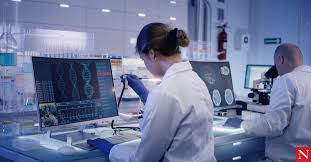
Introduction about PH.D IN Microbiology: Bioinformatics
A Ph.D. in Microbiology with a specialization in Bioinformatics is an advanced and specialized academic program that combines the fields of microbiology and bioinformatics to explore the complex and fascinating world of microorganisms at a molecular level. This doctoral program is designed for individuals who are passionate about understanding the diversity, behavior, and genetic makeup of microorganisms and wish to leverage advanced computational tools to analyze and interpret the vast amounts of biological data generated in this field.
Microbiology is the branch of science that focuses on the study of microorganisms, including bacteria, viruses, fungi, and protozoa. It plays a crucial role in various scientific and practical applications, from understanding the role of microbes in infectious diseases to their significance in biotechnology, environmental science, and agriculture. Bioinformatics, on the other hand, is the discipline that combines biology, computer science, and mathematics to analyze and interpret biological data, particularly in genomics and proteomics.
A Ph.D. program in Microbiology with a Bioinformatics specialization integrates these two disciplines, allowing students to apply computational methods to tackle complex biological questions. Graduates of this program are equipped with the knowledge and skills to conduct cutting-edge research in various aspects of microbiology, including microbial genomics, metagenomics, phylogenetics, functional genomics, and more. They can use bioinformatics tools to explore the genetic and molecular intricacies of microorganisms, helping to advance our understanding of their biology and potential applications.
Research areas within this specialized Ph.D. program might include studying the evolution of pathogenic bacteria, identifying novel antimicrobial compounds, investigating the role of microbes in environmental processes, or exploring the human microbiome and its impact on health. Graduates of this program are well-positioned for careers in academia, research institutions, pharmaceutical companies, biotechnology firms, government agencies, and healthcare organizations, where their expertise in both microbiology and bioinformatics is highly valued.
How can I apply for admission to PH.D IN MICROBIOLOGY: BIOINFORMATICS Program
To apply for admission to a Ph.D. program in Microbiology with a specialization in Bioinformatics, you typically need to follow these general steps:
Research Programs and Universities:
Start by researching universities and institutions that offer Ph.D. programs in Microbiology with a Bioinformatics focus. Look for programs that align with your research interests and career goals.
Meet Admission Requirements:
Review the specific admission requirements for each program, as they may vary from one institution to another. Common requirements may include a bachelor's or master's degree in a related field, a strong academic record, and relevant coursework.
Prepare Required Documents:
Gather the necessary application materials, which typically include:
Transcripts: Official transcripts of your academic records.
Letters of Recommendation: Typically, you will need to provide letters of recommendation from professors or professionals who can attest to your qualifications and potential for research.
Statement of Purpose: Write a compelling statement of purpose that outlines your research interests, career goals, and why you are interested in the Ph.D. program.
Resume or Curriculum Vitae (CV): Provide an up-to-date resume or CV detailing your academic and research experience.
Standardized Test Scores: Some programs may require GRE (Graduate Record Examination) scores, while others may not. Check the program's specific requirements.
English Language Proficiency: If English is not your first language, you may need to demonstrate your English proficiency by taking tests like the TOEFL or IELTS.
Contact Potential Advisors:
Identify potential advisors or faculty members within the program who share your research interests. Reach out to them to discuss your research ideas and gauge their interest in supervising your Ph.D. work.
Prepare a Research Proposal:
Many Ph.D. programs require a research proposal as part of your application. This should outline your proposed research project, its significance, and how it fits within the program's research priorities.
Submit the Application:
Complete the online application form provided by the university or institution. Be sure to follow all application instructions and deadlines carefully.
Pay Application Fees:
Pay the required application fees, which vary from one institution to another. Some programs may offer fee waivers based on financial need or other criteria.
Attend Interviews (if necessary):
Some programs may require interviews as part of the admission process. Be prepared to discuss your research interests and goals.
Wait for Admission Decision:
After submitting your application, you will need to wait for the admission committee to review your materials and make a decision. This may take several weeks to a few months.
Accept Admission and Funding:
How long does it takes to complete a PH.D IN MICROBIOLOGY: BIOINFORMATICS program
The duration of a Ph.D. program in Microbiology with a specialization in Bioinformatics can vary depending on several factors, including the specific program, the student's progress, and the nature of the research involved. However, a typical Ph.D. program in this field can take approximately 4 to 6 years to complete.
Here's a breakdown of the time frame:
Coursework: The initial phase of the program usually involves coursework in microbiology, bioinformatics, and related subjects. This coursework may take 1-2 years to complete, depending on the program's requirements and the student's background.
Qualifying Examinations: After completing the required coursework, students often need to pass qualifying examinations that assess their knowledge in their chosen field of study. This phase can take several months to a year.
Research Proposal and Project: Once students pass their qualifying exams, they typically spend the majority of their time conducting original research for their dissertation. The duration of this research phase can vary significantly but generally spans 2-4 years. It depends on the complexity of the research, the speed of progress, and the nature of the research project.
Dissertation Writing: After successfully completing their research, students must write and defend their doctoral dissertation. This phase may take several months to a year or more, depending on the quality of the research and the time required for writing and revisions.
Dissertation Defense: The final step in earning a Ph.D. is defending the dissertation before a committee of experts. The time to schedule and prepare for the defense may take several weeks.
In total, a Ph.D. program in Microbiology with a Bioinformatics focus typically ranges from 4 to 6 years. Some students may complete the program faster if they have a strong research background and make rapid progress, while others may take longer if they encounter research challenges or pursue more extensive projects.
What are potential career opportunities after PH.D IN MICROBIOLOGY: BIOINFORMATICS
Earning a Ph.D. in Microbiology with a specialization in Bioinformatics opens up a wide range of career opportunities in both academia and various sectors of industry and research. Here are some potential career paths you can pursue after completing your Ph.D. in this field:
Academic Research: Many Ph.D. graduates choose to work in academia as postdoctoral researchers, assistant professors, or professors. They conduct cutting-edge research, publish their findings, and mentor students.
Biotech and Pharmaceutical Industry: The biotechnology and pharmaceutical sectors offer opportunities in drug discovery, genomics, personalized medicine, and more. Graduates can work in research and development, data analysis, and management roles.
Government and Public Health Agencies: Government agencies such as the Centers for Disease Control and Prevention (CDC) and the National Institutes of Health (NIH) hire microbiologists and bioinformaticians for research, public health, and policy roles.
Clinical Microbiology Laboratories: Graduates can work in clinical microbiology labs, helping diagnose and manage infectious diseases by analyzing patient samples and using bioinformatics tools to study pathogens.
Environmental and Conservation Agencies: Opportunities exist in environmental research and conservation, focusing on understanding microbial ecosystems and their impact on the environment.
Agricultural and Food Industries: Graduates can work in agriculture and food safety, where they may study microbial communities in soil, crops, and food products to improve crop yields and food safety.
Bioinformatics and Computational Biology: Specializing in bioinformatics can lead to careers in data analysis, software development, and data management, both in academia and the private sector.
Pharmaceutical Informatics: Combining microbiology and bioinformatics, graduates can work in pharmaceutical informatics to accelerate drug discovery and development by analyzing biological data.
Consulting: Some Ph.D. holders become consultants, offering their expertise to various organizations on microbial research, data analysis, and more.
Startups: Entrepreneurial individuals may choose to start their own bioinformatics or biotech companies, focusing on innovative solutions for microbiological research, diagnostics, or therapeutics.
Nonprofit Organizations: Graduates can work for nonprofit organizations focused on global health, infectious disease research, or environmental conservation.
Science Communication: Some graduates enter science communication and journalism, translating complex scientific findings for the public through writing, broadcasting, or educational programs.
Regulatory and Quality Assurance: Graduates can work in regulatory affairs and quality assurance roles, ensuring that products, processes, and research meet regulatory standards.
Data Science and Analytics: Microbiologists with strong bioinformatics skills are well-positioned for roles in data science and analytics, which are in high demand across various industries.
Syllabus of PH.D IN MICROBIOLOGY: BIOINFORMATICS
The syllabus for a Ph.D. in Microbiology with a specialization in Bioinformatics can vary depending on the specific program and university. However, I can provide a general outline of what a typical syllabus might look like, organized by semesters. Keep in mind that the coursework and research requirements can be adjusted based on the program's curriculum and your individual research interests. Here's a semester-wise breakdown:
Semester 1:
Core Microbiology Courses:
Advanced Microbiology
Microbial Genetics
Microbial Physiology and Biochemistry
Microbial Ecology
Bioinformatics Fundamentals:
Introduction to Bioinformatics
Data Structures and Algorithms in Bioinformatics
Biological Databases and Tools
Research Methodology:
Experimental Design and Data Analysis
Laboratory Techniques in Microbiology
Research Ethics and Integrity
Seminar or Journal Club:
Regular discussions on recent publications in microbiology and bioinformatics.
Semester 2:
Advanced Bioinformatics:
Sequence Analysis and Alignment
Phylogenetics and Evolutionary Biology
Structural Bioinformatics
Microbiome Analysis:
Metagenomics and Metatranscriptomics
Microbiome Data Analysis
Ecological and Functional Interpretations
Statistical Methods:
Advanced statistical tools for biological data analysis
Elective Courses: Choose courses related to your research interests.
Semester 3:
Specialized Bioinformatics Tools:
Genome Annotation
Pathway Analysis
Comparative Genomics
Microbial Pathogenesis:
Mechanisms of Pathogenicity
Host-Microbe Interactions
Grant Writing and Proposal Development:
Learn to write research proposals for funding opportunities.
Seminar or Journal Club:
Continued discussions on recent research in the field.
Semester 4:
Research Proposal Development:
Work on your research proposal for your Ph.D. project.
Advanced Elective Courses: Tailored to your research area.
Bioinformatics Software Development:
Programming for bioinformatics, if not covered earlier.
Comprehensive Exams:
Written and oral exams covering coursework and research proposal.
Semester 5 and Beyond:
Ph.D. Research: This phase involves your original research project, data collection, analysis, and dissertation writing.
Research Seminars: Present your research progress to peers and faculty.
Dissertation Preparation: Begin drafting your Ph.D. dissertation.
Dissertation Defense: Defend your research findings before a committee.
Publication and Graduation: Publish your research and graduate with a Ph.D. in Microbiology with a Bioinformatics specialization.
Internship opportunities after completing PH.D IN MICROBIOLOGY: BIOINFORMATICS
Completing a Ph.D. in Microbiology with a specialization in Bioinformatics opens up numerous internship opportunities across various sectors. Internships can provide valuable hands-on experience, networking opportunities, and exposure to different career paths. Here are some internship opportunities that you can consider after earning your Ph.D.:
Academic Postdoctoral Research: Many Ph.D. graduates opt for postdoctoral research positions at universities or research institutions. These positions allow you to continue your research and gain additional expertise in your chosen field.
Industry Research and Development: Biotechnology, pharmaceutical, and biotech companies often offer research-focused internships where you can work on projects related to drug discovery, genomics, or bioinformatics. These internships provide a bridge to potential full-time industry roles.
Government and Public Health Agencies: Interning with government organizations like the Centers for Disease Control and Prevention (CDC) or the National Institutes of Health (NIH) can provide exposure to public health research and policy development.
Clinical Microbiology Labs: Gain experience in clinical microbiology labs by interning in hospitals or diagnostic laboratories, helping diagnose and manage infectious diseases.
Environmental and Conservation Internships: Work with environmental agencies or conservation organizations to study microbial ecosystems and their impact on the environment. You can gain experience in environmental microbiology and conservation biology.
Agricultural and Food Industries: Intern with agricultural companies or food safety organizations to explore microbial communities in soil, crops, or food products. This can be particularly relevant if you're interested in agricultural microbiology or food safety.
Data Science and Bioinformatics: Consider internships with data science companies or bioinformatics software development firms to gain hands-on experience in data analysis and software development.
Healthcare and Clinical Research: Work with hospitals, clinical research organizations, or healthcare institutions to gain insight into the clinical aspects of microbiology and bioinformatics.
Nonprofit Organizations: Intern with nonprofit organizations focused on global health, infectious disease research, or environmental conservation. These opportunities can provide a chance to work on meaningful projects.
Science Communication and Journalism: If you have an interest in science communication, consider interning with science communication outlets, such as science magazines, websites, or science communication firms.
Consulting Firms: Some consulting firms offer internships related to microbiological research and data analysis. These internships can provide exposure to various industries and projects.
Scholarship and grants for PH.D IN MICROBIOLOGY: BIOINFORMATICS
Funding your Ph.D. in Microbiology with a specialization in Bioinformatics can be a significant concern, but there are various scholarship and grant opportunities available to help support your studies. Here are some options to consider:
University Scholarships: Many universities offer scholarships and fellowships to outstanding Ph.D. candidates. These awards may cover tuition, provide a stipend for living expenses, and offer other benefits. Check with your prospective universities for their specific scholarship opportunities.
Government Grants: Government agencies, such as the National Institutes of Health (NIH) in the United States or the European Research Council (ERC) in Europe, often provide research grants and fellowships for Ph.D. students in microbiology and bioinformatics.
Private Foundations and Nonprofits: Many private organizations, such as the Gates Foundation, the Wellcome Trust, and the Howard Hughes Medical Institute (HHMI), offer research grants and scholarships to support doctoral research in microbiology and related fields.
Professional Associations: Consider looking into professional associations related to microbiology, bioinformatics, or your specific research area. These associations often provide grants and scholarships for students and researchers.
Diversity and Inclusion Scholarships: Some organizations and foundations specifically offer scholarships to students from underrepresented groups in STEM fields. Examples include the National GEM Consortium and the Ford Foundation Fellowship Program.
Corporate Sponsorships: Some companies may offer sponsorship or scholarships to students pursuing Ph.D. studies in areas related to their business interests, such as pharmaceutical companies, biotech firms, or tech companies.
Research Project Funding: If you have a specific research project or proposal in mind, look for grants that support that project. Funding sources like the National Science Foundation (NSF) often provide grants for research initiatives.
Regional and International Scholarships: Explore scholarships and grants offered by your home country or international organizations, such as Fulbright Scholarships or the Erasmus Mundus program in Europe.
Teaching Assistantships: Many universities provide teaching assistantships that come with a stipend and tuition remission in exchange for assisting with undergraduate courses.
Online Databases and Scholarship Search Engines: Utilize online scholarship databases and search engines like Fastweb, Scholarships.com, and the Scholarship Portal to find funding opportunities tailored to your field and academic level.
Funding from Your Advisor's Research Projects: Sometimes, your Ph.D. advisor may have research grants that can support your studies and research. Discuss this possibility with potential advisors.
conclusion
In summary, a Ph.D. in Microbiology with a Bioinformatics focus is a rigorous and interdisciplinary program that empowers students to explore the microscopic world of microorganisms using cutting-edge computational techniques. It paves the way for a wide range of career opportunities in the ever-evolving fields of microbiology, genomics, and data-driven biology.
FAQ PH.D IN MICROBIOLOGY: BIOINFORMATICS
Certainly, here are some frequently asked questions (FAQs) about pursuing a Ph.D. in Microbiology with a specialization in Bioinformatics:
What is the scope of a Ph.D. in Microbiology: Bioinformatics?
A Ph.D. in Microbiology with a Bioinformatics specialization equips you to conduct advanced research in the field of microbiology, using computational tools to analyze and interpret biological data. It opens doors to careers in academia, industry, and research institutions.
What are the prerequisites for this Ph.D. program?
Typically, you need a bachelor's or master's degree in a related field, a strong academic record, and relevant coursework. Some programs may require GRE scores, and English language proficiency tests if English is not your first language.
What is the duration of the program?
The program usually takes about 4 to 6 years to complete, including coursework, research, and dissertation writing.
What career opportunities are available after completing this Ph.D.?
Graduates can pursue careers in academia, research institutions, biotechnology, pharmaceutical companies, government agencies, clinical labs, environmental research, and more. The options are diverse and include research, management, and policy roles.
Can I specialize in a specific area within Microbiology and Bioinformatics?
Yes, you can often tailor your research and coursework to your specific interests, whether it's microbial genomics, environmental microbiology, pathogenicity, or another area within microbiology and bioinformatics.
Are there scholarship and funding opportunities available for Ph.D. students in this field?
Yes, there are various scholarships, grants, and fellowships available from universities, government agencies, private foundations, and professional associations to support Ph.D. students.
What skills will I develop during the program?
You will gain expertise in microbiology, genomics, bioinformatics, data analysis, and research methodology. You'll also develop problem-solving, critical thinking, and project management skills.
Is it necessary to have programming skills for bioinformatics?
While having programming skills (e.g., in Python or R) is beneficial, many programs provide training in bioinformatics tools and programming as part of the coursework.
What is the role of an academic advisor or mentor in this program?
An advisor or mentor guides you through your research, helps you develop your research proposal, and provides support and expertise throughout your Ph.D. journey.
How can I find internship opportunities related to this field?
You can explore internships through universities, research institutions, industry, and government agencies. Networking, attending conferences, and seeking guidance from your academic advisor can help you find relevant internships.
What is the typical structure of the Ph.D. program?
The program usually includes coursework, qualifying exams, research proposal development, original research, dissertation writing, and a dissertation defense.
How can I prepare for a career in academia after completing this Ph.D.?
Engage in research, publish your work, and participate in teaching opportunities during your Ph.D. These experiences will enhance your prospects in academia.
Can I work on interdisciplinary projects during my Ph.D.?
Yes, interdisciplinary research is often encouraged, and you can collaborate with researchers from diverse fields to address complex scientific questions.
What are the latest trends and emerging research areas in Microbiology and Bioinformatics?
Stay updated on the latest trends in metagenomics, microbiome research, antibiotic resistance, host-microbe interactions, and the application of artificial intelligence and machine learning in bioinformatics.
How Shiksha Hub helps you in
-
 Student Counsellors
 -
 Career Counseling
 -
 Research
 -
 24/7 Support
 -
 Scholarships
 -
 Community