Posted by Admin on 04-11-2022 in Shiksha hub
Ph.D. in Mineralogy introduction, Admission Registration, Eligibility, Duration, Fees, Syllabus 2024
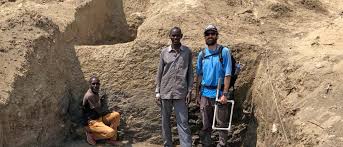
Introduction about Ph.D. in Mineralogy
In the world of geology and earth sciences, mineralogy is a fascinating and vital subfield that explores the composition, properties, and classification of minerals. For those who have a passion for unraveling the secrets of the Earth and its hidden treasures, pursuing a Ph.D. in Mineralogy can be an incredibly rewarding journey.
What is a Ph.D. in Mineralogy?
A Ph.D. in Mineralogy is the highest level of academic achievement in the field, and it signifies expertise and specialization. This rigorous program empowers individuals to conduct cutting-edge research, contribute to the scientific understanding of minerals, and make significant advancements in the field of earth sciences.
The Importance of Studying Mineralogy
Minerals are the building blocks of our planet, and understanding their properties and behavior is essential for a wide range of industries and scientific disciplines. Mineralogists play a crucial role in various fields, including environmental science, geology, chemistry, and material science. Their work influences everything from natural resource exploration to environmental conservation.
Educational Requirements
Prerequisites for Pursuing a Ph.D. in Mineralogy
To embark on a Ph.D. journey in Mineralogy, a solid educational background in a related field such as geology, chemistry, or earth sciences is typically required. Prospective candidates must have at least a bachelor's and a master's degree to be eligible for a Ph.D. program.
Choosing the Right Academic Institution
Selecting the right academic institution is a critical decision. Candidates should consider factors such as faculty expertise, research facilities, and the institution's reputation in the field of mineralogy.
Research Opportunities
Research Areas within Mineralogy
Mineralogy encompasses a wide array of research areas, including crystallography, mineral identification, mineral formation processes, and the study of mineral properties under various conditions. The opportunities for exploration and discovery are vast.
Collaborative Projects and Opportunities
Collaboration is key in the world of research. Ph.D. students in mineralogy often engage in collaborative projects with peers and faculty, fostering an environment of shared knowledge and expertise.
Career Prospects
Job Opportunities Post-Ph.D.
Upon successfully earning a Ph.D. in Mineralogy, graduates can pursue diverse career paths. They can work in academia as professors or researchers, or they can venture into the industry, working for mining companies, environmental organizations, or research institutions.
Industry and Academic Positions
The choice between an academic career or an industry position offers candidates the flexibility to choose the path that aligns best with their goals and interests.
Funding and Scholarships
Financial Aid Options for Ph.D. Students
Financing a Ph.D. can be daunting, but there are numerous funding opportunities available. Candidates can explore research grants, scholarships, teaching assistantships, and various financial aid programs.
How to Secure Scholarships
Securing scholarships involves a competitive process. To increase your chances, it's essential to maintain a strong academic record and actively seek out scholarship opportunities offered by universities and external organizations.
Challenges Faced
Common Challenges During Ph.D. Studies
Pursuing a Ph.D. in Mineralogy can be challenging due to the intensive research and coursework. Students often face hurdles like time management, data analysis, and the pressure of producing original research.
Strategies to Overcome Obstacles
Overcoming these challenges requires determination and support. Seeking advice from mentors and peers and staying organized can significantly contribute to success in your Ph.D. journey.
Preparing for Admission
Tips for a Successful Ph.D. Application
A well-prepared application is crucial. Tailoring your application to the program, showcasing your research interests, and securing strong recommendation letters can enhance your chances of acceptance.
Essential Documents and Requirements
Ensure that you gather all the necessary documents, such as transcripts, standardized test scores, a research proposal, and a well-crafted personal statement.
The Dissertation
The Significance of the Doctoral Dissertation
The doctoral dissertation is the culmination of your Ph.D. journey. It's a piece of original research that contributes to the field's knowledge. Selecting a compelling and innovative research topic is key.
Steps in Dissertation Research
Dissertation research involves planning, data collection, analysis, and presenting findings. It's a rigorous process, but it's where students make their most significant contributions to the field.
Faculty and Mentors
Importance of Mentorship
Mentorship from experienced faculty members is invaluable. They provide guidance, expertise, and support throughout your academic journey.
Finding the Right Advisor
Choosing the right advisor is critical. A strong advisor-student relationship fosters a productive research environment.
Networking and Conferences
Building a Professional Network
Building a professional network is essential. Attending conferences, seminars, and workshops allows students to present their research, learn from others, and make valuable connections.
Presenting Research at Conferences
Sharing your research at conferences is a significant step in your academic and professional development. It's an opportunity to receive feedback and gain recognition in the field.
How can I apply for admission to PH.D IN MINERALOGY Program
Applying for admission to a Ph.D. in Mineralogy program requires careful planning and a strong application. Here are the steps you can follow:
Research Programs: Start by researching universities and institutions that offer Ph.D. programs in Mineralogy. Look for programs that align with your research interests, have experienced faculty, and offer the resources you need.
Check Admission Requirements: Carefully review the admission requirements for each program. Typically, you will need a relevant master's degree in a related field such as geology, earth sciences, or mineralogy. Some programs may accept exceptional candidates with a bachelor's degree, but this is less common.
Transcripts: Obtain official transcripts from your previous academic institutions. Ensure your academic record reflects strong performance in relevant coursework.
Standardized Tests: Many Ph.D. programs require standardized test scores, such as the GRE (Graduate Record Examination). Take the required tests and ensure your scores meet the program's minimum requirements.
Statement of Purpose: Write a compelling statement of purpose that outlines your research interests, career goals, and why you are interested in pursuing a Ph.D. in Mineralogy. Tailor each statement to the specific program you are applying to.
Letters of Recommendation: Request letters of recommendation from professors, mentors, or professionals who can attest to your academic and research capabilities. Ensure that these individuals know you well and can write strong, personalized letters.
Research Proposal: Prepare a research proposal that outlines the specific area of mineralogy you intend to study during your Ph.D. Clearly articulate your research questions, objectives, and methodology.
CV/Resume: Create a comprehensive curriculum vitae (CV) or resume that highlights your academic achievements, research experience, publications, and relevant skills.
Application Form: Complete the online application form provided by the university or institution. Ensure that you provide accurate and complete information.
Application Fee: Pay the application fee as required. This fee typically covers the cost of processing your application.
Interview: Be prepared for an interview, if required by the program. This is an opportunity to discuss your research interests and demonstrate your enthusiasm for the field.
Financial Aid: Explore funding options, such as scholarships, assistantships, and research grants. Submit applications for these opportunities in parallel with your Ph.D. program application.
Submit Application: Ensure that you submit your application by the program's deadline. Late applications are often not considered.
Follow Up: After submitting your application, follow up with the admissions office to confirm that they have received all your materials.
Admission Decision: Wait for the admission decision. This may take several weeks to several months, depending on the program.
Acceptance: If you receive an offer of admission, carefully review the terms and conditions, including financial support packages, and respond accordingly.
What is the eligibility for PH.D IN MINERALOGY
Eligibility criteria for a Ph.D. in Mineralogy program may vary from one university or institution to another, but here are some common requirements and guidelines:
Educational Background:
A relevant master's degree: Typically, candidates should have a master's degree in a related field, such as geology, earth sciences, mineralogy, or a closely related discipline. Some programs may accept candidates with a strong bachelor's degree, but this is less common.
Academic Performance:
Strong academic record: Candidates are usually expected to demonstrate a strong academic performance, often with a minimum GPA requirement. A high GPA in your previous academic studies is typically favored.
Standardized Tests:
GRE (Graduate Record Examination): Some institutions require GRE scores, especially if you are applying to competitive programs. Check the specific program's requirements for GRE scores and whether they have minimum score expectations.
Language Proficiency:
English Language Proficiency: If English is not your native language, you may need to provide proof of English language proficiency through tests like TOEFL (Test of English as a Foreign Language) or IELTS (International English Language Testing System). The specific score requirements can vary but are often specified by the institution.
Statement of Purpose:
A well-crafted statement of purpose: Write a compelling statement that outlines your research interests, career goals, and why you are interested in pursuing a Ph.D. in Mineralogy. This document should demonstrate your commitment to the field and your potential contributions to research.
Letters of Recommendation:
Strong letters of recommendation: Most programs require letters of recommendation from professors, mentors, or professionals who can speak to your academic and research abilities. These letters should be well-written and provide insight into your potential as a Ph.D. candidate.
Research Proposal:
A research proposal: Prepare a research proposal that outlines your specific research interests and objectives within the field of mineralogy. This should demonstrate your ability to formulate research questions and plans.
CV/Resume:
A comprehensive curriculum vitae (CV) or resume: This should highlight your academic achievements, research experience, publications, and any relevant skills that make you a strong candidate for a Ph.D. program.
Interview (if required):
Be prepared for an interview: Some programs may require an interview as part of the admission process. This is an opportunity to discuss your research interests and demonstrate your enthusiasm for the field.
How long does it takes to complete a PH.D IN MINERALOGY program
The duration of a Ph.D. in Mineralogy program can vary depending on several factors, including the specific program, your research focus, and your individual progress. However, here's a general idea of what to expect:
Full-Time Ph.D. Program:
On average, a full-time Ph.D. in Mineralogy program typically takes about 3 to 5 years to complete. This timeframe includes coursework, comprehensive exams, and the research and writing of your doctoral dissertation.
Part-Time Ph.D. Program:
If you're pursuing your Ph.D. on a part-time basis, it can take longer. Part-time Ph.D. students often balance their studies with work or other commitments and may take 6 years or more to complete the program.
Research Focus:
The time it takes to complete a Ph.D. can also be influenced by the specific focus of your research. Some research topics may require more extensive data collection, experimentation, or analysis, which can extend the program's duration.
Dissertation Completion:
A significant portion of the Ph.D. program is dedicated to conducting original research and writing a doctoral dissertation. The time it takes to complete your dissertation can vary, depending on the complexity of your research and the writing process.
Institutional Requirements:
Different universities and institutions may have their own specific requirements and timelines for completing a Ph.D. program. It's essential to consult the program's handbook or speak with your academic advisor to understand their particular expectations.
Advisors and Research Progress:
Your relationship with your research advisor and your own progress in your research can influence the duration of your Ph.D. If you have a supportive advisor and make steady progress in your research, it can help you complete the program more efficiently.
What are potential career opportunities after PH.D IN MINERALOGY
Earning a Ph.D. in Mineralogy opens up a wide range of career opportunities, as this level of expertise and specialization is highly valued in various sectors. Here are some potential career opportunities after completing a Ph.D. in Mineralogy:
Academic Positions:
Professor: You can pursue a career in academia as a professor at a university or college. As a professor, you'll be responsible for teaching, conducting research, and mentoring students.
Research Scientist:
Research scientists in mineralogy work in universities, research institutions, or government agencies. They conduct cutting-edge research, contribute to the understanding of minerals, and publish their findings in scientific journals.
Geologist:
Geologists with a Ph.D. in Mineralogy often work for environmental consulting firms, mining companies, or government agencies. They analyze geological data, assess the potential for mineral resources, and provide expertise in mineral exploration and extraction.
Consulting Geologist:
Many consulting firms hire mineralogists to provide expert advice on geological and mineral-related projects. This can include assessing the environmental impact of mining operations, conducting mineral resource evaluations, or advising on natural resource management.
Museum Curator or Collections Manager:
Museums, particularly natural history museums, often employ mineralogists to curate and manage their mineral collections. This role involves cataloging, preserving, and presenting mineral specimens to the public.
Environmental Consultant:
Environmental consulting firms hire mineralogists to assess and address environmental issues related to minerals and mining. They may work on projects involving soil and groundwater contamination, land reclamation, or environmental impact assessments.
Mineralogical Database Manager:
Some organizations and institutions maintain extensive mineralogical databases. A Ph.D. holder can manage and update these databases, ensuring they remain valuable resources for researchers and industry professionals.
Government Positions:
Government agencies, such as the U.S. Geological Survey (USGS) or geological departments, often hire mineralogists to conduct research, analyze geological data, and provide valuable insights for resource management and environmental protection.
Materials Scientist:
Materials scientists with expertise in mineralogy can work in industries that use minerals as raw materials, such as the manufacturing of ceramics, glass, and construction materials.
Science Communication and Outreach:
Mineralogists can engage in science communication by becoming science writers, educators, or outreach specialists. They can help disseminate knowledge about minerals and earth sciences to the public, schools, and museums.
Natural Resource Management:
Mineralogists may work with natural resource management agencies to assess and conserve mineral resources, ensuring sustainable use and environmental protection.
Private Sector:
Some Ph.D. mineralogists choose to work in the private sector, particularly in the mining and resource exploration industries. They can serve as mineral resource managers, consultants, or technical experts in mining companies.
Independent Consulting:
Some Ph.D. mineralogists establish their own consulting firms, offering their expertise to various clients in need of mineralogical insights, from resource evaluation to environmental impact assessments.
Syllabus of PH.D IN MINERALOGY
The syllabus for a Ph.D. in Mineralogy program is highly specialized and may vary from one university to another. The curriculum typically consists of a combination of coursework, comprehensive examinations, and research work leading to a dissertation. Here's a general overview of a potential semester-wise syllabus for a Ph.D. in Mineralogy:
Semester 1:
Mineralogy Fundamentals:
Crystallography and mineral structures
Mineral identification techniques
Classification of minerals
Advanced Petrology:
Study of rocks and their mineral components
Petrological processes
Petrography and thin-section analysis
Advanced Geochemistry:
Geochemical principles and techniques
Trace element analysis
Isotope geochemistry
Research Methodology:
Scientific research methods
Literature review and research proposal development
Semester 2:
Mineralogical Instrumentation:
Practical training in using mineralogical equipment
X-ray diffraction (XRD), electron microprobe, and scanning electron microscopy (SEM)
Elective Course:
Students can choose an elective related to their research interests, such as environmental mineralogy, economic geology, or mineral resource management.
Comprehensive Exam Preparation:
Preparing for comprehensive exams by reviewing the coursework from the first semester.
Semester 3:
Advanced Topics in Mineralogy:
Specialized topics in mineralogy, which could include topics like mineral thermodynamics, phase equilibria, and mineral stability.
Fieldwork or Laboratory Research:
Students begin conducting independent research for their dissertation, which often involves fieldwork, sample collection, and laboratory analysis.
Semester 4:
Advanced Mineral Characterization:
Advanced techniques for mineral characterization, such as transmission electron microscopy (TEM) and nuclear magnetic resonance (NMR).
Elective Course:
Another elective course, possibly focusing on the student's specific research area or interests.
Semester 5:
Comprehensive Examinations:
Students take comprehensive exams to demonstrate their knowledge of mineralogy and related fields.
Research Proposal and Approval:
Develop and present a research proposal for the doctoral dissertation, which must be approved by the dissertation committee.
Semesters 6 and Beyond:
Dissertation Research:
Conducting in-depth research related to the approved proposal.
Data collection, analysis, and interpretation.
Writing and presenting research findings.
Publication and Presentation:
Prepare research for publication in scientific journals and presentation at conferences.
Dissertation Defense:
Defend the completed dissertation before a committee of faculty members.
Internship opportunities after completing PH.D IN MINERALOGY
After completing a Ph.D. in Mineralogy, there are several internship opportunities that can further enhance your skills and knowledge while offering valuable experience in the field. Here are some potential internship options:
Research Internship:
Many universities, research institutions, and geological organizations offer research internships. You can collaborate with experienced researchers on ongoing projects, gaining hands-on experience in mineralogical research.
Museum Curator Internship:
Natural history museums often provide internships for individuals interested in mineralogy and curation. This experience allows you to work with mineral collections, catalog specimens, and assist with exhibitions.
Geological Survey Internship:
Geological survey agencies, such as the U.S. Geological Survey (USGS), offer internships for individuals with expertise in mineralogy. You can contribute to geological mapping, mineral resource assessments, and data analysis.
Environmental Consulting Internship:
Environmental consulting firms frequently offer internships to work on projects related to mineral exploration, land reclamation, and environmental assessments. This provides exposure to the practical application of mineralogical knowledge.
Mining Company Internship:
Mining companies may have internship programs that allow you to gain insights into mineral exploration, extraction, and resource management. These internships can offer valuable industry experience.
Government Agency Internship:
Government agencies responsible for natural resource management and environmental protection may have internships for individuals with expertise in mineralogy. These roles can involve policy analysis, regulatory compliance, and resource conservation.
Teaching and Outreach Internship:
If you are interested in academia and science communication, consider internships in educational institutions or science outreach programs. These internships may involve curriculum development, teaching, and public engagement activities.
Materials Science Internship:
Materials science companies may offer internships related to the practical applications of minerals in industries such as ceramics, construction, or manufacturing.
Science Communication and Writing Internship:
Science communication organizations, magazines, and science news websites often provide internships for individuals interested in science writing, allowing you to communicate complex mineralogical concepts to a broader audience.
Non-Governmental Organizations (NGOs) Internship:
Environmental and conservation NGOs may have internships related to mineral resource sustainability and environmental protection efforts. This experience can contribute to the field's broader impact.
Lab Technician Internship:
Laboratories specializing in mineralogical research may offer internships where you assist with sample preparation, analytical techniques, and data interpretation.
Scholarship and grants for PH.D IN MINERALOGY
Pursuing a Ph.D. in Mineralogy can be financially demanding, but there are numerous scholarship and grant opportunities available to support your studies and research. Here are some options to consider:
University Scholarships:
Many universities offer scholarships and fellowships to outstanding Ph.D. students in mineralogy or related fields. These awards may cover tuition, stipends, and research expenses. Check with the specific university where you plan to study.
Government Scholarships:
Government agencies, such as the National Science Foundation (NSF) in the United States or similar agencies in other countries, provide funding for Ph.D. students in geological and mineralogical fields. These scholarships can cover tuition and research costs.
Professional Organizations:
Geological and mineralogical societies often offer scholarships and grants to support graduate students. For example, the Geological Society of America (GSA) and the Mineralogical Society of America (MSA) provide funding opportunities.
Mineral Industry Scholarships:
Many companies in the mining and mineral resource industry offer scholarships to support students pursuing mineralogy-related studies. These scholarships often come with the expectation of working for the company after graduation.
Research Grants:
Various organizations provide research grants for specific mineralogical research projects. These grants can help cover research expenses, laboratory costs, and fieldwork.
Fulbright Program:
The Fulbright Program offers opportunities for international students to study and conduct research in the United States. It provides financial support for Ph.D. students from other countries.
Rhodes Scholarships:
The Rhodes Scholarship is a prestigious international scholarship that allows students from select countries to study at the University of Oxford. While not specifically for mineralogy, it can support your Ph.D. studies.
Rotary Foundation Scholarships:
The Rotary Foundation offers scholarships for graduate studies, including Ph.D. programs, to individuals pursuing fields that contribute to peace and conflict resolution, which can include environmental and geological sciences.
Institutional Scholarships:
Many research institutions and foundations offer scholarships or grants to support research in mineralogy and related fields. These opportunities may be specific to certain research topics or areas of interest.
International Scholarships:
Some countries offer scholarships to international students. For example, the Commonwealth Scholarship is available to students from Commonwealth countries for postgraduate studies in the UK.
Corporate Scholarships:
Certain corporations and mining companies may provide scholarships or sponsorships to students pursuing Ph.D. programs related to mineralogy and the mining industry.
Private Foundations:
Private foundations and trusts, such as the Schlumberger Foundation, may offer scholarships to students in earth sciences, including mineralogy.
FAQ PH.D IN MINERALOGY
Certainly, here are some frequently asked questions (FAQs) related to pursuing a Ph.D. in Mineralogy:
What is a Ph.D. in Mineralogy?
A Ph.D. in Mineralogy is the highest level of academic achievement in the field of mineralogy. It involves in-depth research, the completion of a doctoral dissertation, and making significant contributions to our understanding of minerals and the Earth's geological processes.
What are the educational prerequisites for a Ph.D. in Mineralogy?
Typically, candidates need a master's degree in a related field such as geology, earth sciences, or mineralogy. Some programs may admit exceptional candidates with a bachelor's degree, but this is less common.
How long does it take to complete a Ph.D. in Mineralogy?
The duration varies but usually takes 3 to 5 years for full-time students. Part-time students may take longer. The timeline can be influenced by research focus, research progress, and specific program requirements.
What are the potential career opportunities after completing a Ph.D. in Mineralogy?
Career options include academia (professor), research scientist, geological consultant, museum curator, environmental consultant, and positions in government agencies, the mining industry, and more.
Are there scholarships available for Ph.D. in Mineralogy programs?
Yes, there are various scholarships and grants available from universities, government agencies, professional organizations, and private foundations. Students are encouraged to explore these opportunities to fund their Ph.D. studies.
What is the research component of a Ph.D. in Mineralogy?
The research component is a substantial part of the program. Students are required to conduct original research, often leading to a doctoral dissertation. This research makes a significant contribution to the field of mineralogy.
Can I work while pursuing a Ph.D. in Mineralogy?
Some students choose to work part-time or as teaching or research assistants during their Ph.D. studies. However, it can be demanding due to the research and coursework load.
What resources are available to Ph.D. students in Mineralogy?
Students have access to research facilities, mineralogical equipment, libraries, and academic advisors. They can also attend conferences, collaborate with peers and professors, and utilize online databases and journals.
What is the importance of mineralogy in today's world?
Mineralogists play a crucial role in understanding Earth's minerals and geological processes, which has applications in environmental science, resource management, materials science, and more. Their work impacts industries and environmental conservation efforts.
How can I find a suitable Ph.D. program in Mineralogy? - Start by researching universities and institutions that offer Ph.D. programs in mineralogy. Consider factors like faculty expertise, research facilities, and the alignment of the program with your research interests.
What skills are essential for success in a Ph.D. in Mineralogy program? - Strong analytical and research skills, critical thinking, attention to detail, effective communication, and a passion for geological sciences are important for success in the program.
Can I specialize in a specific area of mineralogy during my Ph.D. program? - Yes, students often choose a specific research focus or specialization within mineralogy, such as crystallography, mineral identification, or mineral stability, as the basis for their dissertation research.
What is the role of a mentor or advisor in a Ph.D. program? - Advisors provide guidance, mentorship, and support throughout the academic journey. They assist students in selecting research topics, provide feedback, and help navigate the challenges of the program.
Is international experience valuable in a Ph.D. in Mineralogy program? - Yes, studying abroad or collaborating with international researchers can provide a broader perspective and open doors to global research opportunities, making it a valuable aspect of the program.
How Shiksha Hub helps you in
-
 Student Counsellors
 -
 Career Counseling
 -
 Research
 -
 24/7 Support
 -
 Scholarships
 -
 Community