Posted by Admin on 15-09-2022 in Shiksha hub
Phd In (Plant Biotechnology) Introduction, Admission, Registration, Eligibility, Duration, Fees, Syllabus 2024
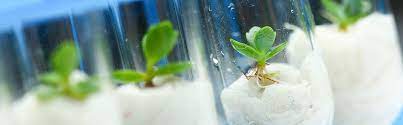
Introduction About Phd In (Plant Biotechnology)
Plant Biotechnology Is A Branch Of Science That Focuses On Harnessing Biological Systems And Processes To Improve And Enhance The Characteristics Of Plants. It Involves The Application Of Techniques Like Genetic Engineering, Tissue Culture, And Molecular Biology To Manipulate Plants For Various Purposes, Including Agricultural Productivity, Environmental Sustainability, And Pharmaceutical Production.
Importance Of Plant Biotechnology In Modern Agriculture
In Today's Rapidly Growing Global Population, The Demand For Food And Agricultural Products Has Surged. Plant Biotechnology Plays A Crucial Role In Meeting This Demand By Developing Genetically Modified Crops That Exhibit Traits Such As Pest Resistance, Drought Tolerance, And Enhanced Nutritional Content.
Pursuing A Phd In Plant Biotechnology
Eligibility And Admission Process
To Embark On A Phd Journey In Plant Biotechnology, Candidates Typically Need A Master's Degree In A Related Field. The Admission Process Involves Submitting Academic Transcripts, Letters Of Recommendation, And A Well-Defined Research Proposal.
Course Structure And Curriculum
The Phd Program In Plant Biotechnology Encompasses A Combination Of Coursework, Laboratory Work, And Independent Research Projects. It Covers Areas Like Molecular Biology, Genetic Engineering, Bioinformatics, And Advanced Techniques In Plant Breeding.
Research Opportunities
Phd Students In Plant Biotechnology Have The Privilege Of Engaging In Cutting-Edge Research Projects That Address Critical Challenges In Agriculture And Environmental Sustainability. They Work Alongside Experienced Faculty Members And Contribute To The Advancement Of Scientific Knowledge.
Duration And Scope
The Duration Of A Phd Program In Plant Biotechnology Typically Ranges From 3 To 5 Years. Upon Completion, Graduates Have A Wide Array Of Career Opportunities In Academia, Research Institutions, Biotechnology Companies, And Government Agencies.
Benefits Of Obtaining A Phd In Plant Biotechnology
Career Opportunities
A Phd In Plant Biotechnology Opens Doors To A Multitude Of Career Paths. Graduates Can Pursue Roles As Research Scientists, Biotechnologists, Academic Faculty, And Consultants In Both Public And Private Sectors.
Contribution To Agricultural Advancements
Phd Graduates In Plant Biotechnology Play A Pivotal Role In Driving Innovations In Agriculture. Their Research Leads To The Development Of Sustainable Farming Practices, Disease-Resistant Crops, And Novel Approaches To Improve Crop Yield.
Scientific Innovation And Discovery
Engaging In Phd-Level Research Fosters A Culture Of Innovation And Discovery. It Encourages Critical Thinking, Problem-Solving, And The Pursuit Of New Knowledge, Which Are Invaluable Skills In The Scientific Community.
Challenges And Future Prospects
Despite The Tremendous Potential Of Plant Biotechnology, It Faces Challenges Such As Regulatory Frameworks, Public Perception, And Ethical Considerations. However, Ongoing Research And Advancements Continue To Address These Issues.
Notable Research Areas In Plant Biotechnology
Genetic Engineering And Crop Improvement
Genetic Engineering Techniques Have Revolutionized Crop Improvement Efforts, Leading To The Development Of Genetically Modified Organisms (Gmos) With Enhanced Traits.
Plant Tissue Culture And Micropropagation
Plant Tissue Culture Enables The Propagation Of Plants Under Sterile Conditions, Allowing For Rapid Multiplication Of Elite Varieties.
Plant-Microbe Interactions
Understanding The Intricate Relationships Between Plants And Microbes Is Crucial For Sustainable Agriculture And Environmental Conservation.
Bioinformatics In Plant Biology
Bioinformatics Tools And Techniques Are Instrumental In Analyzing Large-Scale Genomic Data To Unravel The Genetic Basis Of Plant Traits.
Prominent Universities Offering Phd Programs In Plant Biotechnology
Several Esteemed Universities Worldwide Offer Phd Programs In Plant Biotechnology, Providing Students With Access To World-Class Faculty And State-Of-The-Art Research Facilities.
Funding And Scholarships For Phd Students
Financial Support Is Crucial For Phd Students. Many Universities And Research Institutions Offer Scholarships, Grants, And Fellowships To Support Students Throughout Their Academic Journey.
Success Stories Of Phd Graduates In Plant Biotechnology
Numerous Phd Graduates In Plant Biotechnology Have Made Significant Contributions To The Field, Leading To Advancements In Agriculture, Environmental Conservation, And Biotechnology.
Industry Collaborations And Research Partnerships
Collaborations Between Academia And Industry Are Instrumental In Translating Research Findings Into Practical Applications, Benefiting Both The Scientific Community And Society At Large.
Ethical Considerations In Plant Biotechnology Research
Ethical Considerations In Plant Biotechnology Research Include Issues Related To Genetically Modified Organisms (Gmos), Intellectual Property Rights, And Environmental Impact Assessments.
Impact Of Plant Biotechnology On Global Food Security
Plant Biotechnology Plays A Crucial Role In Addressing Global Food Security Challenges By Developing Resilient And High-Yielding Crop Varieties That Can Thrive In Diverse Environmental Conditions.
Case Studies And Breakthroughs In Plant Biotechnology
Examining Case Studies And Breakthroughs In The Field Provides Insights Into The Real-World Applications And Potential Of Plant Biotechnology.
Future Trends And Innovations In The Field
The Future Of Plant Biotechnology Holds Exciting Possibilities, Including Advancements In Precision Breeding Techniques, Crispr-Based Genome Editing, And Harnessing The Potential Of Synthetic Biology.
How Can I Apply For Admission To Phd In (Plant Biotechnology) Program
To Apply For Admission To A Phd Program In Plant Biotechnology, You'll Need To Follow These Steps:
Research Programs And Universities: Start By Researching Universities And Institutions That Offer Phd Programs In Plant Biotechnology. Look For Institutions With Strong Faculty, Research Facilities, And A Curriculum That Aligns With Your Interests.
Check Eligibility Requirements: Review The Specific Eligibility Criteria For The Phd Program. Typically, You Will Need A Master's Degree In A Related Field, Such As Biotechnology, Genetics, Plant Biology, Or A Related Discipline.
Prepare Required Documents:
Transcripts: Obtain Official Transcripts Of Your Academic Records From Your Previous Institutions.
Letters Of Recommendation: Request Letters Of Recommendation From Professors, Supervisors, Or Professionals Who Are Familiar With Your Academic And Research Abilities.
Statement Of Purpose (Sop): Write A Compelling Sop That Outlines Your Research Interests, Academic Background, And Career Goals In Plant Biotechnology.
Research Proposal: Develop A Clear And Concise Research Proposal Highlighting The Specific Area Of Plant Biotechnology You're Interested In And The Research Questions You Aim To Address.
Standardized Test Scores: Some Universities May Require Gre Scores. Check The Specific Requirements Of The Institution You're Applying To.
Online Application: Visit The University's Official Website And Navigate To The Admissions Section. Complete The Online Application Form And Upload All The Required Documents.
Application Fee: Pay The Application Fee, If Applicable. Some Universities Charge A Fee To Process Applications.
Submit Toefl/Ielts Scores (If Applicable): If English Is Not Your First Language, You May Be Required To Submit Scores From English Proficiency Tests Like Toefl Or Ielts.
Follow Deadlines: Make Sure To Submit Your Application Before The Specified Deadline. Late Applications May Not Be Considered.
Interview (If Required): Some Institutions May Conduct Interviews As Part Of The Selection Process. Prepare For This By Familiarizing Yourself With Your Research Proposal And Related Topics.
Wait For Admission Decision: Once You've Submitted Your Application, You'll Need To Wait For The Admissions Committee To Review Your Materials. This Process May Take Several Weeks.
Acceptance And Enrollment: If You're Accepted, You'll Receive An Official Acceptance Letter. Follow The Instructions Provided To Complete The Enrollment Process.
Secure Funding (If Needed): Explore Available Funding Options, Such As Scholarships, Grants, Or Assistantships, To Support Your Phd Studies.
What Is The Eligibility For Phd In (Plant Biotechnology)
To Be Eligible For A Phd Program In Plant Biotechnology, Candidates Typically Need To Meet The Following Criteria:
Master's Degree: You Should Have A Completed Master's Degree In A Relevant Field. This Could Include Disciplines Like Biotechnology, Genetics, Plant Biology, Molecular Biology, Or A Related Area Of Study.
Academic Performance: A Strong Academic Record Is Usually Required. This Is Assessed Through Your Undergraduate And Postgraduate Transcripts. Some Institutions May Have A Minimum Gpa Requirement.
Research Experience: While Not Always Mandatory, Having Prior Research Experience In A Related Field Can Strengthen Your Application. This Could Be Through A Master's Thesis, Research Projects, Or Relevant Work Experience.
Letters Of Recommendation: Most Institutions Will Ask For Letters Of Recommendation From Professors, Supervisors, Or Professionals Who Are Familiar With Your Academic And Research Abilities. These Letters Should Speak To Your Suitability For A Phd Program.
Statement Of Purpose (Sop): You Will Likely Need To Submit A Well-Crafted Sop. This Document Outlines Your Research Interests, Academic Background, And Career Goals In Plant Biotechnology. It Helps The Admissions Committee Understand Your Motivations And Aspirations.
Research Proposal (If Required): Some Universities May Ask For A Research Proposal As Part Of The Application. This Should Outline The Specific Area Of Plant Biotechnology You're Interested In And The Research Questions You Aim To Address.
Standardized Test Scores (If Required): Depending On The Institution, You May Need To Submit Scores From Standardized Tests Like The Gre (Graduate Record Examination). Check The Specific Requirements Of The Program You're Applying To.
English Proficiency (If Applicable): If English Is Not Your First Language, You May Be Required To Submit Scores From English Proficiency Tests Like Toefl (Test Of English As A Foreign Language) Or Ielts (International English Language Testing System).
Interview (If Required): Some Institutions May Conduct Interviews As Part Of The Selection Process. This Allows Them To Further Assess Your Suitability For The Program.
How Long Does It Takes To Complete A Phd In (Plant Biotechnology) Program
The Duration To Complete A Phd Program In Plant Biotechnology Typically Ranges From 3 To 5 Years. However, This Can Vary Based On Several Factors:
Research Complexity: The Nature And Complexity Of Your Research Project Can Significantly Impact The Time It Takes To Complete Your Phd. Some Projects May Require More Extensive Data Collection, Experimentation, And Analysis, Which Can Extend The Timeline.
Full-Time Vs. Part-Time: If You Are Pursuing Your Phd On A Part-Time Basis While Also Working Or Attending To Other Commitments, It May Take Longer To Complete The Program.
Funding And Support: Availability Of Research Funding, Scholarships, And Grants Can Influence The Pace Of Your Research. Adequate Financial Support Can Allow You To Focus More On Your Studies And Research.
Thesis Writing And Defense: The Process Of Writing And Defending Your Thesis Can Also Impact The Overall Duration. Some Students May Take Longer To Complete This Phase, While Others May Finish More Quickly.
Departmental Requirements: Some Departments Or Universities May Have Specific Program Requirements That Affect The Timeline. For Example, They May Have Mandatory Coursework Or Milestones That Must Be Completed Within A Certain Timeframe.
Advisors And Research Supervision: The Level Of Support And Guidance From Your Advisors And Research Supervisors Can Influence The Speed At Which You Progress Through Your Phd Program.
Publication And Presentation Requirements: Some Programs May Require Students To Publish Or Present Their Research Findings Before Completing The Program. This Can Add Additional Time To The Process.
What Are Potential Career Opportunities After Phd In (Plant Biotechnology)
After Completing A Phd In Plant Biotechnology, There Are Numerous Potential Career Opportunities Available To Graduates. These Include:
Research Scientist: Phd Graduates Can Work As Research Scientists In Academic Institutions, Research Organizations, Or Biotechnology Companies. They Conduct Advanced Research In Plant Biotechnology, Contributing To Scientific Knowledge And Innovation.
Academic Faculty: Many Phd Holders Choose To Pursue Careers In Academia, Becoming Professors Or Lecturers At Universities And Colleges. They Teach Courses Related To Plant Biotechnology And Conduct Research.
Biotechnology Industry Professional: Graduates Can Work In The Biotechnology Industry, Contributing To The Development Of New Technologies, Products, And Solutions Related To Plant Biotechnology. This Can Include Roles In Genetic Engineering, Crop Improvement, And Bioprocessing.
Consultant: Phd Holders In Plant Biotechnology May Work As Consultants For Agricultural Organizations, Biotechnology Firms, Or Government Agencies. They Provide Expertise In Areas Such As Crop Improvement, Genetic Engineering, And Sustainable Agriculture.
Product Development Manager: In Biotechnology Companies, Phd Graduates Can Take On Roles As Product Development Managers. They Lead Teams In Designing And Creating New Biotechnological Products, Including Genetically Modified Crops And Agricultural Technologies.
Regulatory Affairs Specialist: Some Graduates May Work In Regulatory Affairs, Ensuring That Biotechnological Products And Processes Comply With Government Regulations And Industry Standards. They Play A Crucial Role In Obtaining Approvals For New Technologies.
Environmental Scientist: Plant Biotechnologists Can Work In Environmental Science, Focusing On Issues Like Conservation, Biodiversity, And Sustainable Agriculture. They May Contribute To Efforts Aimed At Preserving Natural Ecosystems.
Government Researcher Or Policy Analyst: Phd Graduates Can Work For Government Agencies Or Research Institutions, Contributing To Policy Development, Regulatory Frameworks, And Initiatives Related To Plant Biotechnology And Agriculture.
Entrepreneur Or Start-Up Founder: Some Phd Graduates May Choose To Start Their Own Biotechnology Companies, Developing And Commercializing Innovative Plant Biotechnology Solutions.
Crop Improvement Specialist: Graduates Can Work For Agricultural Companies Or Research Institutions, Specializing In Improving The Genetic Traits Of Crops To Enhance Yield, Disease Resistance, And Other Desirable Characteristics.
Patent Examiner Or Intellectual Property Specialist: Phd Holders In Plant Biotechnology With Expertise In Genetic Engineering May Work As Patent Examiners Or Intellectual Property Specialists, Assessing And Protecting Biotechnological Inventions.
Scientific Writer Or Editor: Some Graduates May Pursue Careers In Science Communication, Writing Research Papers, Articles, And Reports Related To Plant Biotechnology. They May Also Work As Editors For Scientific Journals.
Syllabus Of Phd In (Plant Biotechnology) Semester Wise
Semester 1:
Research Methodology And Experimental Design
Introduction To Research Methodologies In Plant Biotechnology
Experimental Design And Data Analysis
Literature Review And Critical Analysis Of Scientific Literature
Advanced Molecular Biology Techniques
Pcr (Polymerase Chain Reaction) And Dna Amplification
Dna Sequencing And Analysis
Gene Expression Analysis Techniques (Rt-Pcr, Microarrays, Rna-Seq)
Plant Physiology And Biochemistry
Photosynthesis And Respiration In Plants
Enzyme Kinetics And Metabolic Pathways
Plant Hormone Signaling And Regulation
Biostatistics For Biological Sciences
Statistical Methods For Data Analysis In Biological Research
Hypothesis Testing, Regression Analysis, And Experimental Design
Semester 2:
Genetic Engineering And Plant Transformation
Techniques For Genetic Modification Of Plants
Agrobacterium-Mediated Transformation
Crispr/Cas9 Genome Editing In Plants
Plant Tissue Culture And Micropropagation
Principles Of Tissue Culture Techniques
Micropropagation And Somatic Embryogenesis
Callus And Suspension Culture Systems
Plant Genomics And Functional Genomics
Genome Sequencing And Annotation
Comparative Genomics And Evolutionary Studies
Functional Genomics Approaches (Transcriptomics, Proteomics)
Seminar And Research Progress Presentation
Presentation Of Research Progress And Findings
Discussion And Feedback From Peers And Faculty
Semester 3:
Advanced Topics In Plant Biotechnology
Current Trends And Emerging Technologies In Plant Biotechnology
Case Studies And Breakthroughs In The Field
Specialized Elective Course (Based On Research Interests)
Example Electives: Plant-Microbe Interactions, Bioinformatics In Plant Biology, Crop Improvement Techniques, Etc.
Comprehensive Exam Preparation
Review Of Core Concepts And Methodologies In Plant Biotechnology
Preparation For Comprehensive Exams
Semester 4:
Research Proposal Development
Formulation Of Research Questions And Objectives
Experimental Design And Methodology Planning For Dissertation Research
Comprehensive Exams
Written And Oral Exams Covering Core Concepts In Plant Biotechnology
Semesters 5-8:
Dissertation Research And Data Analysis
Conducting Experiments And Data Collection
Data Analysis, Interpretation, And Synthesis
Dissertation Writing And Defense
Writing And Formatting The Dissertation
Oral Defense Of The Research Findings
Internship Opportunities After Completing Phd In (Plant Biotechnology)
After Completing A Phd In Plant Biotechnology, Graduates Have Various Internship Opportunities Available To Them. These Internships Provide Valuable Hands-On Experience In Both Research And Industry Settings. Some Potential Internship Options Include:
Research Fellowships: Many Universities And Research Institutions Offer Post-Doctoral Research Fellowships. These Positions Allow Phd Graduates To Continue Their Research In A Specialized Area Of Plant Biotechnology Under The Mentorship Of Experienced Faculty Members.
Industry Internships: Biotechnology Companies, Agricultural Research Organizations, And Agribusinesses Often Offer Internships For Phd Graduates. These Positions May Involve Working On Specific Projects Related To Crop Improvement, Genetic Engineering, Or Other Areas Of Plant Biotechnology.
Government And Regulatory Agencies: Agencies Such As The U.S. Department Of Agriculture (Usda) Or The Food And Drug Administration (Fda) May Offer Internships Focused On Regulatory Affairs, Policy Analysis, Or Research Related To Plant Biotechnology.
Non-Profit Organizations And Ngos: Non-Profit Organizations And Non-Governmental Organizations (Ngos) Working In The Fields Of Agriculture, Environmental Conservation, And Sustainable Development May Provide Internship Opportunities For Phd Graduates To Contribute To Projects And Initiatives.
Biotechnology Startups: Start-Up Companies In The Biotechnology Sector May Offer Internships For Phd Graduates To Be Involved In Cutting-Edge Research And Development Efforts.
Seed Companies: Seed Companies Specializing In The Development And Distribution Of Genetically Modified Or Improved Crop Varieties May Offer Internships In Areas Like Plant Breeding, Genetics, And Product Development.
Environmental And Conservation Organizations: Organizations Focused On Environmental Conservation And Biodiversity May Offer Internships Related To Plant Biotechnology For Projects Aimed At Preserving Natural Ecosystems.
Academic Institutions: Some Universities May Offer Teaching Or Research Positions To Phd Graduates, Allowing Them To Gain Experience In Academia While Contributing To Research And Education Efforts.
Science Communication And Publishing: Internships In Science Communication Or With Scientific Publishing Companies Provide Opportunities To Contribute To The Dissemination Of Research Findings Through Writing, Editing, Or Other Communication Roles.
Intellectual Property And Patent Law Firms: For Graduates Interested In The Legal Aspects Of Biotechnology, Internships At Law Firms Specializing In Intellectual Property And Patent Law Can Be A Valuable Experience.
Biotechnology Policy And Advocacy Groups: Organizations Focused On Biotechnology Policy And Advocacy May Offer Internships For Graduates Interested In The Regulatory And Ethical Aspects Of Plant Biotechnology.
When Seeking Internships, It's Important For Graduates To Tailor Their Applications To Align With Their Specific Research Interests And Career Goals. Additionally, Networking And Attending Conferences Or Workshops In The Field Of Plant Biotechnology Can Provide Valuable Opportunities To Connect With Potential Internship Providers.
Scholarships And Grants For Phd In (Plant Biotechnology)
There Are Several Scholarships And Grants Available For Students Pursuing A Phd In Plant Biotechnology. These Financial Opportunities Can Help Support The Cost Of Tuition, Research Expenses, And Living Expenses During The Course Of The Program. Some Notable Scholarships And Grants For Phd Students In Plant Biotechnology Include:
National Science Foundation (Nsf) Graduate Research Fellowship Program: This Prestigious Program Provides Financial Support To Graduate Students Pursuing Research-Based Phd Degrees In Various Stem Disciplines, Including Plant Biotechnology.
Fulbright Program: The Fulbright Program Offers Scholarships For International Students To Study And Conduct Research In The United States. It Provides Funding For Tuition, Living Expenses, And Research-Related Costs.
Bayer Foundation Scholarships: The Bayer Foundation Offers Scholarships To Students Pursuing Advanced Degrees In Life Sciences, Including Plant Biotechnology. These Scholarships Aim To Support Future Leaders In The Field.
Aauw (American Association Of University Women) International Fellowships: These Fellowships Are Awarded To Women Pursuing Graduate Or Postgraduate Studies In The United States. They Support Female Students From Around The World, Including Those In The Field Of Plant Biotechnology.
The World Academy Of Sciences (Twas) Fellowships For Research And Advanced Training: Twas Offers Fellowships To Scientists In Developing Countries, Enabling Them To Pursue Advanced Research In Areas Like Biotechnology.
Agra (Alliance For A Green Revolution In Africa) Scholarships: Agra Provides Scholarships To African Students Pursuing Advanced Degrees In Agriculture-Related Fields, Including Plant Biotechnology.
Government-Sponsored Scholarships: Many Governments Around The World Offer Scholarships To Support International Students Pursuing Higher Education In Specific Fields. Check With Your Home Country's Government For Available Opportunities.
University-Specific Scholarships: Many Universities Offer Their Own Scholarships And Grants For Phd Students, Which May Be Based On Academic Merit, Research Potential, Or Specific Areas Of Study Like Plant Biotechnology.
Professional Associations And Societies: Organizations Like The American Society Of Plant Biologists (Aspb) Or The European Plant Science Organisation (Epso) May Offer Scholarships Or Travel Grants For Students In The Field.
Private Foundations And Research Institutions: Private Foundations And Research Institutions Often Provide Funding For Graduate Students Engaged In Research Projects Related To Plant Biotechnology.
Corporate Scholarships And Research Grants: Some Companies In The Biotechnology And Agricultural Sectors Offer Scholarships Or Research Grants To Support Graduate Students Pursuing Research In Plant Biotechnology.
It's Important To Thoroughly Research And Apply For Scholarships And Grants Well In Advance Of The Academic Year. Each Scholarship Or Grant Will Have Specific Eligibility Criteria And Application Deadlines, So Be Sure To Review The Requirements Carefully. Additionally, Reach Out To Your Academic Institution's Financial Aid Office For Information On Available Funding Opportunities.
Conclusion
In Conclusion, Pursuing A Phd In Plant Biotechnology Opens Doors To A World Of Opportunities In Scientific Research And Innovation. Graduates Contribute Significantly To Advancements In Agriculture, Environmental Sustainability, And Biotechnology. The Field Continues To Evolve, Offering Promising Avenues For The Next Generation Of Plant Biotechnologists.
Faqs
Q: What Is Plant Biotechnology?
A: Plant Biotechnology Is A Field Of Science That Focuses On Using Biological Systems And Processes To Improve And Enhance The Characteristics Of Plants. It Involves Techniques Like Genetic Engineering, Tissue Culture, And Molecular Biology To Manipulate Plants For Various Purposes.
Q: What Are The Eligibility Criteria For A Phd Program In Plant Biotechnology?
A: Typically, Candidates Need A Completed Master's Degree In A Related Field, Such As Biotechnology, Genetics, Plant Biology, Or A Related Discipline. Strong Academic Performance And Research Experience May Also Be Required.
Q: How Long Does It Take To Complete A Phd In Plant Biotechnology?
A: The Duration Of A Phd Program In Plant Biotechnology Usually Ranges From 3 To 5 Years. However, This Can Vary Based On Factors Like Research Complexity And Full-Time/Part-Time Enrollment.
Q: What Are Potential Career Opportunities After Completing A Phd In Plant Biotechnology?
A: Graduates With A Phd In Plant Biotechnology Can Pursue Careers As Research Scientists, Academic Faculty, Industry Professionals, Consultants, And More. They Can Work In Research Institutions, Biotechnology Companies, Government Agencies, And Academia.
Q: Are There Internship Opportunities Available After Completing A Phd In Plant Biotechnology?
A: Yes, There Are Various Internship Opportunities Available. Graduates Can Pursue Research Fellowships, Industry Internships, Government Positions, And Positions In Non-Profit Organizations, Among Others.
Q: What Types Of Courses Are Typically Included In A Phd Program In Plant Biotechnology?
A: Phd Programs In Plant Biotechnology May Include Courses In Research Methodology, Advanced Molecular Biology Techniques, Plant Physiology, Genetic Engineering, And Specialized Electives Based On Research Interests.
Q: Are There Scholarships And Grants Available For Phd Students In Plant Biotechnology?
A: Yes, There Are Several Scholarships And Grants Available To Support Phd Students In Plant Biotechnology. These Financial Opportunities Can Help Cover Tuition, Research Expenses, And Living Costs.
Q: Can Phd Graduates In Plant Biotechnology Contribute To Global Food Security?
A: Yes, Phd Graduates In Plant Biotechnology Play A Crucial Role In Addressing Global Food Security Challenges By Developing Resilient And High-Yielding Crop Varieties That Can Thrive In Diverse Environmental Conditions.
Q: What Are Some Notable Research Areas In Plant Biotechnology?
A: Research Areas In Plant Biotechnology Include Genetic Engineering And Crop Improvement, Plant Tissue Culture And Micropropagation, Plant-Microbe Interactions, And Bioinformatics In Plant Biology, Among Others.
Q: How Can I Find Universities Offering Phd Programs In Plant Biotechnology?
A: You Can Research Universities And Institutions Online Or Consult Academic Advisors. Websites Of Universities Typically Have Detailed Information On The Programs They Offer, Including Phd Programs In Plant Biotechnology.
How Shiksha Hub helps you in
-
 Student Counsellors
 -
 Career Counseling
 -
 Research
 -
 24/7 Support
 -
 Scholarships
 -
 Community