Posted by Admin on 04-11-2022 in Shiksha hub
Ph.D. Journey in Medical Physics introduction, Admission Registration, Eligibility, Duration, Fees, Syllabus 2024
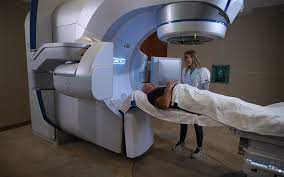
introduction about Ph.D. Journey in Medical Physics
Are you fascinated by the intersection of physics and medicine? Do you aspire to make a meaningful impact in healthcare, contributing to the well-being of patients? Pursuing a Ph.D. in Medical Physics might be your ideal path. In this article, we'll dive deep into this exciting field, exploring what it entails and why it's such a valuable endeavor.
What is a Ph.D. in Medical Physics?
A Ph.D. in Medical Physics is a doctoral-level program that equips students with the knowledge and skills to apply the principles of physics to the field of medicine. These highly trained professionals, known as Medical Physicists, play a crucial role in healthcare settings, ensuring the safe and effective use of radiation in diagnostic and therapeutic procedures.
Educational Requirements
To embark on this journey, you'll need a solid foundation in both physics and mathematics. Typically, you'll start with an undergraduate degree in physics or a related field. During your graduate studies, you'll delve into advanced coursework and engage in research projects to gain specialized knowledge.
Specializations in Medical Physics
Medical Physics encompasses several specialized areas, including:
Diagnostic Medical Physics: Focused on imaging techniques such as X-rays, CT scans, and MRI.
Therapeutic Medical Physics: Concentrated on radiation therapy for cancer treatment.
Nuclear Medical Physics: Involves the use of radioactive materials for diagnostics and treatments.
Career Opportunities
With a Ph.D. in Medical Physics, you'll have diverse career options:
Hospitals and clinics: You can work in clinical settings, ensuring the safety and accuracy of medical equipment.
Academic and research institutions: Joining the academia provides opportunities for research and teaching.
Regulatory bodies: Contribute to the development of safety standards and guidelines.
Research and Dissertation
The heart of your Ph.D. journey lies in your research. You'll explore various areas within Medical Physics, conducting experiments and studies. Your dissertation will be the culmination of your research, where you'll present your findings and defend your work before a committee of experts.
Licensing and Certification
After completing your Ph.D., you'll need to obtain certification through organizations like the ABR (American Board of Radiology) or CAMPEP (Commission on Accreditation of Medical Physics Educational Programs). This certification is essential to practice as a Medical Physicist.
Professional Organizations
Medical Physicists often join professional organizations like the AAPM (American Association of Physicists in Medicine). These organizations provide resources, networking opportunities, and the latest developments in the field.
Challenges and Rewards
The job market for Medical Physicists can be competitive, but the rewards are significant. These professionals enjoy job security, a competitive salary, and the satisfaction of contributing to patient care.
International Opportunities
The field of Medical Physics is not limited to one location. Many Medical Physicists find opportunities to work abroad, broadening their horizons and experiences.
Steps to Pursue a Ph.D. in Medical Physics
If you're ready to pursue a Ph.D. in Medical Physics, here are the steps to get you started:
Identifying suitable programs: Research and select universities and programs that align with your interests and goals.
Application process and tips: Ensure your application stands out by showcasing your passion and dedication to the field.
Scholarships and Financial Aid
Financial concerns should not deter you from your dreams. Many universities and organizations offer scholarships and financial aid to support students in their Ph.D. journey.
How can I apply for admission to PH.D IN MEDICAL PHYSICS Program
Applying for admission to a Ph.D. in Medical Physics program is an exciting step towards a rewarding career at the intersection of physics and healthcare. To help you with the application process, I'll provide a step-by-step guide:
Research Programs: Start by researching universities and institutions that offer Ph.D. programs in Medical Physics. Look for programs that align with your interests, career goals, and geographic preferences. Consider factors such as faculty expertise, research opportunities, and available resources.
Review Admission Requirements: Each program may have specific admission requirements, so carefully review the program's website or contact their admissions department for detailed information. Common requirements may include:
A bachelor's or master's degree in physics, engineering, or a related field.
Prerequisite coursework in physics, mathematics, and biology.
Competitive GPA and standardized test scores (e.g., GRE).
Letters of recommendation.
Statement of purpose or personal statement.
Curriculum vitae (CV) or resume.
Prepare Required Documents:
Academic Transcripts: Ensure you have official transcripts from all previous institutions you attended.
Standardized Tests: If required, register and prepare for standardized tests such as the GRE (Graduate Record Examination) and TOEFL/IELTS if you're an international applicant.
Letters of Recommendation: Request letters from professors, mentors, or employers who can attest to your academic and research abilities.
Statement of Purpose: Write a compelling statement explaining your motivation for pursuing a Ph.D. in Medical Physics, your research interests, and how the program aligns with your career goals.
CV/Resume: Create a comprehensive CV or resume highlighting your academic and professional experiences.
Financial Planning: Consider the cost of tuition and living expenses. Research scholarships, grants, and financial aid opportunities specific to your program or university. Some programs may offer assistantships that provide tuition remission and a stipend in exchange for research or teaching duties.
Submit Your Application:
Complete the online application form provided by the university or institution.
Pay the application fee, if applicable.
Upload all required documents, including transcripts, standardized test scores, letters of recommendation, statement of purpose, and your CV/resume.
Interview: Some programs may require an interview as part of the application process. Be prepared to discuss your academic and research interests, as well as your motivations for pursuing a Ph.D. in Medical Physics.
Follow Up: After submitting your application, stay in contact with the admissions department to ensure that they have received all your documents. Be responsive to any requests for additional information.
Acceptance and Enrollment: If you receive an acceptance letter, review the details of the offer, including any financial aid packages. Once you decide to enroll, follow the enrollment instructions provided by the university.
Prepare for Arrival: If you are an international student, make sure to complete visa requirements and arrange your travel and accommodation. Additionally, familiarize yourself with the program's orientation and registration process.
How long does it takes to complete a PH.D IN MEDICAL PHYSICS program
The duration of a Ph.D. in Medical Physics program can vary depending on several factors, including the institution, the specific program, and the student's progress. On average, completing a Ph.D. in Medical Physics typically takes around 4 to 6 years. Here's a breakdown of the timeline:
Coursework (1-2 years): In the initial phase of the program, students typically complete coursework. This coursework covers advanced topics in medical physics, radiation physics, biology, and other relevant subjects. The duration of this phase can vary, with some programs condensing coursework into one year, while others spread it over two years.
Qualifying Examinations (Varies): After completing coursework, students often need to pass qualifying exams to demonstrate their knowledge and readiness for independent research. The time required to prepare for and pass these exams can vary.
Research and Dissertation (2-4 years): The heart of the Ph.D. program is the research phase. During this period, students work on their doctoral research projects, which culminate in a dissertation. The duration of this phase can vary widely based on the complexity of the research, the student's progress, and the program's requirements.
Dissertation Defense: Once the research is complete, students must defend their dissertation before a committee of experts. This is typically the final stage of the Ph.D. program.
Graduation: After successfully defending the dissertation, students are awarded their Ph.D. in Medical Physics.
What are potential career opportunities after PH.D IN MEDICAL PHYSICS
A Ph.D. in Medical Physics opens up a wide range of exciting and rewarding career opportunities. These highly specialized professionals play a crucial role in healthcare, ensuring the safe and effective use of radiation in diagnostic and therapeutic procedures. Here are some potential career paths after completing a Ph.D. in Medical Physics:
Clinical Medical Physicist: Clinical Medical Physicists work in hospitals and healthcare facilities, where they are responsible for the safe and accurate use of medical equipment such as X-ray machines, CT scanners, MRI devices, and radiation therapy equipment. They ensure that these technologies are used correctly to diagnose and treat patients while minimizing radiation exposure.
Radiation Oncology Physicist: These specialists work in cancer treatment centers and are responsible for planning and delivering radiation therapy to cancer patients. They design treatment plans, monitor the delivery of radiation, and ensure that the prescribed doses are accurate and safe.
Diagnostic Medical Physicist: Diagnostic Medical Physicists focus on imaging techniques, including X-rays, CT scans, and MRI. They optimize imaging equipment, develop imaging protocols, and ensure that images provide the necessary diagnostic information while minimizing radiation exposure to patients.
Nuclear Medicine Physicist: Nuclear Medicine Physicists work with radioactive materials and imaging techniques to diagnose and treat various medical conditions. They manage the use of radioactive tracers, conduct quality control, and ensure that imaging procedures are safe and effective.
Research and Development: Many Ph.D. holders in Medical Physics engage in research and development roles. They work in universities, research institutions, or the private sector, conducting cutting-edge research to advance the field. Research areas can include the development of new medical imaging techniques, radiation therapy technologies, or dosimetry methods.
Academia and Teaching: Some individuals choose to enter academia and become professors, teaching the next generation of medical physicists and conducting research in an academic setting.
Regulatory and Compliance Roles: Professionals can work for regulatory bodies or agencies responsible for setting and enforcing standards for the safe use of radiation in medicine. They ensure that healthcare facilities adhere to established guidelines.
Consulting: Medical Physicists with advanced knowledge and experience often become consultants, offering their expertise to healthcare facilities, research organizations, or companies developing medical devices. They provide guidance on equipment selection, quality control, and regulatory compliance.
Healthcare Administration: Some Medical Physicists transition into administrative roles within healthcare institutions, where they oversee radiation safety programs and ensure compliance with regulatory standards.
International Opportunities: With a Ph.D. in Medical Physics, you may have the chance to work abroad, contributing your expertise in different regions or countries.
Syllabus of PH.D IN MEDICAL PHYSICS
The specific syllabus for a Ph.D. in Medical Physics can vary from one institution to another, and it often depends on the program's goals, faculty expertise, and available resources. However, I can provide a general outline of what you might expect in a Ph.D. in Medical Physics program, organized by semester:
Semester 1 and 2:
Medical Physics Fundamentals: Introduction to the fundamental principles of medical physics, including radiation physics, anatomy, and radiation protection.
Radiological Physics: In-depth study of X-ray and gamma-ray interactions, radiographic imaging, and radiological protection.
Mathematics and Computational Tools: Review of essential mathematical concepts and the use of computational tools for medical physics calculations.
Biology and Physiology for Medical Physicists: Understanding biological systems, their response to radiation, and the effects of radiation on living tissues.
Semester 3 and 4:
Nuclear Medicine Physics: Exploration of nuclear medicine imaging techniques, including SPECT and PET, and their applications.
Radiation Therapy Physics: In-depth study of radiation therapy techniques, including treatment planning, dosimetry, and quality assurance.
Advanced Topics in Medical Imaging: A deeper dive into advanced medical imaging modalities such as MRI, CT, and ultrasound.
Research Methods: Introduction to research methodologies, experimental design, and data analysis for medical physics research.
Semester 5 and 6:
Radiation Safety and Protection: Comprehensive understanding of radiation safety regulations, protection measures, and dose monitoring.
Radiation Oncology Physics: Specialization in radiation oncology physics, including treatment planning, brachytherapy, and quality control.
Advanced Dosimetry: Advanced dosimetric techniques, including three-dimensional conformal radiation therapy and intensity-modulated radiation therapy.
Medical Physics Research: Commencement of research projects, including proposal development and initial data collection.
Semester 7 and 8:
Clinical Practicum: Hands-on clinical experience, often in a hospital or healthcare setting, to apply knowledge and skills in real-world scenarios.
Ethics and Professionalism: Exploration of ethical considerations and professional standards in medical physics practice.
Teaching and Communication Skills: Training in effective communication, teaching, and presentation skills.
Research Continuation: Continuation and advancement of research projects, data analysis, and publication preparation.
Semester 9 and 10:
Advanced Topics and Electives: Specialized courses or electives that align with the student's research interests and career goals.
Dissertation Proposal: Development and submission of a formal dissertation proposal.
Advanced Research: Completion of research projects, data analysis, and writing of the dissertation.
Dissertation Defense: Oral defense of the dissertation before a committee of experts.
This syllabus provides a general overview of what you might encounter in a Ph.D. in Medical Physics program. Keep in mind that the specific courses, requirements, and timeline can vary based on the program and institution. It's essential to review the curriculum and requirements of the program you plan to attend for the most accurate and up-to-date information.
Internship opportunities after completing PH.D IN MEDICAL PHYSICS
After completing a Ph.D. in Medical Physics, there are numerous internship opportunities available to gain practical experience and further enhance your skills and knowledge in the field. Internships provide valuable hands-on training and can serve as a bridge between your academic studies and your career. Here are some internship opportunities you can explore:
Clinical Internship: Many medical physics programs offer clinical internships as part of the curriculum. These internships are typically conducted in hospitals, clinics, or cancer treatment centers, where you can work under the guidance of experienced medical physicists. You will gain experience in clinical settings, learn about quality assurance, treatment planning, and patient care.
Research Internship: If you're inclined towards research, consider internships in research institutions or laboratories. These internships provide the opportunity to work on cutting-edge research projects related to medical physics. You can collaborate with leading researchers and contribute to advancements in the field.
Industry Internship: Medical physics is closely tied to the medical device and healthcare industry. Interning with medical device manufacturers, radiation therapy equipment companies, or pharmaceutical companies allows you to apply your expertise to develop and improve medical technologies.
Government Agencies: Government agencies, such as the Food and Drug Administration (FDA) or the Nuclear Regulatory Commission (NRC), may offer internships in areas related to radiation safety, regulation, and compliance. These opportunities allow you to contribute to public health and safety.
Radiation Safety and Dosimetry Internships: Organizations involved in radiation safety, radiation dosimetry, and radiation protection may provide internships. These internships often focus on monitoring and ensuring the safe use of radiation sources in healthcare and other settings.
Global Health Internships: International organizations, NGOs, or healthcare institutions in other countries may offer internships focused on global health initiatives related to medical physics. These experiences can be particularly valuable for those interested in international healthcare and humanitarian work.
Teaching Internship: If you have an interest in academia, consider internships at universities or colleges. You can work as a teaching assistant, gain experience in curriculum development, and enhance your teaching skills.
Clinical Medical Physics Residency: Some graduates choose to complete a residency program in clinical medical physics. Residency programs are structured and supervised training programs that can lead to board certification in medical physics. While not technically internships, these programs offer structured, hands-on training in clinical settings.
Medical Imaging Internships: Specialized internships related to medical imaging modalities, such as MRI, CT, or ultrasound, are available in both clinical and research settings. These internships provide experience in the operation and maintenance of imaging equipment.
Scholarship and grants for PH.D IN MEDICAL PHYSICS
Pursuing a Ph.D. in Medical Physics can be a significant financial commitment, but there are various scholarships, grants, and funding opportunities available to help support your education and research. Here are some avenues to explore:
University Scholarships: Many universities offer scholarships and fellowships specifically for Ph.D. students in Medical Physics. These can be based on academic merit, research potential, or a combination of factors. Check with the universities you're interested in for details on their scholarship programs.
Graduate Assistantships: Universities often provide graduate assistantship opportunities that include tuition waivers and a stipend in exchange for teaching or research duties. These assistantships can help cover the cost of your Ph.D. program.
Government Grants: Various government agencies, such as the National Institutes of Health (NIH) and the National Science Foundation (NSF), offer research grants and fellowships to support doctoral students in biomedical and health-related fields. These grants can fund your research and provide financial support.
Professional Organizations: Associations like the American Association of Physicists in Medicine (AAPM) and the American Association of Physicists (AAP) offer scholarships and grants for students pursuing careers in medical physics. These awards can help cover tuition and research expenses.
Foundation Scholarships: Many private foundations and organizations provide scholarships and grants for graduate students in medical physics. Examples include the Radiological Society of North America (RSNA) and the American Cancer Society.
Diversity and Minority Scholarships: Some scholarships are specifically aimed at underrepresented minority students in the field of medical physics. These can provide financial assistance and promote diversity in the profession.
Research Assistantships: Collaborating on research projects with your faculty advisor or other researchers can lead to funding opportunities. Research grants often provide financial support for your work, including stipends and research expenses.
Teaching Assistantships: In addition to research assistantships, universities may offer teaching assistantships in physics or related fields. These positions often include stipends and tuition benefits.
Travel Grants: If you plan to present your research at conferences or participate in academic events, consider applying for travel grants, which can cover travel and registration expenses.
Industry Sponsorship: Some medical device and healthcare companies offer sponsorships, scholarships, or tuition reimbursement programs for students pursuing medical physics degrees, particularly if your research aligns with their areas of interest.
International Scholarships: If you're an international student, explore scholarships available to international Ph.D. candidates. Some universities and organizations provide funding to support global talent.
Fulbright Scholarships: If you're an international student looking to study in the United States, the Fulbright Program offers scholarships for graduate studies, including Ph.D. programs.
Conclusion
In conclusion, a Ph.D. in Medical Physics is a rewarding and impactful path for those passionate about the intersection of physics and healthcare. The skills and knowledge you acquire in this field are in high demand, ensuring a fulfilling and prosperous career.
FAQs
What is the job outlook for Medical Physicists?
The job outlook is promising, with a growing demand for qualified Medical Physicists, especially in the healthcare industry.
How long does it take to complete a Ph.D. in Medical Physics?
The duration varies but typically takes around 4 to 6 years to complete.
Can I specialize in more than one area of Medical Physics during my Ph.D. program?
Yes, you can choose to specialize in multiple areas depending on your program and research interests.
Are there international opportunities for Medical Physicists?
Yes, many Medical Physicists find opportunities to work in different countries, expanding their global experience.
What are the prerequisites for applying to a Ph.D. program in Medical Physics?
Prerequisites typically include a bachelor's degree in a related field, such as physics or engineering, and strong mathematical and scientific aptitude.
How Shiksha Hub helps you in
-
 Student Counsellors
 -
 Career Counseling
 -
 Research
 -
 24/7 Support
 -
 Scholarships
 -
 Community