Posted by Admin on 03-11-2022 in Shiksha hub
Ph.D.in Information Security Systems Introduction Admission Registration, Eligibility, Duration, Fees, Syllabus 2024
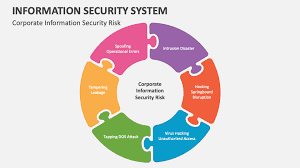
Introduction about Ph.D.in Information Security Systems Program
A Ph.D. in Information Security Systems is a doctoral program that focuses on advanced research and expertise in the field of information security. Information security is a critical area of study in today's digital age, as the proliferation of technology and the internet has led to an increasing need for protecting sensitive information from cyber threats and unauthorized access.
In this Ph.D. program, students delve deep into the theoretical and practical aspects of information security, gaining a comprehensive understanding of the complex challenges and solutions within the domain. The program typically covers a wide range of topics, including cryptography, network security, data privacy, risk management, cyber threat intelligence, and more. Students are encouraged to conduct original research in these areas, contributing to the advancement of knowledge and the development of innovative solutions to real-world security problems.
Ph.D. candidates in Information Security Systems often work closely with experienced faculty members and fellow researchers, engaging in cutting-edge research projects, and publishing their findings in academic journals and conferences. This advanced level of education and research equips graduates with the skills and knowledge needed to address the ever-evolving landscape of cyber threats and to make significant contributions to the field of information security.
Upon completing a Ph.D. in Information Security Systems, graduates are well-prepared for careers in academia, industry, government, or research institutions. They may work as university professors, cybersecurity experts, information security analysts, consultants, or as researchers dedicated to finding solutions to the most pressing security challenges of our digital age. Overall, a Ph.D. in Information Security Systems offers an opportunity to make a substantial impact on the protection of digital assets and information in an increasingly interconnected world.
How can I apply for admission to Ph.D.in Information Security Systems Program Program
Applying for admission to a Ph.D. in Information Security Systems program typically involves several steps, and the specific requirements may vary from one university or institution to another. Here is a general guideline on how to apply for such a program:
Research Programs: Start by researching universities and institutions that offer Ph.D. programs in Information Security Systems. Look for programs that align with your research interests and career goals. You can use online resources, university websites, and academic databases to find relevant programs.
Check Eligibility: Review the admission requirements for each program you're interested in. Typically, you will need a master's degree in a related field, such as computer science, cybersecurity, or information technology. Some programs may consider applicants with a bachelor's degree if they have extensive relevant experience.
Prepare Required Documents:
Transcripts: Gather official transcripts from all your previous academic institutions.
Letters of Recommendation: Request letters of recommendation from professors, employers, or professionals who can speak to your academic and research abilities.
Statement of Purpose: Write a compelling statement of purpose that outlines your research interests, career goals, and why you want to pursue a Ph.D. in Information Security Systems at that specific institution.
Resume/CV: Prepare a comprehensive resume or curriculum vitae highlighting your academic and professional achievements.
Standardized Test Scores: Some programs may require GRE or other standardized test scores. Check the specific requirements of the programs you're applying to.
Research Advisors: Identify potential research advisors or faculty members at the institution whose research aligns with your interests. Reach out to them, express your interest, and ask if they are accepting new Ph.D. students.
Application Submission: Complete the online application form for each institution you're applying to. Pay close attention to deadlines and ensure you submit all required documents. Many universities use online application portals, such as the Common Application or university-specific systems.
Interview: If your application is shortlisted, you may be invited for an interview, either in person or via video conference. Be prepared to discuss your research interests and why you want to join their program.
Financial Aid and Scholarships: Explore funding opportunities, such as scholarships, assistantships, or research grants, that may be available for Ph.D. students. Financial support can significantly reduce the cost of your education.
Acceptance and Enrollment: Once you receive admission offers, carefully consider your options and choose the program that best aligns with your goals. Follow the enrollment instructions provided by the institution.
Visa and Immigration: If you are an international student, you will need to apply for a student visa to study in the respective country. Follow the visa application process and ensure you have all the necessary documentation.
Remember that admission to Ph.D. programs in Information Security Systems can be competitive, so it's important to submit a strong application that showcases your qualifications, research potential, and commitment to the field. Tailor your application to each institution's specific requirements and priorities to maximize your chances of acceptance.
What is the eligibility for Ph.D.in Information Security Systems Program
Eligibility criteria for a Ph.D. in Information Security Systems may vary depending on the specific university or institution offering the program. However, here are some general eligibility requirements commonly expected for admission to a Ph.D. program in Information Security Systems:
Educational Background:
A master's degree: Most Ph.D. programs in Information Security Systems require applicants to have a master's degree in a related field. This can include disciplines such as computer science, information technology, cybersecurity, or a closely related area.
Some programs may consider exceptional candidates with a bachelor's degree if they have extensive relevant work experience and a strong academic background. However, this is less common.
Academic Record:
A strong academic record is essential. Applicants should have a high GPA in their previous academic studies, especially at the master's level.
Research Interests:
Applicants should have a clear and well-defined research interest in the field of Information Security Systems. Your research interests should align with the expertise and focus areas of the program's faculty.
Letters of Recommendation:
Typically, you will need to provide letters of recommendation from professors or professionals who can speak to your academic and research abilities. Strong, personalized recommendations are highly valued.
Statement of Purpose:
A well-written statement of purpose is crucial. It should articulate your research interests, career goals, and why you want to pursue a Ph.D. in Information Security Systems at that particular institution.
Standardized Test Scores:
Some universities may require standardized test scores, such as the GRE (Graduate Record Examination) or relevant subject-specific tests. However, an increasing number of institutions are moving away from standardized test requirements, so it's important to check the specific requirements of the programs you are interested in.
Work Experience:
Relevant work experience in information security, cybersecurity, or related fields can be a valuable asset in your application. Some programs may look favorably upon applicants with professional experience in the industry.
Interview:
In some cases, you may be invited for an interview, either in person or via video conference. This interview is an opportunity for you to discuss your research interests and goals with the admissions committee.
Language Proficiency:
If the language of instruction at the institution is not your native language, you may be required to demonstrate proficiency in the language, typically through standardized tests like TOEFL or IELTS for English-language programs.
It's important to note that eligibility criteria can vary from one institution to another, so it's advisable to carefully review the specific admission requirements of the Ph.D. programs you are interested in. Additionally, reaching out to the admissions offices or program coordinators for clarification on any eligibility questions can be helpful in ensuring you meet the requirements for your desired program.
How long does it takes to complete a Ph.D.in Information Security Systems Program
The duration of a Ph.D. program in Information Security Systems typically varies depending on several factors, including the specific program, the country or university offering the degree, and the individual's progress in their research. However, a typical timeframe for completing a Ph.D. in Information Security Systems is as follows:
Coursework (1-2 years): In the initial phase of the program, students typically take courses related to their field of study. This coursework helps build a strong foundation in information security concepts, research methodologies, and related subjects. The duration of this phase can vary, but it often takes 1-2 years.
Comprehensive Exams and Research Proposal (Varies): After completing coursework, students may need to pass comprehensive exams in their chosen area of study. Once the exams are passed, they typically develop a research proposal outlining their intended Ph.D. research project. The time required for this phase can vary widely, depending on the student's progress.
Research and Dissertation (3-4 years or more): The heart of a Ph.D. program is the research and dissertation phase. This is when students conduct original research, gather data, analyze findings, and write their dissertation. The duration of this phase is the most variable, with some students completing it in 3-4 years, while others may take longer. The time needed often depends on the complexity of the research, the resources available, and the student's research productivity.
Dissertation Defense and Graduation (Varies): Once the dissertation is completed, students must defend their research before a committee of faculty members. The time required for this process can vary, and it depends on the scheduling of the defense and any revisions needed.
In total, a Ph.D. in Information Security Systems can take anywhere from 4 to 7 years or more to complete, depending on the factors mentioned above. The key to a timely completion is making steady progress on the research and dissertation, as well as meeting the program's specific requirements and deadlines.
It's essential for Ph.D. students to work closely with their advisors, adhere to program guidelines, and maintain a rigorous research schedule to ensure a successful and timely completion of their degree. Additionally, external factors, such as funding availability, research challenges, and personal commitments, can influence the overall timeline for completing a Ph.D. program.
What are potential career opportunities afterPh.D.in Information Security Systems
Earning a Ph.D. in Information Security Systems opens up a wide range of career opportunities in various sectors, given the increasing importance of cybersecurity and data protection in today's digital age. Here are some potential career paths and opportunities for Ph.D. graduates in this field:
Academia and Research:
Professor/Researcher: Many Ph.D. graduates go on to become professors or researchers at universities, where they teach and conduct advanced research in information security.
Industry:
Chief Information Security Officer (CISO): CISOs are responsible for overseeing an organization's information security strategy, policies, and programs.
Security Consultant: Consultants work with organizations to assess, design, and implement security solutions and strategies.
Security Analyst: Security analysts monitor an organization's networks and systems for potential security threats and incidents.
Security Architect: Architects design and create security systems and frameworks to protect an organization's digital assets.
Threat Intelligence Analyst: These professionals focus on gathering and analyzing data related to emerging cyber threats and vulnerabilities.
Penetration Tester (Ethical Hacker): Penetration testers assess an organization's security by attempting to identify and exploit vulnerabilities.
Government and Defense:
Cybersecurity Specialist: Government agencies and defense organizations hire cybersecurity experts to protect sensitive information and critical infrastructure.
Financial Services:
Information Security Manager: Banks and financial institutions require security managers to protect customer data and financial assets.
Healthcare:
Healthcare Security Officer: The healthcare sector needs experts to safeguard patient records and sensitive medical information.
Technology Companies:
Information Security Engineer: Engineers work on designing, implementing, and maintaining security measures for technology companies and startups.
Data Privacy Officer: These professionals ensure compliance with data protection regulations and policies.
Nonprofit and International Organizations:
Information Security Officer: Nonprofits and international organizations hire security officers to protect sensitive data and ensure data privacy.
Startups:
Startup Founder or CTO: Some Ph.D. graduates choose to start their own information security startups, developing innovative solutions or consulting services.
Freelance and Consulting:
Freelance Consultant: Many Ph.D. graduates offer their expertise as independent consultants, working with a variety of clients on specific security projects.
Cybersecurity Policy and Compliance:
Policy Advisor: Some graduates work in roles related to cybersecurity policy development and compliance, helping organizations adhere to industry regulations and standards.
Forensics and Incident Response:
Digital Forensics Investigator: These professionals analyze digital evidence related to cybercrimes and incidents.
Education and Training:
Training and Curriculum Development: Developing educational materials and conducting training sessions on information security is a growing field.
Ph.D. graduates in Information Security Systems are well-positioned to take on leadership roles, contribute to cutting-edge research, and make significant impacts in their chosen career paths. The field of cybersecurity is dynamic, and the demand for experts continues to grow, making it a promising and rewarding field for those with advanced degrees in the discipline.
Syllabus of Ph.D.in Information Security Systems
The specific syllabus for a Ph.D. in Information Security Systems can vary widely depending on the university, the faculty's expertise, and the research interests of the students. However, I can provide a general outline of the topics and areas of study that may be covered in a semester-wise breakdown. Please note that this is a broad overview, and the actual courses and content can differ between institutions.
Semester 1-2 (Coursework):
Semester 1:
Introduction to Information Security
Cryptography and Cryptanalysis
Network Security
Cybersecurity Principles and Practices
Research Methodologies in Information Security
Semester 2:
Secure Software Development
Database Security
Information Assurance and Risk Management
Ethical Hacking and Penetration Testing
Elective Course: Depending on the student's research interests, they might choose an elective related to their specific focus within Information Security Systems.
Semester 3-4 (Advanced Courses and Comprehensive Exams):
Semester 3:
Advanced Cryptography
Intrusion Detection and Prevention Systems
Secure Systems Design and Implementation
Legal and Ethical Aspects of Cybersecurity
Research Proposal Development
Semester 4:
Comprehensive Examinations: Students often take comprehensive exams in their chosen area of study to demonstrate their expertise and readiness to advance to the research phase.
Proposal Presentation: Students typically present their research proposals to faculty and peers for feedback.
Semester 5-8 (Research and Dissertation):
Semester 5-8:
Research Credits: Most of this phase is dedicated to conducting original research and working on the dissertation.
Dissertation Writing: Students work on writing their dissertation, presenting their findings and insights related to a specific research topic within Information Security Systems.
Semester 9 (Dissertation Defense and Graduation):
Semester 9:
Dissertation Defense: Students defend their research in front of a committee of faculty members.
Final Revisions: After successful defense, students may need to make final revisions to the dissertation.
Graduation: Upon acceptance of the dissertation, students graduate with a Ph.D. in Information Security Systems.
Please keep in mind that the above syllabus is a general guideline and may vary from one program to another. Additionally, the research phase (Semester 5-8) is highly personalized and depends on the student's chosen research area and the guidance of their advisor. It's essential to consult the specific program and institution you are interested in for the most accurate and detailed syllabus.
Internship opportunities after completing Ph.D.in Information Security Systems
Internship opportunities after completing a Ph.D. in Information Security Systems can be valuable, especially for those looking to gain practical experience, network with professionals, and explore potential career paths. While internships are more commonly associated with undergraduate and master's programs, Ph.D. graduates can still benefit from various types of internships. Here are some opportunities:
Postdoctoral Research Positions: Many Ph.D. graduates in Information Security Systems pursue postdoctoral research positions, which are essentially research-focused internships. These positions allow you to work with experienced researchers, further develop your research skills, and contribute to ongoing projects. They are typically offered by universities, research institutions, and sometimes private companies.
Industry Internships: Some technology and cybersecurity companies offer internships specifically designed for Ph.D. graduates. These internships may involve working on research projects, developing new technologies, or providing expert advice on complex security challenges. It's important to actively seek out these opportunities and reach out to potential employers.
Government Agencies and Defense Organizations: Government entities, such as the Department of Homeland Security in the United States or various cybersecurity agencies in other countries, may offer internships for Ph.D. graduates. These internships can involve working on national security and critical infrastructure protection initiatives.
Nonprofit Organizations: Nonprofit organizations focused on cybersecurity and digital rights may offer internships for Ph.D. graduates. These internships can involve research, policy advocacy, and educational outreach efforts.
Think Tanks and Research Centers: Various think tanks and research centers, like the RAND Corporation or the Center for Strategic and International Studies (CSIS), may offer internships focused on cybersecurity and national security research.
Academic Internships: Some universities and academic institutions may allow Ph.D. graduates to take on short-term internships, either in research or teaching roles. This can be a bridge to an academic career.
Startups: Information security startups may offer internships to Ph.D. graduates who can contribute their expertise to the development of innovative security solutions.
Consulting Firms: Cybersecurity consulting firms sometimes hire Ph.D. graduates as interns to assist with client projects and develop practical consulting skills.
When seeking internship opportunities, it's essential to network with professionals in your field, engage with professors, and actively search for positions that align with your career goals. While Ph.D. graduates are often highly specialized, an internship can provide you with additional practical experience, exposure to industry trends, and the chance to apply your research and knowledge to real-world challenges.
Scholarship and grants for Ph.D.in Information Security Systems Program
Scholarships and grants for a Ph.D. in Information Security Systems can help alleviate the financial burden of pursuing advanced education. These financial aid opportunities can come from various sources, including universities, government agencies, private organizations, and industry associations. Here are some types of scholarships and grants that Ph.D. students in Information Security Systems can explore:
University Scholarships: Most universities offer scholarships and fellowships to their Ph.D. students, which can cover tuition and provide a stipend for living expenses. Check with the specific university you're interested in for available opportunities.
Government Fellowships: In some countries, government agencies, such as the National Science Foundation (NSF) in the United States or the European Union's Horizon 2020 program, provide fellowships and grants for doctoral research in cybersecurity and related fields.
Industry-Sponsored Scholarships: Many technology and cybersecurity companies offer scholarships and financial support to students pursuing Ph.D. degrees. Companies like Google, Facebook, and IBM, for example, may provide funding for research projects in information security.
Professional Organizations: Associations and organizations dedicated to information security, such as (ISC)² and ISACA, often offer scholarships and grants to support research and education in the field.
Research Grants: Research grants from organizations like the Defense Advanced Research Projects Agency (DARPA) or the National Institute of Standards and Technology (NIST) can provide financial support for doctoral research in cybersecurity.
Nonprofit Foundations: Some nonprofit foundations focus on supporting education and research in the field of information security. Look for foundations that align with your research interests and career goals.
Diversity and Inclusion Scholarships: Some scholarships are specifically designed to support underrepresented minorities, women, or individuals with disabilities pursuing advanced degrees in cybersecurity and related fields.
Regional and International Scholarships: Depending on your location and the universities you're considering, there may be regional or international scholarships available for Ph.D. students. These can vary widely, so it's worth researching options specific to your circumstances.
Cybersecurity Competitions and Contests: Some cybersecurity competitions and contests offer scholarships as prizes. Participating in and excelling in such contests can be a way to secure financial support for your education.
Teaching Assistantships and Research Assistantships: While not scholarships in the traditional sense, teaching assistantships and research assistantships often come with tuition waivers and a stipend in exchange for teaching or assisting in research projects.
To find scholarship and grant opportunities, you can start by researching the websites of universities you're interested in, exploring the offerings of relevant professional organizations, and searching for government programs. It's also beneficial to network with professors and peers who may be aware of funding opportunities within the field of information security. Additionally, online scholarship databases and financial aid search engines can help you identify available awards based on your specific criteria and interests.
FAQ's
Certainly! Here are some frequently asked questions (FAQ) related to pursuing a Ph.D. in Information Security Systems:
What is the difference between a Ph.D. and a master's degree in Information Security Systems?
A Ph.D. is a doctoral-level degree that focuses on in-depth research and the creation of new knowledge in the field, while a master's degree is typically more coursework-based. A Ph.D. program is longer and more research-intensive.
How long does it take to complete a Ph.D. in Information Security Systems?
The duration varies, but it often takes 4 to 7 years, depending on the program, research progress, and the student's commitment.
What are the prerequisites for admission to a Ph.D. program in Information Security Systems?
Typically, you need a master's degree in a related field, a strong academic record, research interests, letters of recommendation, and a well-defined statement of purpose.
Can I work while pursuing a Ph.D. in Information Security Systems?
It's possible, but the demands of a Ph.D. program, especially during the research phase, can be significant. Many students receive stipends or assistantships that may require some work in teaching or research roles.
What are the career prospects after earning a Ph.D. in Information Security Systems?
Graduates can pursue careers in academia, research, cybersecurity consulting, government, technology companies, and more. The field offers a wide range of opportunities.
Are there scholarships and grants available for Ph.D. students in Information Security Systems?
Yes, there are various scholarships and grants from universities, government agencies, industry sponsors, and professional organizations to support Ph.D. students.
What should I look for when choosing a Ph.D. program in Information Security Systems?
Consider factors such as faculty expertise, research facilities, funding opportunities, and the alignment of the program with your research interests.
What is the value of a Ph.D. in Information Security Systems in the job market?
A Ph.D. can open doors to high-level research and leadership roles, especially in academia, research institutions, and senior positions in the cybersecurity industry.
Can I specialize in a specific area within Information Security Systems during my Ph.D.?
Yes, many Ph.D. programs allow students to specialize in areas such as cryptography, network security, data privacy, or cyber threat intelligence based on their research interests.
What is the importance of original research in a Ph.D. program in Information Security Systems? - Original research is a cornerstone of a Ph.D. program. It contributes to the field's knowledge and demonstrates your expertise and ability to address complex cybersecurity challenges.
Remember that specific program details can vary, so it's essential to consult with the institutions you are interested in for the most accurate information on their Ph.D. programs in Information Security Systems.
Conclusion
Ph.D. in Information Security Systems offers an opportunity to make a substantial impact on the protection of digital assets and information in an increasingly interconnected world.
How Shiksha Hub helps you in
-
 Student Counsellors
 -
 Career Counseling
 -
 Research
 -
 24/7 Support
 -
 Scholarships
 -
 Community