Posted by Admin on 12-07-2023 in Shiksha hub
Physiotherapy Introduction, Admission, Registration, Eligibility, Duration, Fees, Syllabus 2024
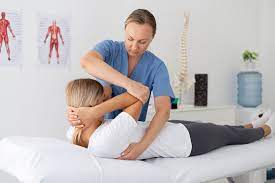
Introduction about Physiotherapy
Physiotherapy, also known as physical therapy, is a healthcare profession that focuses on promoting, maintaining, and restoring physical well-being and functionality. Physiotherapists, or physical therapists, are highly trained healthcare professionals who use a combination of manual therapy, exercise, and education to help individuals manage and overcome a variety of physical conditions, injuries, and disabilities.
The primary goal of physiotherapy is to enhance a person's quality of life by optimizing movement and function. Physiotherapists work with individuals of all ages and backgrounds, from children to the elderly, and across a wide range of health conditions. They play a crucial role in both preventing and treating physical challenges, whether they arise from injury, illness, surgery, or simply the aging process.
Physiotherapy encompasses a diverse range of specialties, including musculoskeletal, neurological, cardiovascular, and respiratory physiotherapy. In musculoskeletal physiotherapy, for example, therapists may address issues related to muscles, bones, joints, and soft tissues, while neurological physiotherapy focuses on conditions affecting the nervous system. Cardiovascular and respiratory physiotherapy, on the other hand, involves interventions for individuals with heart or lung-related concerns.
Treatment modalities in physiotherapy include therapeutic exercises, manual therapy techniques (such as joint mobilization and massage), electrotherapy, and hydrotherapy. Physiotherapists also educate patients on self-management strategies, lifestyle modifications, and injury prevention to empower individuals to take an active role in their own health.
Physiotherapy is often an integral part of the interdisciplinary approach to healthcare, collaborating with other healthcare professionals like doctors, nurses, and occupational therapists to provide comprehensive care. The field continues to evolve with advancements in research and technology, ensuring that physiotherapists can offer evidence-based, cutting-edge interventions to optimize physical function and well-being.
How can I apply for admission to Physiotherapy
Applying for admission to a physiotherapy program typically involves several steps. Here is a general guide on how to apply:
Research Programs: Start by researching physiotherapy programs at universities or colleges. Consider factors such as program accreditation, faculty expertise, facilities, and the overall reputation of the institution.
Check Admission Requirements: Review the admission requirements for each program you are interested in. Requirements may include academic qualifications, prerequisite courses, standardized test scores (such as the GRE or other relevant exams), letters of recommendation, and a personal statement.
Academic Prerequisites: Ensure that you have completed the necessary prerequisite courses. Physiotherapy programs often require a strong background in sciences, including biology, chemistry, physics, and anatomy. Some programs may also have specific grade point average (GPA) requirements.
Standardized Tests: If required, prepare and take any necessary standardized tests. Be sure to check the specific requirements of each program. Scores from tests like the GRE may be part of the application process.
Letters of Recommendation: Request letters of recommendation from teachers, professors, or professionals who can speak to your academic and personal qualities. Ensure that these individuals know you well and can provide strong, positive recommendations.
Personal Statement: Write a compelling personal statement or essay. This is an opportunity to showcase your passion for physiotherapy, your relevant experiences, and your career goals. Tailor your statement to each program's specific requirements.
Application Form: Complete the application form for each program you are applying to. Be meticulous in providing accurate and complete information. Pay attention to deadlines, and submit your applications on time.
Transcripts: Request official transcripts from all educational institutions you have attended. Ensure that transcripts are sent directly to the institutions to which you are applying.
Interviews: Some programs may require interviews as part of the admission process. Prepare for interviews by researching common physiotherapy interview questions and practicing your responses.
Financial Aid: Explore financial aid options, scholarships, or grants that may be available to support your education. Many institutions offer financial assistance to eligible students.
Follow Up: After submitting your applications, follow up to ensure that all required materials have been received. Stay informed about the status of your application and respond promptly to any requests for additional information.
What is the eligibility for Physiotherapy
The eligibility criteria for physiotherapy programs can vary depending on the country and the specific institution offering the program. However, here are some common eligibility requirements:
Educational Qualifications: Typically, candidates must have completed high school or an equivalent secondary education with a strong emphasis on science subjects such as biology, chemistry, and physics. Some programs may also have specific subject prerequisites.
Prerequisite Courses: Many physiotherapy programs require candidates to have completed certain prerequisite courses, often in the sciences. These may include anatomy, physiology, biology, and chemistry. The specific courses can vary, so it's essential to check the requirements of the individual program.
Minimum Grade Point Average (GPA): Programs often have a minimum GPA requirement for admission. This requirement can vary, but a competitive GPA in relevant subjects is typically expected. Some programs may also consider overall academic performance.
Standardized Tests: In some regions or institutions, candidates may be required to take standardized tests such as the GRE (Graduate Record Examination) or other relevant exams. Check the specific requirements of the program to which you are applying.
Language Proficiency: For programs conducted in English, non-native English speakers may need to demonstrate proficiency in the English language through tests like the TOEFL (Test of English as a Foreign Language) or IELTS (International English Language Testing System).
Work or Volunteer Experience: Some programs may value or require candidates to have relevant work or volunteer experience in a healthcare or physiotherapy setting. This experience can demonstrate a genuine interest in the field and provide valuable insights.
Letters of Recommendation: Applicants may be required to submit letters of recommendation from teachers, professors, or professionals who can vouch for their academic abilities and suitability for the program.
Interviews: Certain programs may conduct interviews as part of the admission process. The interview allows the admissions committee to assess the candidate's interpersonal skills, communication abilities, and motivation for pursuing a career in physiotherapy.
Age Restrictions: Some institutions may have age restrictions or preferences for entry into physiotherapy programs. It's important to check if there are any age-related eligibility criteria.
It's crucial to review the specific admission requirements of each physiotherapy program you are interested in, as they can vary significantly. Contact the admissions offices of the institutions or consult their official websites for the most accurate and up-to-date information on eligibility criteria.
What is the eligibility for Physiotherapy
The eligibility criteria for physiotherapy programs can vary depending on the country and the specific institution offering the program. However, here are some common eligibility requirements:
Educational Qualifications: Typically, candidates must have completed high school or an equivalent secondary education with a strong emphasis on science subjects such as biology, chemistry, and physics. Some programs may also have specific subject prerequisites.
Prerequisite Courses: Many physiotherapy programs require candidates to have completed certain prerequisite courses, often in the sciences. These may include anatomy, physiology, biology, and chemistry. The specific courses can vary, so it's essential to check the requirements of the individual program.
Minimum Grade Point Average (GPA): Programs often have a minimum GPA requirement for admission. This requirement can vary, but a competitive GPA in relevant subjects is typically expected. Some programs may also consider overall academic performance.
Standardized Tests: In some regions or institutions, candidates may be required to take standardized tests such as the GRE (Graduate Record Examination) or other relevant exams. Check the specific requirements of the program to which you are applying.
Language Proficiency: For programs conducted in English, non-native English speakers may need to demonstrate proficiency in the English language through tests like the TOEFL (Test of English as a Foreign Language) or IELTS (International English Language Testing System).
Work or Volunteer Experience: Some programs may value or require candidates to have relevant work or volunteer experience in a healthcare or physiotherapy setting. This experience can demonstrate a genuine interest in the field and provide valuable insights.
Letters of Recommendation: Applicants may be required to submit letters of recommendation from teachers, professors, or professionals who can vouch for their academic abilities and suitability for the program.
Interviews: Certain programs may conduct interviews as part of the admission process. The interview allows the admissions committee to assess the candidate's interpersonal skills, communication abilities, and motivation for pursuing a career in physiotherapy.
Age Restrictions: Some institutions may have age restrictions or preferences for entry into physiotherapy programs. It's important to check if there are any age-related eligibility criteria.
How long does it takes to complete a Physiotherapy
The duration to complete a physiotherapy program varies depending on the level of education and the country in which the program is undertaken. Here are the general timelines:
Bachelor's Degree in Physiotherapy:
In many countries, the undergraduate degree in physiotherapy typically takes four years to complete.
The curriculum includes a combination of academic coursework, practical training, and clinical placements.
Master's Degree in Physiotherapy:
Some countries offer a Master's degree in physiotherapy, which usually follows a Bachelor's degree in a related field.
A Master's program typically takes two years to complete.
Doctor of Physiotherapy (DPT) or equivalent:
In some regions, there is a trend toward offering a Doctor of Physiotherapy (DPT) as the entry-level qualification.
A DPT program usually takes around three years to complete, and it encompasses both academic and clinical components.
Postgraduate Specialization:
After completing the initial physiotherapy education, some professionals choose to pursue postgraduate studies or specialization in specific areas of physiotherapy.
Postgraduate programs can vary in duration, often ranging from one to three years, depending on the specialization and the country's educational system.
It's important to note that these timelines are general estimates, and the actual duration can vary by country and educational institution. Additionally, some countries may have different entry-level requirements, leading to variations in the duration of physiotherapy programs.
Clinical internships and practical training are integral components of physiotherapy education, providing students with hands-on experience in real healthcare settings. The completion of these practical components is essential for gaining the necessary skills and competencies required for professional practice.
Prospective physiotherapy students should check with specific universities or educational institutions offering physiotherapy programs for accurate and up-to-date information on program duration, curriculum, and entry requirements.
What are potential career opportunities after Physiotherapy
After completing a physiotherapy program, individuals can pursue a variety of career opportunities in diverse healthcare settings. Here are some potential career paths for physiotherapists:
Clinical Physiotherapist:
Many physiotherapists work in clinical settings, such as hospitals, rehabilitation centers, or private clinics. They assess and treat patients with a wide range of conditions, including musculoskeletal, neurological, respiratory, and cardiovascular issues.
Sports Physiotherapist:
Sports physiotherapists specialize in treating athletes and individuals engaged in physical activities. They may work with sports teams, fitness centers, or as independent practitioners, helping athletes prevent and recover from injuries.
Pediatric Physiotherapist:
Pediatric physiotherapists focus on working with children and adolescents, addressing developmental issues, congenital conditions, and injuries. They may work in hospitals, schools, or private practices.
Geriatric Physiotherapist:
Geriatric physiotherapists specialize in working with elderly individuals, addressing age-related conditions, mobility issues, and promoting overall well-being. They may work in nursing homes, assisted living facilities, or community health settings.
Orthopedic Physiotherapist:
Orthopedic physiotherapists specialize in treating musculoskeletal conditions, such as fractures, joint replacements, and soft tissue injuries. They often work closely with orthopedic surgeons in hospital settings.
Neurological Physiotherapist:
Neurological physiotherapists work with individuals with neurological conditions, such as stroke, spinal cord injuries, and multiple sclerosis. They help improve mobility, coordination, and functional independence.
Cardiorespiratory Physiotherapist:
Physiotherapists specializing in cardiorespiratory care focus on conditions affecting the heart and lungs. They may work with individuals recovering from cardiac surgery, managing respiratory conditions, or providing pulmonary rehabilitation.
Academic and Research Positions:
Some physiotherapists choose to pursue careers in academia, teaching future generations of physiotherapists and engaging in research to contribute to the advancement of the field.
Occupational Health Physiotherapist:
Physiotherapists in occupational health settings may work with employees to prevent and manage work-related injuries, assess ergonomic factors, and promote workplace wellness.
Private Practice:
Physiotherapists can establish their own private practices, offering services to clients in the community. This may involve treating a variety of conditions and developing specialized areas of expertise.
Global Health and Humanitarian Work:
Some physiotherapists choose to work in global health or humanitarian settings, providing care in underserved communities, disaster-stricken areas, or through international organizations.
Syllabus of Physiotherapy
Semester 1:
Anatomy - I
Physiology - I
Biochemistry
Introduction to Physiotherapy
Basic Nursing and First Aid
English Communication Skills
Introduction to Psychology
Orientation to Healthcare
Semester 2:
Anatomy - II
Physiology - II
Psychology in Health and Illness
Sociology in Health and Illness
Pharmacology
Pathology
Exercise Therapy - I
Introduction to Microbiology
Semester 3:
Biomechanics and Kinesiology
Exercise Therapy - II
Electrotherapy - I
General Medicine
General Surgery
Introduction to Research Methodology
Community-Based Rehabilitation
Field Visit - I
Semester 4:
Orthopedics - I
Cardio-Respiratory Physiotherapy - I
Electrotherapy - II
Introduction to Neurology
Clinical Observation Posting - I
Introduction to Geriatrics
Ethics and Professionalism in Healthcare
Field Visit - II
Semester 5:
Orthopedics - II
Cardio-Respiratory Physiotherapy - II
Neurological Physiotherapy - I
Sports Physiotherapy - I
Research Project - I
Clinical Observation Posting - II
Health Economics and Health Policy
Field Visit - III
Semester 6:
Neurological Physiotherapy - II
Pediatrics Physiotherapy
Sports Physiotherapy - II
Research Project - II
Clinical Observation Posting - III
Occupational Health and Ergonomics
Entrepreneurship in Physiotherapy
Field Visit - IV
Internship opportunities after completing Physiotherapy
After completing a physiotherapy program, individuals typically have the opportunity to undergo internships or clinical placements to gain hands-on experience in a healthcare setting. These internships are crucial for applying theoretical knowledge, developing practical skills, and preparing for a career as a physiotherapist. Here are some common internship opportunities that physiotherapy graduates may explore:
Hospital Internships:
Many physiotherapy programs include clinical rotations in hospitals. Interns may work in various departments, such as orthopedics, neurology, cardiology, and respiratory care, to gain diverse clinical experience.
Rehabilitation Centers:
Internships in rehabilitation centers focus on providing physiotherapy services to individuals recovering from injuries, surgeries, or chronic conditions. This setting offers exposure to long-term rehabilitation and multidisciplinary collaboration.
Outpatient Clinics:
Interning in outpatient clinics allows physiotherapy graduates to work with individuals seeking rehabilitation services on an outpatient basis. This may include musculoskeletal rehabilitation, sports injuries, and general physiotherapy services.
Sports Medicine Facilities:
Physiotherapists interested in sports medicine can pursue internships in sports clinics or facilities associated with sports teams. This provides experience in treating sports-related injuries and working with athletes.
Pediatric Settings:
Internships in pediatric hospitals, clinics, or schools allow physiotherapy graduates to work with children and adolescents. This may involve addressing developmental issues, congenital conditions, and injuries specific to the pediatric population.
Geriatric Care Facilities:
Internships in nursing homes, assisted living facilities, or geriatric hospitals focus on providing physiotherapy services to the elderly. This includes addressing mobility issues, falls prevention, and enhancing overall well-being.
Community Health Centers:
Some physiotherapy programs offer internships in community health settings, allowing graduates to engage with diverse populations and contribute to community-based rehabilitation initiatives.
Home Health Care:
Internships in home health care settings involve providing physiotherapy services to individuals in their homes. This offers a unique perspective on delivering care in a non-clinical environment.
Occupational Health and Corporate Settings:
Physiotherapy graduates can intern in occupational health settings, working with employees to prevent and manage work-related injuries. Corporate settings may also provide opportunities for workplace wellness programs.
International or Humanitarian Opportunities:
Some physiotherapists choose internships or volunteer opportunities in international or humanitarian settings. This allows them to contribute to healthcare initiatives in underserved communities or areas affected by disasters.
It's essential for physiotherapy graduates to actively seek internships, as these experiences play a vital role in skill development, professional networking, and transitioning from academic study to practical application in the field. Institutions often assist students in securing internship placements, and graduates may also explore opportunities through networking, job fairs, and online platforms.
Scholarships and grants for Physiotherapy
Scholarships and grants for physiotherapy students are available from various sources, including universities, private organizations, government agencies, and professional associations. Here are some potential avenues for finding financial support for your physiotherapy education:
University Scholarships:
Many universities offer scholarships to incoming or current physiotherapy students based on academic merit, financial need, or a combination of factors. Check with the financial aid office of the university you are interested in for information on available scholarships.
Professional Associations:
Professional organizations related to physiotherapy may provide scholarships or grants to students pursuing a career in the field. Examples include the American Physical Therapy Association (APTA) in the United States or the Chartered Society of Physiotherapy (CSP) in the United Kingdom.
Government Scholarships and Grants:
Government agencies at the national or regional level may offer scholarships or grants to students pursuing healthcare professions, including physiotherapy. Check with relevant government education departments or agencies for information on available funding opportunities.
Private Foundations and Organizations:
Private foundations, nonprofit organizations, and health-related charities may offer scholarships to support physiotherapy students. Research foundations in your country or region that focus on healthcare and education.
Industry-Specific Scholarships:
Some companies and organizations in the healthcare industry may provide scholarships to students entering the field of physiotherapy. This can include pharmaceutical companies, medical equipment manufacturers, and healthcare service providers.
Research Grants:
If you are interested in research within the field of physiotherapy, explore opportunities for research grants. Some organizations provide funding for student research projects or support participation in conferences.
Minority or Underrepresented Groups Scholarships:
Some scholarships are specifically designed to support students from minority or underrepresented groups in healthcare. Check with organizations and foundations that focus on diversity and inclusion.
International Scholarships:
If you are considering studying physiotherapy in a different country, explore international scholarship opportunities. Some countries and institutions offer scholarships to international students.
Online Scholarship Databases:
Utilize online scholarship databases and search engines to find a wide range of scholarships available for physiotherapy students. Websites like Fastweb, Scholarship.com, or your country's specific scholarship search platform can be helpful.
Employer Sponsorship:
Some healthcare facilities or organizations may offer sponsorship or tuition reimbursement programs for employees pursuing further education in physiotherapy. Check with your current or prospective employer for such opportunities.
When applying for scholarships, pay attention to eligibility criteria, application deadlines, and submission requirements. It's also advisable to reach out to the financial aid offices of the educational institutions you are considering for guidance on available funding options. Additionally, consider applying to multiple scholarships to increase your chances of securing financial support for your physiotherapy education.
Conclusion:
In conclusion, physiotherapy is a dynamic and vital healthcare profession that plays a crucial role in promoting, maintaining, and restoring physical well-being. Physiotherapists utilize a combination of manual therapy, exercise, and education to address a wide range of conditions, from musculoskeletal and neurological issues to cardiovascular and respiratory challenges. The field offers diverse career opportunities across various settings, including hospitals, clinics, sports facilities, and community health organizations.
FAQs
What is physiotherapy?
Physiotherapy, or physical therapy, is a healthcare profession focused on enhancing and restoring physical function and well-being. It involves the assessment, treatment, and prevention of various physical conditions and injuries.
What are the educational requirements for physiotherapy?
Educational requirements vary, but typically include completing a Bachelor's, Master's, or Doctorate degree in physiotherapy from a recognized institution. Prerequisite courses in sciences are often necessary.
What career opportunities are available after completing physiotherapy?
Physiotherapists can work in diverse settings, including hospitals, clinics, sports facilities, and community health organizations. Specializations include musculoskeletal, neurological, pediatric, and sports physiotherapy, among others.
How long does it take to become a physiotherapist?
The duration depends on the level of education pursued. A Bachelor's program usually takes four years, while Master's and Doctorate programs may take additional years.
Are there scholarships available for physiotherapy students?
Yes, there are scholarships and grants available from universities, professional associations, government agencies, and private organizations to support physiotherapy students in their education.
What is the role of physiotherapy in rehabilitation?
Physiotherapists play a crucial role in rehabilitation by designing and implementing personalized treatment plans to help individuals recover from injuries, surgeries, or medical conditions, aiming to restore optimal function.
Can physiotherapists work internationally?
Yes, physiotherapists can work internationally, and there are opportunities for global health initiatives, humanitarian work, or pursuing career paths in different countries.
How Shiksha Hub helps you in
-
 Student Counsellors
 -
 Career Counseling
 -
 Research
 -
 24/7 Support
 -
 Scholarships
 -
 Community