Posted by Admin on 13-07-2023 in Shiksha hub
Pipe Fitter Ship Building, Introduction, Admission, Registration, Eligibility, Duration, Fees, Syllabus 2024
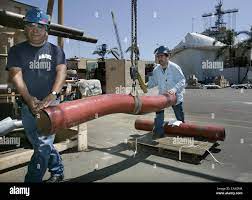
Introduction about Pipe Fitter Ship Building
A crucial aspect of shipbuilding is the intricate network of pipes that form the circulatory system of a vessel, ensuring the efficient transportation of fluids essential for its operation. The individuals responsible for crafting and installing these pipelines are known as Pipe Fitters. Their role is fundamental in the construction process, as they play a pivotal role in creating a well-coordinated and reliable piping system within a ship.
Key Responsibilities: Pipe Fitters in shipbuilding are tasked with interpreting blueprints and design specifications to accurately plan the layout and installation of pipes. They must possess a comprehensive understanding of various materials, including steel, copper, and other alloys commonly used in ship construction. The ability to work with precision is paramount, as the piping systems must align seamlessly with the ship's structural components.
Skills and Expertise: The expertise of a Pipe Fitter extends beyond the mere installation of pipes. They must be proficient in cutting, bending, and welding pipes to meet the specific requirements of a ship's design. Knowledge of different welding techniques and the ability to work with specialized tools are essential for success in this role. Additionally, Pipe Fitters need to stay abreast of advancements in materials and technologies related to shipbuilding.
Collaboration in Shipbuilding: Collaboration is a cornerstone of shipbuilding, and Pipe Fitters work closely with other professionals, such as welders, plumbers, and naval architects. Effective communication and coordination are vital to ensure that the piping systems integrate seamlessly with other components of the ship, such as engines, propulsion systems, and various machinery.
Adherence to Safety Standards: Given the complexity of shipbuilding and the potentially hazardous nature of working with heavy materials and specialized tools, Pipe Fitters must prioritize safety. They adhere to strict safety standards and protocols to create a secure working environment for themselves and their colleagues.
How can I apply for admission to Pipe Fitter Ship Building Program
To apply for admission to a Pipe Fitter Shipbuilding program, you typically need to follow a specific set of steps. Here's a general guide on how you can go about it:
Research Programs: Begin by researching institutions that offer Pipe Fitter Shipbuilding programs. Look for technical schools, community colleges, or vocational training centers that provide comprehensive training in shipbuilding and pipe fitting.
Admission Requirements: Review the admission requirements for the specific program you're interested in. Typically, these requirements may include a high school diploma or equivalent, and some programs may have additional prerequisites, such as basic math or mechanical aptitude tests.
Prepare Necessary Documents: Gather all the required documents for your application. This may include your high school transcripts, proof of completion of any relevant courses, letters of recommendation, and a resume if applicable.
Application Form: Complete the application form provided by the institution offering the Pipe Fitter Shipbuilding program. Ensure that you provide accurate and complete information.
Application Fee: Pay any required application fees. Some institutions charge a fee to process your application, so be sure to check the program's details for information on fees and payment methods.
Personal Statement or Interview: Some programs may require a personal statement or interview as part of the application process. Be prepared to articulate your interest in the field, your relevant skills, and your career goals.
Financial Aid and Scholarships: If you need financial assistance, explore the availability of financial aid or scholarships. Contact the institution's financial aid office for information on available options and application procedures.
Submit Application: Submit your completed application along with all required documents before the application deadline. Make sure to keep a copy of your application for your records.
Follow Up: After submitting your application, follow up with the admissions office to confirm that all your documents have been received. This helps ensure that your application is complete and being processed.
Wait for Admission Decision: Once your application is complete, wait for the admission decision. This may take some time, so be patient. If you are accepted, you will receive information on the next steps, including enrollment procedures.
What is the eligibility for Pipe Fitter Ship Building
The eligibility criteria for a Pipe Fitter Shipbuilding program may vary depending on the institution offering the program. However, here are some common eligibility requirements you might encounter:
Educational Qualifications:
Typically, a high school diploma or its equivalent (GED) is required.
Some programs may have specific coursework prerequisites, especially in subjects like mathematics or mechanical skills.
Age Requirements:
There may be age requirements for admission, often depending on local regulations or industry standards. Some programs may have a minimum age limit for applicants.
Physical Fitness:
Due to the hands-on nature of pipe fitting and shipbuilding, programs may have physical fitness requirements to ensure that students can safely engage in practical aspects of the training.
Technical Aptitude:
Demonstrated aptitude or interest in technical and mechanical skills may be considered. Some programs may require applicants to take aptitude tests to assess their suitability for the program.
Interview or Personal Statement:
Some institutions may require an interview or a personal statement as part of the application process. This allows applicants to express their interest in the field and discuss their relevant experiences or aspirations.
Work Experience (Optional):
While not always mandatory, having prior work experience in a related field can strengthen an application. Some programs may consider relevant work experience as a valuable asset.
Language Proficiency:
For non-native English speakers, proof of English language proficiency through tests like TOEFL or IELTS may be required.
Background Check:
Some institutions may conduct background checks as part of the admission process, especially for programs that involve working in sensitive environments, such as shipyards.
How long does it takes to complete a Pipe Fitter Ship Building program
The duration of a Pipe Fitter Shipbuilding program can vary based on factors such as the level of the program, the institution offering it, and whether it's a full-time or part-time program. In general, these programs can range from several weeks to a couple of years. Here's a breakdown:
Certificate Programs:
Short-term certificate programs may take anywhere from a few weeks to a few months to complete. These programs often focus on providing fundamental skills and knowledge needed for entry-level positions.
Diploma Programs:
Diploma programs, offering a more in-depth curriculum, typically last around one to two years. These programs provide a comprehensive understanding of pipe fitting and shipbuilding, including hands-on training.
Associate Degree Programs:
Associate degree programs, which are more extensive and may include additional general education courses, often take two years to complete if pursued on a full-time basis.
Apprenticeships:
Some individuals enter the field through apprenticeship programs, which combine on-the-job training with classroom instruction. Apprenticeships can last several years, usually around 3 to 4 years, as apprentices gain practical experience under the guidance of experienced professionals.
It's important to check the specific program and institution for accurate information on the duration of their Pipe Fitter Shipbuilding program. Additionally, some programs may offer flexible scheduling options for individuals who choose to pursue their studies part-time while working or fulfilling other commitments.
What are potential career opportunities after Pipe Fitter Ship Building
Completing a Pipe Fitter Shipbuilding program can open up various career opportunities within the shipbuilding and maritime industry. Here are some potential career paths:
Pipe Fitter:
Graduates can directly pursue roles as Pipe Fitters, where they are responsible for the installation, maintenance, and repair of piping systems on ships. This includes reading blueprints, cutting and welding pipes, and ensuring that the piping systems meet safety and quality standards.
Marine Pipe Welder:
Individuals with welding skills can specialize as Marine Pipe Welders, focusing on the welding aspects of pipe installation. This role involves joining metal parts using various welding techniques to create secure and durable connections in the ship's piping systems.
Shipyard Worker:
Graduates may find employment as general shipyard workers, contributing to the overall construction and maintenance of ships. This can involve various tasks beyond pipe fitting, such as hull construction, electrical work, or mechanical installations.
Marine Engineering Technician:
Some individuals may choose to further their education and become Marine Engineering Technicians. In this role, they work closely with marine engineers to maintain and repair ship systems, including propulsion, power generation, and auxiliary equipment.
Pipe Designer/Drafter:
Those with strong design and drafting skills may pursue roles as Pipe Designers or Drafters. They are responsible for creating detailed drawings and plans for piping systems based on specifications and blueprints.
Quality Control Inspector:
Graduates can explore opportunities as Quality Control Inspectors, ensuring that the piping systems and related components meet industry standards and specifications. This role involves conducting inspections and tests to verify the quality and integrity of the work.
Shipyard Supervisor/Manager:
With experience, individuals may advance to supervisory or managerial roles within shipyards. Shipyard Supervisors or Managers oversee and coordinate various aspects of ship construction, repair, and maintenance projects.
Naval Architect:
Those interested in a more advanced and specialized career path can pursue additional education to become Naval Architects. Naval Architects are involved in the design and construction of entire ships, including hulls, structures, and systems.
Entrepreneurship:
Some graduates may choose to start their own businesses, offering specialized pipe fitting and shipbuilding services to shipyards or maritime companies.
Syllabus of Pipe Fitter Ship Building
|
Semester |
Courses |
Credits |
Description |
|
1 |
Introduction to Shipbuilding |
3 |
Overview of ship construction processes and terminology |
|
Basic Mathematics for Pipe Fitters |
3 |
Fundamental math skills for pipe fitting calculations |
|
|
Occupational Safety and Health |
3 |
Workplace safety standards and practices |
|
|
Introduction to Welding |
4 |
Basic welding techniques and safety procedures |
|
|
2 |
Blueprint Reading and Interpretation |
3 |
Reading and understanding shipbuilding blueprints |
|
Pipe Fitting Techniques |
4 |
Hands-on training in pipe fitting and layout |
|
|
Materials and Tools for Pipe Fitters |
3 |
Understanding materials used in shipbuilding and tools |
|
|
Communication Skills |
3 |
Effective communication in a shipbuilding environment |
|
|
3 |
Advanced Pipe Fitting Techniques |
4 |
Specialized pipe fitting skills and techniques |
|
Pipe Welding and Fabrication |
4 |
Advanced welding techniques for marine applications |
|
|
Piping Systems Design |
3 |
Design principles and considerations for ship systems |
|
|
Quality Control in Shipbuilding |
3 |
Inspection and quality assurance in pipe fitting |
|
|
4 |
Shipyard Practices and Procedures |
3 |
Overview of shipyard operations and protocols |
|
Internship/On-the-Job Training |
6 |
Practical experience in a shipbuilding or repair setting |
|
|
Marine Systems Integration |
4 |
Integration of piping systems with other ship components |
|
|
Project Management in Shipbuilding |
3 |
Basics of project management in the shipbuilding context |
Internship opportunities after completing Pipe Fitter Ship Building
After completing a Pipe Fitter Shipbuilding program, individuals can explore various internship opportunities to gain practical experience and further enhance their skills. Internships provide hands-on training in a real-world work environment, allowing graduates to apply their knowledge and learn directly from professionals in the field. Here are potential internship opportunities for individuals with a background in Pipe Fitter Shipbuilding:
Shipbuilding Yards:
Internships with shipbuilding yards or shipyards provide exposure to the entire ship construction process. Interns may work closely with experienced Pipe Fitters and other professionals to apply their skills in a practical setting.
Maritime Repair and Maintenance Companies:
Companies specializing in the repair and maintenance of maritime vessels offer internship opportunities for individuals to work on existing ships. This includes tasks such as inspecting, repairing, and maintaining piping systems.
Naval and Maritime Engineering Firms:
Internships with engineering firms focused on naval and maritime projects provide exposure to a broader range of tasks, including design, analysis, and implementation of piping systems within the context of larger marine engineering projects.
Ship Design and Naval Architecture Companies:
Individuals interested in the design aspect of shipbuilding can explore internships with companies specializing in ship design and naval architecture. This experience offers insights into designing efficient and effective piping systems for various types of vessels.
Offshore and Oil Rig Construction:
Internships with companies involved in the construction of offshore platforms and oil rigs provide opportunities to work on specialized piping systems. This experience can broaden the skill set of Pipe Fitters and expose them to diverse marine environments.
Maritime Equipment Manufacturers:
Interning with manufacturers of maritime equipment, including pipes and fittings, allows individuals to understand the production side of the industry. This experience can be valuable for gaining insights into the materials used in shipbuilding.
Government Maritime Agencies:
Some government agencies responsible for maritime affairs may offer internships for individuals interested in the regulatory aspects of shipbuilding. This experience can provide a unique perspective on industry standards and compliance.
Quality Control and Inspection Services:
Internships with quality control and inspection services in the maritime sector allow individuals to learn about and contribute to ensuring the quality and safety of piping systems in ships.
Research and Development Centers:
Research institutions and centers focused on maritime technology and engineering may offer internships for those interested in contributing to the development of innovative solutions in shipbuilding, including advancements in piping systems.
Scholorship and grants for Pipe Fitter Ship Building
While specific scholarships and grants for Pipe Fitter Shipbuilding programs may vary, there are various general scholarship opportunities and financial aid options that individuals pursuing technical or vocational education may explore. Here are some potential sources of financial assistance:
Institutional Scholarships:
Many technical schools, community colleges, and vocational training centers offering Pipe Fitter Shipbuilding programs have their own scholarship programs. Check with the institution's financial aid office or website for information on available scholarships and eligibility criteria.
Industry Associations and Organizations:
Maritime and shipbuilding industry associations may offer scholarships or grants to support individuals pursuing education in fields related to shipbuilding. Examples include the American Shipbuilding Association or other regional maritime associations.
Government Financial Aid Programs:
Explore government-sponsored financial aid programs, grants, or loans that support individuals pursuing vocational and technical education. Check with local, state, or national education departments for available opportunities.
Private Foundations and Organizations:
Some private foundations and organizations focus on supporting technical education and skills development. Research foundations with a mission aligned with vocational training and inquire about available scholarships.
Employer Sponsorship:
If you are already employed or plan to work in the shipbuilding industry, inquire with your employer about sponsorship or reimbursement programs for continuing education. Some employers offer financial support for employees pursuing relevant education.
Trade Unions:
Trade unions associated with the shipbuilding and construction industries may provide scholarships or financial assistance for members or individuals entering the field. Check with relevant unions to explore available opportunities.
Community and Civic Organizations:
Local community groups, rotary clubs, and civic organizations may have scholarship programs to support individuals in their community pursuing vocational or technical education.
Online Scholarship Search Platforms:
Utilize online scholarship search platforms like Fastweb, Chegg, or College Board's Scholarship Search to find scholarships that match your profile and educational goals.
Military and Veteran Benefits:
If you have a military background or are a veteran, explore education benefits offered by the military or veterans' affairs offices, such as the GI Bill.
Corporate Scholarships:
Some corporations with ties to the maritime industry may offer scholarships to support the education and training of individuals entering the field. Check with corporations involved in shipbuilding, maritime engineering, or related industries.
Conclusion
In conclusion, pursuing a Pipe Fitter Shipbuilding program offers a gateway to a dynamic and essential field within the maritime industry. As outlined in the discussion, the program equips individuals with the skills needed to contribute significantly to the construction, maintenance, and repair of piping systems on ships. The diverse career opportunities, ranging from Pipe Fitter roles to managerial positions in shipyards, highlight the versatility and demand for skilled professionals in this field.
FAQ Pipe Fitter Ship Building
What is a Pipe Fitter in Shipbuilding?
A Pipe Fitter in shipbuilding is a skilled professional responsible for the installation, maintenance, and repair of piping systems on ships. They work with various materials, such as steel and alloys, ensuring that the ship's plumbing and fluid transportation systems meet safety and industry standards.
What are the key responsibilities of a Pipe Fitter in Shipbuilding?
Key responsibilities include interpreting blueprints, planning pipe layouts, cutting and welding pipes, and collaborating with other professionals in ship construction. Pipe Fitters must also adhere to safety standards and ensure the integrity of the ship's piping systems.
How long does it take to complete a Pipe Fitter Shipbuilding program?
The duration varies, but generally, certificate programs can take a few weeks to a few months, diploma programs around one to two years, and associate degree programs approximately two years. Apprenticeships, combining on-the-job training and classroom instruction, may last 3 to 4 years.
What are the potential career opportunities after completing a Pipe Fitter Shipbuilding program?
Career opportunities include roles such as Pipe Fitter, Marine Pipe Welder, Shipyard Worker, Marine Engineering Technician, Pipe Designer/Drafter, Quality Control Inspector, and progression to supervisory or managerial positions in shipyards.
Are there internship opportunities after completing a Pipe Fitter Shipbuilding program?
Yes, individuals can explore internship opportunities with shipbuilding yards, maritime repair and maintenance companies, naval and maritime engineering firms, ship design companies, offshore construction, and more. Internships provide hands-on experience and a chance to apply learned skills in a real-world setting.
Are there scholarships and grants available for Pipe Fitter Shipbuilding programs?
Yes, various scholarship opportunities exist, including institutional scholarships, industry association scholarships, government financial aid programs, private foundations, and potential employer sponsorship. It's advisable to check with the specific institution and explore online scholarship search platforms.
What skills are developed during a Pipe Fitter Shipbuilding program?
Skills developed include interpreting blueprints, pipe fitting and welding techniques, knowledge of materials and tools, communication skills, quality control, and an understanding of shipyard practices and procedures.
What are the potential industries for employment after completing a Pipe Fitter Shipbuilding program?
Graduates can find employment in shipyards, maritime repair and maintenance companies, offshore construction, naval and maritime engineering firms, ship design companies, and other related industries involved in shipbuilding and maintenance.
How Shiksha Hub helps you in
-
 Student Counsellors
 -
 Career Counseling
 -
 Research
 -
 24/7 Support
 -
 Scholarships
 -
 Community