Posted by Admin on 13-07-2023 in Shiksha hub
Plastic Moulding Operator/ Technician, Introduction, Admission, Registration, Eligibility, Duration, Fees, Syllabus 2024
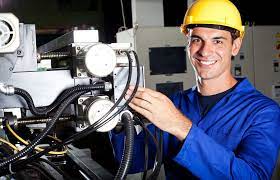
Introduction about Plastic Moulding Operator/ Technician
A Plastic Moulding Operator/Technician plays a crucial role in the manufacturing industry, particularly in the production of plastic components and products. This skilled professional is responsible for setting up, operating, and maintaining plastic molding machinery to produce high-quality plastic parts.
The primary responsibilities of a Plastic Moulding Operator/Technician include interpreting engineering drawings and specifications, preparing molds for production, and configuring the molding machine settings for optimal output. They work with a variety of plastic materials, ensuring proper heating, cooling, and pressure conditions to achieve the desired product specifications. Attention to detail is paramount, as they must monitor the production process closely to identify and address any issues that may arise.
In addition to operating machinery, these technicians are often involved in mold maintenance, troubleshooting technical problems, and performing routine inspections to ensure the equipment's efficiency. They collaborate with engineering and quality control teams to meet product standards and may be responsible for adjusting machine parameters to accommodate design changes or improve efficiency.
Safety is a top priority for a Plastic Moulding Operator/Technician, and they adhere to strict guidelines and protocols to minimize the risk of accidents and ensure a secure working environment. Continuous learning is essential in this role, as technological advancements in molding equipment and materials may require staying updated on the latest industry practices and innovations.
Overall, the Plastic Moulding Operator/Technician plays a vital role in the production process, contributing to the efficient and precise manufacturing of plastic components used in various industries such as automotive, electronics, packaging, and consumer goods.
How can I apply for admission to Plastic Moulding Operator/ Technician Program
To apply for admission to a Plastic Moulding Operator/Technician program, follow these general steps:
Research Programs: Begin by researching technical or vocational schools, community colleges, or training centers that offer Plastic Moulding Operator/Technician programs. Look for institutions with a good reputation for hands-on training and industry connections.
Check Admission Requirements: Review the admission requirements for the specific program you are interested in. Typically, these may include a high school diploma or equivalent, transcripts, and possibly a placement test or interview.
Prepare Application Materials: Gather all required application materials, which may include your high school transcripts, a resume, letters of recommendation, and a personal statement explaining your interest in the program and your career goals.
Submit Application: Complete the application form provided by the institution. Ensure that all required documents are included and submit the application by the specified deadline. Some institutions may offer online application options.
Financial Aid and Scholarships: If applicable, explore financial aid options and scholarships offered by the institution. Check the eligibility criteria and submit any necessary documents to apply for financial assistance.
Interview or Placement Test: Some programs may require an interview or a placement test to assess your suitability for the program. Be prepared to discuss your interest in the field and your motivation for pursuing a career as a Plastic Moulding Operator/Technician.
Wait for Admission Decision: After submitting your application, wait for the admission decision. This may take a few weeks, so be patient. If accepted, you may receive further instructions on the next steps.
Enrollment and Orientation: Once accepted, follow the enrollment instructions provided by the institution. This may involve paying tuition, attending orientation sessions, and getting details about the program structure and schedule.
Complete Necessary Paperwork: Fill out any additional paperwork required by the institution, such as health forms or background checks.
Prepare for the Program: Familiarize yourself with the program curriculum, required textbooks, and any specific equipment or materials you may need. Be ready to embark on your Plastic Moulding Operator/Technician training.
What is the eligibility for Plastic Moulding Operator/ Technician
The eligibility criteria for a Plastic Moulding Operator/Technician program may vary depending on the institution offering the training. However, here are some common eligibility requirements that you might encounter:
Educational Background: Typically, candidates are required to have a high school diploma or its equivalent (GED). Some programs may have specific course prerequisites, so it's essential to check if there are any subject requirements.
Age Requirement: Some programs may have a minimum age requirement for admission. This is often 18 years old, but it can vary, so check the specific requirements of the program you're interested in.
Technical Skills: While not always mandatory, having a basic understanding of technical concepts or mechanical aptitude can be advantageous. Some programs may provide assessments or interviews to gauge your readiness for the training.
English Proficiency: Depending on the location and language of instruction, there may be requirements for English language proficiency, especially if English is not your first language. This can be demonstrated through standardized tests like the TOEFL or IELTS.
Health and Physical Fitness: Some programs may have health and physical requirements due to the nature of the work. This can include the ability to lift certain weights or perform physically demanding tasks. A medical examination might be required.
Interview or Placement Test: In some cases, institutions may conduct interviews or placement tests to assess your suitability for the program. This could involve discussions about your interest in the field and your motivation for pursuing a career as a Plastic Moulding Operator/Technician.
Work Experience (optional): While not always a strict requirement, having relevant work experience in a related field can be beneficial. Some programs may consider this when evaluating applications.
Background Check: Depending on the program and the industries it serves, there may be a background check requirement. This is to ensure the safety and security of all individuals within the program.
How long does it takes to complete a Plastic Moulding Operator/ Technician program
The duration of a Plastic Moulding Operator/Technician program can vary depending on the specific curriculum and structure of the program, as well as the institution offering the training. However, these programs are often designed to be completed in a relatively short period compared to traditional academic degrees. On average, a Plastic Moulding Operator/Technician program may take anywhere from a few weeks to several months to complete.
Here are some factors that can influence the duration of the program:
Program Type: Some programs are designed to provide a quick and focused training in plastic molding operations, and these may last for a few weeks. Others may offer a more comprehensive curriculum with additional theoretical and practical components, extending the duration to a few months.
Full-Time vs. Part-Time: The time it takes to complete the program may also depend on whether you are enrolled on a full-time or part-time basis. Full-time programs, where students attend classes on a daily basis, tend to have shorter durations compared to part-time programs, which may spread the coursework over evenings or weekends.
Hands-On Training: Since hands-on experience is crucial in this field, the program duration may include time for practical training on plastic molding machinery. The amount of time allocated for hands-on experience can impact the overall program length.
Curriculum Complexity: Programs with more in-depth and complex curricula may have a longer duration. This could include additional topics such as mold design, quality control, and advanced molding techniques.
Industry Certification: Some programs may include preparation for industry certifications, which can extend the overall duration. However, obtaining relevant certifications can enhance your employability in the field.
What are potential career opportunities after Plastic Moulding Operator/ Technician
Senior Plastic Moulding Technician/Operator:
Progress within the same role by taking on more responsibilities, working with advanced machinery, and overseeing a team of operators.
Mould Designer:
Designing and creating moulds for plastic components. This role involves using computer-aided design (CAD) software and requires a deeper understanding of moulding processes.
Quality Control Inspector:
Ensuring the produced plastic components meet quality standards by conducting inspections, tests, and implementing quality control measures.
Production Supervisor/Manager:
Moving into a supervisory or managerial role overseeing the entire plastic manufacturing process, including coordinating schedules, managing teams, and optimizing production efficiency.
Process Engineer:
Working on optimizing the plastic moulding process, troubleshooting issues, and implementing improvements to enhance productivity and reduce costs.
Tooling Engineer:
Specializing in the design and maintenance of tools and moulds used in plastic manufacturing processes.
Plastic Product Development Engineer:
Involvement in the research and development of new plastic products, from conceptualization to design and production.
Sales and Technical Support:
Providing technical support to customers, assisting in product development, and potentially moving into sales roles within the plastics industry.
Health and Safety Officer:
Focusing on ensuring a safe working environment, compliance with regulations, and implementing safety protocols within the manufacturing facility.
Training and Education:
Transition into a role where you train new operators or provide educational support in technical institutions related to plastic moulding processes.
Entrepreneurship:
Starting your own plastic manufacturing business or consultancy, leveraging the experience gained as a Plastic Moulding Operator/Technician.
Materials Engineer:
Specializing in the study and application of materials, including plastics, and working on improving material properties for various applications.
Research and Development Specialist:
Conducting research to improve plastic materials, moulding processes, and developing new technologies within the plastics industry.
Syllabus of Plastic Moulding Operator/ Technician
Semester 1: Introduction to Plastic Moulding Basics
Course 1: Introduction to Plastics Technology
Overview of plastic materials and their properties
Introduction to plastic molding processes
Importance of plastics in various industries
Course 2: Basic Mathematics and Measurements
Mathematics relevant to plastic molding calculations
Precision measurements and their importance in molding operations
Course 3: Safety and Environmental Considerations
Workplace safety protocols
Environmental impact of plastic molding processes
Personal protective equipment (PPE) training
Course 4: Introduction to Molding Machinery
Understanding different types of molding machines
Machine components and their functions
Basic machine operations and controls
Semester 2: Hands-On Training and Machine Operations
Course 1: Practical Training on Molding Machines
Hands-on experience with setting up molds
Operating molding machines under supervision
Troubleshooting common issues in machine operations
Course 2: Material Handling and Preparation
Handling and preparing plastic materials for molding
Understanding material properties and compatibility
Course 3: Mold Design and Preparation
Basics of mold design
Mold preparation and maintenance
Techniques for mold inspection and cleaning
Course 4: Quality Control in Plastic Moulding
Introduction to quality assurance in molding operations
Identifying and addressing defects
Implementing quality control measures
Semester 3: Advanced Techniques and Specializations
Course 1: Advanced Molding Techniques
Exploring advanced molding processes
Understanding multi-shot molding and insert molding
Course 2: Automation in Plastic Moulding
Introduction to automated molding processes
Hands-on experience with automated machinery
Course 3: Industry Regulations and Standards
Compliance with industry regulations and standards
Certification requirements for plastic molding operators
Course 4: Professional Development and Communication Skills
Developing effective communication skills
Professionalism in the workplace
Career development and opportunities in the industry
Internship opportunities after completing Plastic Moulding Operator/ Technician
After completing a Plastic Moulding Operator/Technician program, individuals often have opportunities to gain valuable practical experience through internships in the manufacturing industry. Internships provide hands-on training, exposure to real-world production environments, and the chance to apply the skills acquired during the training program. Here are some potential internship opportunities for individuals who have completed a Plastic Moulding Operator/Technician program:
Manufacturing Companies: Many manufacturing companies, especially those specializing in plastics and injection molding, offer internship programs for individuals with technical skills in plastic molding. Interns may work on the shop floor, assisting with machine setup, operation, and troubleshooting.
Plastic Molding Facilities: Internships at dedicated plastic molding facilities allow individuals to work closely with experienced professionals and gain practical insights into the various aspects of the molding process. This can include hands-on experience with different types of molding machines and molds.
Quality Control and Assurance Internships: Interns may have the opportunity to work in quality control and assurance departments within manufacturing companies. This involves inspecting finished products, identifying defects, and ensuring that the products meet industry standards.
Research and Development (R&D): Some companies engage in research and development activities related to plastic materials and molding processes. Interns in R&D departments can contribute to innovative projects, explore new materials, and participate in the development of advanced molding techniques.
Automation and Technology Integration: With the increasing use of automation in manufacturing, there may be internship opportunities in departments focused on integrating technology into plastic molding processes. Interns can learn about and contribute to the implementation of automated systems.
Mold Design and Maintenance: Internships in mold design and maintenance departments provide exposure to the critical aspects of preparing and maintaining molds for production. This includes learning about mold design principles and participating in mold inspection and repair.
Environmental and Sustainability Initiatives: Some companies may have internship opportunities in departments focused on environmentally friendly and sustainable manufacturing practices. Interns can contribute to initiatives aimed at reducing waste and minimizing the environmental impact of plastic molding processes.
Professional Organizations and Associations: Explore opportunities with industry associations or professional organizations related to plastics and manufacturing. These organizations may connect individuals with internship opportunities, networking events, and industry resources.
Scholorship and grants for Plastic Moulding Operator/ Technician
Scholarships and grants for Plastic Moulding Operator/Technician programs may be available through various sources, including educational institutions, industry associations, and private organizations. While specific opportunities can vary, here are some potential avenues to explore for financial assistance:
Educational Institutions: Check with the institution or training center where you plan to enroll in the Plastic Moulding Operator/Technician program. Many schools offer scholarships or grants based on academic achievement, financial need, or other criteria. Contact the financial aid office to inquire about available opportunities.
Industry Associations and Foundations: Some industry associations and foundations related to plastics, manufacturing, or vocational training may offer scholarships to individuals pursuing a career as a Plastic Moulding Operator/Technician. Explore associations such as the Society of Plastics Engineers (SPE) or local manufacturing organizations.
Corporate Sponsorships: Companies in the manufacturing and plastics industry may provide sponsorship or scholarship opportunities to individuals pursuing training in plastic molding. Check with local companies, especially those with a focus on injection molding or plastic manufacturing, to inquire about potential support.
Government Programs: Investigate government-sponsored scholarship or grant programs that support vocational and technical education. Some government agencies may offer financial assistance to individuals pursuing training in high-demand fields like plastic molding.
Community Foundations and Nonprofit Organizations: Local community foundations and nonprofit organizations may have scholarship programs for vocational and technical training. These organizations are often committed to supporting education and workforce development in the community.
Trade Unions: If the Plastic Moulding Operator/Technician program is affiliated with a trade union, inquire about scholarship opportunities that may be available to members or individuals pursuing training in the field.
Online Scholarship Search Platforms: Utilize online scholarship search platforms to find general scholarships that may apply to vocational and technical training programs. Websites like Fastweb, Chegg, or College Board's Scholarship Search can help you identify potential sources of financial aid.
Employer Assistance: If you are currently employed or plan to work while pursuing your training, check if your employer offers tuition reimbursement or sponsorship for educational programs related to your field.
Plastic Moulding Training, Vocational Education in Plastics, Technical Skills for Moulding, Plastic Moulding Industry, Career Path in Plastic Moulding, Plastic Moulding FAQs
Conclusion
In conclusion, pursuing a career as a Plastic Moulding Operator/Technician opens doors to exciting opportunities in the manufacturing industry. With the right training, technical skills, and potential financial support through scholarships, you can embark on a fulfilling career in plastic molding. Explore the possibilities and take the first step towards a rewarding profession in this dynamic field.
FAQ Plastic Moulding Operator/ Technician
What is a Plastic Moulding Operator/Technician?
Answer: A Plastic Moulding Operator/Technician is a skilled professional responsible for setting up, operating, and maintaining plastic molding machinery to produce high-quality plastic parts.
How long does it take to complete a Plastic Moulding Operator/Technician program?
Answer: The duration varies, but typically, the program can be completed in a few weeks to several months, depending on the institution and the depth of the curriculum.
What are the eligibility requirements for the program?
Answer: Eligibility usually includes a high school diploma or equivalent, basic technical skills, and, in some cases, an interview or placement test.
Are there internship opportunities after completing the program?
Answer: Yes, graduates often have opportunities for internships in manufacturing companies, plastic molding facilities, and quality control departments.
Are there scholarships available for Plastic Moulding Operator/Technician programs?
Answer: Yes, scholarships and grants may be available through educational institutions, industry associations, corporate sponsorships, and government programs.
How Shiksha Hub helps you in
-
 Student Counsellors
 -
 Career Counseling
 -
 Research
 -
 24/7 Support
 -
 Scholarships
 -
 Community