Posted by Admin on 13-07-2023 in Shiksha hub
Plastic Moulding Supervisor, Introduction, Admission, Registration, Eligibility, Duration, Fees, Syllabus 2024
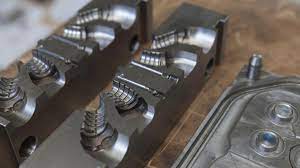
Introduction about Plastic Moulding Supervisor
A Plastic Moulding Supervisor is a professional responsible for overseeing and coordinating the plastic molding processes within a manufacturing or production facility. This role involves managing a team of technicians and operators engaged in the operation of plastic molding machines to produce various plastic components and products. The primary objective is to ensure the efficient and effective execution of the plastic molding processes while maintaining high-quality standards and meeting production targets.
Key responsibilities of a Plastic Moulding Supervisor typically include:
Team Leadership: Leading and managing a team of molding technicians and operators, providing guidance, training, and support to ensure a cohesive and productive working environment.
Process Optimization: Monitoring and optimizing the plastic molding processes to enhance efficiency, reduce waste, and improve overall production output.
Quality Control: Ensuring that the molded products meet the required quality standards by implementing and maintaining quality control measures throughout the production process.
Equipment Maintenance: Overseeing the maintenance and repair of plastic molding machines to prevent downtime and ensure smooth operation.
Scheduling and Planning: Developing production schedules, coordinating work assignments, and planning workflow to meet production targets and deadlines.
Safety Compliance: Enforcing safety regulations and ensuring that all employees adhere to safety protocols to create a secure working environment.
Problem-solving: Addressing any issues or challenges that may arise during the molding process and implementing solutions to minimize disruptions.
Communication: Maintaining effective communication with other departments, such as engineering, quality control, and production planning, to facilitate a seamless production process.
Training and Development: Providing ongoing training and development opportunities for the team to enhance their skills and knowledge in plastic molding techniques and machine operation.
Documentation: Keeping accurate records of production metrics, quality control measures, and any incidents or issues that may occur during the molding process.
How can I apply for admission to Plastic Moulding Supervisor Program
To apply for admission to a Plastic Moulding Supervisor program, you typically need to follow a set of steps. Here's a general guide:
Research Programs: Start by researching institutions that offer programs related to plastic molding or manufacturing supervision. Look for universities, technical schools, or vocational training centers that provide courses or degrees specifically in plastic molding or related fields.
Check Admission Requirements: Review the admission requirements for the specific program you are interested in. Typical requirements may include educational qualifications, relevant work experience, and possibly standardized test scores.
Educational Qualifications: Ensure that you meet the educational prerequisites for the program. Plastic Moulding Supervisor programs may require a certain level of education, such as a high school diploma or an associate degree in a related field. Some programs may also admit students with relevant work experience in lieu of formal education.
Work Experience: If the program requires work experience, prepare a resume that highlights your relevant work history. Emphasize any experience in plastic molding, manufacturing, or supervisory roles.
Prepare Application Materials: Gather all required application materials, which may include transcripts, letters of recommendation, a resume, and a personal statement or cover letter. Ensure that these documents showcase your qualifications and interest in the Plastic Moulding Supervisor program.
Submit Application: Complete the application form provided by the institution offering the program. Submit the application along with all required materials before the specified deadline. Pay attention to any application fees that may be applicable.
Interviews and Tests: Some programs may require interviews or standardized tests as part of the admission process. Be prepared to showcase your knowledge, skills, and enthusiasm for the field during any interviews or assessments.
Financial Aid and Scholarships: If needed, explore options for financial aid or scholarships that may be available to support your education. Many institutions offer assistance to eligible students.
Wait for Admission Decision: After submitting your application, patiently wait for the admission decision. This may take some time, so use this period to stay informed about any additional requirements or steps you need to take.
Enroll and Register: Once admitted, follow the instructions provided by the institution to complete the enrollment process. This may include registering for classes, paying tuition, and attending orientation sessions.
What is the eligibility for Plastic Moulding Supervisor
The eligibility criteria for becoming a Plastic Moulding Supervisor can vary depending on the specific requirements set by employers or educational institutions. However, here are some general eligibility factors that are often considered:
Educational Qualifications:
A high school diploma or equivalent is typically the minimum educational requirement. Some employers or programs may prefer candidates with higher education, such as an associate degree or relevant certifications in manufacturing or plastic molding.
Experience:
Work experience in plastic molding or a related field is often preferred. Candidates with a background in machine operation, manufacturing, or supervisory roles may have an advantage. The amount of required experience can vary depending on the employer or the specific program.
Technical Skills:
Proficiency in the technical aspects of plastic molding processes is crucial. This includes knowledge of molding machine operation, understanding of different types of plastics, and familiarity with quality control measures in manufacturing.
Leadership and Communication Skills:
As a supervisor, strong leadership and communication skills are essential. Employers often seek candidates who can effectively lead a team, communicate instructions clearly, and resolve issues in a timely and efficient manner.
Problem-Solving Abilities:
Plastic Moulding Supervisors should be adept at identifying and solving problems that may arise during the molding process. The ability to troubleshoot issues related to machinery, materials, or production schedules is valuable.
Safety Awareness:
A commitment to safety protocols is crucial in manufacturing environments. Eligible candidates should be aware of and adhere to safety regulations and ensure that their team follows proper safety procedures.
Continuous Learning and Adaptability:
Given the evolving nature of manufacturing technologies, a Plastic Moulding Supervisor should be open to continuous learning and staying updated on industry trends. Adaptability to new technologies and processes is a desirable trait.
Certifications (Optional):
Some employers or programs may require or prefer candidates with relevant certifications in plastic molding or supervisory skills. These certifications could be obtained through vocational training programs or industry-recognized institutions.
How long does it takes to complete a Plastic Moulding Supervisor program
The duration of a Plastic Moulding Supervisor program can vary depending on the type of program, educational institution, and the specific curriculum. Typically, these programs are offered through vocational schools, technical colleges, or community colleges. Here are some general guidelines:
Certificate Programs:
Certificate programs in Plastic Moulding Supervision may take anywhere from a few weeks to several months to complete. These programs often focus on providing specific skills and knowledge related to plastic molding processes and supervisory responsibilities.
Associate Degree Programs:
Associate degree programs, which offer a more comprehensive education and may include additional coursework in areas like management and leadership, usually take around two years to complete. This is a common option for those seeking a more in-depth education in both the technical and managerial aspects of plastic molding supervision.
Bachelor's Degree Programs:
Some institutions may offer bachelor's degree programs in areas such as manufacturing management or industrial engineering with a focus on plastic molding supervision. These programs typically take around four years to complete.
On-the-Job Training:
In some cases, individuals may advance to a Plastic Moulding Supervisor role through on-the-job training and experience. This path may not involve a formal educational program but relies on gaining practical knowledge and skills through work in the industry over an extended period.
It's important to note that the duration can also be influenced by factors such as part-time or full-time enrollment, program structure, and whether the program follows a traditional academic calendar or operates on a more flexible schedule.
Syllabus of Plastic Moulding Supervisor
Semester 1:
Introduction to Plastic Molding
Overview of plastic molding processes
Types of plastics used in molding
Basic principles of injection molding, extrusion molding, etc.
Materials Science for Plastic Molding
Properties of plastics
Material selection for specific applications
Polymer chemistry basics
Mathematics and Statistics
Applied mathematics for molding calculations
Statistical process control (SPC) in molding
Safety and Environmental Regulations
Workplace safety in plastic molding
Environmental considerations in manufacturing
Semester 2:
Plastic Molding Machines and Equipment
Types of molding machines
Machine operation and maintenance
Troubleshooting common issues
Quality Control in Plastic Molding
Quality assurance processes
Inspection techniques
Defect analysis and prevention
Supervisory Skills
Leadership principles
Communication and team management
Conflict resolution and problem-solving
Blueprint Reading and Technical Drawings
Interpretation of engineering drawings
Understanding part specifications
Semester 3:
Advanced Plastic Molding Techniques
Multi-shot molding
Overmolding
In-mold decoration
Production Planning and Scheduling
Developing production schedules
Resource allocation
Lean manufacturing principles
Automation and Industry 4.0 in Plastic Molding
Introduction to automation technologies
Implementing smart manufacturing practices
Project Management
Planning and executing a plastic molding project
Budgeting and resource management
Semester 4:
Internship/Practical Training
Hands-on experience with plastic molding machines
Supervisory role in a real-world manufacturing setting
Occupational Health and Ergonomics
Worker well-being and safety
Ergonomic considerations in molding facilities
Capstone Project
Integrating knowledge from the program into a final project
Presentation and documentation of the project
Internship opportunities after completing Plastic Moulding Supervisor
Upon completing a Plastic Moulding Supervisor program, individuals often have various internship opportunities and avenues to gain practical experience in the field. Internships provide a valuable bridge between academic learning and real-world application, allowing graduates to further develop their skills and make connections within the industry. Here are several potential internship opportunities:
Manufacturing Companies:
Large and small manufacturing companies that specialize in plastic molding may offer internship programs for aspiring supervisors. Interns can gain hands-on experience by working closely with production teams, observing processes, and participating in supervisory responsibilities.
Plastic Molding Facilities:
Internships at dedicated plastic molding facilities provide exposure to a range of molding processes, machinery, and materials. Interns may have the opportunity to work alongside experienced supervisors, learning the intricacies of managing a molding operation.
Quality Control and Assurance:
Internships focused on quality control and assurance within manufacturing plants offer a unique perspective on ensuring the production of high-quality plastic components. This can include inspection processes, defect analysis, and implementation of quality standards.
Research and Development (R&D):
Some companies engaged in plastic molding may have R&D departments where interns can contribute to the development of new molding techniques, materials, or technologies. This type of internship provides exposure to innovation within the industry.
Process Optimization and Efficiency:
Internships focusing on process optimization and efficiency allow individuals to work on projects aimed at improving the overall effectiveness of plastic molding operations. This could involve streamlining workflows, reducing waste, and implementing best practices.
Safety and Compliance:
Internships in safety and compliance departments provide an opportunity to work on initiatives related to workplace safety, environmental regulations, and compliance with industry standards. This is particularly important in manufacturing environments.
Project Management:
Internships that involve project management within a manufacturing setting allow individuals to apply their supervisory skills to coordinate and oversee specific projects. This could include the introduction of new machinery or process improvements.
Supplier or Vendor Internships:
Interning with suppliers or vendors in the plastic molding industry can provide insights into the supply chain, material sourcing, and collaboration with external partners.
Industry Associations and Organizations:
Internships with industry associations or organizations related to plastic molding can offer exposure to a broader network, involvement in industry events, and opportunities to stay updated on the latest trends and technologies.
Scholorship and grants for Plastic Moulding Supervisor
Scholarships and grants for individuals pursuing a career in Plastic Moulding Supervision may be available through various sources, including educational institutions, industry associations, and private organizations. Here are some potential avenues to explore for financial support:
Educational Institutions:
Many technical schools, community colleges, and vocational training centers that offer programs in plastic molding or related fields may have scholarship programs for students. Check with the financial aid office or the program coordinator at your institution for information on available scholarships.
Industry Associations:
Organizations related to the plastic molding industry or manufacturing sector may offer scholarships to support students pursuing education in this field. Examples include the Society of Plastics Engineers (SPE) or the Manufacturing Institute. Explore their websites or contact them directly for information on available scholarships.
Professional Associations:
Associations related to supervision, management, or manufacturing may have scholarship opportunities for students aspiring to become Plastic Moulding Supervisors. Examples include the Institute of Industrial and Systems Engineers (IISE) or the Association for Operations Management (APICS).
Corporate Sponsorships:
Some companies in the plastic molding industry may provide scholarships or grants to students who plan to pursue careers as supervisors. Check with major employers in the manufacturing sector or those specifically involved in plastic molding for potential sponsorship opportunities.
Government Grants and Programs:
Government agencies at the local, state, or national levels may offer grants or financial assistance for individuals pursuing education in fields that contribute to the manufacturing sector. Explore government education websites or financial aid programs for potential opportunities.
Nonprofit Organizations:
Nonprofit organizations with a focus on education, vocational training, or workforce development may offer scholarships for individuals pursuing careers in plastic molding supervision. Research nonprofit organizations in your region or industry for potential support.
Industry Conferences and Events:
Some conferences and events related to plastic molding or manufacturing may have scholarship programs to support students attending or studying in the field. Check the websites of relevant conferences for information on available scholarships.
Diversity and Inclusion Initiatives:
Some organizations and companies have initiatives to promote diversity and inclusion in the workforce. Scholarships may be available to individuals from underrepresented groups pursuing careers in plastic molding supervision.
Conclusion
In conclusion, the role of a Plastic Moulding Supervisor is dynamic and vital in the manufacturing landscape. As highlighted in this blog, a combination of technical expertise, leadership skills, and a commitment to continuous learning are key to success in this field. Whether you are considering entering the industry or looking to advance your career, the journey to becoming a Plastic Moulding Supervisor is both challenging and rewarding. Stay informed, embrace opportunities for growth, and lead the way in shaping the future of plastic molding.
FAQ Plastic Moulding Supervisor
Q1: What does a Plastic Moulding Supervisor do?
A1: A Plastic Moulding Supervisor oversees plastic molding processes, manages a team of technicians, ensures quality standards, and optimizes production efficiency.
Q2: What qualifications are needed to become a Plastic Moulding Supervisor?
A2: Typically, a high school diploma, relevant work experience, and technical knowledge in plastic molding are required. Some may pursue associate or bachelor's degrees in related fields.
Q3: How long does it take to become a Plastic Moulding Supervisor?
A3: The duration varies, with certificate programs taking a few months, associate degrees around two years, and bachelor's degrees approximately four years.
Q4: Are there internship opportunities for Plastic Moulding Supervisors?
A4: Yes, internships are available in manufacturing companies, plastic molding facilities, quality control, and project management, providing valuable hands-on experience.
Q5: Are there scholarships for individuals pursuing Plastic Moulding Supervisor programs?
A5: Yes, scholarships are offered by educational institutions, industry associations, corporate sponsors, and government programs to support aspiring Plastic Moulding Supervisors.
How Shiksha Hub helps you in
-
 Student Counsellors
 -
 Career Counseling
 -
 Research
 -
 24/7 Support
 -
 Scholarships
 -
 Community