Posted by Admin on 13-07-2023 in Shiksha hub
Plumber General (Assistant), Introduction, Admission, Registration, Eligibility, Duration, Fees, Syllabus 2024
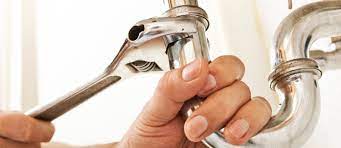
Introduction about Plumber General (Assistant)
A Plumber General Assistant plays a crucial role in supporting and assisting plumbers in their daily tasks, contributing to the smooth functioning of plumbing systems. This role requires a combination of practical skills, problem-solving abilities, and a strong work ethic. The Plumber General Assistant operates under the guidance of experienced plumbers, aiding in various aspects of plumbing projects and maintenance tasks.
Responsibilities:
Assisting with Installations and Repairs: The Plumber General Assistant assists in the installation and repair of plumbing systems, including pipes, fixtures, and appliances. This may involve tasks such as cutting, threading, and assembling pipes, as well as troubleshooting and fixing issues.
Material Preparation: They are responsible for gathering and preparing materials and tools required for plumbing projects. This includes ensuring that all necessary equipment is available and in working condition.
Site Preparation: Before plumbing work commences, the assistant helps prepare the work site by clearing obstacles, securing necessary permits, and ensuring safety protocols are followed.
Maintenance Support: The Plumber General Assistant aids in routine maintenance activities, such as cleaning drains, inspecting plumbing systems, and replacing worn-out parts. This preventive maintenance helps prevent future issues and prolongs the lifespan of plumbing installations.
Documentation: They may be tasked with maintaining records of work performed, materials used, and any issues encountered during plumbing projects. Accurate documentation is essential for tracking progress and ensuring compliance with regulations.
Customer Interaction: In some instances, the assistant may interact with clients, providing updates on the progress of work, explaining procedures, and addressing basic customer inquiries.
Tool Maintenance: Keeping tools and equipment in good working condition is crucial. The Plumber General Assistant assists in cleaning, organizing, and maintaining tools to ensure efficiency and safety on the job.
Skills and Qualities:
Physical Stamina: The role often involves manual labor, requiring the assistant to be physically fit and capable of lifting heavy objects.
Attention to Detail: Precision is essential in plumbing work. The assistant must pay close attention to details to ensure accurate installations and repairs.
Problem-solving Skills: Plumbing projects can present unexpected challenges. The ability to think critically and solve problems on the spot is valuable.
Team Player: Collaboration with other team members, including experienced plumbers, is vital for successful project completion.
Safety Consciousness: Adhering to safety protocols and guidelines is paramount in the plumbing profession. The Plumber General Assistant must prioritize safety for themselves and others.
In summary, the Plumber General Assistant plays a pivotal role in supporting the plumbing team, contributing to the efficiency and effectiveness of plumbing projects while learning valuable skills in the process.
How can I apply for admission to Plumber General (Assistant) Program
To apply for admission to a Plumber General Assistant program, follow these general steps:
Research Programs:
Look for technical or vocational schools, community colleges, or training centers that offer Plumber General Assistant programs. Ensure the programs are accredited and recognized in the field.
Check Admission Requirements:
Review the admission requirements of the chosen program. Typical requirements may include a high school diploma or equivalent, and some programs may have specific prerequisites.
Prepare Application Materials:
Gather the necessary documents, which may include:
High school diploma or equivalent transcripts
Completed application form
Resume or curriculum vitae (CV)
Letters of recommendation (if required)
Any additional materials specified by the program
Meet Prerequisites:
If the program has specific prerequisites (such as certain coursework or certifications), ensure that you meet these requirements before applying.
Submit Application:
Complete and submit the application form, along with all required documents, to the admissions office of the chosen program. This can often be done online through the institution's website.
Pay Application Fees:
Some programs may require an application fee. Be prepared to pay this fee, and check if fee waivers are available.
Schedule Entrance Exams or Interviews:
Some programs may require entrance exams or interviews as part of the admission process. Prepare accordingly and schedule any required assessments.
Financial Aid and Scholarships:
Explore financial aid options, scholarships, or grants that may be available for the program. Check with the institution's financial aid office for guidance.
Wait for Admission Decision:
After submitting your application, patiently await the admission decision. This may take some time, depending on the program's review process.
Acceptance and Enrollment:
If accepted, carefully review the acceptance letter and follow the instructions for enrollment. This may include submitting enrollment forms, paying tuition or fees, and attending orientation sessions.
Prepare for the Program:
Familiarize yourself with the program's curriculum and any pre-program requirements. Obtain any necessary textbooks or supplies.
Attend Orientation:
Attend any orientation sessions provided by the program to get acquainted with the facilities, faculty, and expectations.
What is the eligibility for Plumber General (Assistant)
The specific eligibility requirements for a Plumber General Assistant program may vary depending on the institution offering the program. However, here are common eligibility criteria that you might encounter:
Education:
A high school diploma or its equivalent (such as a GED) is often a basic requirement. Some programs may consider applicants who are currently in high school but are on track to graduate.
Age Requirement:
There is usually no specific age limit, but applicants are typically required to be at least 18 years old. Some programs may have age-related restrictions due to safety considerations.
Physical Fitness:
Plumbing work can be physically demanding. Applicants may be required to meet certain physical fitness standards to ensure they can handle the manual labor involved in plumbing tasks.
Technical Aptitude:
While prior experience is not always necessary, a basic understanding or interest in technical and mechanical work is often beneficial.
Legal Requirements:
Applicants may need to provide proof of legal eligibility to work in the country where the program is located. This may include citizenship or appropriate visa documentation.
Background Check:
Some programs may conduct background checks as part of the admission process, especially if the program involves practical training in residential or commercial settings.
Health and Safety:
Compliance with health and safety regulations is crucial in plumbing. Applicants may be required to provide proof of vaccinations or undergo health screenings.
Interview or Assessment:
Some programs may require applicants to participate in an interview or assessment to evaluate their suitability for the program. This could include evaluating problem-solving skills or technical aptitude.
Letters of Recommendation:
In some cases, programs may request letters of recommendation from teachers, employers, or other individuals who can vouch for the applicant's character and abilities.
How long does it takes to complete a Plumber General (Assistant) program
The duration of a Plumber General Assistant program can vary depending on the specific institution offering the program and the format of the training. Typically, these programs are designed to provide a combination of classroom instruction and hands-on practical experience. Here are some general guidelines:
Certificate Programs:
Certificate programs for Plumber General Assistants may take anywhere from a few weeks to several months to complete. These programs often focus on the fundamental skills and knowledge needed for entry-level positions.
Diploma Programs:
Diploma programs, which usually offer a more in-depth curriculum and additional practical training, may take around six months to a year to complete.
Associate Degree Programs:
Some institutions offer associate degree programs in plumbing or related fields. These programs typically take two years to complete and may include a more comprehensive education in plumbing theory and practice.
Apprenticeships:
Apprenticeship programs, which combine on-the-job training with classroom instruction, generally take longer to complete. Apprenticeships can last anywhere from two to five years, with apprentices working under the supervision of experienced plumbers while also attending classes.
Part-Time vs. Full-Time:
The duration of the program may also depend on whether you are enrolled on a full-time or part-time basis. Full-time students may complete the program more quickly, while part-time students may take longer to finish, especially if they are balancing education with work or other commitments.
What are potential career opportunities after Plumber General (Assistant)
Upon completing a Plumber General Assistant program, individuals can explore various career opportunities within the plumbing and construction industry. While the Plumber General Assistant role is an entry-level position, it serves as a foundation for further advancement and specialization. Here are potential career opportunities:
Plumber's Apprentice:
Graduates may transition to the role of a plumber's apprentice. Apprentices work under the guidance of experienced plumbers, gaining practical skills and on-the-job training.
Residential or Commercial Plumber:
With additional experience and, in some cases, further education, individuals can become residential or commercial plumbers. Residential plumbers focus on homes, while commercial plumbers work on larger structures such as businesses and industrial facilities.
Pipefitter:
Pipefitters specialize in the installation and maintenance of piping systems. They work with various materials, including steel and copper, and are involved in the assembly and installation of pipes for different purposes.
Plumbing Contractor:
With sufficient experience and possibly additional licensing, individuals may establish their own plumbing contracting business. This involves managing projects, leading a team of plumbers, and handling business aspects such as client interactions and budgeting.
Construction Site Supervisor:
Building on the skills acquired as a Plumber General Assistant, individuals may pursue roles as construction site supervisors. In this capacity, they oversee and coordinate plumbing and construction activities on-site.
Estimator:
Estimators assess project requirements and provide cost estimates for plumbing installations or repairs. This role involves a thorough understanding of materials, labor costs, and project specifications.
Building Inspector:
Some individuals may choose to transition into building inspection roles. Building inspectors examine plumbing systems to ensure compliance with local building codes and regulations.
Sales Representative for Plumbing Supplies:
Graduates may explore opportunities as sales representatives for plumbing supply companies. In this role, they assist clients in selecting appropriate plumbing materials and products.
Safety Officer:
With additional training in occupational health and safety, individuals may pursue roles as safety officers, ensuring that plumbing and construction sites adhere to safety regulations.
Specialized Areas:
Individuals may choose to specialize in areas such as green plumbing, which involves implementing environmentally friendly plumbing practices, or fire protection systems, focusing on the installation and maintenance of fire sprinkler systems.
Syllabus of Plumber General (Assistant)
Semester 1: Introduction to Plumbing Fundamentals
|
Week |
Topics Covered |
|
1-2 |
Introduction to Plumbing Systems |
|
3-4 |
Plumbing Tools and Equipment |
|
5-6 |
Pipe Materials and Fittings |
|
7-8 |
Basic Mathematics for Plumbing |
|
9-10 |
Safety Protocols in Plumbing |
|
11-12 |
Plumbing Drawings and Symbols |
Semester 2: Basic Plumbing Installations
|
Week |
Topics Covered |
|
1-2 |
Water Supply Systems |
|
3-4 |
Fixture Installation |
|
5-6 |
Drainage Systems |
|
7-8 |
Ventilation Systems |
|
9-10 |
Leak Detection and Repair |
|
11-12 |
Plumbing Codes and Regulations |
Semester 3: Intermediate Plumbing Skills
|
Week |
Topics Covered |
|
1-2 |
Hot Water Systems |
|
3-4 |
Gas Piping Systems |
|
5-6 |
Backflow Prevention |
|
7-8 |
Troubleshooting Plumbing Issues |
|
9-10 |
Plumbing Maintenance and Repairs |
|
11-12 |
Environmental Considerations in Plumbing |
Semester 4: Advanced Topics and Practical Applications
|
Week |
Topics Covered |
|
1-2 |
Advanced Pipefitting Techniques |
|
3-4 |
Plumbing for Sustainable and Green Practices |
|
5-6 |
Fire Protection Systems and Sprinklers |
|
7-8 |
Plumbing Estimation and Project Management |
|
9-10 |
Legal and Business Aspects of Plumbing Industry |
|
11-12 |
Internship or Practical Training |
Internship opportunities after completing Plumber General (Assistant)
After completing a Plumber General Assistant program, individuals often have opportunities to gain practical experience through internships in the plumbing and construction industry. Internships provide valuable hands-on training, exposure to real-world work environments, and the chance to apply the skills learned during the educational program. Here are potential internship opportunities:
Plumbing Contractors:
Many plumbing contractors offer internships to individuals who have completed a Plumber General Assistant program. Interns may assist experienced plumbers with installations, repairs, and maintenance tasks.
Construction Companies:
Interning with construction companies allows individuals to gain broader experience in the construction industry. This may involve working on plumbing systems for residential, commercial, or industrial construction projects.
Facility Maintenance:
Facilities such as hotels, hospitals, and large commercial buildings often have plumbing systems that require regular maintenance. Interning in facility maintenance provides exposure to different plumbing systems and troubleshooting scenarios.
Government Agencies:
Some government agencies, such as local municipalities or water authorities, may offer internships in their plumbing or maintenance departments. This can provide insight into public sector plumbing work.
Plumbing Supply Companies:
Interning with plumbing supply companies allows individuals to gain knowledge about different plumbing materials, tools, and equipment. This experience can be valuable for those interested in the retail or supply side of the industry.
Green Plumbing Initiatives:
Internships focused on green plumbing practices provide exposure to environmentally friendly plumbing installations and technologies. This can include working with water-efficient fixtures and sustainable plumbing solutions.
Fire Protection Companies:
Interning with companies specializing in fire protection systems provides experience in the installation and maintenance of fire sprinkler systems, an important aspect of plumbing in some buildings.
Building Inspection Offices:
Interning with building inspection offices or agencies offers a different perspective on the industry. Interns may learn about code compliance, inspections, and regulatory aspects of plumbing.
Plumbing Service Companies:
Service-oriented plumbing companies that specialize in repairs and emergency services may offer internships. This provides exposure to a wide range of plumbing issues and solutions.
Networking Opportunities:
Attending industry events, trade shows, and networking sessions can also lead to internship opportunities. Building connections with professionals in the field may open doors to internships or entry-level positions.
Scholorship and grants for Plumber General (Assistant)
While specific scholarships and grants for a Plumber General Assistant program may vary depending on the institution and location, there are various sources of financial aid that individuals pursuing a career in plumbing may explore. Here are some potential options:
Trade and Technical School Scholarships:
Many trade and technical schools that offer Plumber General Assistant programs may have their own scholarships or financial aid programs. Check with the school's financial aid office for information on available opportunities.
Professional Associations:
Plumbing and construction industry associations may offer scholarships or financial assistance for individuals entering the field. Examples include the Plumbing-Heating-Cooling Contractors Association (PHCC) and the Mechanical Contractors Association of America (MCAA).
Community College or Vocational School Grants:
If you are attending a community college or vocational school, inquire about grants available through the institution. These grants may be based on financial need or academic achievement.
Government Grants:
Some government agencies provide grants for individuals pursuing vocational or technical education. Check with local or national government departments that focus on workforce development and education.
Private Foundations and Organizations:
Explore grants and scholarships offered by private foundations and organizations that support education and vocational training. These may be specific to the plumbing industry or more broadly focused on skilled trades.
Employer Sponsorship:
If you are already employed or plan to work for a plumbing company, inquire about potential sponsorship or tuition reimbursement programs. Some employers invest in the education of their employees.
Apprenticeship Programs:
If you choose to pursue an apprenticeship in addition to or instead of a formal education program, some apprenticeship programs may come with financial support or stipends.
State and Local Programs:
Some states or localities have programs that provide financial assistance for individuals pursuing vocational or technical education. Contact your state's department of education or local workforce development agencies for information.
Online Scholarship Databases:
Utilize online scholarship databases, such as Fastweb, Chegg, or College Board's Scholarship Search, to search for scholarships that may be applicable to vocational or technical education in the plumbing field.
Industry-Specific Scholarships:
Some organizations within the plumbing industry may offer scholarships. Look for scholarships from manufacturers, distributors, or other entities involved in the plumbing supply chain.
Conclusion
In conclusion, a career as a Plumber General Assistant opens doors to a dynamic and essential role within the plumbing and construction industry. By completing a comprehensive program, gaining hands-on experience through internships, and exploring potential career paths, individuals can build a solid foundation for success in the world of plumbing. Whether working on installations, repairs, or maintenance, the journey of a Plumber General Assistant is filled with opportunities for growth and specialization within this vital skilled trade.
FAQ Plumber General (Assistant)
1: When should I call a plumber?
A1: You should call a plumber for issues such as leaks, clogged drains, low water pressure, running toilets, and any other plumbing-related problems.
Q2: How do I prevent clogged drains?
A2: Avoid putting grease, hair, or large food particles down drains. Use drain covers and periodically flush drains with hot water to prevent buildup.
Q3: What should I do in case of a plumbing emergency?
A3: Shut off the water supply to the affected area, if possible, and call a plumber immediately. Do not attempt major repairs unless you are trained to do so.
Q4: How often should I schedule plumbing maintenance?
A4: Regular maintenance is recommended annually to catch potential issues early. This includes checking for leaks, inspecting pipes, and testing water pressure.
Q5: What are the common signs of a plumbing problem?
A5: Signs include water leaks, unusual sounds in pipes, slow drains, foul odors, low water pressure, and visible signs of water damage.
Q6: How can I prevent frozen pipes in winter?
A6: Insulate pipes in unheated areas, keep a slow drip of water during extremely cold temperatures, and seal any gaps or cracks in walls to prevent drafts.
Q7: Is it safe to use chemical drain cleaners?
A7: Chemical drain cleaners can damage pipes and are not recommended. Use natural alternatives or call a professional plumber for stubborn clogs.
Q8: What causes low water pressure?
A8: Low water pressure can be caused by leaks, sediment buildup in pipes, or issues with the water supply. A plumber can identify and address the specific cause.
Q9: How can I locate a water leak in my home?
A9: Check for water stains, mold, or unusual odors. Monitor your water meter for sudden changes when no water is in use. If uncertain, a plumber can perform a thorough inspection.
Q10: Can I undertake plumbing repairs myself?
A10: Basic tasks like fixing a leaky faucet or unclogging a simple drain may be DIY. However, for complex issues or if you're unsure, it's best to consult a professional plumber to avoid causing further damage.
How Shiksha Hub helps you in
-
 Student Counsellors
 -
 Career Counseling
 -
 Research
 -
 24/7 Support
 -
 Scholarships
 -
 Community