Posted by Admin on 13-07-2023 in Shiksha hub
Pneumatic Tyre Moulding Operator, Introduction, Admission, Registration, Eligibility, Duration, Fees, Syllabus 2024
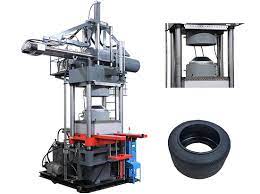
Introduction about Pneumatic Tyre Moulding Operator
A Pneumatic Tyre Moulding Operator is a skilled professional responsible for operating and overseeing the manufacturing process of pneumatic tires. Pneumatic tires, commonly known as air-filled tires, are crucial components in various vehicles, including cars, trucks, motorcycles, and bicycles. The role of a Pneumatic Tyre Moulding Operator involves working with specialized machinery and equipment to produce high-quality tires according to specific design and production standards.
Key responsibilities of a Pneumatic Tyre Moulding Operator include:
Machine Operation: Operating pneumatic tire molding machines and related equipment to shape and mold the rubber compounds into the desired tire specifications. This may involve adjusting machine settings, monitoring production parameters, and ensuring the efficient functioning of the equipment.
Quality Control: Conducting regular quality checks on the produced tires to ensure they meet the required standards for safety, durability, and performance. This includes inspecting the tire's dimensions, tread patterns, and overall appearance.
Material Handling: Managing the inflow of raw materials, such as rubber compounds and reinforcing materials, and ensuring their proper feeding into the molding machines. This also involves coordinating with other production staff to maintain a smooth and continuous workflow.
Troubleshooting: Identifying and resolving any issues or malfunctions in the production process promptly. This may require a sound understanding of the machinery, mechanical troubleshooting skills, and the ability to make adjustments to ensure optimal performance.
Safety Compliance: Adhering to strict safety protocols and guidelines to prevent accidents and ensure a secure working environment. This includes using personal protective equipment and following established safety procedures.
Record Keeping: Maintaining accurate records of production data, including quantities produced, machine settings, and any quality control measures taken. This information is crucial for tracking performance, analyzing trends, and addressing any issues that may arise.
Collaboration: Working closely with other members of the production team, including engineers, quality control personnel, and maintenance staff, to optimize the manufacturing process and address any challenges that may arise during production.
How can I apply for admission to Pneumatic Tyre Moulding Operator Program
To apply for admission to a Pneumatic Tyre Moulding Operator program, you typically need to follow these steps:
Research Programs: Start by researching institutions or vocational training centers that offer Pneumatic Tyre Moulding Operator programs. Look for schools with a good reputation in technical and vocational education.
Check Admission Requirements: Review the admission requirements for the program. These may include educational qualifications, such as a high school diploma or equivalent. Some programs may also have specific prerequisites or recommendations.
Prepare Necessary Documents: Gather all the required documents for the application. This may include your academic transcripts, a resume, letters of recommendation, and any other documents specified by the program or institution.
Fill Out Application Form: Complete the application form provided by the institution. Ensure that you provide accurate and complete information. Pay attention to any additional essays or personal statements that may be required.
Application Fee: Be prepared to pay the application fee, if applicable. Some institutions charge a fee to process applications. Check the program's website or contact the admissions office for information on fees.
Submit Application: Submit your application by the specified deadline. Some institutions may have online application portals, while others may require you to submit a physical application form. Follow the instructions provided by the institution.
Interview or Assessment: Some programs may require an interview or assessment as part of the admission process. Be prepared to discuss your interest in the field and your motivation for pursuing a career as a Pneumatic Tyre Moulding Operator.
Financial Aid and Scholarships: If you need financial assistance, explore the availability of financial aid or scholarships. Many educational institutions offer assistance to qualified students. Check with the financial aid office for details.
Wait for Admission Decision: After submitting your application, wait for the admission decision. This can take some time, so be patient. Check your email or the application portal regularly for updates.
Acceptance and Enrollment: If you receive an offer of admission, carefully read and follow the instructions for accepting the offer. This may include paying an enrollment deposit and completing any additional steps to secure your spot in the program.
Orientation: Attend any orientation sessions provided by the institution. This is an opportunity to learn more about the program, meet faculty and fellow students, and get acquainted with the campus and facilities.
What is the eligibility for Pneumatic Tyre Moulding Operator
Eligibility criteria for a Pneumatic Tyre Moulding Operator program may vary depending on the institution offering the training. However, here are some common eligibility requirements that you might encounter:
Educational Qualifications: Typically, candidates are required to have a high school diploma or an equivalent qualification. Some programs may have specific educational prerequisites or recommendations.
Age Limit: Certain programs may have age restrictions or preferences. Check with the institution to see if there are any age-related eligibility criteria.
Technical Aptitude: As the role involves operating and maintaining specialized machinery, a basic aptitude for technical skills may be beneficial. Some programs may assess this during the application process.
Physical Fitness: Working in a manufacturing environment may require physical stamina and the ability to stand for extended periods. Some programs may have health and fitness requirements to ensure that candidates can meet the demands of the job.
Communication Skills: Effective communication is essential in a team-oriented work environment. While not always explicitly stated as an eligibility criterion, strong communication skills are valuable in this field.
Admission Test or Interview: Some programs may require candidates to take an admission test or participate in an interview as part of the selection process. This could assess your understanding of the field and your motivation to pursue a career as a Pneumatic Tyre Moulding Operator.
Work Experience (if applicable): While not always mandatory, having relevant work experience in manufacturing or a related field might be considered a plus. Some programs may recognize and value practical experience.
Background Check: In some cases, institutions may conduct background checks as part of the admission process. This is to ensure the safety and suitability of candidates for the program.
How long does it takes to complete a Pneumatic Tyre Moulding Operator program
The duration of a Pneumatic Tyre Moulding Operator program can vary depending on the institution and the specific details of the program. Generally, these programs are designed to be relatively short-term and focused on providing practical skills for the specific role of a Pneumatic Tyre Moulding Operator. The duration can range from a few weeks to a few months.
Here are some factors that can influence the duration of the program:
Program Type: The length of the program may vary based on whether it is a certificate program, diploma program, or another type of vocational training. Certificate programs may be shorter, while diploma programs could be more comprehensive.
Intensity of Training: The intensity of the training, including the number of hours of instruction per week and whether it is a full-time or part-time program, can affect the overall duration.
Curriculum Complexity: The complexity of the curriculum and the depth of technical knowledge covered in the program can influence how long it takes to complete. Programs that cover a broader range of topics may have a longer duration.
Practical Training Components: Programs that include hands-on, practical training components, such as work placements or lab sessions, may have a longer duration to ensure students have ample time to develop practical skills.
Institutional Schedule: The scheduling format of the institution, such as semester-based or accelerated formats, can also impact the overall duration of the program.
What are potential career opportunities after Pneumatic Tyre Moulding Operator
After completing a Pneumatic Tyre Moulding Operator program, individuals can explore various career opportunities in the manufacturing and automotive industries. Here are some potential career paths:
Tyre Production Operator: Graduates may work directly in tyre production, operating moulding machines, ensuring quality control, and contributing to the manufacturing process of pneumatic tyres.
Quality Control Technician: Quality control technicians are responsible for inspecting and testing tyres to ensure they meet industry standards for safety, performance, and durability. They play a crucial role in maintaining product quality.
Machine Operator/Technician: Individuals with skills in operating and maintaining specialized machinery may find opportunities as general machine operators or technicians in manufacturing settings beyond tyre production.
Production Supervisor: With experience, Pneumatic Tyre Moulding Operators can advance to supervisory roles where they oversee production teams, manage schedules, and ensure that manufacturing processes run efficiently.
Manufacturing Technician: Graduates may pursue roles as manufacturing technicians, involved in the maintenance, troubleshooting, and repair of equipment used in tyre production or other manufacturing processes.
Automotive Industry Roles: Individuals may explore opportunities in the broader automotive industry, including positions related to tire assembly, automotive manufacturing, or maintenance roles within automotive facilities.
Process Engineer: Some individuals may choose to further their education and transition into roles as process engineers, where they optimize manufacturing processes, improve efficiency, and contribute to overall production enhancements.
Materials Handling and Logistics: There are potential opportunities in materials handling and logistics, ensuring the smooth flow of raw materials and finished products within a manufacturing facility.
Health and Safety Inspector: Those with a strong focus on safety and compliance may find opportunities in health and safety roles, inspecting and ensuring adherence to safety regulations in manufacturing environments.
Technical Sales Representative: Individuals who have gained a comprehensive understanding of tyre production may explore roles as technical sales representatives, where they can work with manufacturers or suppliers of tyre-related equipment and materials.
Syllabus of Pneumatic Tyre Moulding Operator
| Semester | Topics Covered |
|---|---|
| 1 | Basic Pneumatic Principles, Safety Measures |
| 2 | Tyre Manufacturing Overview, Moulding Equipment |
| 3 | Advanced Pneumatic Control Systems, Troubleshooting |
| 4 | Specialized Techniques in Tyre Moulding, Quality Control |
| 5 | Practical Applications, Internship |
| 6 | Innovation, Emerging Trends |
| 7 | Project Work, Presentation |
| 8 | Final Assessments, Certification |
Internship opportunities after completing Pneumatic Tyre Moulding Operator
After completing a program in Pneumatic Tyre Moulding Operations, individuals may have various internship opportunities to gain practical experience and further enhance their skills. Internships can provide valuable hands-on training in a real-world manufacturing environment. Here are some potential internship opportunities for individuals with a background in Pneumatic Tyre Moulding Operations:
Tyre Manufacturing Companies: Internships with tyre manufacturing companies offer direct exposure to the production processes, machinery, and quality control measures involved in creating pneumatic tyres.
Automotive Industry Internships: Interning with automotive companies that specialize in vehicle manufacturing or assembly can provide a broader perspective on how tyres fit into the overall production of automobiles.
Rubber Industry Internships: Opportunities with companies in the rubber industry, beyond tyre manufacturing, can broaden skills related to material handling, mixing processes, and other aspects of rubber production.
Quality Control Internships: Interning with quality control departments within manufacturing facilities allows individuals to focus specifically on ensuring the quality and standards of pneumatic tyres.
Research and Development Internships: Some companies engage in tire research and development. Interns in this area may contribute to innovations in tyre design, materials, and manufacturing processes.
Equipment and Machinery Manufacturers: Interning with companies that design, produce, or maintain the machinery used in tyre manufacturing can provide insights into the technology and mechanics involved.
Technical Sales Internships: Interning with companies involved in the sales and distribution of tyre-related equipment and materials allows individuals to gain experience in technical sales and customer interactions.
Environmental Health and Safety Internships: Internships focused on environmental health and safety within manufacturing environments can provide exposure to safety protocols, compliance, and regulations.
Supply Chain and Logistics Internships: Internships with companies involved in the supply chain and logistics of tyre production can offer insights into inventory management, transportation, and distribution.
Government Regulatory Agencies: Some individuals may find internships with government agencies responsible for regulating manufacturing standards and safety protocols related to the tyre industry.
Scholorship and grants for Pneumatic Tyre Moulding Operator
While specific scholarships and grants for Pneumatic Tyre Moulding Operator programs may be limited, individuals pursuing education or training in related fields such as manufacturing, engineering, or vocational training may find applicable financial assistance. Here are some general sources of scholarships and grants that individuals pursuing a career in Pneumatic Tyre Moulding Operations might explore:
Institutional Scholarships: Many educational institutions offer scholarships based on academic achievement, financial need, or specific criteria related to the program. Check with the institution providing the Pneumatic Tyre Moulding Operator program for information on available scholarships.
Industry Associations and Organizations: Explore scholarships offered by industry associations or organizations related to manufacturing, automotive, or rubber industries. These groups may provide financial support to students pursuing education in fields relevant to Pneumatic Tyre Moulding Operations.
Employer Sponsorship: Some companies in the manufacturing or automotive sector may offer scholarships or tuition reimbursement programs for employees seeking additional training or education in areas like tyre moulding.
Government Grants and Scholarships: Investigate government-sponsored grants or scholarships that support vocational or technical education. In some regions, there may be programs aimed at promoting skills development in manufacturing industries.
Trade Unions and Labor Organizations: Certain trade unions or labor organizations may offer scholarships to individuals pursuing careers in the manufacturing sector, including tyre production.
Community Foundations: Local community foundations or charitable organizations might provide scholarships for vocational training or technical education. These sources can be particularly relevant for individuals residing in specific regions.
Private Foundations and Corporations: Explore scholarships and grants offered by private foundations and corporations with an interest in supporting education and workforce development in the manufacturing and automotive industries.
Online Scholarship Search Engines: Utilize online scholarship search engines such as Fastweb, Chegg, or Scholarship.com to find potential funding opportunities. Tailor your search to scholarships related to manufacturing, vocational training, or technical education.
Financial Aid Offices: Contact the financial aid offices of educational institutions for guidance on available financial assistance, including grants and scholarships specific to the Pneumatic Tyre Moulding Operator program.
Professional Development Programs: Some professional development programs or industry training initiatives may offer financial support to individuals looking to enhance their skills in tyre manufacturing.
Conclusion
Becoming a Pneumatic Tyre Moulding Operator opens the door to a dynamic career in tyre manufacturing. With a blend of technical skills, quality control expertise, and hands-on experience, graduates can embark on a fulfilling journey within the manufacturing and automotive industries. Explore the possibilities and set your career on the fast track to success!
FAQ Pneumatic Tyre Moulding Operator
Q1: What is a Pneumatic Tyre Moulding Operator?
A1: A Pneumatic Tyre Moulding Operator is a skilled professional responsible for operating machinery in the production of pneumatic tires, playing a crucial role in the manufacturing process.
Q2: What does the training involve?
A2: Training typically covers machine operation, quality control, material handling, and safety protocols, providing a well-rounded understanding of tyre manufacturing.
Q3: What career opportunities are available after completing the program?
A3: Graduates can explore roles such as Tyre Production Operator, Quality Control Technician, and even advance to supervisory positions or explore opportunities in related industries like automotive manufacturing.
Q4: Are there internships available after completing the program?
A4: Yes, internships are available with tyre manufacturing companies, automotive industries, and other related fields to provide practical, hands-on experience.
Q5: Are there scholarships or grants for aspiring Pneumatic Tyre Moulding Operators?
A5: While specific to the program may be limited, individuals can explore scholarships from institutions, industry associations, employers, and government-sponsored initiatives for financial assistance.
How Shiksha Hub helps you in
-
 Student Counsellors
 -
 Career Counseling
 -
 Research
 -
 24/7 Support
 -
 Scholarships
 -
 Community