Posted by Admin on 11-09-2023 in Shiksha hub
Post Graduate Diploma in Adapted Physical Education Introduction, Admission, Registration, Eligibility, Duration, Fees, Syllabus 2024
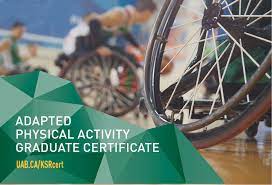
Introduction about Post Graduate Diploma in Adapted Physical Education
What is a Post Graduate Diploma in Adapted Physical Education?
A Post Graduate Diploma in Adapted Physical Education is a specialized program designed to train individuals in the field of physical education and health sciences with a focus on creating inclusive and adaptive environments for people with disabilities. This unique course equips students with the knowledge and skills needed to modify physical activities, exercise programs, and sports to accommodate individuals with various physical and cognitive challenges.
The Importance of Adapted Physical Education
Adapted Physical Education is a vital field that addresses the diverse needs of individuals with disabilities. It ensures that everyone, regardless of their physical or cognitive limitations, can access and benefit from physical activities and sports. This promotes inclusivity, enhances overall health, and fosters a sense of belonging among individuals with disabilities.
Eligibility Criteria for the Program
To pursue a Post Graduate Diploma in Adapted Physical Education, candidates typically need to have a bachelor's degree in a related field, such as physical education, sports science, or kinesiology. Some institutions may require specific entrance exams or interviews as part of their admission process.
Curriculum and Course Structure
The curriculum of this program is well-rounded, covering areas such as disability studies, therapeutic exercise, motor development, and sports science. Students also engage in practical sessions, where they learn how to adapt physical activities to cater to the unique needs of individuals with disabilities.
Career Opportunities After Completing the Program
Graduates of this program have a wide range of career opportunities. They can work in schools, rehabilitation centers, sports organizations, and healthcare institutions. Job roles may include Adapted Physical Education Teachers, Rehabilitation Specialists, and Inclusive Sports Coordinators.
Admissions and Application Process
The admission process varies from one institution to another. Students interested in this program should check the specific requirements and deadlines for the institutions they wish to apply to.
Benefits of Pursuing PG Diploma in Adapted Physical Education
Apart from the satisfaction of making a positive impact on the lives of individuals with disabilities, this program offers personal and professional growth. It instills empathy, adaptability, and the ability to think critically.
Challenges in the Field
Adapted Physical Education professionals face various challenges, including limited resources, attitudinal barriers, and the need for ongoing professional development. Overcoming these challenges is crucial for success in this field.
Prominent Institutions Offering this Program
Several esteemed institutions offer Post Graduate Diplomas in Adapted Physical Education. Some of them include [List of Prominent Institutions]. Each institution may have its unique approach to the program, so it's advisable to research and choose the one that aligns with your goals.
The Role of Adapted Physical Education Professionals
Adapted Physical Education professionals play a pivotal role in improving the overall quality of life for individuals with disabilities. They design customized fitness programs, provide support, and create an inclusive environment for their clients.
The Future of Adapted Physical Education
As awareness about inclusivity and diversity grows, the demand for professionals in Adapted Physical Education is expected to increase. This field will continue to evolve with advances in research and technology.
Real-World Application
The skills learned in this program have real-world applications, impacting the lives of countless individuals. Graduates often find themselves at the forefront of programs that bridge the gap between disability and physical activity.
Success Stories of Graduates
Hear from graduates who have made significant contributions in the field and learn how their education in Adapted Physical Education has positively impacted the lives of others.
Advancements in Adaptive Equipment and Technology
Stay updated on the latest innovations in adaptive equipment and technology that are making physical activity more accessible and enjoyable for people with disabilities.
How can I apply for admission to Post Graduate Diploma in Adapted Physical Education
Research Institutions: Begin by researching institutions that offer Post Graduate Diploma programs in Adapted Physical Education. Look for institutions that align with your academic and career goals.
Check Eligibility: Review the eligibility criteria for admission provided by each institution. Typically, you will need a bachelor's degree in a related field, such as physical education, sports science, or kinesiology. Some institutions may require specific entrance exams or interviews.
Prepare Required Documents: Once you've identified the institutions you want to apply to, gather the necessary documents. Commonly required documents include:
Transcripts of your previous academic qualifications.
Letters of recommendation from professors or professionals in the field.
Statement of Purpose (SOP): Write a compelling SOP explaining your reasons for pursuing a Post Graduate Diploma in Adapted Physical Education and your career aspirations.
Curriculum Vitae (CV) or Resume.
Any specific documents or forms required by the institution.
Fill Out Applications: Visit the websites of the chosen institutions and complete the online application forms. Ensure that you fill out all the required fields accurately and provide the necessary documents as specified.
Application Fee: Pay the application fee, if applicable. Some institutions charge a fee for processing your application.
Entrance Exams or Interviews: If the institution requires entrance exams or interviews, be sure to prepare for them in advance. Practice and review relevant material to perform well.
Submit Your Application: Double-check all the information on your application to ensure it's complete and accurate. Then, submit your application before the specified deadline. Keep copies of your application for your records.
Follow-Up: After submitting your application, monitor your email and the institution's admission portal for updates. Some institutions may request additional information or schedule interviews. Be prompt in responding to any requests.
Financial Aid: If you're interested in scholarships or financial aid, check the institution's website for information on available funding opportunities and deadlines.
Acceptance and Enrollment: Once you receive an acceptance letter, carefully review the terms and conditions. If you decide to enroll, follow the instructions provided to confirm your seat and complete the enrollment process.
What is the eligibility for POST GRADUATE DIPLOMA IN ADAPTED PHYSICAL EDUCATION
The eligibility criteria for a Post Graduate Diploma in Adapted Physical Education may vary slightly depending on the institution offering the program, but there are some common eligibility requirements that you can typically expect. Here is a general outline of the eligibility criteria:
Educational Qualifications:
A bachelor's degree in a related field is usually a primary requirement. Common related fields include physical education, sports science, kinesiology, or a closely related discipline.
Minimum GPA:
Many institutions specify a minimum Grade Point Average (GPA) that applicants should have achieved during their undergraduate studies. This GPA requirement can vary from one institution to another.
Entrance Exams (if applicable):
Some institutions may require applicants to take specific entrance exams as part of the admission process. These exams may assess your knowledge and aptitude in areas related to adapted physical education.
Letters of Recommendation:
You may be asked to provide letters of recommendation from professors, instructors, or professionals who can vouch for your academic abilities and potential in the field.
Statement of Purpose (SOP):
A well-written Statement of Purpose is often a crucial component of the application. In your SOP, you should articulate your reasons for pursuing a Post Graduate Diploma in Adapted Physical Education, your career goals, and how the program aligns with your aspirations.
Interview (if applicable):
Some institutions may require applicants to participate in an interview as part of the selection process. During the interview, you may be asked about your motivations, experiences, and goals in pursuing adapted physical education.
Work Experience (if applicable):
Some institutions may value relevant work experience in the field. If you have prior experience working with individuals with disabilities or in a related area, it could strengthen your application.
Specific Program Requirements:
Depending on the institution and program, there may be additional requirements or prerequisites. For example, certain courses may require a background in anatomy, physiology, or educational psychology.
Language Proficiency (if applicable):
If the medium of instruction is in a language other than your native language, you may need to provide proof of language proficiency through tests like IELTS or TOEFL.
How long does it takes to complete a Post Graduate Diploma in Adapted Physical Education
The duration of a Post Graduate Diploma in Adapted Physical Education program can vary from one institution to another. Typically, these programs are designed to be completed in a relatively short time, making them accessible for individuals looking to enhance their qualifications in this field. Here are some general guidelines regarding the duration of such programs:
One-Year Program: Many institutions offer Post Graduate Diploma programs in Adapted Physical Education that can be completed in approximately one year. These programs are often intensive and cover essential coursework to prepare students for careers in adapted physical education.
Two-Year Program: Some institutions may offer a more comprehensive two-year program. These programs may include a more in-depth curriculum, additional practical experiences, or research components.
Part-Time Options: In some cases, institutions may provide part-time or flexible study options, which can extend the duration of the program. Part-time students typically take longer to complete the program, usually two years or more.
What are potential career opportunities after Post Graduate Diploma in Adapted Physical Education
A Post Graduate Diploma in Adapted Physical Education equips graduates with specialized knowledge and skills to work in various settings that focus on promoting physical fitness and inclusivity for individuals with disabilities. Upon completing this program, you can explore a wide range of rewarding career opportunities in the field of Adapted Physical Education. Here are some potential career paths:
Adapted Physical Education Teacher: As an Adapted Physical Education teacher, you would work in schools, both mainstream and special education, to develop and implement adapted physical education programs for students with disabilities. Your role involves assessing individual needs, modifying physical activities, and ensuring inclusivity in physical education classes.
Rehabilitation Specialist: In this role, you would work in rehabilitation centers, helping individuals with disabilities regain their physical abilities. You may design customized exercise programs and provide physical therapy to improve their overall well-being.
Inclusive Sports Coordinator: In this position, you would organize and oversee sports and recreational programs that are open to individuals with disabilities. You would promote inclusivity in sports and create opportunities for people of all abilities to participate in physical activities.
Community Recreation Specialist: Community recreation specialists plan and manage recreational activities for individuals with disabilities in community centers, parks, and other public spaces. These programs can include adaptive sports, fitness classes, and leisure activities.
Health and Wellness Consultant: As a health and wellness consultant, you can work in healthcare institutions, gyms, or wellness centers, helping individuals with disabilities adopt healthier lifestyles. You would design fitness programs and provide guidance on nutrition and exercise.
Special Olympics Coach: Special Olympics organizations worldwide provide sports training and competitions for individuals with intellectual and developmental disabilities. As a coach, you would train athletes, organize events, and contribute to their physical development and confidence.
Adapted Physical Education Researcher: If you have a passion for research, you can explore opportunities in academia or research institutions. Your focus would be on advancing the field of Adapted Physical Education through research, innovations, and program development.
Adaptive Equipment Specialist: Work with companies or organizations that develop adaptive sports and fitness equipment. You would play a vital role in designing and promoting equipment that is tailored to the needs of individuals with disabilities.
Advocate for Inclusivity: Some graduates choose a path of advocacy, working with organizations and government agencies to promote policies and practices that support inclusivity in physical education and sports.
Program Coordinator: As a program coordinator, you can manage adapted physical education programs in various settings, ensuring that they run smoothly and effectively.
Private Adaptive Physical Education Instructor: Offer personalized adapted physical education services to individuals with disabilities on a one-on-one basis, helping them meet their specific fitness and wellness goals.
The career opportunities in Adapted Physical Education are diverse, allowing you to make a positive impact on the lives of individuals with disabilities and contribute to the promotion of inclusivity in physical activities and sports. Your choice of career path may depend on your interests, skills, and the specific goals you want to achieve in this field.
Syllabus of Post Graduate Diploma in Adapted Physical Education
The syllabus for a Post Graduate Diploma in Adapted Physical Education program may vary depending on the institution offering the program and the specific courses they include. However, I can provide a general overview of what you might expect to find in such a program, organized by semesters:
Semester 1: Foundations of Adapted Physical Education
Course 1: Introduction to Adapted Physical Education
Course 2: Disability Studies and Inclusion
Course 3: Anatomy and Physiology in Adapted Physical Education
Course 4: Adapted Physical Education Assessment and Individualized Planning
Semester 2: Adapted Physical Activity Instruction
Course 1: Adapted Physical Education Curriculum and Pedagogy
Course 2: Motor Development and Adapted Motor Skills
Course 3: Inclusive Sport and Recreation
Course 4: Communication and Collaboration in Adapted Physical Education
Semester 3: Specialized Topics
Course 1: Therapeutic Exercise and Rehabilitation
Course 2: Assistive Technology in Adapted Physical Education
Course 3: Research Methods in Adapted Physical Education
Course 4: Fieldwork and Practical Experience
Semester 4: Capstone and Electives
Course 1: Capstone Project in Adapted Physical Education
Course 2: Elective 1 (Choose from a list of specialized topics, such as adaptive aquatics, adaptive dance, or adapted sports coaching)
Course 3: Elective 2 (Choose from a list of specialized topics)
Course 4: Internship or Advanced Fieldwork
Please note that the specific courses, their titles, and the sequence may vary from one institution to another. Additionally, some institutions may offer flexibility in choosing electives and fieldwork options to align with the career goals and interests of the students. It's advisable to refer to the program curriculum provided by the institution you are interested in to get precise information about the courses and their sequence.
Internship opportunities after completing Post Graduate Diploma in Adapted Physical Education
After completing a Post Graduate Diploma in Adapted Physical Education, you'll have the opportunity to gain practical experience and further enhance your skills through internships in various settings. These internships are valuable for applying the knowledge you've acquired during your studies and preparing for a successful career in the field of Adapted Physical Education. Here are some potential internship opportunities:
Schools and Educational Institutions: Many Adapted Physical Education programs offer internships in school settings, allowing you to work with students with disabilities. You may assist in developing and implementing adapted physical education programs, conduct assessments, and collaborate with classroom teachers.
Rehabilitation Centers: Internships in rehabilitation centers provide the chance to work with individuals who have disabilities due to injuries, illnesses, or other health conditions. You can assist in designing and implementing exercise and rehabilitation programs to improve their physical well-being.
Community Recreation and Sports Programs: Interning with community-based organizations, such as community centers or adaptive sports clubs, allows you to organize and lead adapted physical activities and sports events for individuals with disabilities.
Special Olympics: Special Olympics is a global organization that offers internships to individuals interested in working with athletes with intellectual and developmental disabilities. You can assist in coaching, event management, and program development.
Healthcare Facilities: Some healthcare facilities offer internships in adaptive fitness and wellness programs, helping individuals with disabilities improve their health and fitness. This can include working in hospitals or outpatient therapy centers.
Inclusive Fitness Centers: Inclusive fitness centers focus on providing exercise opportunities for individuals of all abilities. Interning in such a facility allows you to help individuals with disabilities access fitness equipment and engage in exercise programs.
Government Agencies: Some government departments or agencies responsible for disability services and inclusive education may offer internship opportunities. You can work on policy development, program evaluation, and advocacy efforts.
Nonprofit Organizations: Many nonprofit organizations work to promote inclusivity in physical education and sports. Interning with these organizations can involve a variety of roles, from program coordination to fundraising.
Research Institutions: If you have an interest in research, you can pursue internships in research institutions or universities. This allows you to contribute to studies and projects related to adapted physical education and disability inclusion.
Private Practice: Some professionals in Adapted Physical Education choose to establish their private practice. An internship in a private practice setting can provide insights into managing your own business and serving clients with disabilities.
When seeking internship opportunities, it's essential to consider your career goals, interests, and the specific population you want to work with. Research institutions and organizations that align with your aspirations and reach out to them to inquire about internship possibilities. Internships not only provide hands-on experience but also help you build a network and establish your reputation in the field.
Scholorship and grants for Post Graduate Diploma in Adapted Physical Education
Scholarships and grants for a Post Graduate Diploma in Adapted Physical Education are available to help students with the financial aspects of their education. These financial aids can be essential in covering tuition costs, books, living expenses, and other educational fees. Here are some potential sources of scholarships and grants:
Institutional Scholarships: Many universities and colleges offer scholarships specifically for students pursuing degrees in fields related to physical education or adapted physical education. Check with the financial aid office of the institution where you plan to enroll.
Government Scholarships: Some government departments and agencies provide scholarships for students pursuing degrees in areas that benefit individuals with disabilities. These scholarships may be available at the federal, state, or local level.
Professional Associations: Professional organizations related to physical education and adapted physical education, such as the National Consortium for Physical Education for Individuals with Disabilities (NCPEID), may offer scholarships to students pursuing these fields. Membership in such organizations can provide access to these opportunities.
Private Foundations: Various private foundations and nonprofit organizations offer scholarships and grants to students in the field of adapted physical education. These foundations often have specific criteria and requirements.
Disability Advocacy Groups: Some disability advocacy organizations and groups that promote inclusivity in physical education and sports offer scholarships to support students committed to this cause.
Special Olympics: Special Olympics and similar organizations sometimes offer scholarships to students interested in working with individuals with intellectual and developmental disabilities. These scholarships may be tied to participation or volunteering in their programs.
Rehabilitation Centers and Hospitals: Some healthcare facilities and rehabilitation centers provide scholarships or grants to students studying adapted physical education, especially if the education aligns with the center's mission.
Community Organizations: Local community organizations, sports clubs, and philanthropic groups may offer scholarships to students pursuing careers in adapted physical education.
Online Scholarship Databases: Websites like Fastweb, Scholarships.com, and College Board's Scholarship Search allow you to search for scholarships based on your field of study and personal qualifications.
Athletic and Sports Scholarships: While not specific to adapted physical education, athletic and sports scholarships may still be applicable if you excel in a particular sport and plan to work with individuals with disabilities in that sport.
When searching for scholarships and grants, make sure to thoroughly review the eligibility criteria, deadlines, and application requirements for each opportunity. Many scholarships require essays or personal statements, letters of recommendation, and transcripts. It's also advisable to explore local and regional opportunities, as they may have fewer applicants and increased chances of receiving financial aid. Remember that scholarships and grants can significantly alleviate the financial burden of your education and allow you to focus on your studies and career goals.
Conclusion
In conclusion, a Post Graduate Diploma in Adapted Physical Education is not just a course; it's a commitment to making a difference in the lives of individuals with disabilities. By learning to adapt physical activities and promote inclusivity, graduates of this program become agents of positive change.
FAQs
What is the duration of a Post Graduate Diploma in Adapted Physical Education program?
The duration varies from one institution to another but is typically one to two years.
Are there scholarships available for students pursuing this program?
Many institutions offer scholarships and financial aid to eligible students. It's advisable to check with the specific institution's financial aid office.
What are the prerequisites for admission to this program?
A bachelor's degree in a related field is usually required, along with meeting the institution's specific admission criteria.
Can I pursue this program online?
Some institutions may offer online or hybrid programs, providing flexibility for students.
What kind of impact can I make in the field of Adapted Physical Education?
Graduates of this program have the potential to make a significant impact by improving the physical and mental well-being of individuals with disabilities and promoting inclusivity in physical activities and sports.
How Shiksha Hub helps you in
-
 Student Counsellors
 -
 Career Counseling
 -
 Research
 -
 24/7 Support
 -
 Scholarships
 -
 Community