Posted by Admin on 13-09-2023 in Shiksha hub
Post Graduate Diploma In Social Work & Rural Development Introduction, Admission, Registration, Eligibility, Duration, Fees, Syllabus 2024
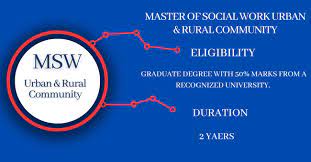
Introduction about POST GRADUATE DIPLOMA IN SOCIAL WORK & RURAL DEVELOPMENT
In today's ever-changing world, the need for skilled professionals in social work and rural development has never been greater. As communities expand and diversify, there is a growing demand for individuals who can address complex social issues and contribute to the sustainable development of rural areas. Pursuing a Post Graduate Diploma in Social Work & Rural Development is an excellent way to acquire the necessary skills and knowledge to make a difference in the lives of others.
Understanding the Significance of Social Work
Social work is a noble profession aimed at improving the well-being of individuals and communities. It encompasses a wide range of activities, including counseling, advocacy, community organizing, and policy analysis. Social workers play a crucial role in addressing social injustices, poverty, and inequality.
Exploring Rural Development Strategies
Rural development focuses on enhancing the quality of life in rural areas by implementing sustainable strategies. These strategies may include improving agricultural practices, promoting education, ensuring healthcare access, and fostering economic growth. Professionals with a background in rural development are essential for creating thriving and self-sufficient rural communities.
The Role of Post Graduate Diploma in Social Work & Rural Development
A Post Graduate Diploma in Social Work & Rural Development equips individuals with specialized knowledge and practical skills. This comprehensive program covers various topics such as social policy analysis, community engagement, project management, and research methods. Graduates of this diploma program are well-prepared to address the unique challenges faced by both urban and rural communities.
Curriculum Overview
The curriculum of a Post Graduate Diploma in Social Work & Rural Development typically includes courses on social welfare policies, human behavior and diversity, community development, and social research methods. Students also engage in fieldwork and internships, gaining hands-on experience in real-world settings.
Career Opportunities in Social Work and Rural Development
Upon completing the diploma program, graduates have a wide array of career opportunities. They can work in government agencies, non-profit organizations, schools, healthcare institutions, and international development agencies. Social workers and rural development professionals are instrumental in creating positive social change and improving the living conditions of communities.
Challenges Faced by Professionals in the Field
While social work and rural development are rewarding fields, professionals often face challenges. These challenges may include limited resources, cultural differences, bureaucratic obstacles, and the need for continuous advocacy. Overcoming these challenges requires resilience, creativity, and a deep commitment to making a difference.
Importance of Networking and Collaboration
Networking and collaboration are essential aspects of social work and rural development. Professionals in these fields must collaborate with various stakeholders, including government officials, community leaders, and other organizations. Building strong networks enhances the effectiveness of interventions and promotes sustainable development.
Impactful Projects and Initiatives
Many organizations and individuals are making significant contributions to social work and rural development through innovative projects and initiatives. These initiatives may include education programs, healthcare services, environmental conservation efforts, and poverty alleviation projects. Highlighting these success stories inspires others and demonstrates the potential for positive change.
Future Trends in Social Work and Rural Development
The future of social work and rural development is marked by ongoing advancements and evolving trends. Technology, data analytics, and social media are increasingly being utilized to address social issues and connect with communities. Professionals must stay updated with these trends to remain effective in their roles.
How can I apply for admission to POST GRADUATE DIPLOMA IN SOCIAL WORK & RURAL DEVELOPMENT Program
Applying for admission to a Post Graduate Diploma in Social Work & Rural Development program involves several steps to ensure a smooth and successful application process. Here's a comprehensive guide on how to apply for this esteemed program in English:
Research and Choose the Right Institution:
Begin by researching institutions that offer the Post Graduate Diploma in Social Work & Rural Development. Consider factors such as accreditation, faculty expertise, curriculum, and available resources. Choose an institution that aligns with your academic and career goals.
Review Admission Requirements:
Carefully review the admission requirements of the selected institution. Typically, these requirements include a bachelor's degree in a related field, academic transcripts, letters of recommendation, a statement of purpose, and, in some cases, relevant work experience. Make a checklist of all the documents needed for the application.
Prepare Necessary Documents:
Gather all the required documents well in advance. This may include transcripts from previous educational institutions, letters of recommendation from professors or employers, a well-crafted statement of purpose explaining your motivation to join the program, and any other documents specified by the institution.
Prepare for Entrance Exams (if applicable):
Some institutions might require you to take specific entrance exams to assess your aptitude and knowledge in the field. Prepare thoroughly for these exams, focusing on relevant subjects and topics related to social work and rural development.
Submit Online Application:
Most institutions offer an online application portal. Create an account on the institution's website, fill out the application form accurately, and upload all the required documents. Pay close attention to deadlines and submit the application well before the due date to avoid any last-minute technical issues.
Prepare for Interviews (if applicable):
Some institutions conduct interviews as part of the admission process. Prepare for these interviews by researching commonly asked questions and practicing your responses. Highlight your passion for social work and rural development and demonstrate how you can contribute to the program.
Financial Planning:
Explore scholarship opportunities, grants, and financial aid options provided by the institution or external organizations. Plan your finances carefully to cover tuition fees, accommodation, and other related expenses during your studies.
Follow Up:
After submitting your application, follow up with the institution to confirm that they have received all your documents. Stay proactive and responsive to any communication from the admission office. This demonstrates your genuine interest in the program.
Wait for Admission Decision:
Once you have completed all the necessary steps, patiently wait for the admission decision. This period can be nerve-wracking, but try to stay positive and focus on preparing for your future studies.
Acceptance and Enrollment:
If you receive an acceptance letter, congratulations! Follow the instructions provided in the acceptance letter to secure your spot in the program. Pay the required fees, complete any additional paperwork, and prepare for your exciting journey into the world of social work and rural development.
By following these steps and staying organized throughout the application process, you increase your chances of successfully gaining admission to the Post Graduate Diploma in Social Work & Rural Development program. Best of luck on your academic journey!
What is the eligibility for POST GRADUATE DIPLOMA IN SOCIAL WORK & RURAL DEVELOPMENT
Eligibility Criteria for POST GRADUATE DIPLOMA IN SOCIAL WORK & RURAL DEVELOPMENT
Pursuing a Post Graduate Diploma in Social Work & Rural Development is a significant step towards a fulfilling career in making positive social changes. However, to be eligible for this program, candidates need to meet specific criteria set by educational institutions. Here's a detailed overview of the typical eligibility requirements in English:
Educational Qualifications:
Candidates interested in applying for the Post Graduate Diploma in Social Work & Rural Development program must possess a bachelor's degree from a recognized university or institution. The degree should be in a relevant field, such as social work, sociology, anthropology, psychology, or any other related discipline. A strong academic background is often preferred during the selection process.
Minimum Grade Requirement:
Many institutions require candidates to have a minimum percentage or grade point average (GPA) in their bachelor's degree. The exact minimum grade requirement may vary between institutions. It's essential for applicants to check the specific GPA or percentage needed for eligibility at the chosen institution.
Entrance Exams (if applicable):
Some universities or colleges may conduct entrance examinations to assess the aptitude and knowledge of applicants. Candidates must prepare for these exams, focusing on subjects related to social work, rural development, general knowledge, and analytical abilities. The performance in these exams often plays a significant role in the selection process.
Work Experience (if applicable):
While work experience is not a mandatory requirement for all institutions, some may prefer candidates with relevant professional experience in social work, rural development, or related fields. Work experience can strengthen the application and demonstrate the candidate's practical understanding of the field.
English Proficiency:
For international applicants or candidates whose native language is not English, demonstrating English proficiency is crucial. Most institutions require candidates to submit English language proficiency test scores, such as IELTS or TOEFL. Meeting the minimum required scores is essential for eligibility.
Letters of Recommendation and Statement of Purpose:
Candidates are typically required to submit letters of recommendation from professors, employers, or supervisors who can vouch for their academic capabilities and character. Additionally, a well-written statement of purpose outlining the candidate's motivations, aspirations, and suitability for the program is essential.
Interview (if applicable):
Some institutions may conduct interviews as part of the selection process. During the interview, candidates may be assessed for their communication skills, passion for the field, and alignment with the program's objectives.
Prospective applicants should carefully review the eligibility criteria specified by the institution of their choice. Meeting these requirements ensures that candidates have the necessary qualifications and attributes to excel in the Post Graduate Diploma in Social Work & Rural Development program. Applicants are encouraged to prepare thoroughly and present a compelling application to increase their chances of acceptance into this esteemed program.
How long does it takes to complete a POST GRADUATE DIPLOMA IN SOCIAL WORK & RURAL DEVELOPMENT program
The duration of a Post Graduate Diploma in Social Work & Rural Development program can vary based on the specific institution and the structure of the curriculum. Typically, these diploma programs are designed to be intensive and focused, providing students with specialized knowledge and skills in social work and rural development. Here are the general timelines associated with completing such a program in English:
One-Year Programs:
Many institutions offer Post Graduate Diploma in Social Work & Rural Development programs that can be completed in one year of full-time study. These programs are often highly concentrated, covering essential topics and practical skills within a shorter timeframe. One-year programs are suitable for individuals who want to gain expertise quickly and enter the workforce promptly.
Two-Year Programs:
Some institutions provide a more comprehensive two-year Post Graduate Diploma in Social Work & Rural Development. These programs offer a more in-depth exploration of the subject matter, allowing students to delve into advanced topics, engage in extended internships, and conduct thorough research. Two-year programs are beneficial for individuals seeking a more thorough and immersive learning experience.
Part-Time and Online Options:
Additionally, part-time and online options are available for individuals who need more flexibility in their schedules. Part-time programs may extend the duration to accommodate students who are balancing their studies with work or other commitments. Online programs, while often self-paced, can also be completed within one to two years, depending on the student's availability and dedication.
Accelerated or Intensive Programs:
Some institutions offer accelerated or intensive formats for the Post Graduate Diploma in Social Work & Rural Development. These programs are designed to be completed in a shorter duration than traditional programs. While the workload in these programs is higher, they provide a swift path to acquiring the diploma for those who can manage the intensity.
Prospective students should carefully review the program structures and durations offered by different institutions. Consideration of personal schedules, learning preferences, and career goals is crucial when choosing the appropriate duration for the Post Graduate Diploma in Social Work & Rural Development program. Additionally, consulting with academic advisors or program coordinators can provide valuable insights into the best-fit options based on individual circumstances.
What are potential career opportunities after POST GRADUATE DIPLOMA IN SOCIAL WORK & RURAL DEVELOPMENT
Potential Career Opportunities After Completing a POST GRADUATE DIPLOMA IN SOCIAL WORK & RURAL DEVELOPMENT
Earning a Post Graduate Diploma in Social Work & Rural Development opens the door to a wide range of rewarding and impactful career opportunities. Graduates equipped with specialized knowledge and practical skills in social work and rural development are in high demand across various sectors. Here are some potential career pathways in English that become accessible after completing this diploma:
Social Worker:
Graduates can work as social workers, helping individuals and families cope with challenges such as poverty, mental health issues, or substance abuse. They provide counseling, connect clients with resources, and advocate for their well-being.
Community Development Officer:
Community development officers focus on improving the quality of life in specific communities. They plan and implement programs related to education, healthcare, infrastructure, and social services, contributing to the overall development of rural and urban areas.
Non-Profit Organization Manager:
Many non-profit organizations work in social welfare and rural development. Graduates can become managers, overseeing the operations, fundraising, and strategic planning of these organizations, ensuring their initiatives have a significant impact.
Policy Analyst:
Policy analysts assess social policies and their implications on communities. They work for government agencies, NGOs, or research institutions, analyzing policies related to social welfare, poverty alleviation, and rural development, and providing recommendations for improvement.
International Development Consultant:
Graduates can work as consultants for international development agencies, contributing their expertise to projects aimed at improving living conditions in developing countries. They may focus on areas like healthcare, education, or sustainable agriculture.
Educator or Trainer:
Social work and rural development professionals can become educators, teaching future generations about social issues, community development strategies, and social work techniques. They can work in schools, colleges, or vocational training centers.
Researcher:
Research plays a crucial role in understanding social challenges and devising effective solutions. Graduates can work as researchers, conducting studies on various social issues, evaluating programs, and contributing valuable insights to the field.
Healthcare Social Worker:
Healthcare social workers assist patients and their families in coping with the emotional and practical aspects of illnesses. They work in hospitals, clinics, or hospice settings, helping patients access necessary services and providing emotional support.
Advocacy Officer:
Advocacy officers work for NGOs or advocacy organizations, raising awareness about social injustices and advocating for policy changes. They mobilize communities, engage with policymakers, and campaign for social and environmental causes.
Entrepreneur in Social Enterprises:
Some graduates choose to start their social enterprises, addressing specific social or environmental issues. These ventures focus on creating positive change while sustaining themselves financially.
The diverse career opportunities available to graduates with a Post Graduate Diploma in Social Work & Rural Development highlight the importance and relevance of this field. These professionals play a crucial role in shaping inclusive, sustainable communities and improving the lives of individuals and families, making a lasting impact on society.
Syllabus of POST GRADUATE DIPLOMA IN SOCIAL WORK & RURAL DEVELOPMENT
Pursuing a Post Graduate Diploma in Social Work & Rural Development involves a comprehensive study of various subjects and practical training to prepare students for impactful careers. Here is a semester-wise breakdown of the typical syllabus for this program in English:
Semester 1: Foundation Courses
Introduction to Social Work
History and evolution of social work
Social work theories and methodologies
Rural Development Fundamentals
Basics of rural sociology
Rural livelihoods and sustainable development
Social Work Research Methods
Qualitative and quantitative research techniques
Data collection and analysis in social research
Human Behavior and Diversity
Psychological and sociological perspectives
Cultural competence in social work practice
Communication Skills for Social Workers
Verbal and non-verbal communication techniques
Active listening and empathy in social work settings
Fieldwork and Internship (Practical Training)
Hands-on experience in social work and rural development settings
Supervised field placements to apply classroom knowledge
Semester 2: Advanced Topics and Specializations
Social Welfare Policies and Programs
Analysis of social policies
Social security and welfare schemes
Community Development Strategies
Participatory approaches in community development
Project planning and implementation
Gender and Development
Gender roles and inequalities
Gender-sensitive programming in social work
Environmental Sustainability and Rural Development
Environmental issues in rural areas
Sustainable agriculture and natural resource management
Social Work Ethics and Professionalism
Ethical dilemmas in social work practice
Professional boundaries and ethical decision-making
Policy Advocacy and Social Change
Advocacy strategies for social issues
Grassroots mobilization and policy impact assessment
Elective Course (Specialization)
Students can choose from specialized areas such as healthcare, education, or poverty alleviation, depending on their career interests.
Semester 3: Research and Practical Implementation
Advanced Research Methods
Experimental designs and surveys
Data interpretation and advanced statistical analysis
Program Evaluation in Social Work
Outcome measurement and impact assessment
Evaluation techniques for social programs
Professional Development and Leadership
Leadership skills in social work organizations
Continuous professional development opportunities
Global Perspectives in Social Work and Rural Development
Comparative analysis of international social policies
Case studies from successful global development projects
Thesis/Research Project
Independent research on a social issue or rural development topic
Thesis defense and presentation
Internship Continuation and Special Projects
Extended fieldwork in specialized areas
Engaging in community development initiatives
Completing the Post Graduate Diploma in Social Work & Rural Development equips graduates with a deep understanding of social issues, research skills, and practical experience necessary to create positive change in communities. The combination of theoretical knowledge and hands-on training prepares students for diverse and impactful careers in social work and rural development.
Internship opportunities after completing POST GRADUATE DIPLOMA IN SOCIAL WORK & RURAL DEVELOPMENT
After completing a Post Graduate Diploma in Social Work & Rural Development, graduates have a multitude of exciting internship opportunities that can significantly enhance their practical skills and prepare them for meaningful careers. Here are various avenues where graduates can find valuable internships in English:
Non-Governmental Organizations (NGOs):
NGOs play a pivotal role in social work and rural development. Interning with NGOs allows graduates to work on projects related to healthcare, education, women empowerment, environmental sustainability, and community development. NGOs often collaborate with diverse communities, offering interns exposure to real-world challenges and opportunities for impact.
Government Agencies:
Many government departments, such as departments of social welfare and rural development, offer internships. Interns may be involved in policy analysis, program implementation, and community outreach initiatives. Government internships provide insights into the regulatory aspects of social work and rural development.
Community Development Organizations:
Local community development organizations focus on specific issues within communities, such as poverty alleviation, sanitation, or agricultural development. Interning with these organizations allows graduates to work closely with community members, identifying their needs and implementing targeted solutions.
International Development Agencies:
Interning with international organizations like the United Nations, World Bank, or UNICEF offers exposure to global social and rural development projects. Interns may participate in research, data analysis, and advocacy efforts, gaining a broad perspective on international challenges and solutions.
Healthcare Institutions:
Hospitals, clinics, and health NGOs often require social work professionals to assist patients and their families. Interns in healthcare settings can work with social workers, helping patients access resources, providing emotional support, and understanding the intersection of healthcare and social needs.
Educational Institutions:
Schools, colleges, and universities provide internship opportunities in educational outreach programs. Interns can collaborate with educators to create awareness about social issues among students, organize workshops, and develop educational materials focusing on social work and rural development themes.
Research Institutes:
Research institutes dedicated to social sciences and rural studies offer internships in ongoing research projects. Interns contribute to data collection, analysis, and report writing, gaining valuable research skills and insights into evidence-based interventions.
Corporate Social Responsibility (CSR) Initiatives:
Many companies engage in CSR activities related to social work and rural development. Interning with corporate CSR initiatives allows graduates to work on projects funded by corporations, addressing various social and environmental issues within communities.
Social Enterprises and Startups:
Social enterprises focus on creating a positive impact while sustaining themselves financially. Interning with social startups provides exposure to innovative solutions for social challenges. Interns may be involved in business planning, market research, and community engagement initiatives.
Online Platforms and Apps:
With the rise of technology, several online platforms and mobile apps address social issues and rural development. Interns can work remotely, engaging in content creation, community management, and digital outreach, reaching a global audience and making a difference through digital platforms.
Graduates with a Post Graduate Diploma in Social Work & Rural Development have a diverse array of internship opportunities to choose from. These internships not only provide practical experience but also help individuals identify their passions within the field and pave the way for fulfilling and impactful careers.
Scholarships and Grants for POST GRADUATE DIPLOMA IN SOCIAL WORK & RURAL DEVELOPMENT
Pursuing a Post Graduate Diploma in Social Work & Rural Development can be a significant investment in one's education and future. Fortunately, there are numerous scholarships and grants available to support aspiring social workers and rural development professionals in achieving their academic goals. Here's a comprehensive guide to some of the scholarships and grants available in English:
Institutional Scholarships:
Many educational institutions offering the Post Graduate Diploma in Social Work & Rural Development have their scholarship programs. These scholarships are usually merit-based or need-based and are awarded to students who demonstrate exceptional academic achievements or financial need.
Government Scholarships:
Government departments related to social welfare and rural development often provide scholarships to students pursuing studies in these fields. These scholarships are designed to encourage individuals to contribute to social and rural development initiatives. Applicants usually need to meet specific eligibility criteria outlined by the respective government agencies.
NGO and Non-Profit Organization Scholarships:
NGOs and non-profit organizations dedicated to social causes offer scholarships to students who aspire to work in the social work and rural development sectors. These scholarships aim to nurture future leaders in the field and are often accompanied by mentorship and networking opportunities.
Corporate Scholarships:
Some corporations, especially those with a strong focus on corporate social responsibility (CSR), offer scholarships for students pursuing social work and rural development programs. These scholarships are part of the company’s commitment to supporting education and community development.
Professional Associations and Foundations:
Professional associations related to social work and rural development, as well as charitable foundations, provide scholarships to students enrolled in relevant programs. These scholarships may be specific to certain areas of study within social work, such as healthcare or environmental sustainability.
International Scholarships:
There are scholarships provided by international organizations, universities, and governments that support students from developing countries pursuing studies in social work and rural development. These scholarships facilitate cross-cultural learning and enable students to bring global perspectives to their work.
Grants and Research Funding:
Apart from scholarships, students pursuing the Post Graduate Diploma in Social Work & Rural Development can explore research grants and funding opportunities. These grants support research projects and initiatives related to social issues, providing financial assistance for in-depth studies and fieldwork.
Online Platforms and Scholarship Databases:
Several online platforms and scholarship databases curate a list of scholarships available for social work and rural development students. These platforms allow students to search for scholarships based on their eligibility criteria, making the scholarship application process more accessible.
It's essential for aspiring students to research and apply for scholarships well in advance of their program start date. Each scholarship or grant will have specific requirements and deadlines, so staying organized and preparing a compelling application is crucial. By taking advantage of these scholarship opportunities, students can alleviate the financial burden of education and focus on their academic and professional growth.
Conclusion
In conclusion, pursuing a Post Graduate Diploma in Social Work & Rural Development opens doors to a fulfilling and impactful career. By acquiring a deep understanding of social issues and sustainable development strategies, graduates can contribute meaningfully to society. The challenges faced in these fields are opportunities for growth and innovation. As professionals collaborate, advocate, and implement transformative projects, they create a positive ripple effect in the lives of individuals and communities.
FAQs (Frequently Asked Questions)
What is the duration of the Post Graduate Diploma in Social Work & Rural Development program?
The duration of the program varies but is typically one to two years, depending on the institution and the curriculum structure.
Are there job opportunities abroad for social work and rural development professionals?
Yes, there are job opportunities abroad, especially with international non-governmental organizations (NGOs) and United Nations agencies that focus on social development and rural initiatives.
Can I pursue further studies after completing the Post Graduate Diploma in Social Work & Rural Development?
Yes, many graduates choose to pursue master's or doctoral degrees in related fields to enhance their expertise and career prospects.
What skills are essential for a successful career in social work and rural development?
Essential skills include empathy, communication, problem-solving, cultural competence, and the ability to work collaboratively with diverse groups of people.
How Shiksha Hub helps you in
-
 Student Counsellors
 -
 Career Counseling
 -
 Research
 -
 24/7 Support
 -
 Scholarships
 -
 Community