Posted by Admin on 28-08-2023 in Shiksha hub
Propeller Technician, Introduction, Admission, Registration, Eligibility, Duration, Fees, Syllabus 2024
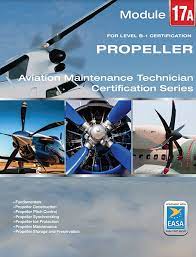
Introduction about PROPELLER TECHNICIAN
A propeller technician, also known as a propeller specialist or propeller maintenance technician, is a skilled professional responsible for the maintenance, repair, and inspection of aircraft propellers. These highly trained individuals play a critical role in ensuring the safety and efficiency of aircraft operations.
The propeller is a fundamental component of an aircraft, as it converts the power generated by the engine into thrust, enabling the aircraft to move through the air. Propeller technicians are vital in the aviation industry, as they are responsible for keeping these essential components in optimal working condition. They work on a wide range of aircraft, including small general aviation planes, commercial airliners, and military aircraft.
Key responsibilities of a propeller technician include:
Inspection and Testing: Propeller technicians inspect propellers for signs of damage, wear, and corrosion. They use various tools and techniques, such as magnetic particle inspection, to detect hidden defects.
Maintenance and Repair: When issues are identified, these professionals are responsible for disassembling, cleaning, and repairing propellers. They may need to replace damaged components, such as blades, hubs, or seals, and ensure proper balancing.
Overhauls and Refurbishment: Periodically, propellers require more extensive overhauls and refurbishments to extend their service life. Technicians disassemble the entire propeller assembly, inspect and repair all components, and reassemble it to factory specifications.
Balancing: Propeller technicians perform dynamic balancing to ensure that the propeller rotates smoothly and without vibrations. Balancing is critical for the safety and performance of the aircraft.
Documentation: They maintain detailed records of all work performed on propellers, including inspections, repairs, and overhauls, to track their maintenance history and ensure compliance with aviation regulations.
Compliance with Regulations: Propeller technicians must adhere to strict regulations and guidelines established by aviation authorities, such as the Federal Aviation Administration (FAA) in the United States. They ensure that all work is carried out according to these standards.
Testing and Quality Control: After servicing a propeller, technicians conduct rigorous testing to ensure that it functions correctly and meets safety and performance standards.
How can I apply for admission to PROPELLER TECHNICIAN Program
To apply for admission to a Propeller Technician program, you'll typically need to follow a specific set of steps. Here's a general guide to help you get started:
Research Programs: Start by researching educational institutions that offer Propeller Technician programs. Look for schools, colleges, or technical institutes that are known for their aviation maintenance and technology programs. Ensure that the program you're interested in includes coursework and training specific to propeller maintenance.
Check Admission Requirements: Review the admission requirements for the program you're interested in. These requirements can vary by institution but often include the following:
High school diploma or equivalent (GED)
Minimum age requirement (usually 18 or older)
Prerequisite coursework in mathematics or science
Physical fitness requirements
Clean criminal record (for security clearance)
English proficiency (if the program is in an English-speaking country)
Prepare Application Materials: Gather all the necessary application materials, which typically include:
Completed application form (usually available online)
High school transcripts or GED certificate
Letters of recommendation (if required)
Personal statement or essay explaining your interest in the program
Resume or CV highlighting any relevant experience or skills
Proof of English proficiency (if applicable)
Application fee (if required)
Apply Online or Offline: Most institutions offer online application processes. Follow the application instructions provided by the school of your choice. Ensure that you provide accurate and complete information.
Financial Aid and Scholarships: Research the availability of financial aid, scholarships, or grants to help cover the cost of your education. Many schools offer financial assistance, and there may be specific scholarships for students pursuing aviation maintenance programs.
Attend an Interview (if required): Some programs may require an interview as part of the admission process. Be prepared to discuss your interest in propeller maintenance and your career goals.
Complete Any Entrance Examinations (if required): Some institutions may require applicants to take an entrance examination to assess their readiness for the program. Prepare for any such tests by reviewing relevant materials or resources provided by the school.
Await Admission Decision: Once you've submitted your application and completed any required interviews or exams, you'll need to wait for the admission decision. This can take some time, so be patient.
Acceptance and Enrollment: If you receive an acceptance letter, carefully review the terms and conditions. You'll need to formally accept the offer and follow any enrollment instructions provided by the institution.
Plan for Housing and Logistics: If you're relocating for your program, make arrangements for housing, transportation, and any other logistics necessary for your move.
What is the eligibility for PROPELLER TECHNICIAN
Eligibility requirements for becoming a Propeller Technician may vary depending on the specific program or institution you choose to attend. However, I can provide you with a general overview of typical eligibility criteria:
High School Diploma or GED: Most Propeller Technician programs require applicants to have a high school diploma or its equivalent, such as a General Education Development (GED) certificate.
Age Requirement:
Minimum Age: Many aviation maintenance programs, including Propeller Technician programs, require applicants to be at least 18 years old. This age requirement is often set to ensure that candidates have the maturity and responsibility necessary for the program.
Prerequisite Courses: Some programs may require you to have completed specific prerequisite courses in subjects like mathematics, physics, or related sciences. These courses are usually at the high school level.
Good Physical Health: Aviation maintenance programs may have physical fitness requirements to ensure that students can perform the physically demanding tasks involved in aircraft maintenance.
Clean Criminal Record: Due to security and safety concerns in the aviation industry, you may be required to pass a background check. A criminal record could disqualify you from enrolling in the program.
English Proficiency (if applicable): If the program is offered in a country where English is not the primary language, you may need to demonstrate proficiency in the English language through standardized tests like TOEFL or IELTS.
Application Materials: You'll typically need to submit a complete application, which may include:
Completed application form
High school transcripts or GED certificate
Letters of recommendation (if required)
Personal statement or essay explaining your interest in the program
Resume or CV highlighting any relevant experience or skills
Application fee (if applicable)
How long does it takes to complete a PROPELLER TECHNICIAN program
The duration of a Propeller Technician program can vary depending on the specific school or institution offering it, as well as the type of program and the curriculum they provide. However, most Propeller Technician programs are designed to be completed in a relatively short time frame compared to traditional degree programs. Here are some common program lengths:
Certificate or Diploma Programs: These programs typically last around 6 to 12 months. They provide a focused education on propeller maintenance and repair techniques, and they are designed to prepare students for entry-level positions as Propeller Technicians.
Associate's Degree Programs: Some institutions offer Associate of Applied Science (AAS) degree programs in Aviation Maintenance Technology with a specialization in propeller systems. These programs typically take about 18 to 24 months to complete, including both classroom instruction and hands-on training.
Apprenticeship Programs: In some cases, individuals may pursue an apprenticeship in propeller maintenance. The duration of an apprenticeship can vary widely but often spans two to four years. During this time, apprentices work alongside experienced technicians, gaining practical experience and knowledge.
Additional Training: After completing an initial program or apprenticeship, some individuals may choose to pursue advanced training or certification in specific propeller systems or technologies. These additional training courses can range from a few weeks to several months.
What are potential career opportunities after PROPELLER TECHNICIAN
Completing a Propeller Technician program can open the door to various career opportunities in the field of aviation maintenance and propeller systems. Here are some potential career paths and job opportunities for individuals with training and expertise in propeller maintenance:
Propeller Technician: This is the most direct career path, where you work as a technician specializing in the maintenance, repair, and overhaul of aircraft propellers. You may find employment with aircraft maintenance and repair facilities, aircraft manufacturers, or airlines.
Aircraft Maintenance Technician: With a background in propeller maintenance, you can also become a more generalized aircraft maintenance technician. This role involves working on various aircraft systems, including engines, avionics, and airframes.
Quality Control Inspector: Quality control inspectors ensure that all maintenance and repair work, including propeller maintenance, meets industry standards and regulatory requirements. They play a crucial role in maintaining aircraft safety.
Aircraft Inspector: Aircraft inspectors examine and assess the overall condition and safety of an aircraft, including its propellers. They ensure that aircraft are airworthy and comply with safety regulations.
Aircraft Mechanic Supervisor: With experience, you may advance to a supervisory role where you oversee a team of propeller technicians or aircraft maintenance personnel.
Aviation Maintenance Manager: These professionals are responsible for managing maintenance and repair operations at an aircraft maintenance facility. They oversee technicians, ensure regulatory compliance, and manage resources.
Aviation Instructor: If you have significant experience and expertise, you could become an instructor in aviation maintenance, passing your knowledge on to the next generation of technicians.
Government Aircraft Inspector: Government agencies, such as the Federal Aviation Administration (FAA) in the United States, employ inspectors to ensure that aircraft, including their propellers, meet safety and regulatory standards.
Consultant: You could work as an independent consultant, offering your expertise in propeller maintenance to aircraft operators, manufacturers, or maintenance facilities.
Specialized Propeller Overhaul Technician: Some individuals specialize in overhauling and refurbishing specific types of propellers. This specialization can be in high demand, particularly for vintage or unique aircraft.
Aircraft Parts Sales Representative: You can work for aviation parts manufacturers or distributors, selling propellers and other aircraft components to maintenance facilities and operators.
Entrepreneurship: If you have the necessary skills and resources, you could start your own aircraft maintenance business or propeller maintenance shop.
Syllabus of PROPELLER TECHNICIAN
The specific syllabus for a Propeller Technician program can vary from one institution to another. However, I can provide a general overview of the topics and areas that are typically covered in a Propeller Technician program, broken down by semesters:
Semester 1:
Introduction to Aviation Maintenance: An overview of the aviation industry, regulations, and safety practices.
Basic Aircraft Structures: Understanding aircraft components and structures, including propellers.
Aviation Mathematics and Physics: Relevant math and physics principles applied to aircraft maintenance.
Tools and Equipment: Introduction to tools and equipment used in propeller maintenance.
Aircraft Drawings and Documentation: Reading and interpreting aircraft technical manuals, blueprints, and documentation.
Semester 2:
Aircraft Propeller Fundamentals: In-depth study of propeller types, design, and operation.
Propeller Inspection and Maintenance: Techniques for inspecting, cleaning, and maintaining propellers.
Safety Procedures: Safety protocols, including personal protective equipment and aircraft maintenance safety.
Propeller Balancing: Dynamic and static balancing of propellers to reduce vibrations.
Aviation Regulations: Understanding and adhering to aviation regulations, such as those from the FAA in the United States.
Semester 3:
Propeller Component Identification: Detailed study of propeller components and their functions.
Propeller Overhaul and Repair: In-depth knowledge of propeller overhaul procedures and repairs.
Aircraft Systems: Understanding the integration of propeller systems with the overall aircraft.
Aircraft Electrical Systems: An introduction to aircraft electrical systems, including propeller de-icing systems.
Propeller Lubrication and Sealing: Maintenance of lubrication systems and seals.
Semester 4:
Advanced Propeller Systems: In-depth analysis of advanced propeller systems and technology.
Quality Control and Inspection: Quality control techniques and inspection procedures in propeller maintenance.
Aircraft Engines: Overview of aircraft engines and their interactions with propellers.
Troubleshooting and Problem-Solving: Techniques for identifying and resolving issues with propellers.
Internship or Practical Training: Hands-on experience in a maintenance facility, applying the skills learned in the classroom.
Internship opportunities after completing PROPELLER TECHNICIAN
After completing a Propeller Technician program, you may have various internship opportunities in the aviation industry to gain practical experience and further develop your skills. Internships can be valuable for building a strong resume and networking within the field. Here are some potential internship opportunities you can explore:
Aircraft Maintenance Facilities: Many aircraft maintenance, repair, and overhaul (MRO) facilities offer internship programs. These internships can provide hands-on experience in propeller maintenance and general aircraft maintenance. You might assist experienced technicians in tasks like inspections, repairs, and overhauls.
Airlines: Some airlines offer internship programs in their maintenance departments. This can give you exposure to the maintenance and inspection of propellers on commercial aircraft. You might work with different types of aircraft and gain valuable experience.
Aircraft Manufacturers: Aircraft manufacturers often have internships in their customer support and maintenance divisions. This can be an opportunity to work with the latest aircraft technology and gain experience in propeller systems.
Government Agencies: Government agencies like the Federal Aviation Administration (FAA) in the United States may offer internships for individuals interested in aviation maintenance and safety. These internships can provide insight into regulatory compliance and safety standards.
Aircraft Component Manufacturers: Companies that produce aircraft components, including propellers, may offer internships in their manufacturing and maintenance departments. This can provide a unique perspective on component manufacturing and maintenance.
Aviation Research and Development: If you're interested in advancing technology in aviation, consider internships with research and development organizations. These internships can involve working on innovative propeller technologies and systems.
General Aviation Maintenance: Small general aviation maintenance shops and flight schools often hire interns. Here, you can gain experience in propeller maintenance on smaller aircraft like general aviation planes and helicopters.
Aircraft Leasing Companies: Aircraft leasing companies may have internship programs in their maintenance and technical departments, where you can gain insights into maintaining leased aircraft, including propellers.
Non-Profit Aviation Organizations: Some non-profit aviation organizations focus on aviation safety, historic aircraft restoration, or humanitarian missions. Internships with such organizations can offer unique experiences.
Aviation Safety Organizations: Internships with organizations dedicated to aviation safety and regulation can provide you with insights into the safety and regulatory aspects of propeller maintenance.
Scholarship and grants for PROPELLER TECHNICIAN
Scholarships and grants can be a helpful way to offset the costs of pursuing a Propeller Technician program or any aviation maintenance program. While the availability of scholarships and grants can vary depending on your location and the specific program you're interested in, here are some potential sources of financial aid to consider:
Institutional Scholarships: Many schools and colleges offering aviation maintenance programs provide scholarships to students based on academic achievement, financial need, or other criteria. Check with the financial aid office or the aviation department of the institution you plan to attend.
Federal Financial Aid: In the United States, students pursuing aviation maintenance programs may be eligible for federal financial aid, including grants and low-interest loans. The Free Application for Federal Student Aid (FAFSA) is the starting point for applying for federal aid.
Aviation Organizations: Several aviation-related organizations and associations offer scholarships to students pursuing careers in aviation maintenance. Examples include the Aircraft Electronics Association (AEA), the Professional Aviation Maintenance Association (PAMA), and the Aircraft Owners and Pilots Association (AOPA).
Industry-Specific Scholarships: Some aviation companies, manufacturers, and maintenance organizations offer scholarships to support students interested in propeller maintenance and related fields. These opportunities can often be found through the websites of these companies or by contacting their human resources or scholarship departments.
Government Grants and Programs: Depending on your location, government agencies may offer grants or programs to support students pursuing aviation maintenance careers. Be sure to explore any available options, especially if you're considering a government-sponsored training program.
State or Regional Scholarships: Some states or regions may offer scholarships or grants to residents pursuing technical and vocational education, including aviation maintenance programs. Check with your state's department of education or relevant agencies.
Military Scholarships: If you are a current or former member of the military or a dependent, you may be eligible for scholarships or benefits related to aviation maintenance training. The GI Bill and other military-related programs can provide financial support.
Community and Local Scholarships: Look for scholarships offered by local businesses, community organizations, or foundations in your area. These scholarships may not be aviation-specific but can still be applied to your education.
Online Scholarship Search Engines: There are numerous online scholarship search engines and databases that can help you find scholarships related to aviation maintenance. Websites like Fastweb, Scholarships.com, and College Board's Scholarship Search can be useful resources.
Conclusion
In conclusion, a career as a Propeller Technician offers an exciting and essential role within the aviation industry. These skilled professionals play a critical part in ensuring the safety and reliability of aircraft by specializing in the maintenance, repair, and inspection of aircraft propellers. Here are some key takeaways:
Vital Role in Aviation: Propeller Technicians are instrumental in converting engine power into thrust, which allows aircraft to navigate the skies. Their expertise is essential for safe and efficient flight.
Education and Training: To become a Propeller Technician, individuals typically complete specialized education and training programs. These programs provide both theoretical knowledge and hands-on experience in propeller maintenance.
Diverse Career Opportunities: Graduates of Propeller Technician programs can pursue various career paths, including working as propeller technicians, aircraft maintenance technicians, quality control inspectors, and more.
Continual Learning: The aviation industry is dynamic, and propeller technology is constantly evolving. Propeller Technicians often engage in ongoing training and certification to stay current with industry advancements.
Safety and Precision: Precision, attention to detail, and adherence to safety regulations are paramount in this field. Small errors or oversights in propeller maintenance can have significant consequences.
Financial Aid and Scholarships: Students interested in becoming Propeller Technicians should explore financial aid, scholarships, and grants to help offset the costs of their education.
FAQ,s
What is a Propeller Technician?
A Propeller Technician is a skilled professional who specializes in the maintenance, repair, and inspection of aircraft propellers. They play a crucial role in ensuring the safety and efficiency of aircraft operations.
What kind of education is required to become a Propeller Technician?
To become a Propeller Technician, you typically need to complete a specialized education and training program in aviation maintenance, with a focus on propeller systems. This can include certificate or diploma programs, associate's degree programs, or apprenticeships.
What skills are essential for a career as a Propeller Technician?
Key skills include attention to detail, manual dexterity, problem-solving abilities, precision, and a commitment to safety. Communication skills are also valuable when working as part of a maintenance team.
Are there age requirements to become a Propeller Technician?
Many programs and employers require individuals to be at least 18 years old to work as a Propeller Technician due to the responsibilities and safety considerations involved in the field.
What are the job prospects for Propeller Technicians?
Job prospects for Propeller Technicians are generally good, as the aviation industry continues to grow. Skilled technicians are in demand for the maintenance and repair of existing aircraft and the introduction of new technologies.
Are there opportunities for advancement in this field?
Yes, there are opportunities for advancement. With experience and additional certifications, Propeller Technicians can advance to roles such as lead technician, supervisor, quality control inspector, or aviation maintenance manager.
How can I find internship or apprenticeship opportunities in propeller maintenance?
Look for opportunities with aircraft maintenance facilities, airlines, aircraft manufacturers, and aviation organizations. Additionally, check with your school's career services office and network with professionals in the field.
What types of aircraft do Propeller Technicians work on?
Propeller Technicians can work on a wide range of aircraft, including general aviation planes, helicopters, commercial airliners, military aircraft, and specialized aircraft like agricultural and firefighting planes.
Are there specialized tools and equipment used in propeller maintenance?
Yes, propeller maintenance requires specialized tools and equipment, including blade inspection tools, balancers, torque wrenches, and equipment for dynamic and static balancing.
Is continuing education necessary for Propeller Technicians?
Yes, continuing education is essential in this field to stay current with evolving technology and regulations. Technicians often pursue additional certifications and training to advance their careers.
What safety considerations are important for Propeller Technicians? -
Safety is paramount in propeller maintenance. Technicians must follow strict safety protocols, use personal protective equipment, and adhere to regulatory standards to ensure their safety and the safety of the aircraft.
Can I specialize in a specific type of propeller system, such as vintage aircraft or amphibious aircraft?
Yes, some technicians choose to specialize in particular types of propeller systems, such as vintage or unique aircraft. This specialization can be in demand for restoration and maintenance projects.
How Shiksha Hub helps you in
-
 Student Counsellors
 -
 Career Counseling
 -
 Research
 -
 24/7 Support
 -
 Scholarships
 -
 Community