Posted by Admin on 28-08-2023 in Shiksha hub
Quality Control Chemist, Introduction, Admission, Registration, Eligibility, Duration, Fees, Syllabus 2024
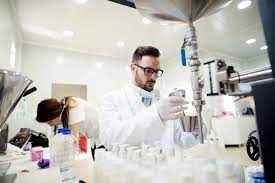
Introduction about QUALITY CONTROL CHEMIST
A Quality Control Chemist is a professional responsible for ensuring the quality and safety of products in various industries, particularly those involving chemical or pharmaceutical production. These chemists play a crucial role in maintaining and upholding high standards of product quality, consistency, and safety. Their primary objective is to assess and monitor raw materials, intermediate products, and finished goods to guarantee they meet specified quality standards, adhere to regulatory requirements, and are free from defects or contaminants.
Key responsibilities of a Quality Control Chemist typically include:
Quality Assessment: Quality Control Chemists evaluate samples of products to determine their chemical composition, physical properties, and overall quality. They use a variety of techniques and instruments, such as spectrophotometers, chromatographs, and titration equipment, to perform these assessments.
Quality Assurance: They help establish and maintain quality assurance protocols and standards within their organization. This includes developing testing procedures and specifications, as well as ensuring that all processes adhere to regulatory requirements.
Testing and Analysis: Quality Control Chemists conduct various tests, including chemical, physical, and microbiological assays, to verify that products meet predetermined criteria. These tests may involve identifying impurities, verifying product purity, and assessing product stability.
Data Management: They maintain detailed records of test results, methodologies, and laboratory activities. This documentation is vital for compliance purposes, traceability, and continuous improvement efforts.
Troubleshooting: When issues or deviations from quality standards are identified, Quality Control Chemists play a critical role in troubleshooting problems, identifying root causes, and working with other teams to implement corrective and preventive actions.
Compliance: They ensure that all quality control activities align with industry regulations, safety standards, and Good Manufacturing Practices (GMP) for pharmaceuticals. Compliance with these standards is crucial to safeguarding public health and maintaining a company's reputation.
Instrumentation and Equipment Maintenance: Quality Control Chemists are often responsible for the maintenance and calibration of laboratory instruments and equipment to guarantee accuracy and reliability of test results.
Collaboration: They collaborate with various departments within their organization, such as research and development, production, and quality assurance, to address quality-related issues and to facilitate the development of improved processes.
Continuous Improvement: Quality Control Chemists are continually seeking ways to optimize and enhance product quality and production processes. They may be involved in research to identify new testing methods or technologies.
How can I apply for admission to QUALITY CONTROL CHEMIST Program
To apply for admission to a Quality Control Chemist program, you will need to follow a series of steps that typically apply to most academic or vocational programs. Here's a general guideline on how to apply for admission to a Quality Control Chemist program:
Research Programs: Begin by researching institutions and programs that offer Quality Control Chemist or related programs. Look for universities, colleges, or technical schools that have a curriculum that aligns with your career goals.
Check Admission Requirements: Review the admission requirements for the programs you're interested in. These requirements can vary from one institution to another but may include prerequisites, academic qualifications, standardized test scores (e.g., SAT or ACT), and language proficiency tests (e.g., TOEFL or IELTS for international students).
Prepare Your Academic Records: Ensure that you have transcripts from your previous educational institutions, including high school and any previous college coursework, ready. Some programs may also require letters of recommendation, a personal statement, and a resume.
Standardized Tests: If required, take the necessary standardized tests and ensure your scores are within the program's specified range.
Prepare a Personal Statement: Write a well-crafted personal statement or statement of purpose that outlines your reasons for wanting to pursue a Quality Control Chemist program, your relevant experience, and your career goals. Highlight any relevant skills, experiences, or achievements that make you a strong candidate.
Letters of Recommendation: If the program requires letters of recommendation, reach out to individuals who can write strong letters on your behalf. Professors, supervisors, or professionals in the field can be good choices.
Submit Your Application: Complete the application form for your chosen program and institution. Many institutions use online application systems, so follow their guidelines for submission. Ensure you pay the application fee, if applicable.
Financial Aid and Scholarships: If you need financial assistance, research available scholarships and financial aid options. Many institutions offer scholarships or grants based on academic performance or financial need.
Interview (if required): Some programs may require an interview as part of the admission process. Prepare for this by reviewing common interview questions and practicing your responses.
Follow Deadlines: Pay close attention to application deadlines. Late applications may not be considered.
Wait for Admission Decision: After you submit your application, you will need to wait for the admission decision. This can take several weeks, so be patient.
Acceptance and Enrollment: If you receive an acceptance letter, follow the instructions for enrollment, which typically include submitting any required documents and paying tuition or fees.
Orientation and Registration: Attend any orientation sessions and register for your courses.
What is the eligibility for QUALITY CONTROL CHEMIST
The eligibility requirements for becoming a Quality Control Chemist can vary depending on the specific job or industry. However, here are some common educational and skill prerequisites to pursue a career as a Quality Control Chemist:
Educational Background:
A Bachelor's degree in Chemistry, Analytical Chemistry, Chemical Engineering, or a related field is typically the minimum educational requirement for entry-level positions. Some employers may require a Master's degree or higher for more specialized roles.
Relevant Coursework:
Your coursework should include subjects such as organic chemistry, inorganic chemistry, analytical chemistry, instrumental analysis, and quality control principles.
Laboratory Experience:
Practical laboratory experience is often essential. You may have gained this experience through laboratory coursework, internships, or research projects.
Analytical Skills:
Quality Control Chemists must have strong analytical skills to perform various tests and analyses accurately.
Attention to Detail:
Attention to detail is crucial as Quality Control Chemists need to spot and identify minor variations or discrepancies in test results.
Problem-Solving Abilities:
They should be capable of troubleshooting and problem-solving when issues arise in quality control processes.
Knowledge of Instruments:
Familiarity with laboratory instruments and equipment, such as spectrophotometers, chromatographs, titration devices, and various analytical tools, is important.
Regulatory Knowledge:
An understanding of industry regulations and quality standards is essential, especially in sectors like pharmaceuticals and food production where compliance is closely monitored.
Computer Skills:
Proficiency in data analysis software and laboratory information management systems (LIMS) is often required for data processing and documentation.
Communication Skills:
Effective written and verbal communication skills are important, as Quality Control Chemists often need to convey their findings and collaborate with colleagues in various departments.
Quality Control Certification:
In some industries, certification in quality control or quality assurance may be required or beneficial. For example, in the pharmaceutical industry, the American Society for Quality (ASQ) offers certifications such as Certified Quality Auditor (CQA) or Certified Pharmaceutical GMP Professional (CPGP).
Continuing Education:
Staying up-to-date with the latest advances in quality control techniques and technologies through continuing education and professional development is important for career growth.
How long does it takes to complete a QUALITY CONTROL CHEMIST program
The duration of a Quality Control Chemist program can vary depending on the level of education and the specific type of program you choose. Here are some common options:
Bachelor's Degree (B.Sc. or B.Tech):
A Bachelor's degree program in Chemistry, Analytical Chemistry, or a related field typically takes about 3 to 4 years to complete. This duration may vary by country and institution.
Master's Degree (M.Sc. or M.Tech):
If you decide to pursue a Master's degree in Chemistry with a focus on quality control, it usually takes an additional 1 to 2 years after completing your Bachelor's degree.
Certification Programs or Short Courses:
Some universities, colleges, and technical schools offer shorter-term certification programs or courses that focus specifically on quality control. These can vary in length from a few months to a year, depending on the program's depth and content.
What are potential career opportunities after QUALITY CONTROL CHEMIST
A career as a Quality Control Chemist can open up various opportunities in industries that rely on the testing, analysis, and quality assurance of chemical and pharmaceutical products. Here are some potential career opportunities and related roles that Quality Control Chemists can pursue:
Quality Control Analyst: This role involves conducting routine quality testing of products, analyzing results, and ensuring they meet established quality standards and regulatory requirements.
Quality Assurance Specialist/Manager: Professionals in quality assurance are responsible for developing and maintaining quality control systems, processes, and procedures within an organization. They ensure that products consistently meet quality standards and regulatory compliance.
Analytical Chemist: Analytical chemists focus on developing and validating analytical methods, as well as conducting in-depth chemical analysis of various substances. They may work in research and development or quality control roles.
Laboratory Manager: Laboratory managers oversee the daily operations of quality control laboratories, ensuring they run efficiently, staff are properly trained, and equipment is well-maintained.
Regulatory Affairs Specialist/Manager: These professionals ensure that products comply with government regulations and industry standards. They are responsible for obtaining and maintaining necessary permits and approvals for product manufacturing and distribution.
Pharmaceutical Quality Control Analyst: In the pharmaceutical industry, Quality Control Chemists can specialize in testing and verifying the quality of pharmaceutical products, including drugs, vaccines, and medical devices.
Food Quality Assurance Specialist: Quality Control Chemists can work in the food industry, ensuring that food products meet safety and quality standards. They may be involved in food testing, labeling compliance, and process control.
Environmental Chemist: Environmental chemists assess and monitor the impact of chemical substances on the environment. They may work for government agencies, environmental consulting firms, or research institutions.
Biotechnology Quality Control Specialist: In the biotechnology industry, quality control specialists focus on ensuring the quality and purity of biopharmaceutical products, including vaccines, gene therapies, and biologics.
Research and Development Chemist: Quality Control Chemists with strong analytical skills and a background in research may transition to research and development roles, where they develop new products and processes.
Compliance Officer: These professionals work to ensure that a company or organization adheres to all relevant laws and regulations. Quality Control Chemists can transition into this role to ensure regulatory compliance.
Chemical Product Safety Specialist: They assess the safety of chemical products, conduct risk assessments, and ensure that products are labeled with appropriate safety information.
Technical Sales Representative: Some Quality Control Chemists transition into sales roles, where they use their technical knowledge to market and sell analytical instruments and laboratory equipment.
Quality Control Consultant: Experienced Quality Control Chemists may choose to become independent consultants, offering their expertise to multiple organizations in need of quality control and assurance guidance.
Syllabus of QUALITY CONTROL CHEMIST
The syllabus for a Quality Control Chemist program can vary depending on the institution and the specific degree level (e.g., Bachelor's, Master's, or certification program). However, I can provide you with a general overview of the topics that are commonly covered in a Quality Control Chemist program, organized by semesters for a Bachelor's degree program. Please note that this is a general guideline, and the specific course offerings and content may differ from one institution to another.
First Semester:
General Chemistry I:
Introduction to the periodic table and atomic structure.
Chemical bonding and molecular geometry.
Chemical reactions and stoichiometry.
Mathematics for Chemists:
Algebra, calculus, and mathematical concepts relevant to chemistry.
Biology and Microbiology:
Basic principles of biology and microbiology.
Microbial growth and metabolism.
Laboratory Techniques:
Introduction to laboratory safety and equipment.
Basic laboratory techniques and procedures.
English or Communication Skills:
Courses in communication and writing skills may be included.
Second Semester:
General Chemistry II:
Chemical kinetics and thermodynamics.
Chemical equilibrium and acid-base chemistry.
Organic Chemistry I:
Introduction to organic compounds, nomenclature, and reactions.
Analytical Chemistry:
Principles of analytical chemistry and laboratory analysis techniques.
Instrumental analysis methods.
Quantitative Analysis:
Methods for quantitative chemical analysis.
Volumetric and gravimetric analysis.
Environmental Science:
An introduction to environmental issues and chemistry's role in addressing them.
Third Semester:
Inorganic Chemistry:
The chemistry of inorganic compounds, including coordination compounds.
Physical Chemistry:
Thermodynamics, quantum mechanics, and chemical kinetics.
Instrumental Analysis:
Advanced instrumental techniques for chemical analysis.
Quality Control Principles:
Introduction to quality control concepts and principles.
Statistics for Chemists:
Statistical methods for data analysis and quality control.
Fourth Semester:
Pharmaceutical Chemistry (if applicable):
Introduction to pharmaceutical chemistry and quality control in the pharmaceutical industry.
Biochemistry (if applicable):
The chemistry of biomolecules, enzymes, and biochemical techniques.
Quality Assurance and Regulatory Compliance:
Study of quality assurance systems and industry regulations.
Laboratory Internship or Research Project:
Practical experience in a quality control laboratory or research project.
Fifth and Sixth Semesters (Advanced Courses and Electives):
Advanced Analytical Techniques:
Advanced methods in analytical chemistry.
Process Validation and Control:
Principles of process control and validation.
Quality Control in Specific Industries:
Courses focusing on quality control in pharmaceuticals, food, chemicals, or other industries.
Project Management:
Principles of project management in a quality control context.
Professional Ethics and Communication:
Courses on ethical considerations in quality control and effective communication skills.
Internship opportunities after completing QUALITY CONTROL CHEMIST
Internship opportunities for individuals who have completed a program in Quality Control Chemistry can provide valuable hands-on experience and help kickstart a career in the field. Here are some common internship opportunities and the types of organizations where you might find them:
Pharmaceutical Companies: Many pharmaceutical companies offer quality control internships. These internships typically involve working in a quality control laboratory, conducting tests on pharmaceutical products, and ensuring they meet regulatory standards. You may also gain exposure to Good Manufacturing Practices (GMP) and quality assurance procedures.
Food and Beverage Industry: Companies in the food and beverage industry often provide quality control internships. Interns may work in product testing, quality assurance, and quality control laboratories to ensure that food products meet safety and quality standards.
Chemical Manufacturing Companies: Chemical manufacturers hire interns to assist in quality control activities, including testing raw materials and finished products. Interns may work with a wide range of chemicals, from industrial chemicals to specialty chemicals.
Environmental Testing Labs: Environmental testing laboratories focus on analyzing environmental samples for pollutants and contaminants. Interns may be involved in sample preparation, analysis, and reporting of results related to air, water, and soil quality.
Biotechnology Firms: Biotechnology companies offer quality control internships for those interested in biopharmaceuticals, gene therapies, and biologics. Interns may help ensure the quality and purity of biotechnological products through analytical testing.
Research Institutions: Some research institutions and universities provide quality control-related internships. These opportunities may involve working on research projects related to analytical chemistry, quality control methodologies, or instrumentation development.
Regulatory Agencies: Government agencies, such as the U.S. Food and Drug Administration (FDA) or the Environmental Protection Agency (EPA), sometimes offer internships for individuals interested in regulatory compliance, quality control, and safety standards.
Quality Control Instrumentation Companies: Companies that manufacture analytical instruments and laboratory equipment often hire interns to assist with product testing, quality control, and research and development activities.
Quality Consulting Firms: Quality control consulting firms may offer internships to individuals interested in gaining exposure to various industries and helping organizations improve their quality control processes.
Startups and Small Businesses: Smaller companies, including startups, may offer quality control internships that provide a broad range of experiences in a more dynamic work environment.
Scholarship and grants for QUALITY CONTROL CHEMIST
Scholarships and grants for students pursuing a career in Quality Control Chemistry are available through various sources, including universities, professional organizations, private foundations, and government agencies. These financial aid opportunities can help cover tuition, fees, and other educational expenses. Here are some potential scholarships and grants for Quality Control Chemist students:
American Chemical Society (ACS) Scholarships: The ACS offers several scholarships for undergraduate and graduate students pursuing degrees in chemistry or a related field. These scholarships may be relevant for students interested in quality control chemistry.
Pharmaceutical Scholarships: Some pharmaceutical companies offer scholarships to students pursuing degrees in pharmaceutical sciences, including Quality Control Chemistry. Examples include the Pfizer Minority College Scholarship and the Bristol-Myers Squibb Scholarship for Excellence in Chemistry.
Society for Analytical Chemists of Pittsburgh (SACP) Scholarships: SACP provides scholarships to undergraduate and graduate students pursuing analytical chemistry or related disciplines.
Institute of Food Technologists (IFT) Scholarships: IFT offers scholarships to students pursuing degrees in food science, including areas related to quality control and safety.
American Association of Pharmaceutical Scientists (AAPS) Foundation Scholarships: AAPS provides scholarships to students studying pharmaceutical sciences, which may include quality control aspects.
Government Grants and Aid: Depending on your country, you may be eligible for government grants, loans, or aid programs designed to support students pursuing higher education in STEM fields.
University Scholarships: Many universities and colleges offer scholarships to students based on academic achievement, financial need, or other criteria. Research scholarship opportunities at your institution.
Professional Organizations: Various professional organizations related to chemistry, pharmaceuticals, and quality control may offer scholarships or grants. For example, the International Society for Pharmaceutical Engineering (ISPE) offers scholarships to students pursuing pharmaceutical-related fields.
Industry-Specific Scholarships: Companies within the pharmaceutical, chemical, or food industries may offer scholarships to students interested in quality control chemistry. Check with industry leaders and local companies for potential opportunities.
Minority and Diversity Scholarships: Some scholarships are specifically designed to support underrepresented minority students in STEM fields, which can include quality control chemistry.
Private Foundations: Look for private foundations or nonprofit organizations that offer scholarships for students pursuing degrees in chemistry or related disciplines.
Graduate Research Assistantships: If you're pursuing a graduate degree in quality control chemistry, you may be eligible for research assistantships or teaching assistantships that provide financial support in exchange for research or teaching duties.
Conclusion
In conclusion, a career as a Quality Control Chemist is both challenging and rewarding, as these professionals play a crucial role in ensuring the safety, quality, and compliance of various chemical and pharmaceutical products. Their responsibilities encompass rigorous testing, meticulous analysis, and strict adherence to regulatory standards. Quality Control Chemists work in diverse industries, including pharmaceuticals, food and beverages, chemicals, and biotechnology, where product quality and safety are paramount.
FAQ,s
What does a Quality Control Chemist do?
Quality Control Chemists are responsible for ensuring the quality and safety of products in industries such as pharmaceuticals, food, chemicals, and more. They conduct tests, analyze data, and verify that products meet regulatory and quality standards.
What qualifications do I need to become a Quality Control Chemist?
Typically, you need at least a Bachelor's degree in chemistry, analytical chemistry, or a related field. Some positions may require a Master's degree, and certifications related to quality control can be beneficial.
What skills are important for a Quality Control Chemist?
Attention to detail, analytical skills, problem-solving abilities, knowledge of laboratory instruments, and familiarity with regulatory requirements are essential skills for Quality Control Chemists.
Where can Quality Control Chemists work?
Quality Control Chemists can work in a variety of industries, including pharmaceuticals, food and beverages, chemicals, cosmetics, and biotechnology.
What are the key responsibilities of a Quality Control Chemist?
Key responsibilities include conducting quality tests, analyzing data, ensuring product compliance, troubleshooting issues, maintaining accurate records, and contributing to continuous improvement efforts.
Are there opportunities for career advancement in this field?
Yes, Quality Control Chemists can advance into roles such as Quality Assurance Manager, Research and Development Chemist, Laboratory Manager, or Regulatory Affairs Specialist.
How can I gain experience in quality control as a student?
Consider internships with pharmaceutical, food, or chemical companies, participate in research projects, and seek laboratory assistant positions.
Are there professional organizations for Quality Control Chemists?
Yes, organizations like the American Chemical Society (ACS) and the Society for Analytical Chemists of Pittsburgh (SACP) offer resources, networking opportunities, and support for professionals in this field.
What is the role of Quality Control Chemists in ensuring product safety?
Quality Control Chemists play a critical role in identifying and mitigating potential safety hazards by conducting tests and ensuring products meet safety and quality standards.
What are the future trends in quality control and analytical chemistry?
Trends include the use of automation and robotics, advancements in analytical techniques, increased emphasis on data analysis and interpretation, and a growing focus on sustainability and environmental impact in quality control practices.
How Shiksha Hub helps you in
-
 Student Counsellors
 -
 Career Counseling
 -
 Research
 -
 24/7 Support
 -
 Scholarships
 -
 Community