Posted by Admin on 11-07-2023 in Shiksha hub
Refractionist Admission, Registration, Eligibility, Duration, Fees, Syllabus 2024
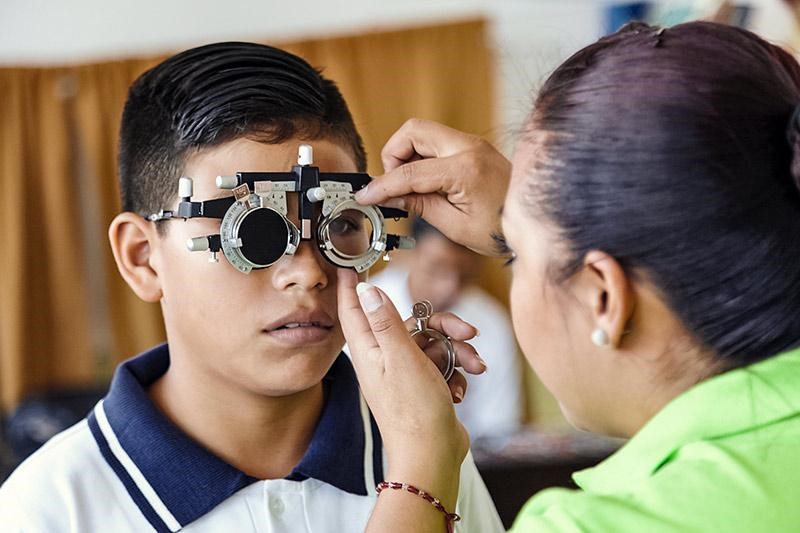
Introduction about Refractionist
The world of eye care is vast and diverse, with various professionals contributing to the well-being of our vision. One such essential player in the field is the refractionist.
I. Definition of Refractionist
A refractionist is a specialized eye care professional responsible for conducting eye examinations and determining the prescription for corrective lenses. Their expertise lies in the measurement of refractive errors in the eyes, such as nearsightedness, farsightedness, and astigmatism.
II. Importance of Refractionists in Eye Care
The significance of refractionists cannot be overstated. They play a crucial role in ensuring the accuracy of vision prescriptions and detecting any abnormalities in the eyes. By addressing refractive errors, refractionists contribute to enhancing the quality of life for individuals by improving their vision.
III. The Role of Refractionists
A. Conducting Eye Examinations
Refractionists are trained to perform comprehensive eye examinations. This includes assessing visual acuity, determining the need for corrective lenses, and evaluating the overall health of the eyes.
B. Prescription of Corrective Lenses
Based on their findings, refractionists prescribe eyeglasses or contact lenses to correct refractive errors. This personalized approach ensures that individuals receive the most suitable visual aid for their specific needs.
C. Detection of Eye Abnormalities
Beyond refractive errors, refractionists are also adept at identifying potential eye diseases or abnormalities during examinations. Early detection is key to preventing and managing serious eye conditions.
IV. Educational Background and Training
A. Academic Requirements
Becoming a refractionist typically requires a strong educational background in optometry or a related field. Academic qualifications ensure that refractionists have a solid understanding of eye anatomy, physiology, and optical principles.
B. Specialized Training Programs
In addition to formal education, refractionists undergo specialized training programs to hone their skills in conducting eye exams, using diagnostic equipment, and staying updated on advancements in eye care technology.
V. Key Skills and Qualities
A. Attention to Detail
The precision required in assessing and correcting refractive errors demands a high level of attention to detail. Refractionists meticulously analyze the results of eye exams to provide accurate prescriptions.
B. Communication Skills
Effective communication is essential in explaining examination results and prescription details to patients. Refractionists ensure that individuals understand their visual needs and the importance of follow-up care.
C. Technical Proficiency in Equipment Use
Refractionists work with various diagnostic tools and equipment. Technical proficiency is crucial to conduct thorough eye examinations and utilize advanced technologies for precise measurements.
VI. Career Opportunities for Refractionists
A. Optometry Clinics
Many refractionists find employment in optometry clinics, working alongside optometrists to provide comprehensive eye care services.
B. Ophthalmology Practices
In ophthalmology practices, refractionists contribute to the overall eye care team, assisting in the diagnosis and management of visual issues.
C. Optical Retail Stores
Refractionists may also work in optical retail settings, helping individuals choose the right eyeglasses or contact lenses based on their prescriptions.
VII. Advancements in Refraction Technology
A. Automated Refraction Equipment
Technological advancements have introduced automated refraction equipment, streamlining the examination process and enhancing accuracy in prescription determination.
B. Digital Refraction Techniques
Digital refraction techniques utilize cutting-edge technology to assess and correct refractive errors with precision, offering patients a modern and efficient eye care experience.
VIII. Challenges Faced by Refractionists
A. Technological Advancements
Keeping pace with rapid technological changes in the field poses a challenge for refractionists. Continuous learning and adaptation are essential to providing state-of-the-art eye care services.
B. Patient Compliance
Ensuring that patients adhere to prescribed vision care routines, including wearing corrective lenses as recommended, can be challenging. Refractionists play a role in educating patients about the importance of compliance for optimal eye health.
IX. Importance of Regular Eye Check-ups
A. Prevention of Vision Issues
Regular eye check-ups with refractionists contribute to the prevention of vision problems by addressing refractive errors early on.
B. Early Detection of Eye Diseases
Beyond refractive errors, routine eye examinations facilitate the early detection of eye diseases, enabling prompt intervention and treatment.
X. Myth Busting: Common Misconceptions about Refractionists
A. Only for Glasses Prescription
Contrary to popular belief, refractionists do more than prescribe eyeglasses. They play a vital role in overall eye health assessment.
B. Limited Scope of Practice
The scope of practice for refractionists extends beyond vision correction, encompassing the detection and management of various eye conditions.
How can I apply for admission to Refractionist Program
Certainly! If you're interested in applying for admission to a Refractionist program, follow these general steps:
I. Research Programs
Start by researching accredited institutions that offer Refractionist programs. Look for universities, colleges, or vocational schools that are recognized for their optometry or allied health programs.
II. Check Admission Requirements
A. Educational Background
Most Refractionist programs require a background in optometry, biology, or a related field. Ensure you meet the educational prerequisites for the program you're interested in.
B. Prerequisite Courses
Check if there are specific courses you need to have completed, such as anatomy, physiology, or optics.
III. Prepare Necessary Documents
A. Transcripts
Request official transcripts from your previous educational institutions.
B. Letters of Recommendation
Secure letters of recommendation from professors, employers, or professionals who can speak to your academic and interpersonal skills.
C. Personal Statement
Write a compelling personal statement outlining your interest in becoming a Refractionist, your relevant experiences, and your career goals.
IV. Take Admission Tests
Some programs may require you to take standardized tests such as the GRE or other relevant exams. Be sure to check the specific requirements of the program.
V. Application Submission
Complete the application form for the Refractionist program you've chosen. Submit all required documents, including transcripts, letters of recommendation, and your personal statement.
VI. Financial Aid
Explore financial aid options, scholarships, or grants that may be available to support your education.
VII. Attend Interviews
If the program requires an interview as part of the admission process, prepare for it by researching commonly asked questions and practicing your responses.
VIII. Await Admission Decision
After submitting your application, patiently await the admission decision. Use this time to continue any relevant education or work experience.
IX. Enroll and Register
Upon acceptance, follow the instructions provided by the institution to enroll in the program. Register for classes and familiarize yourself with the curriculum.
X. Plan for Housing and Logistics
If the program is in a different location, plan for housing, transportation, and other logistical aspects well in advance.
XI. Attend Orientation
Participate in any orientation sessions offered by the institution to get acquainted with the program, faculty, and fellow students.
XII. Stay Informed
Keep track of any updates or requirements from the program and be proactive in meeting deadlines.
Remember, the specific steps and requirements may vary between institutions, so it's crucial to carefully review the admission information provided by the program you're interested in. Good luck with your application!
What is the eligibility for Refractionist
The eligibility criteria for becoming a Refractionist may vary slightly depending on the specific program or institution. However, here are common eligibility requirements that individuals typically need to meet to pursue a career as a Refractionist:
1. Educational Background:
A high school diploma or equivalent is usually required.
Many Refractionist programs prefer candidates with a background in science, particularly in subjects like biology or chemistry.
2. Academic Prerequisites:
Some programs may have specific prerequisite courses, such as anatomy, physiology, optics, or related subjects.
Completion of these courses with a satisfactory grade may be necessary for admission.
3. Training or Certification:
Refractionists often need to complete specialized training programs or courses in refraction technology.
Certification from recognized institutions may enhance your eligibility and competitiveness in the field.
4. Technical Skills:
Proficiency in using diagnostic equipment, especially those related to refraction tests, is essential.
Familiarity with technology used in eye care, such as automated refraction equipment, may be an added advantage.
5. Communication Skills:
Strong communication skills are crucial for interacting with patients, explaining test results, and providing clear instructions regarding corrective measures.
6. Attention to Detail:
Given the precision required in assessing refractive errors, an eye for detail is a valuable attribute for Refractionists.
7. Licensing or Certification:
Depending on the jurisdiction, Refractionists may need to obtain a license or certification to practice.
Familiarize yourself with the specific licensing requirements in the region where you intend to work.
8. Personal Qualities:
Patience and empathy are important qualities, as Refractionists work closely with patients to address their vision needs.
The ability to work well under pressure and handle potentially challenging situations is beneficial.
9. Continuous Learning:
Given the advancements in technology and eye care practices, a willingness to engage in continuous learning and stay updated on industry trends is advantageous.
How long does it takes to complete a Refractionist program
The duration of a Refractionist program can vary depending on the type of program, the level of education, and the institution offering the training. Generally, there are two primary paths individuals can take to become a Refractionist:
Certificate or Diploma Programs:
Certificate or diploma programs in Refractionist studies are often shorter in duration.
These programs can typically be completed in about 6 months to 1 year.
They are designed to provide focused training on the specific skills and knowledge required for performing refraction tests and related tasks.
Associate Degree Programs:
Some individuals may choose to pursue an associate degree in opticianry or a related field, which may include refractionist training.
Associate degree programs usually take around 2 years to complete.
These programs offer a more comprehensive education, covering not only refraction techniques but also broader aspects of eye care and optical science.
It's important to note that the duration can also be influenced by factors such as the specific curriculum of the program, whether it includes hands-on clinical experience, and whether it aligns with the educational requirements for certification or licensing in the relevant jurisdiction.
Additionally, some individuals may choose to continue their education beyond the initial program. This could involve pursuing advanced certifications, continuing education courses, or even higher degrees in optometry or a related field. Ongoing professional development is common in the field of eye care due to the evolving nature of technology and healthcare practices.
Aspiring Refractionists should carefully review the details of the specific program they are interested in to understand the time commitment required for successful completion. It's advisable to choose a program that aligns with both personal career goals and any regulatory requirements in the region where one intends to practice.
What are potential career opportunities after Refractionist
Becoming a Refractionist opens up various career opportunities in the field of eye care. Here are some potential career paths individuals can pursue after completing a Refractionist program:
Refractionist in Optometry Clinics:
Many Refractionists work in optometry clinics, collaborating with optometrists to provide comprehensive eye care services.
They perform refraction tests, assist with eye examinations, and contribute to the overall vision care team.
Refractionist in Ophthalmology Practices:
Ophthalmology practices may employ Refractionists to assist in the diagnosis and management of visual issues.
Refractionists in this setting may work alongside ophthalmologists to support patient care.
Optical Retail Stores:
Refractionists can find opportunities in optical retail settings, helping individuals choose the right eyeglasses or contact lenses based on their prescriptions.
They may also provide guidance on frame selection and lens options.
Educational Roles:
Experienced Refractionists may explore opportunities in education, teaching and training future generations of eye care professionals.
They can contribute to educational programs, sharing their expertise with students pursuing careers in optometry or related fields.
Industry Consultant:
With advanced knowledge in refraction technology, some Refractionists may choose to work as consultants for companies developing optical equipment and technology.
They can provide insights into the practical application of these tools in clinical settings.
Research and Development:
Individuals with a strong interest in advancing eye care technology may find roles in research and development.
Working on innovative solutions and contributing to the improvement of diagnostic tools can be a rewarding career path.
Mobile Refraction Services:
Refractionists may establish mobile or independent practices, offering on-site refraction services for individuals who may have difficulty accessing traditional eye care facilities.
Healthcare Administration:
Some Refractionists may transition into administrative roles within healthcare organizations, contributing to the management and coordination of eye care services.
Specialized Clinics:
Refractionists may choose to specialize in specific areas of eye care, such as pediatric optometry or geriatric eye care, and work in specialized clinics catering to these populations.
Entrepreneurship:
Ambitious Refractionists may opt to start their own eye care clinics, offering a range of services, including refraction tests, vision care, and optical products.
It's important to note that the specific career opportunities available can depend on factors such as additional qualifications, certifications, and individual preferences. Continuous professional development and staying updated on advancements in eye care technology can enhance career prospects for Refractionists in the dynamic field of eye care.
Syllabus of Refractionist
While the specific syllabus for a Refractionist program can vary between institutions, the following is a generalized outline that typically covers key areas of study for aspiring Refractionists:
1. Introduction to Optics and Refraction:
Principles of light and optics
Basics of refraction and reflection
Refractive errors and their impact on vision
2. Anatomy and Physiology of the Eye:
Structure and function of the eye
Understanding the visual pathway
Ocular health and common eye conditions
3. Tools and Equipment:
Introduction to diagnostic tools used in refraction
Hands-on training with refractometers, autorefractors, and lensmeters
Calibration and maintenance of equipment
4. Refraction Techniques:
Conducting subjective and objective refraction tests
Determining visual acuity
Prescription of corrective lenses for various refractive errors
5. Clinical Skills and Patient Communication:
Interacting with patients effectively
Obtaining patient histories and relevant information
Communicating test results and prescription details
6. Advanced Refraction Technology:
Overview of automated refraction equipment
Digital refraction techniques
Integration of technology in refraction practices
7. Eye Care Ethics and Regulations:
Ethical considerations in eye care
Patient confidentiality and informed consent
Understanding and adhering to industry regulations
8. Specialized Refraction Practices:
Refraction for specific patient populations (children, elderly, etc.)
Refraction in challenging cases and eye conditions
9. Professional Development and Continuing Education:
Staying updated on advancements in eye care
Participating in workshops, conferences, and ongoing education
Developing a career path within the field of eye care
10. Practical Training and Clinical Experience:
Hands-on practice in conducting refraction tests
Clinical rotations in optometry clinics or related settings
Application of theoretical knowledge in real-world scenarios
11. Communication and Patient Education:
Developing effective communication skills
Patient education on eye health, refractive errors, and corrective measures
12. Business and Practice Management:
Basics of running an eye care practice
Managing appointments and patient records
Understanding insurance and billing processes
13. Regulatory Compliance and Licensing:
Overview of licensing requirements for Refractionists
Compliance with local and national regulations in eye care
14. Emerging Trends in Eye Care:
Exploring the latest advancements in the field
Integrating emerging technologies into practice
Adapting to changes in the eye care industry
Internship opportunities after completing Refractionist
Completing a Refractionist program opens up various internship opportunities to gain hands-on experience and further develop practical skills. Here are some potential internship opportunities for individuals who have completed a Refractionist program:
1. Optometry Clinics:
Interning in an optometry clinic allows Refractionists to work alongside experienced optometrists and other eye care professionals.
Responsibilities may include conducting refraction tests, assisting in eye examinations, and interacting with patients.
2. Ophthalmology Practices:
Internships in ophthalmology practices provide exposure to a broader range of eye care services.
Refractionists can assist in pre-screening patients, performing refraction tests, and learning about surgical procedures related to eye health.
3. Optical Retail Stores:
Interning in optical retail settings offers practical experience in helping individuals select eyeglasses or contact lenses based on their prescriptions.
Refractionists can learn about frame styles, lens options, and the business aspects of optical retail.
4. Hospital Eye Clinics:
Interning in hospital-based eye clinics provides experience in a medical setting.
Refractionists may assist in comprehensive eye examinations, collaborate with other healthcare professionals, and participate in the management of eye conditions.
5. Specialized Clinics:
Internships in specialized clinics (pediatric optometry, low vision clinics, etc.) allow Refractionists to focus on specific patient populations.
This provides a unique learning experience and the opportunity to develop expertise in niche areas of eye care.
6. Mobile Refraction Services:
Some Refractionists may explore internships with organizations offering mobile refraction services.
This involves providing on-site eye care in various locations, which can be particularly beneficial for reaching underserved communities.
7. Research Institutions:
Interning in research institutions or laboratories allows Refractionists to engage in eye care research projects.
This experience contributes to staying updated on advancements in technology and treatment modalities.
8. Industry Internships:
Interning with companies that develop optical equipment and technology provides insight into the industry.
Refractionists can learn about the latest tools, contribute to product development, and understand the business side of the optical industry.
9. Educational Settings:
Internships in educational settings involve working with instructors or professors in optometry or related programs.
Scholarship and grants for Refractionist
There are various scholarships and grants available to support individuals pursuing education in the field of optometry or related areas, including Refractionist programs. Here are some potential sources of financial assistance:
1. Professional Associations:
American Optometric Association (AOA) Scholarships: AOA offers scholarships for optometry students and those pursuing related fields, which may include Refractionist programs.
Opticians Association of America (OAA) Scholarships: OAA provides scholarships for students in opticianry programs, supporting education in refractive services.
2. Educational Institutions:
Many universities and colleges offering Refractionist programs have their own scholarship programs. Check with the financial aid office or specific departments for available opportunities.
3. Industry-Specific Scholarships:
Vision Care Scholarships: Some companies in the vision care industry offer scholarships to students pursuing careers in optometry or related fields.
LensCrafters Scholarship Program: LensCrafters may offer scholarships or grants to individuals pursuing education in opticianry or vision care.
4. Government Grants and Aid:
Federal Pell Grants: These need-based grants are provided by the U.S. government to undergraduate students pursuing their first bachelor's degree.
Federal Supplemental Educational Opportunity Grant (FSEOG): Another federal grant program for undergraduate students with exceptional financial need.
5. Foundation Grants:
The Bernard M. Gordon Memorial Scholarship: Offered by the Opticians Association of America Foundation, this scholarship supports students in opticianry programs.
The AOF Bernard Maitenaz Scholarship: Provided by the American Optometric Foundation, this scholarship supports optometry students pursuing a career in vision care.
6. State-Specific Programs:
Explore scholarship and grant programs offered by your state's department of education or health.
Some states may have specific programs supporting students in healthcare-related fields.
7. Corporate Sponsorships:
Some corporations in the optical industry may offer sponsorships, grants, or scholarships to students pursuing careers in vision care.
8. Community and Nonprofit Organizations:
Local community organizations and nonprofits may offer scholarships to students in healthcare fields.
Check with organizations related to eye care or general healthcare in your community.
9. Military and Veteran Benefits:
If you have a military background, explore educational benefits and scholarships available for veterans and their dependents.
Conclusion
In conclusion, the role of a Refractionist in the realm of eye care is undeniably significant. As we've journeyed through the intricacies of their responsibilities, from conducting detailed eye examinations to prescribing precise corrective lenses, it becomes evident that these professionals are instrumental in enhancing and preserving our vision health.
FAQ's
1. What is a Refractionist?
A Refractionist is a specialized eye care professional responsible for conducting eye examinations, determining refractive errors, and prescribing corrective lenses.
2. What does a Refractionist do?
Refractionists perform refraction tests to assess visual acuity, prescribe eyeglasses or contact lenses, and play a role in the detection of eye abnormalities during eye examinations.
3. How long does it take to become a Refractionist?
The duration varies, but completing a Refractionist program, which can be a certificate or diploma course, typically takes 6 months to 1 year.
4. What qualifications are needed to become a Refractionist?
A high school diploma or equivalent is often required. Additionally, completing a Refractionist program or related optometry education is necessary.
5. Can I become a Refractionist with a background in a different field?
While a background in optometry or a related field is advantageous, some programs may accept individuals with relevant healthcare or science backgrounds.
6. Are there licensing requirements for Refractionists?
Licensing requirements vary by jurisdiction. Some regions may require Refractionists to obtain a license to practice.
7. What career opportunities are available after completing a Refractionist program?
Refractionists can work in optometry clinics, ophthalmology practices, optical retail stores, and may explore roles in education, research, or industry.
8. How can I find internship opportunities as a Refractionist?
Look for internships in optometry clinics, ophthalmology practices, optical retail stores, or explore opportunities with mobile refraction services. Networking and contacting local eye care providers can be beneficial.
9. Are there scholarships available for Refractionist programs?
Yes, there are scholarships offered by professional associations, educational institutions, industry-specific organizations, and government programs. Research and apply for scholarships aligned with your educational goals.
10. How can I stay updated on advancements in refraction technology?
Attend workshops, conferences, and continuing education programs in the field of optometry and eye care. Engage with professional associations and industry publications to stay informed
How Shiksha Hub helps you in
-
 Student Counsellors
 -
 Career Counseling
 -
 Research
 -
 24/7 Support
 -
 Scholarships
 -
 Community