Posted by Admin on 11-07-2023 in Shiksha hub
Sanitary Hardware Fitter Course Introduction Admission, Registration, Eligibility, Duration, Fees, Syllabus 2024
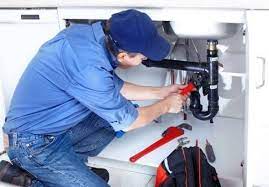
Introduction about SANITARY HARDWARE FITTER
In the realm of construction and interior design, there exists a critical yet often understated profession that plays a pivotal role in ensuring our homes and commercial spaces are functional, aesthetically pleasing, and, most importantly, sanitary. This profession is that of a "Sanitary Hardware Fitter." In this article, we will delve into the world of these skilled professionals, exploring their roles, responsibilities, and the significance they hold in the construction and interior design industry.
Who Is a Sanitary Hardware Fitter?
A Sanitary Hardware Fitter, also known as a Plumbing Fixture Installer, is a skilled tradesperson responsible for installing and maintaining various plumbing fixtures and sanitary hardware components in residential, commercial, and industrial settings. These fixtures include sinks, faucets, toilets, showers, and other devices that play a crucial role in maintaining cleanliness and functionality in our living and working spaces.
The Importance of Sanitary Hardware
Sanitary hardware, often taken for granted, is integral to our daily lives. Imagine a home without functional toilets, sinks, or showers. Picture a commercial establishment without proper plumbing for sanitation and hygiene. Sanitary hardware ensures the safe disposal of wastewater, the distribution of clean water, and the overall cleanliness of our living and working spaces.
The Role of a Sanitary Hardware Fitter
Sanitary Hardware Fitters play a multifaceted role in the construction and interior design industry. Their responsibilities encompass various tasks, including:
Installation of Fixtures
Sanitary Hardware Fitters are experts in installing plumbing fixtures and hardware. They ensure that these fixtures are properly connected to the water supply and sewage systems, preventing leaks and ensuring functionality.
Maintenance and Repair
In addition to installation, Fitters are responsible for the maintenance and repair of plumbing fixtures. Regular maintenance is crucial to prevent costly issues and ensure the longevity of the fixtures.
Compliance with Regulations
Fitters are well-versed in local and national plumbing codes and regulations. They ensure that all installations and repairs adhere to these standards, guaranteeing safety and compliance.
Problem Solving
They are skilled problem solvers, diagnosing and addressing plumbing issues promptly. Whether it's a clogged drain or a leaking faucet, Sanitary Hardware Fitters are experts at finding solutions.
Working with Other Trades
Sanitary Hardware Fitters often collaborate with other construction professionals, such as electricians and carpenters, to ensure a seamless integration of plumbing fixtures into the overall design of a space.
Training and Qualifications
To become a Sanitary Hardware Fitter, one typically undergoes a combination of vocational training and apprenticeships. This training equips them with the necessary knowledge and skills to excel in this field. Certification or licensure may also be required, depending on the location.
How can I apply for admission to SANITARY HARDWARE FITTER Program
Certainly, applying for admission to a Sanitary Hardware Fitter program requires a few steps. Here's a guide on how to do it in English:
Research Programs: Start by researching Sanitary Hardware Fitter programs in your area or in the region where you'd like to study. Look for programs offered by vocational schools, technical institutes, or community colleges. Ensure that the program aligns with your career goals.
Check Requirements: Review the admission requirements for each program. Typically, you will need a high school diploma or equivalent to be eligible. Some programs may have additional prerequisites, so make sure you meet them.
Submit an Application: Once you've found a program that suits your needs, complete the application form. You can usually find these forms on the program's official website or by contacting the admissions office.
Provide Transcripts and Documentation: You will likely need to submit your high school transcripts or GED certificate. Some programs may require additional documentation, such as letters of recommendation or a personal statement.
Financial Aid: If you require financial assistance, explore your options for scholarships, grants, or loans. Many educational institutions offer financial aid to eligible students. Fill out the Free Application for Federal Student Aid (FAFSA) if you're in the United States.
Interview: In some cases, you may be required to attend an interview as part of the admissions process. Prepare for the interview by reviewing the program's requirements and being ready to discuss your interest in becoming a Sanitary Hardware Fitter.
Wait for Acceptance: After submitting your application and all required documents, you'll need to wait for the admission decision. This may take a few weeks, so be patient.
Acceptance and Enrollment: If you receive an acceptance letter, follow the instructions provided to confirm your enrollment. This may involve paying a deposit, registering for classes, and attending an orientation.
Begin Your Program: Once you're officially enrolled, you can start your Sanitary Hardware Fitter program. Pay attention to class schedules, course requirements, and any additional resources or materials you may need.
Graduate and Certify: Successfully complete your program, which often includes a combination of classroom instruction and hands-on training. After graduation, you may need to take certification exams to become a licensed Sanitary Hardware Fitter.
What is the eligibility for SANITARY HARDWARE FITTER
The eligibility criteria for becoming a Sanitary Hardware Fitter may vary depending on your location and the specific program or institution you're interested in. However, here are some general eligibility guidelines commonly associated with pursuing a career as a Sanitary Hardware Fitter:
Educational Background: In most cases, you should have a high school diploma or its equivalent, such as a General Educational Development (GED) certificate. A strong foundation in mathematics, particularly in areas related to measurements and calculations, can be beneficial.
Age: There may be a minimum age requirement for admission into a Sanitary Hardware Fitter program. Typically, candidates should be at least 18 years old, although this can vary.
Physical Fitness: The role of a Sanitary Hardware Fitter often involves physically demanding tasks, such as lifting heavy fixtures or working in confined spaces. As such, a reasonable level of physical fitness and mobility may be required.
Technical Skills and Aptitude: Having an aptitude for technical and mechanical work is essential. This includes the ability to use hand and power tools, follow technical instructions, and troubleshoot plumbing systems.
Licensing and Certification: Depending on your location, you may need to obtain a license or certification to work as a Sanitary Hardware Fitter. These requirements can differ significantly by region, so it's essential to check with your local licensing authority or the program you intend to enroll in to understand the specific certification needed.
Communication Skills: Effective communication is valuable in this profession, as Sanitary Hardware Fitters often need to interact with clients and collaborate with other professionals in the construction and plumbing industry. Good communication skills can enhance your career prospects.
Commitment to Safety: Safety is paramount in plumbing and sanitary hardware work. Eligibility may depend on your willingness to follow safety protocols and prioritize the well-being of yourself and others in the workplace.
Background Checks: Some programs or employers may require candidates to undergo background checks as part of the eligibility process. Clean criminal records may be necessary for admission and employment.
Apprenticeship Programs: Many aspiring Sanitary Hardware Fitters start by completing an apprenticeship. Eligibility for apprenticeships can vary, but typically, you will need to meet the minimum age requirement and have a high school diploma or equivalent.
Math and Science Proficiency: Basic proficiency in mathematics and science, particularly in areas related to plumbing and pipefitting calculations, can be a significant advantage.
How long does it takes to complete a SANITARY HARDWARE FITTER program
The duration of a Sanitary Hardware Fitter program can vary depending on several factors, including the specific program or course you choose and the location where you're studying. However, I can provide a general idea of the time it typically takes to complete such a program.
Certificate or Diploma Programs:
Certificate programs generally last for around 6 to 12 months.
Diploma programs typically take 1 to 2 years to complete.
Certificate and diploma programs are often more condensed and focus primarily on the essential skills and knowledge required to become a Sanitary Hardware Fitter.
Apprenticeships:
Apprenticeships can last anywhere from 2 to 5 years.
The length of an apprenticeship can depend on the regulations and guidelines set by the apprenticeship authority in your area. It may also vary based on the specific trade or union program.
Apprenticeships provide hands-on training and experience alongside classroom instruction, which is a comprehensive way to become a certified Sanitary Hardware Fitter.
Associate's Degree Programs:
Associate's degree programs in fields related to plumbing and pipefitting can take 2 years to complete.
These programs often provide a more in-depth education and can offer a broader range of skills beyond basic plumbing, which may be beneficial for those seeking supervisory or management positions in the future.
It's essential to keep in mind that some programs may offer flexible scheduling, allowing students to choose between full-time and part-time options, which can affect the duration of the program. Additionally, your progress through the program may depend on factors like your ability to pass exams, complete hands-on training, and fulfill apprenticeship requirements.
Lastly, you may need to consider the time it takes to obtain any necessary certifications or licenses after completing the program. These can vary by location and may involve additional testing and waiting periods.
What are potential career opportunities after SANITARY HARDWARE FITTER
Becoming a Sanitary Hardware Fitter opens up a range of potential career opportunities in the plumbing and construction industry. Here are some of the career paths and job opportunities you can explore after completing a Sanitary Hardware Fitter program:
Sanitary Hardware Fitter/Plumbing Fixture Installer: This is the primary role for which you've been trained. As a Sanitary Hardware Fitter, you can work for plumbing contractors or as a self-employed professional, installing, repairing, and maintaining plumbing fixtures in residential, commercial, and industrial settings.
Service Technician: You can specialize in servicing and repairing specific types of plumbing fixtures or systems, such as water heaters, boilers, or septic systems. Service technicians are in demand for troubleshooting and fixing plumbing issues.
Maintenance Supervisor: With experience, you can move into a supervisory role, overseeing a team of Sanitary Hardware Fitters and coordinating their work on construction sites or in facilities management.
Construction Project Manager: If you have strong organizational and leadership skills, you might transition into a project management role. Project managers are responsible for planning, coordinating, and executing plumbing and construction projects, ensuring they are completed on time and within budget.
Estimator: Estimators are responsible for assessing the cost of plumbing projects. They analyze blueprints, materials, labor, and other factors to provide accurate cost estimates for plumbing and sanitary hardware installations.
Building Inspector: Building inspectors ensure that construction projects, including plumbing installations, meet local building codes and regulations. This role requires a thorough understanding of plumbing standards and construction practices.
Sales Representative: You can work in sales, representing plumbing and sanitary hardware manufacturers, wholesalers, or retailers. Sales representatives promote products, provide technical advice, and help customers make informed purchasing decisions.
Instructor or Trainer: After gaining experience and knowledge, you can become an instructor at a trade school, community college, or vocational institution, teaching the next generation of Sanitary Hardware Fitters.
Specialized Installer: You may choose to specialize in specific areas of plumbing, such as green plumbing technologies, water conservation systems, or advanced fixtures. Specialization can lead to higher demand and potentially higher pay.
Entrepreneurship: If you have the entrepreneurial spirit, you can start your own plumbing or sanitary hardware installation business. Being your own boss allows you to take on projects, manage your schedule, and potentially expand your business over time.
Safety Inspector: Safety inspectors ensure that plumbing installations meet safety standards and regulations. They conduct safety inspections in residential, commercial, and industrial settings.
Facility Manager: In this role, you oversee the maintenance and operations of plumbing and sanitary hardware systems in large facilities, such as hospitals, schools, or commercial complexes.
Syllabus of SANITARY HARDWARE FITTER
The syllabus for a Sanitary Hardware Fitter program typically includes a combination of theoretical classroom instruction and practical hands-on training. Below is a general outline of the topics and subjects commonly covered in a Sanitary Hardware Fitter syllabus:
Module 1: Introduction to Plumbing and Sanitary Hardware
Introduction to plumbing systems and their importance
Types of plumbing fixtures and hardware
Basic plumbing terminology and tools
Plumbing codes and regulations
Module 2: Safety Procedures and Practices
Safety regulations and guidelines
Personal protective equipment (PPE) usage
Safe handling of tools and equipment
Emergency response and first aid
Module 3: Blueprint Reading and Schematic Interpretation
Reading and interpreting plumbing blueprints and drawings
Understanding symbols and abbreviations
Identifying fixture locations and pipe routing
Module 4: Plumbing Systems and Components
Water supply systems
Drainage systems
Venting systems
Fixture traps and drain fittings
Module 5: Tools and Equipment
Identification and proper use of plumbing tools and equipment
Maintenance and care of tools
Specialized equipment for sanitary hardware installation
Module 6: Installation of Plumbing Fixtures
Installation of sinks, faucets, toilets, showers, and bathtubs
Connecting supply lines and drainpipes
Sealing joints and connections
Fixture alignment and leveling
Module 7: Maintenance and Repair
Routine maintenance of plumbing fixtures
Troubleshooting common plumbing problems
Repair and replacement of faulty fixtures and components
Leak detection and repair
Module 8: Pipe Sizing and Layout
Calculating pipe sizes based on water demand
Pipe layout and alignment
Pipe cutting, threading, and joining techniques
Module 9: Water Heating Systems
Installation and maintenance of water heaters
Tankless and tank-type water heaters
Safety precautions with water heating systems
Module 10: Advanced Plumbing Systems
Introduction to advanced plumbing technologies, such as green plumbing
Water conservation techniques
Installation of water-saving fixtures
Solar water heating systems
Module 11: Local Codes and Regulations
Understanding and complying with local plumbing codes
Building permits and inspections
Legal and ethical responsibilities of a Sanitary Hardware Fitter
Module 12: Quality Control and Inspection
Quality assurance and inspection procedures
Checking for leaks and pressure testing
Ensuring compliance with standards and codes
Module 13: Communication and Customer Service
Effective communication with clients and team members
Providing excellent customer service
Handling customer inquiries and concerns
Module 14: Professional Development
Continuing education and training opportunities
Professional organizations and certifications for Sanitary Hardware Fitters
Career advancement and specialization options
Module 15: Practical Training and Apprenticeship
Hands-on training in real-world plumbing scenarios
Apprenticeship requirements and responsibilities
Applying classroom knowledge in practical settings
Internship opportunities after completing SANITARY HARDWARE FITTER
After completing a Sanitary Hardware Fitter program, pursuing an internship can be a valuable step to gain practical experience, enhance your skills, and potentially secure future job opportunities in the field. Here are some internship opportunities you can explore:
Plumbing Contractors: Many plumbing contractors offer internship or apprenticeship programs. These opportunities provide hands-on experience working on plumbing installations, repairs, and maintenance under the guidance of experienced professionals.
Construction Companies: Interning with construction companies that specialize in residential, commercial, or industrial projects can provide exposure to various aspects of construction, including plumbing and sanitary hardware installations.
Facility Management: Facilities such as hospitals, schools, hotels, and commercial complexes often hire interns to assist with the maintenance and repair of plumbing fixtures and sanitary hardware. This experience can be valuable for those interested in facility management careers.
Plumbing Supply Companies: Interning with plumbing supply companies or manufacturers allows you to learn about the latest plumbing fixtures and hardware. You may assist with product demonstrations, customer support, and gaining insights into the plumbing industry.
Government and Municipalities: Local government agencies often hire interns to work with plumbing and sanitary hardware maintenance teams. This can provide experience in adhering to local regulations and maintaining public plumbing systems.
Residential Plumbing Services: Interning with residential plumbing service providers can offer experience in serving homeowners. Tasks may include installing and repairing fixtures, addressing plumbing emergencies, and working directly with clients.
Commercial Plumbing Services: Interning with companies that specialize in commercial plumbing services can expose you to the unique challenges and systems involved in large-scale plumbing projects.
Green Plumbing and Sustainability Initiatives: Consider interning with organizations or contractors specializing in green plumbing technologies and sustainability. These initiatives focus on eco-friendly plumbing solutions and water conservation.
Manufacturers' Technical Support: Some plumbing fixture manufacturers offer technical support internships. This involves assisting customers with product inquiries, troubleshooting issues, and providing technical guidance.
Plumbing Inspector Internships: Working with local building and plumbing inspectors can help you understand the regulatory aspects of plumbing and gain insights into code compliance.
When seeking internship opportunities, consider the following tips:
Research potential employers and reach out to them directly.
Inquire about apprenticeship programs if internships are not explicitly advertised.
Create a strong resume highlighting your educational background and relevant coursework.
Prepare for interviews by demonstrating your knowledge and passion for the field.
Be proactive and express your willingness to learn and contribute to the team.
Scholarship and grants for SANITARY HARDWARE FITTER
Scholarships and grants can be valuable sources of financial support for individuals pursuing a Sanitary Hardware Fitter program. While scholarships are typically based on academic achievement, grants are often need-based. Here are some options to explore:
Trade and Technical School Scholarships: Many trade schools and technical institutes offer scholarships to students pursuing vocational programs like Sanitary Hardware Fitting. These scholarships may be merit-based or need-based. Check with the school you plan to attend for available options.
Community College Scholarships: If you're enrolling in a community college program, look for scholarships provided by the college or local organizations. These scholarships can help cover tuition and other educational expenses.
Industry Associations: Plumbing and construction industry associations often provide scholarships to students in related fields. For instance, the Plumbing-Heating-Cooling Contractors (PHCC) Association offers scholarships to aspiring plumbers and pipefitters.
Local Trade Unions: Trade unions, such as the United Association (UA) for plumbers and pipefitters, may offer scholarship opportunities to members and their families. Contact your local union for information on available scholarships.
Employer Sponsorships: Some plumbing companies and contractors offer sponsorship programs that cover the educational expenses of employees or prospective employees who are pursuing a career in the plumbing industry.
State and Federal Grants: Explore government-funded grants and financial aid programs, such as the Federal Pell Grant and state-specific grants, to help cover the costs of your vocational training.
Community and Nonprofit Organizations: Local community organizations and nonprofits may offer scholarships or grants for individuals pursuing vocational education in plumbing and sanitary hardware fitting.
Foundation Scholarships: Some private foundations and charitable organizations provide scholarships for students in technical and trade programs. Research foundations in your area that may offer financial support.
Specific Plumbing Manufacturers and Suppliers: Plumbing fixture manufacturers and suppliers may have scholarship programs for students interested in the plumbing industry. Check with companies that align with your educational goals.
Online Scholarship Databases: Utilize scholarship search engines and databases, such as Fastweb, Scholarships.com, and Cappex, to find scholarships for vocational and technical education.
When applying for scholarships and grants, be sure to:
Carefully read and follow application instructions.
Pay attention to deadlines and submit your applications on time.
Highlight your achievements, career goals, and financial need in scholarship essays or application forms.
Provide all required documentation, including transcripts, letters of recommendation, and financial information.
Conclusion
Sanitary Hardware Fitters are unsung heroes in the construction and interior design industry. Their work ensures that our living and working spaces are not only functional but also sanitary. Without them, our daily lives would be far less comfortable and convenient.
FAQ's
What does a Sanitary Hardware Fitter do?
A Sanitary Hardware Fitter, also known as a Plumbing Fixture Installer, is responsible for installing, maintaining, and repairing plumbing fixtures and sanitary hardware in residential, commercial, and industrial settings. Their work ensures the proper functioning and cleanliness of plumbing systems.
How can I become a Sanitary Hardware Fitter?
To become a Sanitary Hardware Fitter, you typically need to complete a vocational training program, apprenticeship, or technical course in plumbing and sanitary hardware fitting. Some regions may require licensing or certification, so check with your local authorities for specific requirements.
What skills are important for a career as a Sanitary Hardware Fitter?
Key skills include plumbing knowledge, proficiency in using plumbing tools, problem-solving abilities, attention to detail, the ability to work in confined spaces, strong communication skills, and a commitment to safety practices.
Are there opportunities for specialization in this field?
Yes, you can specialize in various areas, such as green plumbing technologies, water conservation systems, or advanced fixtures. Specialization can open up unique career opportunities.
What are the potential career paths after completing a Sanitary Hardware Fitter program?
Career paths include becoming a Sanitary Hardware Fitter, service technician, maintenance supervisor, project manager, sales representative, or even an entrepreneur starting your plumbing business.
What is the average salary for a Sanitary Hardware Fitter?
The salary can vary by location, experience, and specialization. On average, Sanitary Hardware Fitters in the United States earn around $50,000 to $60,000 per year, but this can vary significantly.
Is there a demand for Sanitary Hardware Fitters in the job market?
Yes, there is a consistent demand for skilled Sanitary Hardware Fitters. Plumbing and sanitary hardware are essential components of any building, and as such, professionals in this field are always in demand.
Can I work as a Sanitary Hardware Fitter internationally?
Depending on your qualifications and the country's specific requirements, you may be able to work as a Sanitary Hardware Fitter internationally. However, you should check the licensing and certification requirements in the country where you wish to work.
What are the safety considerations for this profession?
Safety is a top priority in plumbing work. Sanitary Hardware Fitters must adhere to safety regulations, use personal protective equipment, and follow best practices to prevent accidents and ensure the well-being of themselves and others.
Are there opportunities for advancement in this field?
Yes, with experience and additional training, you can advance to supervisory roles, specialize in niche areas, become a project manager, or even start your plumbing business.
How Shiksha Hub helps you in
-
 Student Counsellors
 -
 Career Counseling
 -
 Research
 -
 24/7 Support
 -
 Scholarships
 -
 Community