Posted by Admin on 10-07-2023 in Shiksha hub
Senior Beauty Therapist Admission, Registration, Eligibility, Duration, Fees, Syllabus 2024
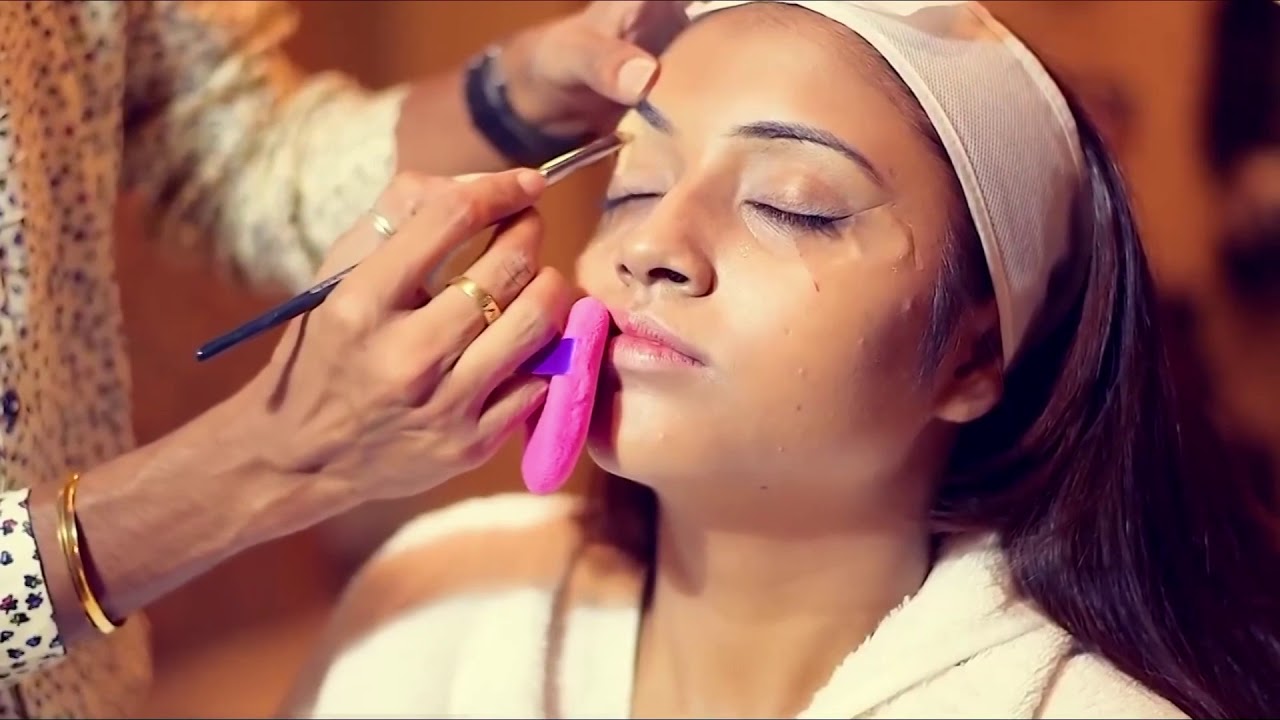
Introduction about SENIOR BEAUTY THERAPIST
A Senior Beauty Therapist is a highly skilled and experienced professional in the field of beauty and wellness. This role is primarily focused on providing a wide range of beauty treatments and services to clients, helping them enhance their physical appearance and overall well-being. Senior Beauty Therapists typically work in beauty salons, spas, wellness centers, or even as independent practitioners.
Here are some key aspects of the role of a Senior Beauty Therapist:
Advanced Expertise: Senior Beauty Therapists have in-depth knowledge and expertise in various beauty treatments, skincare, and body care procedures. They are often proficient in a wide array of services, such as facials, body massages, waxing, manicures, pedicures, and more.
Client Consultation: They excel in conducting client consultations to understand their needs and preferences. This includes analyzing the client's skin type, hair type, and any specific concerns or goals they may have.
Customized Treatments: Senior Beauty Therapists are skilled in tailoring beauty treatments to meet the unique requirements of each client. They can recommend and provide specialized services and product recommendations.
Product Knowledge: They are well-versed in the use of various skincare and beauty products and can suggest the most suitable products for their clients, sometimes even retailing beauty products as part of their services.
Hygiene and Safety: Maintaining a high standard of hygiene and safety is crucial in this role. Senior Beauty Therapists ensure that their workspace and equipment are sanitized, and they follow best practices for cleanliness to prevent any infections or allergic reactions.
Continuous Education: To stay current in the ever-evolving beauty and wellness industry, Senior Beauty Therapists often undergo continuous education and training to learn about the latest trends, technologies, and treatments.
Client Relationship Management: Building strong client relationships is a significant part of the job. Senior Beauty Therapists strive to provide a comfortable and welcoming atmosphere, earning the trust and loyalty of their clients.
Team Leadership: In some cases, Senior Beauty Therapists may also take on leadership roles, overseeing and mentoring junior therapists and ensuring the smooth operation of the salon or spa.
How can I apply for admission to SENIOR BEAUTY THERAPIST Program
The process for applying to a Senior Beauty Therapist program may vary depending on the specific institution or organization offering the program. However, here are general steps to help you get started:
Research Programs: Start by researching institutions that offer Senior Beauty Therapist programs. Look for accredited schools, colleges, or beauty academies that have a good reputation for their beauty and wellness education.
Check Admission Requirements: Each program may have specific admission requirements. Typically, you'll need a high school diploma or equivalent. Some programs may also have age requirements or prerequisites in the beauty and wellness field. Review the admission requirements for your chosen program carefully.
Select Your Program: Choose the Senior Beauty Therapist program that aligns with your career goals and interests. Make sure the program offers the specific skills and knowledge you want to acquire.
Contact the Admissions Office: Reach out to the admissions office of the institution offering the program. You can do this through email, phone, or by visiting their website to find contact information. Inquire about application deadlines, program details, and any additional admission requirements.
Prepare Application Materials: Most programs will require you to submit the following:
Completed Application Form: Fill out the application form provided by the institution.
Educational Transcripts: Submit your high school diploma or equivalent transcripts.
Resume: Create a professional resume that highlights any relevant experience or coursework.
Personal Statement: Write a personal statement explaining your interest in becoming a Senior Beauty Therapist, your career goals, and why you want to enroll in the program.
Letters of Recommendation: Some programs may require letters of recommendation from teachers, employers, or industry professionals.
Application Fee: Be prepared to pay an application fee, if required.
Attend an Interview: Some programs may require an interview as part of the admission process. This is an opportunity for you to discuss your goals and demonstrate your passion for the field.
Financial Aid and Scholarships: If you need financial assistance, explore scholarship opportunities and financial aid options available through the institution or external organizations.
Submit Your Application: Complete your application and submit it to the admissions office by the specified deadline. Make sure you double-check all the requirements and include all necessary documents.
Wait for Admission Decision: Once you've submitted your application, wait for the admission decision. This may take some time, so be patient.
Enroll in the Program: If you are accepted into the Senior Beauty Therapist program, follow the instructions provided by the institution for enrollment. This may include paying tuition, registering for classes, and obtaining any required materials or uniforms.
What is the eligibility for SENIOR BEAUTY THERAPIST
The eligibility requirements for becoming a Senior Beauty Therapist can vary depending on the country, state, or institution offering the program or employment. However, here are some general eligibility criteria and steps that are commonly associated with pursuing a career as a Senior Beauty Therapist:
Education: Typically, you'll need a high school diploma or its equivalent (such as a GED) to be eligible for most Senior Beauty Therapist programs or entry-level positions in the field.
Age Requirements: Some programs and employers may have age restrictions for certain positions, particularly for roles involving specific equipment and procedures. It's important to check for any age requirements that may apply.
Professional Training or Certification: To become a Senior Beauty Therapist, you'll likely need to complete a formal training program in beauty therapy, aesthetics, or cosmetology. These programs are typically offered by accredited beauty schools, colleges, or academies. The specific training requirements can vary, but they usually involve completing a set number of hours of instruction and practical experience.
Licensing: In many countries and states, Senior Beauty Therapists are required to obtain a license to practice. This often involves passing a written and practical examination. Licensing requirements can vary widely, so you should research and comply with the specific requirements in your location.
Continuing Education: To advance in your career as a Senior Beauty Therapist, staying current with industry trends and technology is important. This may involve participating in continuing education programs or workshops.
Skills and Personal Qualities: You should have a passion for the beauty and wellness industry, strong communication skills, excellent customer service abilities, and a keen eye for detail. Being able to work with different skin and hair types and adapt treatments to individual clients is essential.
Good Health and Personal Hygiene: Given the close contact with clients and the importance of hygiene in the field, you should maintain good personal health and hygiene.
Experience: For a Senior Beauty Therapist position, employers may require a certain number of years of experience as a Beauty Therapist or Aesthetician. Gaining experience in the field allows you to refine your skills and become proficient in providing a wide range of treatments.
Regulatory Compliance: Compliance with any local, state, or national regulations regarding health and safety standards in beauty therapy is crucial. You may need to complete training in infection control, sanitation, and other relevant areas.
How long does it takes to complete a SENIOR BEAUTY THERAPIST program
The duration of a Senior Beauty Therapist program can vary depending on the institution, the specific program, and the country in which it is offered. In general, these programs can range in length from several months to a couple of years. Here are some common options for the duration of Senior Beauty Therapist programs:
Diploma or Certificate Programs: These shorter programs typically last anywhere from a few months to one year. They focus on the fundamental skills and knowledge required for a career as a Beauty Therapist. These programs are often ideal for those looking to enter the workforce quickly.
Associate's Degree Programs: Some institutions offer Associate's degree programs in fields related to beauty therapy or cosmetology. These programs usually take about 2 years to complete and provide a more comprehensive education, including general education courses in addition to beauty therapy coursework.
Advanced Training Programs: To become a Senior Beauty Therapist with advanced skills and expertise, you may need to pursue additional specialized training after completing a basic beauty therapy program. These advanced training programs can vary in duration but often last several months to a year.
Apprenticeships: In some regions, you may have the option to complete a beauty therapy apprenticeship program, which typically lasts 1-2 years. During an apprenticeship, you work under the guidance of an experienced professional while receiving on-the-job training.
It's important to research the specific program you are interested in to determine its duration. Additionally, consider factors such as whether the program offers flexible scheduling options, part-time or full-time study, and whether you can complete it in an accelerated format. The duration may also be influenced by the specific curriculum, the number of practical training hours required, and any internship or clinical experience included in the program.
What are potential career opportunities after SENIOR BEAUTY THERAPIST
Becoming a Senior Beauty Therapist can open up a variety of career opportunities in the beauty and wellness industry. As a Senior Beauty Therapist, you have gained advanced skills and expertise in beauty treatments, skincare, and body care. Here are some potential career opportunities after becoming a Senior Beauty Therapist:
Salon or Spa Manager: With your experience and expertise, you can pursue a managerial role in a beauty salon or spa. This position involves overseeing daily operations, staff management, and ensuring that the establishment provides high-quality services.
Educator or Trainer: You can become an educator or trainer in beauty schools or academies, sharing your knowledge and expertise with aspiring beauty therapists. This role involves teaching various beauty therapy techniques and providing hands-on training.
Product Specialist or Sales Representative: Many beauty product companies hire Senior Beauty Therapists as product specialists or sales representatives. In this role, you can promote and sell beauty and skincare products, providing product demonstrations and expert advice.
Clinical Aesthetician: Clinical aestheticians work in medical settings, such as dermatology clinics and plastic surgery practices. They provide advanced skincare treatments, like chemical peels and laser therapy, to address specific skin concerns.
Freelance Beauty Therapist: You can establish your own freelance beauty therapy business, providing services to clients in their homes or at various locations. This offers flexibility and the opportunity to set your own schedule.
Specialized Beauty Therapist: Focus on a specific area of beauty therapy, such as becoming a nail technician, makeup artist, or bodywork specialist (e.g., massage therapist or reflexologist). These roles may require additional training and certification.
Spa Director: In larger spa establishments, Senior Beauty Therapists can advance to the role of Spa Director. This position involves managing the entire spa, including staff, services, marketing, and overall client experience.
Holistic Wellness Practitioner: Expand your expertise into holistic wellness by incorporating treatments like aromatherapy, herbal remedies, or energy work into your practice. This can appeal to clients seeking a more holistic approach to beauty and well-being.
Consultant or Advisor: Offer beauty and skincare consulting services, either independently or as part of a team, helping clients choose the right products and treatments to meet their specific needs.
Beauty Blogger or Influencer: In the age of social media, you can leverage your expertise by becoming a beauty blogger or influencer. You can share beauty tips, product reviews, and tutorials on platforms like YouTube, Instagram, or a personal blog.
Cruise Ship Beauty Therapist: Work as a beauty therapist on cruise ships, providing services to passengers in a luxury travel setting.
Product Development and Research: Use your knowledge to work in product development or research for beauty and skincare companies, helping create new and innovative products.
Syllabus of SENIOR BEAUTY THERAPIST
The syllabus for a Senior Beauty Therapist program can vary depending on the institution, country, and the specific program. However, I can provide you with a general overview of the topics and subjects that are commonly covered in a Senior Beauty Therapist program. Please keep in mind that the content may vary, and some programs may offer additional or specialized courses. Here's a typical syllabus for a Senior Beauty Therapist program:
Anatomy and Physiology:
Study of the human body's structure and functions, focusing on the skin, muscles, bones, and circulatory systems.
Skin Analysis:
Learning how to analyze different skin types and conditions to provide tailored skincare treatments.
Facial Treatments:
Techniques for performing various facial treatments, including cleansing, exfoliation, extractions, masks, and massages.
Body Treatments:
Procedures for providing body treatments such as body wraps, scrubs, and massages.
Hair Removal Techniques:
Waxing, threading, and other hair removal methods.
Nail Care:
Manicure and pedicure techniques, including nail shaping, polishing, and nail art.
Makeup Application:
Makeup application for different occasions, including day, evening, bridal, and special effects makeup.
Advanced Skincare Techniques:
Procedures like microdermabrasion, chemical peels, and non-surgical facelifts.
Aromatherapy and Spa Treatments:
Using essential oils for relaxation and therapeutic purposes, and providing spa treatments like hot stone massages.
Electrical and Mechanical Treatments:
Training on the use of advanced equipment such as microcurrent machines, LED therapy, and ultrasonic devices.
Business Management:
Basics of operating a beauty salon or spa, including customer service, marketing, and financial management.
Health and Safety:
Adhering to hygiene and safety standards, including sanitation, sterilization, and infection control.
Client Consultation and Communication:
Effective communication and conducting client consultations to determine their needs and preferences.
Product Knowledge:
Understanding and recommending skincare and beauty products for clients.
Professional Ethics:
Ethical considerations in the beauty therapy field, including client confidentiality and professional behavior.
Specialized Treatments:
Training in specialized treatments like lymphatic drainage, cellulite reduction, and scar tissue management.
Regulatory Compliance and Licensing:
Understanding local and national regulations for beauty therapy and obtaining necessary licensing.
Practical Experience:
Hands-on practice and clinical experience to develop skills in real-world settings.
Continual Education:
Encouraging students to stay updated with the latest industry trends, products, and techniques through ongoing education.
Internship opportunities after completing SENIOR BEAUTY THERAPIST
After completing a Senior Beauty Therapist program, internship opportunities can be a valuable way to gain practical experience, enhance your skills, and network in the beauty and wellness industry. Internships provide a bridge between your education and your professional career. Here are some potential internship opportunities you can explore:
Beauty Salons and Spas: Many beauty salons and spas offer internship or apprenticeship programs for recent graduates. This allows you to work under the guidance of experienced professionals, learn about the day-to-day operations of the business, and gain hands-on experience providing beauty treatments to clients.
Luxury Resorts and Hotels: High-end hotels and resorts often have on-site spas and wellness centers. Interning at these locations can provide exposure to a more upscale clientele and a range of treatments and services.
Dermatology Clinics and Medical Spas: If you're interested in clinical aesthetics and skincare, consider interning at dermatology clinics or medical spas. You may assist with treatments like chemical peels, laser therapies, and advanced skincare procedures.
Cruise Ships: Some cruise lines offer beauty therapist positions, and this can be an exciting internship opportunity if you enjoy travel and providing beauty services to passengers on cruise ships.
Product Manufacturers and Retailers: Beauty product manufacturers and retailers may have internship programs that allow you to learn about product development, marketing, and sales. This can be an excellent choice if you're interested in the business side of the beauty industry.
Freelance or Mobile Beauty Services: Some beauty therapists offer mobile or freelance services, and you can intern with them to gain experience providing treatments in various locations.
Holistic Wellness Centers: If you're interested in holistic wellness, you can explore internships at wellness centers that offer services like aromatherapy, energy work, or herbal treatments.
Esthetics and Cosmetology Schools: Consider interning at beauty schools or academies, helping with practical training and assisting instructors. This can be a great way to develop your teaching skills and knowledge.
Professional Beauty Associations: Some beauty associations offer internship or mentorship programs to help newcomers gain exposure to the industry. These programs can also provide networking opportunities.
Event and Bridal Services: Intern with professionals who specialize in event makeup and bridal beauty. This can be an excellent choice if you're interested in providing on-location services for special events.
When seeking internship opportunities, keep the following in mind:
Research the requirements and application process for each internship program.
Customize your resume and cover letter to highlight your training and skills.
Network with professionals in the industry, including your instructors and fellow students, to learn about potential internship openings.
Be prepared to work diligently and learn from experienced practitioners during your internship.
Keep an open mind and be willing to take on a variety of tasks and responsibilities to gain a well-rounded experience.
Scholarship and grants for SENIOR BEAUTY THERAPIST
Scholarships and grants for Senior Beauty Therapists or those pursuing beauty therapy and cosmetology education can be a great way to reduce the financial burden of tuition and related expenses. Here are some options to consider:
Beauty Industry Associations and Organizations: Many industry-specific associations and organizations offer scholarships to support students pursuing careers in beauty therapy and cosmetology. Examples include:
The Professional Beauty Association (PBA): The PBA Foundation offers scholarships to individuals pursuing beauty and wellness education.
The American Association of Cosmetology Schools (AACS): AACS provides scholarships to students attending member schools.
Beauty Schools and Institutions: Some beauty schools and institutions offer their own scholarships to enrolled students or those applying for their programs. Check with the schools you're interested in for details.
Government Grants and Financial Aid: In some countries, government grants and financial aid programs may be available for students pursuing vocational or technical education. Explore these options through your country's education department or financial aid office.
Cosmetic and Skincare Brands: Some cosmetic and skincare brands offer scholarships or grants to students in the beauty industry. These brands may have a vested interest in supporting the education of future professionals who may use their products. Check the websites of leading beauty brands for scholarship opportunities.
Local and Community Scholarships: Many local organizations, businesses, and foundations offer scholarships to students in their communities. These scholarships may not be industry-specific but can still help cover educational expenses.
Women's and Minority Scholarships: Various scholarships are available specifically for women and minority students pursuing careers in beauty therapy and cosmetology. These scholarships aim to promote diversity in the industry.
Financial Aid from Educational Institutions: The beauty schools or institutions you're interested in may offer their own financial aid packages, including scholarships and grants. Contact their financial aid offices for information on available options.
Professional Beauty Product Distributors: Some companies that distribute beauty products to salons and spas offer scholarships to students studying to become beauty therapists. These scholarships may have specific product or brand-related requirements.
Online Scholarship Search Engines: Utilize online scholarship search engines and databases, such as Fastweb, Scholarships.com, and Cappex, to find scholarships for beauty therapy and cosmetology students. You can filter results based on your field of study.
When applying for scholarships and grants, keep these tips in mind:
Review the eligibility criteria and application deadlines carefully.
Prepare a well-organized and persuasive scholarship application, including a strong personal statement.
Apply for multiple scholarships to increase your chances of receiving financial aid.
Stay updated on scholarship opportunities, as new ones may become available.
Conclusion
Overall, a Senior Beauty Therapist plays a vital role in helping individuals look and feel their best, boosting their self-confidence and providing relaxation and rejuvenation. Their advanced skills and experience make them a valuable asset in the beauty and wellness industry.
FAQ's
What is a Senior Beauty Therapist?
A Senior Beauty Therapist is an experienced and skilled professional in the beauty and wellness industry who provides a wide range of beauty treatments and services to clients. They are often trained in areas like skincare, body treatments, and aesthetics.
How do I become a Senior Beauty Therapist?
To become a Senior Beauty Therapist, you typically need to complete a formal beauty therapy program, gain hands-on experience, and often obtain the necessary license or certification. Training programs can vary in length and content.
What qualifications do I need to pursue a career as a Senior Beauty Therapist?
Generally, you'll need a high school diploma or its equivalent to start your journey in beauty therapy. Specific qualifications and licensing requirements can vary by location, so research the regulations in your area.
What skills are essential for a Senior Beauty Therapist?
Key skills include strong interpersonal and communication skills, an eye for detail, the ability to analyze and address different skin and body types, and proficiency in various beauty treatments and techniques.
What services does a Senior Beauty Therapist offer?
Senior Beauty Therapists offer a wide range of services, including facials, body massages, hair removal, nail care, makeup application, and specialized treatments like chemical peels or microdermabrasion.
Is there a demand for Senior Beauty Therapists in the job market?
The beauty and wellness industry continues to experience steady demand, and there are opportunities for Senior Beauty Therapists in salons, spas, wellness centers, and even as independent practitioners.
What is the earning potential for a Senior Beauty Therapist?
Earnings can vary significantly depending on factors such as location, experience, and the specific services offered. Senior Beauty Therapists with advanced skills and a strong client base often have higher earning potential.
Can I specialize in a particular area as a Senior Beauty Therapist?
Yes, Senior Beauty Therapists can specialize in areas like makeup artistry, nail care, or clinical aesthetics. Specialization can help you stand out in the field.
What are the challenges in the beauty therapy industry?
Challenges can include staying up-to-date with evolving beauty trends and technologies, maintaining a steady client base, and dealing with competition.
Are there opportunities for career advancement in the beauty therapy field?
Yes, Senior Beauty Therapists can advance to managerial roles in salons or spas, become educators or trainers, or even start their own businesses. Continuing education and specialization can open up new opportunities.
How can I find scholarship opportunities for beauty therapy education?
You can find scholarship opportunities through beauty industry associations, beauty schools, local organizations, and online scholarship search engines. Research and apply for scholarships that align with your educational goals.
What is the typical duration of a Senior Beauty Therapist program?
The duration of a Senior Beauty Therapist program can vary, but it generally ranges from several months to a few years, depending on the specific program and institution.
How Shiksha Hub helps you in
-
 Student Counsellors
 -
 Career Counseling
 -
 Research
 -
 24/7 Support
 -
 Scholarships
 -
 Community