Posted by Admin on 10-07-2023 in Shiksha hub
Senior Lineman Distribution Admission, Registration, Eligibility, Duration, Fees, Syllabus 2024
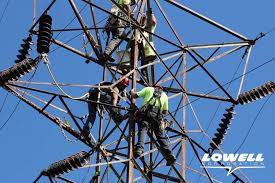
Introduction about SENIOR LINEMAN DISTRIBUTION
A Senior Lineman in the field of electrical power distribution is a highly skilled and experienced professional responsible for overseeing and performing a wide range of tasks related to the maintenance, repair, and construction of electrical distribution systems. These distribution systems are responsible for delivering electricity from substations to homes, businesses, and other facilities, ensuring a reliable and uninterrupted power supply to the community.
Senior Linemen typically have many years of experience and expertise in working with electrical power lines and related equipment. They are often considered leaders within their teams and are responsible for training and supervising junior linemen. Their job responsibilities can vary, but they often include the following:
Maintenance and Repair: Senior linemen are responsible for inspecting, maintaining, and repairing electrical power lines, transformers, and associated equipment. They need to identify and address any issues to prevent power outages and ensure the safety of the distribution system.
Construction: They participate in the construction of new distribution lines and equipment. This may involve installing new power lines, poles, and transformers, as well as connecting new customers to the electrical grid.
Troubleshooting: Senior linemen are skilled in diagnosing and resolving electrical problems and outages efficiently. They may need to work in adverse weather conditions and respond to emergencies quickly.
Safety: Safety is a top priority in the work of a senior lineman. They are responsible for ensuring that their team follows strict safety protocols to prevent accidents and injuries. They use specialized personal protective equipment and ensure that equipment is in good working order.
Leadership: In many cases, senior linemen provide guidance and training to junior linemen, passing on their knowledge and skills. They may also help coordinate the work of their team and communicate with other departments and agencies.
Equipment Operation: Senior linemen operate and maintain various tools and equipment, such as bucket trucks, diggers, and specialized testing devices, to complete their tasks safely and efficiently.
Documentation: They keep records of work performed, such as maintenance schedules, equipment inspections, and repair logs.
How can I apply for admission to SENIOR LINEMAN DISTRIBUTION Program
Admission to a Senior Lineman Distribution program typically depends on the institution or organization offering the program. These programs are often provided by vocational schools, technical colleges, or trade schools, and they are designed to train individuals for careers in electrical distribution. Here are the general steps you can follow to apply for admission to such a program:
Research Programs: Start by researching educational institutions that offer Senior Lineman Distribution programs. Look for schools or training centers that are accredited and well-regarded in the industry. You can search online, contact local trade schools or community colleges, or consult with industry professionals for recommendations.
Check Admission Requirements: Each program may have specific admission requirements, such as a minimum age, educational background, or physical fitness standards. Ensure that you meet these requirements before applying.
Prepare Application Materials: Typically, you will need to submit an application to the program. The application may require you to provide your educational history, relevant work experience (if applicable), and personal information. Be prepared to submit transcripts, a resume, and possibly letters of recommendation.
Financial Aid: If you need financial assistance to cover tuition and other costs, explore financial aid options. This may include scholarships, grants, or student loans. Contact the financial aid office of the institution to learn more about available resources.
Interview: Some programs may require an interview as part of the application process. Be prepared to discuss your interest in the program, your career goals, and any relevant experience you have.
Complete Required Testing: Depending on the program, you may need to take placement tests or meet certain health and safety requirements.
Submit Application: Follow the application instructions provided by the institution. This may involve filling out an online application or mailing a physical application along with the required documents.
Pay Application Fees: There may be an application fee associated with the program. Make sure to pay this fee as instructed during the application process.
Wait for Acceptance: After submitting your application, you will need to wait for the admission decision. This can take some time, so be patient.
Enroll in the Program: If you are accepted into the Senior Lineman Distribution program, follow the enrollment instructions provided by the institution. This may include paying tuition, registering for classes, and attending orientation.
Attend Orientation: Attend any orientation sessions or training sessions as required by the program. These sessions will provide important information about the program, safety procedures, and what to expect.
What is the eligibility for SENIOR LINEMAN DISTRIBUTION
The eligibility criteria for admission to a Senior Lineman Distribution program may vary depending on the institution or organization offering the program. However, there are some common eligibility requirements that are typically expected for individuals interested in pursuing a career in this field. Here are the general eligibility criteria you can expect:
Age Requirements: Many programs may have a minimum age requirement, typically 18 years or older, due to the physically demanding and potentially hazardous nature of the work.
Education: While a high school diploma or equivalent (such as a GED) is often the minimum educational requirement, some programs may have additional requirements, such as specific high school courses or minimum GPA. It's important to check the program's specific requirements.
Physical Fitness: The work of a Senior Lineman Distribution involves climbing poles, working at heights, and handling heavy equipment. Therefore, applicants may need to meet certain physical fitness standards and pass a physical examination to ensure they can perform the job safely.
Driver's License: Having a valid driver's license may be a requirement, as Senior Linemen often need to drive utility vehicles and operate equipment.
Background Check: Some programs may conduct background checks and require a clean criminal record due to the nature of the work, which involves access to secure utility infrastructure and potentially working in sensitive areas.
Drug Testing: Many programs have a strict drug-testing policy. Applicants are typically required to pass a drug test and may be subject to random drug testing during the program.
Apprenticeship Programs: Some individuals may enter the field through an apprenticeship program. These programs may have their own specific eligibility requirements and selection processes. Typically, apprenticeships are open to high school graduates, and candidates must meet the program's age and physical fitness requirements.
Technical Skills: While not always a formal requirement, having a background in electrical work, electronics, or a related technical field can be advantageous when applying for Senior Lineman programs. Relevant experience or coursework can demonstrate your preparedness for the program.
Strong Work Ethic and Safety Awareness: Given the nature of the job, having a strong work ethic and a commitment to safety is essential for success as a Senior Lineman.
How long does it takes to complete a SENIOR LINEMAN DISTRIBUTION program
The duration of a Senior Lineman Distribution program can vary depending on several factors, including the specific program, the institution offering it, and whether it includes an apprenticeship component. Typically, these programs can take anywhere from several months to a few years to complete. Here are some common scenarios for program duration:
Short-Term Certificate Programs: Some vocational schools or technical colleges offer shorter certificate programs that can be completed in a few months. These programs may focus on providing essential skills and knowledge for entry-level positions.
Diploma Programs: Diploma programs can extend to about one to two years in duration. They often provide more in-depth training and may include coursework on safety protocols, electrical systems, and practical skills like climbing poles and working with electrical equipment.
Associate's Degree Programs: Some institutions offer two-year associate's degree programs in Electric Power Distribution or a related field. These programs provide a more comprehensive education and often include general education coursework in addition to technical training.
Apprenticeships: Many individuals enter the field through apprenticeship programs, which typically last four to five years. Apprenticeships combine on-the-job training with classroom instruction, and apprentices work under the guidance of experienced Senior Linemen. These programs are designed to provide a well-rounded education and hands-on experience.
Continuing Education: Senior Linemen may also pursue ongoing training and certifications throughout their careers to stay updated on industry standards and safety practices.
Keep in mind that program duration can vary by location and the specific curriculum of the institution. It's essential to research and contact the schools or training providers you are interested in to get precise information on the length of their Senior Lineman Distribution program. Additionally, apprenticeship programs may have structured progression levels, with apprentices advancing to the journeyman or senior lineman stage after completing a certain number of hours and meeting specific requirements.
What are potential career opportunities after SENIOR LINEMAN DISTRIBUTION
Completing a Senior Lineman Distribution program opens up various career opportunities in the electrical power distribution field. Senior Linemen are highly skilled professionals with a range of experience, making them well-suited for positions that require expertise in electrical systems and power distribution. Here are some potential career opportunities after becoming a Senior Lineman:
Senior Lineman: As the title suggests, Senior Linemen often continue to work in their current role, performing high-level tasks related to the maintenance, repair, and construction of electrical distribution systems. They may also take on leadership responsibilities, such as training and supervising junior linemen.
Journeyman Lineman: Some Senior Linemen may progress to the role of a Journeyman Lineman, which involves a higher level of experience and responsibility. Journeyman Linemen often work independently and can take on more complex tasks, such as troubleshooting and system design.
Line Crew Supervisor: With their experience and leadership skills, Senior Linemen can transition into supervisory roles where they manage and oversee teams of linemen. They are responsible for project coordination, safety compliance, and ensuring that work is completed efficiently and on time.
Line Superintendent: Line Superintendents are responsible for the overall management of a utility's distribution system. They oversee multiple line crews, manage budgets, and make strategic decisions about system upgrades and maintenance.
Safety Coordinator: Senior Linemen have extensive knowledge of safety protocols and procedures. They may transition into safety coordinator or safety management roles within utility companies, where they are responsible for ensuring workplace safety and compliance with industry standards.
Training and Education: Some Senior Linemen choose to become instructors or educators in vocational schools, training centers, or apprenticeship programs. They pass on their knowledge and skills to the next generation of linemen.
Consulting and Inspection Services: Senior Linemen with a wealth of experience may offer their expertise as consultants or inspectors, working with utility companies, government agencies, or private clients to assess the safety and performance of electrical distribution systems.
Utility Company Management: Senior Linemen who pursue further education and develop leadership skills may move into management positions within utility companies, overseeing various aspects of operations, including distribution, maintenance, and customer service.
Government or Regulatory Roles: Some Senior Linemen may transition into roles within government agencies or regulatory bodies, where they help develop and enforce safety and quality standards for electrical distribution systems.
Private Sector Opportunities: Senior Linemen may find opportunities in the private sector, working for electrical contractors, engineering firms, or manufacturers of electrical equipment.
Syllabus of SENIOR LINEMAN DISTRIBUTION
The specific syllabus for a Senior Lineman Distribution program can vary from one institution to another. However, I can provide a general overview of the topics and subjects commonly covered in such programs. Keep in mind that the depth and breadth of the curriculum may vary based on the program's duration and the specific goals of the training. Here is a sample syllabus:
Electrical Fundamentals:
Basic electrical principles and concepts
Ohm's Law and power calculations
Electrical safety and hazards
Electrical codes and regulations
Safety Procedures:
Workplace safety protocols
Safe work practices for working with electricity
Personal protective equipment (PPE)
Emergency response and first aid
Electrical Distribution Systems:
Overview of electrical generation and transmission
Distribution system components (transformers, switches, fuses, circuit breakers)
Types of distribution systems (overhead, underground)
Electrical substations and their functions
Climbing and Rigging:
Pole climbing techniques and equipment
Safe rigging practices for hoisting equipment and materials
Proper use of climbing tools and equipment
Line Construction and Maintenance:
Installation of utility poles and anchors
Stringing and tensioning of power lines
Splicing and terminating electrical cables
Line inspection, maintenance, and repair
Troubleshooting and Diagnostics:
Identifying and diagnosing electrical faults and outages
Use of testing equipment, such as voltmeters and oscilloscopes
Fault location and restoration techniques
Worksite Operations:
Worksite safety planning and hazard assessment
Site setup and traffic control
Equipment operation (bucket trucks, diggers, etc.)
Worksite communication and coordination
Electrical System Design:
Planning and design of distribution systems
Load calculations and capacity planning
Blueprint reading and interpretation
Emergency Response and Disaster Recovery:
Response to natural disasters and emergencies
Restoration of power during outages
Coordination with emergency services
Regulations and Compliance:
OSHA regulations and electrical safety standards
Utility-specific regulations and guidelines
Compliance with National Electrical Safety Code (NESC)
Environmental and Sustainability Considerations:
Environmental impact of electrical distribution
Sustainable practices in the industry
Professional Development:
Communication skills and customer service
Leadership and teamwork
Continuing education and certifications
Internship opportunities after completing SENIOR LINEMAN DISTRIBUTION
After completing a Senior Lineman Distribution program, seeking internship opportunities can be a valuable step in furthering your career and gaining hands-on experience. Internships can provide you with the chance to apply the skills and knowledge you've acquired in the program in real-world settings. Here are some internship opportunities you might consider:
Utility Companies: Many utility companies offer internship programs for individuals interested in careers in electrical distribution. These internships may involve working with experienced linemen, assisting in maintenance and repair tasks, and gaining insight into the day-to-day operations of the utility.
Apprenticeships: If you haven't already completed an apprenticeship as part of your Senior Lineman program, you may consider seeking an apprenticeship with a utility company or an electrical contractor. Apprenticeships provide a structured and supervised learning experience in which you work alongside experienced linemen.
Electrical Contractors: Electrical contractors often hire interns or entry-level employees to assist with various electrical projects. You may work on construction, maintenance, and repair tasks for a range of clients, including residential, commercial, and industrial.
Engineering Firms: Some engineering firms that specialize in electrical systems or power distribution may offer internship opportunities. These internships may involve working on design and planning projects, as well as field inspections.
Government Agencies: Local, state, or federal agencies that oversee electrical infrastructure and safety may offer internship positions. This can provide exposure to regulatory compliance, safety standards, and infrastructure management.
Safety and Compliance Organizations: Interning with organizations that focus on electrical safety and compliance, such as the Occupational Safety and Health Administration (OSHA), can provide valuable insights into safety regulations and standards.
Trade Unions: Trade unions representing electrical workers may have internship programs or entry-level positions. These opportunities can provide exposure to union practices and support career development.
Private Utility Services: Some private utility service providers offer internship opportunities. These organizations may provide services to utility companies or other clients in the electrical industry.
When seeking internship opportunities, consider the following:
Networking: Attend industry events, job fairs, and connect with professionals in the field to learn about available internships. Networking can open doors to opportunities that may not be advertised publicly.
Resume and Cover Letter: Create a compelling resume and cover letter that highlight your Senior Lineman program completion and any relevant skills or certifications. Tailor your application materials to the specific internship you're applying for.
Online Job Boards: Check online job boards, company websites, and job search engines for internship listings in the electrical distribution field.
Professional Organizations: Join professional organizations related to the electrical and utility industry, as they often provide information about internships and job openings.
Career Services: If you completed your Senior Lineman program through an educational institution, the school's career services department may be able to assist in finding internship opportunities.
Scholarship and grants for SENIOR LINEMAN DISTRIBUTION
Scholarships and grants for Senior Lineman Distribution programs are not as common as those available for traditional academic programs but can still be found through various sources. These financial aid options can help offset the costs of tuition, books, and related expenses for those pursuing a career in electrical distribution. Here are some potential sources of scholarships and grants for Senior Lineman Distribution programs:
Trade and Technical Schools: Many vocational or trade schools that offer Senior Lineman Distribution programs may have their own scholarship or grant programs. Contact the school's financial aid office or check their website for information on available funding opportunities.
Professional Associations: Industry-specific organizations and associations, such as the International Brotherhood of Electrical Workers (IBEW) or the National Electrical Contractors Association (NECA), may offer scholarships or educational grants for individuals pursuing careers in the electrical trades. Explore their websites and reach out to local chapters for information.
Utility Companies: Some utility companies and co-ops have scholarship programs for students pursuing careers in electrical distribution. These programs may be tied to a commitment to work for the company after completing your education.
State and Local Agencies: Check with state and local workforce development agencies or public utility commissions to see if they offer scholarships or grants for individuals pursuing training in the electrical distribution field.
National and Local Foundations: Some philanthropic organizations or foundations may provide scholarships for vocational or technical education. Research foundations in your area or explore national scholarship databases to identify potential opportunities.
Community Colleges: If your Senior Lineman program is offered through a community college, they may have scholarships or grants specifically for students enrolled in the program. Contact the college's financial aid office for details.
General Scholarships: While not specific to Senior Lineman programs, you can also look for general scholarships and grants for vocational or technical education. Websites like Fastweb, Scholarship.com, and the U.S. Department of Labor's CareerOneStop can help you find relevant opportunities.
Employer Sponsorship: Some employers in the electrical distribution field may offer tuition reimbursement or sponsorship for employees seeking to further their education in the field.
When searching for scholarships and grants, be sure to carefully review the eligibility criteria, application deadlines, and application requirements. Most scholarships and grants have specific requirements, such as GPA, financial need, or community involvement, so it's essential to tailor your applications accordingly.
Conclusion
In summary, a Senior Lineman Distribution is a highly experienced and skilled professional who plays a crucial role in maintaining and expanding electrical distribution systems to ensure a reliable and safe supply of electricity to communities. Their expertise, leadership, and commitment to safety are essential in keeping the lights on for homes, businesses, and industries.
FAQ's
What does a Senior Lineman do?
A Senior Lineman is a skilled professional responsible for maintaining, repairing, and constructing electrical distribution systems. They work to ensure a reliable supply of electricity from substations to homes and businesses.
How do I become a Senior Lineman?
To become a Senior Lineman, you typically need to complete a Senior Lineman Distribution program or apprenticeship. These programs provide the necessary training and education in electrical distribution and safety.
What are the eligibility requirements for Senior Lineman programs?
Eligibility requirements can vary, but they often include a minimum age, high school diploma or equivalent, physical fitness standards, and, in some cases, a clean criminal record.
How long does it take to complete a Senior Lineman Distribution program?
The duration of the program can vary but generally ranges from several months for short-term certificate programs to a few years for apprenticeships.
What are the career opportunities after completing a Senior Lineman program?
Career opportunities include working as a Senior Lineman, Journeyman Lineman, Line Crew Supervisor, Line Superintendent, safety coordinator, educator, consultant, and more.
Are there internship opportunities for Senior Lineman programs?
Yes, internships and apprenticeships are available with utility companies, electrical contractors, and other organizations to gain hands-on experience in the field.
Are there scholarships and grants available for Senior Lineman programs?
Scholarships and grants are available from trade schools, professional associations, utility companies, foundations, and government agencies, among others.
What is the average salary for a Senior Lineman?
Salaries can vary by location and experience, but Senior Linemen often earn competitive salaries with the potential for overtime pay. The median salary is typically above the national average.
Is the work of a Senior Lineman physically demanding and dangerous?
Yes, the work can be physically demanding and hazardous. Senior Linemen often work outdoors, at heights, and in adverse weather conditions. Safety measures and training are a top priority in the profession.
How can I find Senior Lineman job opportunities?
Job opportunities can be found through utility companies, electrical contractors, job boards, professional associations, and networking within the industry.
How Shiksha Hub helps you in
-
 Student Counsellors
 -
 Career Counseling
 -
 Research
 -
 24/7 Support
 -
 Scholarships
 -
 Community