Posted by Admin on 10-07-2023 in Shiksha hub
Senior Manual Metal Arc Welder Admission, Registration, Eligibility, Duration, Fees, Syllabus 2024
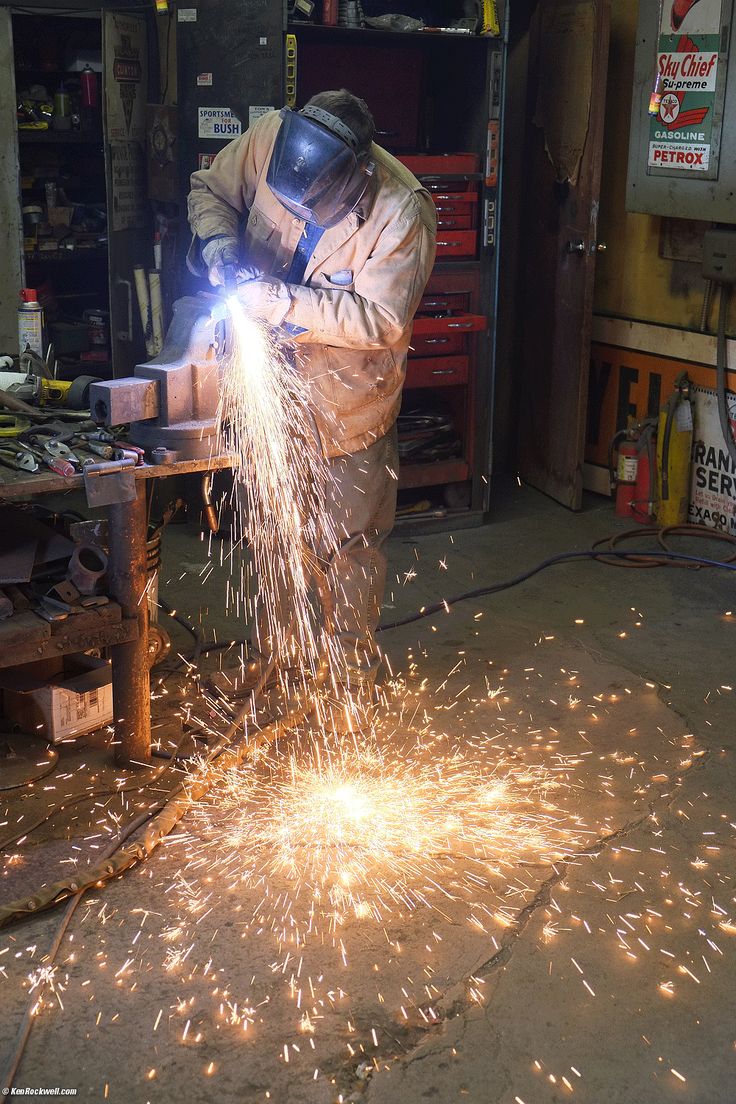
Introduction about SENIOR MANUAL METAL ARC WELDER
A Senior Manual Metal Arc Welder, often simply referred to as a Senior MMA Welder, is a skilled tradesperson who specializes in the manual metal arc welding process. Manual Metal Arc Welding, commonly known as shielded metal arc welding (SMAW) or stick welding, is one of the most widely used and versatile welding techniques in the industry. Senior MMA Welders are experienced and proficient in this particular welding method, which involves joining metal pieces together by melting and fusing them using an electric arc created between a flux-coated electrode and the workpiece.
The title "Senior" in Senior MMA Welder typically indicates a higher level of expertise and experience within the field. These welders have often spent years honing their skills and have a deep understanding of various metals, welding techniques, and safety procedures. They are responsible for performing welding tasks that require a high degree of precision and quality, as well as working on more complex and critical welding projects.
The duties and responsibilities of a Senior Manual Metal Arc Welder may include:
Reading and interpreting welding blueprints and specifications.
Selecting appropriate welding equipment, electrodes, and settings for the task at hand.
Preparing the workpiece by cleaning, beveling, and aligning the metal surfaces.
Striking and maintaining the welding arc with proper electrode manipulation.
Ensuring the quality and integrity of the weld by inspecting it for defects and making necessary adjustments during the welding process.
Adhering to safety protocols to protect themselves and others from potential hazards, such as fumes, sparks, and electric shock.
Troubleshooting and repairing welding equipment as needed.
Collaborating with other professionals, such as engineers and inspectors, to achieve the desired welding results.
How can I apply for admission to SENIOR MANUAL METAL ARC WELDER Program
Admission to a Senior Manual Metal Arc Welder program, also known as a welding training or certification program, typically involves several steps. These programs are offered by vocational schools, technical colleges, and trade schools. Here's a general outline of the application process:
Research Programs: Start by researching welding programs in your area or in locations you are willing to relocate to. Look for programs that offer training and certification for manual metal arc welding (SMAW) or stick welding.
Meet Admission Requirements: Different programs may have varying admission requirements, but common prerequisites include:
High school diploma or equivalent (GED)
Minimum age (usually 18 or older)
Some programs may have physical fitness requirements or specific health assessments to ensure you can safely perform welding tasks.
Complete the Application: Once you've identified a program that suits your needs, obtain an application form from the school or institution. Follow the instructions carefully and complete the application form accurately.
Provide Supporting Documents: Along with the application, you may be required to submit supporting documents, which can include:
High school transcripts or GED certificate
Proof of age (e.g., driver's license or birth certificate)
Letters of recommendation (if required)
A personal statement or statement of intent explaining your interest in welding and career goals
Pay Application Fees: Some programs may have an application fee. Make sure to include the required fee with your application, if applicable.
Attend an Interview or Orientation: Some programs may require you to attend an interview or orientation session. This is an opportunity for the program coordinators to assess your suitability and provide you with information about the program.
Take Any Required Tests: Certain programs may require you to take placement tests or assessments to gauge your aptitude and skill level. Be prepared to demonstrate your interest and basic knowledge of welding.
Apply for Financial Aid (Optional): If you need financial assistance to cover the cost of tuition, you may need to complete the Free Application for Federal Student Aid (FAFSA) or apply for scholarships or grants.
Wait for Admission Decision: After submitting your application and completing any necessary steps, you'll need to wait for the admission decision from the program. Be sure to check your email or mailbox for notifications.
Enroll and Register: If you're accepted into the program, follow the instructions provided to enroll and register for your courses. Pay any required tuition or fees.
Obtain Necessary Gear: As a welding student, you'll need to invest in personal protective equipment (PPE), such as welding helmet, gloves, and safety gear, as required by the program.
Begin Your Training: Once you're enrolled, attend your classes and start your Senior Manual Metal Arc Welder program. You'll receive hands-on training, theoretical instruction, and guidance to become proficient in manual metal arc welding.
What is the eligibility for SENIOR MANUAL METAL ARC WELDER
Eligibility requirements for a Senior Manual Metal Arc Welder program, also known as a welding training or certification program, can vary depending on the specific institution offering the program. However, there are some common eligibility criteria you may encounter when seeking admission to such a program. Here are typical eligibility requirements:
Educational Background: Most welding programs require a high school diploma or its equivalent, such as a General Education Development (GED) certificate. Some programs may accept individuals who are currently in high school but are close to graduation.
Age Requirement: Typically, candidates for welding programs must be at least 18 years old. Some programs may have age restrictions for safety and insurance purposes.
Physical Fitness: Welding can be physically demanding, so some programs may have basic physical fitness requirements to ensure that students can safely handle the rigors of the job. This might involve lifting, carrying, and working in various positions.
Health Assessment: Some programs may require a medical evaluation to ensure that you are physically able to work safely in a welding environment, which may involve exposure to fumes and working with heavy materials. This could include vision and respiratory assessments.
Basic Skills Assessment: Programs may assess your basic skills in areas like math and reading to ensure you have the necessary foundational skills for the coursework.
Interview or Orientation: In some cases, you may be asked to attend an interview or orientation session where program coordinators can evaluate your interest in welding and assess your suitability for the program.
Prerequisites: Certain welding programs may have specific prerequisite courses or experience requirements. For example, they might require completion of a basic welding course before entering a Senior Manual Metal Arc Welder program.
Documentation: You'll likely need to provide documentation, such as your high school transcripts or GED certificate, proof of age (e.g., driver's license or birth certificate), and any additional requested documents.
How long does it takes to complete a SENIOR MANUAL METAL ARC WELDER program
The duration of a Senior Manual Metal Arc Welder program can vary depending on the specific program and the level of certification or training being offered. The length of these programs can range from a few weeks to several months, or even longer for more comprehensive training. Here are some common scenarios:
Short-Term Certificate Programs: Some vocational schools or training centers offer short-term Senior Manual Metal Arc Welder programs that can be completed in as little as a few weeks or a few months. These programs often focus on the basics of manual metal arc welding and are designed for individuals who want to quickly gain entry-level skills.
Comprehensive Certification Programs: More in-depth Senior Manual Metal Arc Welder programs that cover a wider range of welding techniques and skills may take several months to complete. These programs often provide a more thorough and well-rounded education in welding.
Apprenticeships: In some cases, individuals may choose to pursue an apprenticeship program to become a Senior Manual Metal Arc Welder. These apprenticeships typically combine on-the-job training with classroom instruction and can take several years to complete.
Continuing Education: Some experienced welders who are already working in the field may choose to take additional Senior Manual Metal Arc Welder courses to expand their skills or earn advanced certifications. The duration of these programs can vary depending on the specific courses selected.
It's important to note that the duration of the program also depends on the number of instructional hours per week, the class schedule (full-time or part-time), and the specific curriculum of the program. Additionally, some programs offer flexibility in terms of the pace at which students can progress through the coursework.
What are potential career opportunities after SENIOR MANUAL METAL ARC WELDER
Becoming a Senior Manual Metal Arc Welder opens up various career opportunities in the welding and metalworking industry. This senior level of expertise in manual metal arc welding, or shielded metal arc welding (SMAW), can lead to a range of career paths and job opportunities, including:
Welder Fabricator: Welder fabricators are responsible for creating and assembling metal structures, components, and products. They read blueprints, use welding techniques to join metal parts, and may also work with cutting and shaping equipment. Welder fabricators are employed in industries like construction, manufacturing, and aerospace.
Pipe Welder: Pipe welders specialize in welding pipes and tubing, often in industries such as plumbing, oil and gas, and shipbuilding. They ensure the secure and leak-free connections of pipes using SMAW and other welding techniques.
Welding Inspector: Senior Manual Metal Arc Welders with a strong background in SMAW and welding codes and standards may choose to become certified welding inspectors (CWI). CWIs are responsible for ensuring that welds meet industry and safety standards through inspection, testing, and quality control procedures.
Welding Instructor or Trainer: Experienced Senior MMA Welders can transition into teaching roles, sharing their knowledge and skills with aspiring welders. This can include positions at vocational schools, community colleges, or technical training centers.
Maintenance Welder: Maintenance welders work in various industries to repair and maintain equipment, machinery, and structures. They are skilled in both SMAW and other welding methods to address ongoing maintenance needs.
Welding Supervisor or Manager: With experience and leadership skills, Senior MMA Welders can advance to supervisory or management positions within welding and fabrication shops. They oversee the work of other welders, manage projects, and ensure quality and safety standards are met.
Specialized Welder: Some Senior Manual Metal Arc Welders may choose to specialize in specific areas, such as underwater welding, aerospace welding, or nuclear welding, which can lead to unique and specialized career paths.
Entrepreneurship: Experienced welders can start their own welding businesses, offering welding services, metal fabrication, or custom welding projects to clients in their local area or beyond.
Welding Sales and Equipment: A deep understanding of welding techniques can lead to careers in welding equipment sales, where individuals work for companies that sell welding machines, supplies, and safety equipment.
Military or Government Welding Jobs: Government agencies, including the military, often hire skilled welders for various roles, such as working on military vehicles, aircraft, or infrastructure projects.
Structural Steel Welder: These professionals work on the construction and assembly of structural steel components used in buildings, bridges, and other infrastructure projects.
Syllabus of SENIOR MANUAL METAL ARC WELDER
The syllabus for a Senior Manual Metal Arc Welder program can vary depending on the specific institution, the level of certification or training, and the focus of the program. However, here is a general outline of topics and skills commonly covered in such a program:
Welding Safety and Health:
Occupational safety and health standards
Personal protective equipment (PPE)
Safe work practices, fire prevention, and hazard recognition
Introduction to Welding:
Overview of welding processes
Welding terminology and symbols
Welding Mathematics:
Basic math and measurements
Geometry and trigonometry for welding applications
Metallurgy and Materials:
Properties of metals and alloys
Heat treatment and metal behavior
Welding materials selection
Blueprint Reading and Welding Symbols:
Interpretation of welding symbols and drawings
Dimensioning and tolerances
Welding Equipment and Setup:
Welding machines and power sources
Electrode selection and preparation
Setting up and maintaining welding equipment
Shielded Metal Arc Welding (SMAW) Fundamentals:
SMAW process overview
Electrode classifications
Welding positions
Welding techniques and bead profiles
Welding Procedures and Quality Control:
Developing welding procedures
Visual inspection and quality control
Weld testing and destructive testing methods
Welding Joints and Positions:
Joint design and preparation
Welding in various positions (e.g., flat, horizontal, vertical, overhead)
Cutting and Gouging Techniques:
Oxygen-acetylene cutting
Air carbon arc cutting and gouging
Welding Codes and Standards:
Familiarity with welding codes and standards, such as AWS D1.1 for structural welding
Welding Metallurgy and Heat Control:
Heat-affected zone (HAZ)
Preheating and post-weld heat treatment
Specialized SMAW Techniques:
Pipe welding techniques (e.g., open-root, fill, cap)
Welding dissimilar metals
Welding cast iron and other non-standard materials
Welding Inspection and Quality Assurance:
Non-destructive testing methods (e.g., visual, ultrasonic, radiographic)
Welding defects and troubleshooting
Welding Projects and Hands-On Practice:
Practical welding exercises and projects
Welding in real-world scenarios
Workplace Ethics and Professionalism:
Workplace communication
Professional behavior and ethics
Internship opportunities after completing SENIOR MANUAL METAL ARC WELDER
Internship opportunities can be a valuable part of a Senior Manual Metal Arc Welder's education and career development. Participating in an internship can provide hands-on experience, enhance your skills, and help you build connections in the industry. Here are some potential internship opportunities after completing a Senior Manual Metal Arc Welder program:
Welding and Fabrication Companies: Many welding and metal fabrication companies offer internship programs where you can work alongside experienced welders. These internships can provide exposure to a variety of projects and welding techniques and help you gain practical experience in a professional setting.
Construction and Manufacturing Companies: Businesses involved in construction and manufacturing often seek interns to assist with welding and fabrication tasks. These internships may involve working on structural steel, equipment, or machinery.
Shipbuilding and Maritime Industries: Internships in shipyards and maritime industries can offer specialized experience in welding for shipbuilding and repair. You may work on welding and repairing various parts of ships and vessels.
Aerospace and Aviation Companies: If you have a particular interest in aviation, consider interning with aerospace companies. You can gain experience in welding components for aircraft and related systems.
Automotive and Transportation: Companies that manufacture or repair vehicles and transportation equipment may offer welding internship opportunities. This can include working on cars, trucks, trains, or other modes of transportation.
Energy and Oil and Gas Industries: The energy sector often requires welders for the construction and maintenance of pipelines, offshore platforms, and other infrastructure. Interning in this industry can provide valuable experience.
Government Agencies: Federal, state, and local government agencies, as well as military branches, may offer internships for welders. You could work on various projects, including infrastructure maintenance and repair.
Custom Metal Fabrication Shops: Some smaller, specialized metal fabrication shops offer internship opportunities where you can work on unique and custom projects, gaining a wide range of experience.
Research and Development Facilities: If you're interested in exploring innovative welding techniques and materials, consider interning at research and development facilities within universities or private companies.
Trade Unions and Apprenticeships: If you are part of a welding apprenticeship program, part of your training may include on-the-job experience. This can be a great way to intern with experienced professionals while earning your certification.
Scholarship and grants for SENIOR MANUAL METAL ARC WELDER
Scholarships and grants are valuable sources of financial support for individuals pursuing a Senior Manual Metal Arc Welder program or any other welding-related education and training. Here are some scholarship and grant opportunities that may be available for aspiring welders:
American Welding Society (AWS) Scholarships: The AWS offers various scholarships for students pursuing welding-related education and training programs. These scholarships include the National Welding Scholarship, District Scholarships, and more. The AWS Foundation's Welder Workforce Grant program may also provide funding for training in high-demand welding careers.
The James F. Lincoln Arc Welding Foundation: This foundation offers various scholarships for students studying welding engineering, welding engineering technology, or other welding-related programs. Scholarships are available for both traditional and online education.
SkillsUSA Scholarships: SkillsUSA, a national organization for career and technical education students, provides scholarships for those competing in welding competitions at the local, state, and national levels.
Women in Welding Scholarships: Organizations like the American Welding Society and others offer scholarships specifically for women pursuing careers in welding. These scholarships aim to increase diversity in the field.
Military Scholarships: If you have served in the military, you may be eligible for various military scholarships and grants, including the GI Bill, which can help fund welding education and training.
State and Local Scholarships: Many states and local governments offer scholarships and grants for vocational and technical education, which can be applied to welding programs. Check with your state's department of education for information on available opportunities.
Community College and Technical School Scholarships: Many community colleges and technical schools offer scholarships to students pursuing trade programs, including welding. Contact the financial aid office of the institution you plan to attend to inquire about available scholarships.
Industry-specific Scholarships: Some welding and metalworking industry organizations, trade unions, and companies may offer scholarships and grants for aspiring welders. Explore opportunities related to your specific area of interest within the field.
Private Scholarships: Numerous private organizations, foundations, and companies offer scholarships for students pursuing vocational and technical education, including welding. Conduct online searches and check scholarship databases for relevant opportunities.
Filling out the FAFSA: The Free Application for Federal Student Aid (FAFSA) is a crucial step to access federal financial aid programs, such as Pell Grants and Federal Work-Study, which can help fund your education and training in welding.
Conclusion
In summary, a Senior Manual Metal Arc Welder is a highly skilled and experienced professional who plays a crucial role in various industries, including construction, manufacturing, and repair. Their expertise in manual metal arc welding enables them to create strong, durable, and reliable welds in a wide range of applications.
FAQ's
What is a Senior Manual Metal Arc Welder?
A Senior Manual Metal Arc Welder is a highly skilled professional who specializes in the manual metal arc welding process, also known as shielded metal arc welding (SMAW). They are experienced welders capable of performing complex and critical welding tasks.
What are the eligibility requirements for a Senior Manual Metal Arc Welder program?
Eligibility requirements can vary, but they often include a high school diploma or GED, minimum age requirement, and in some cases, a physical fitness assessment or health evaluation.
How long does it take to complete a Senior Manual Metal Arc Welder program?
The duration of the program can vary from a few weeks for basic certification to several months for more comprehensive training. It depends on the program's curriculum and structure.
What career opportunities are available after completing a Senior Manual Metal Arc Welder program?
Senior MMA Welders can work in a wide range of industries, including welding and fabrication companies, construction, manufacturing, shipbuilding, aerospace, automotive, and more.
Are there internship opportunities for Senior Manual Metal Arc Welder students?
Yes, there are internship opportunities with welding and fabrication companies, construction firms, manufacturing industries, shipyards, and various other sectors.
Are scholarships and grants available for Senior Manual Metal Arc Welder programs?
Yes, there are scholarships and grants provided by organizations like the American Welding Society, the James F. Lincoln Arc Welding Foundation, and many others to support aspiring welders.
What topics are typically covered in the Senior Manual Metal Arc Welder program's syllabus?
Topics in the syllabus often include welding safety, metallurgy, welding equipment, welding techniques, blueprint reading, and quality control, among others.
How can I become a certified welding inspector after completing the program?
To become a certified welding inspector (CWI), you typically need to gain experience in the field, pass the CWI exam, and meet the requirements of organizations like the American Welding Society.
What are the salary expectations for a Senior Manual Metal Arc Welder?
Welder salaries can vary by location, experience, and industry. On average, Senior MMA Welders can earn competitive salaries with potential for growth in their careers.
What are the key safety considerations for Senior Manual Metal Arc Welders?
Safety is paramount in welding. Key safety considerations include wearing proper PPE, maintaining a safe work environment, being aware of fumes and ventilation, and following safe welding practices.
How Shiksha Hub helps you in
-
 Student Counsellors
 -
 Career Counseling
 -
 Research
 -
 24/7 Support
 -
 Scholarships
 -
 Community