Posted by Admin on 10-07-2023 in Shiksha hub
Senior Prosthetic and Media Makeup Artist Admission, Registration, Eligibility, Duration, Fees, Syllabus 2024
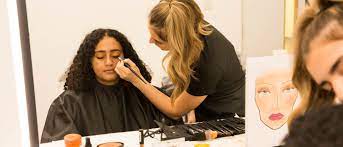
Introduction about SENIOR PROSTHETIC AND MEDIA MAKE UP ARTIST
A Senior Prosthetic and Media Makeup Artist is a highly skilled and experienced professional in the field of makeup artistry, specializing in creating complex and realistic makeup effects for various applications in the entertainment industry. This role involves the use of advanced techniques and materials to transform actors, models, or individuals into characters that may require special effects makeup, prosthetic pieces, or intricate makeup designs.
Here is a breakdown of key aspects of the role:
Expertise in Prosthetic Makeup: Senior Prosthetic and Media Makeup Artists are well-versed in the creation and application of prosthetic pieces, such as latex masks, silicone appliances, and other materials, to alter an individual's appearance dramatically. This can involve aging characters, creating creatures, or simulating injuries and deformities.
Media Makeup: These artists are proficient in creating makeup looks specifically designed for various media formats, including film, television, theater, and photography. They understand the nuances of how makeup appears on camera and adapt their techniques accordingly to achieve the desired visual effect.
Character Development: They play a crucial role in character development, working closely with directors, costume designers, and actors to ensure that the makeup enhances the overall portrayal of a character. This includes the design and application of makeup that complements the character's personality, story, and setting.
Creativity: Senior Prosthetic and Media Makeup Artists often need to think creatively to design and execute unique makeup concepts. This can involve researching and experimenting with new techniques and materials to achieve innovative looks.
Collaboration: Collaboration is key in this role. Makeup artists work closely with other members of the production team, such as costume designers, hairstylists, and special effects teams, to ensure a cohesive and visually striking final result.
Attention to Detail: Precision and attention to detail are paramount. These artists must create makeup looks that are both realistic and durable, even under the intense lights and long shooting hours common in the entertainment industry.
Sensitivity to Actors: Senior Prosthetic and Media Makeup Artists must also be sensitive to the needs and comfort of the actors and models they work with. The application and removal of prosthetic makeup can be time-consuming and potentially uncomfortable, so communication and empathy are essential skills.
How can I apply for admission to SENIOR PROSTHETIC AND MEDIA MAKE UP ARTIST Program
Admission to a Senior Prosthetic and Media Makeup Artist program typically involves several steps, and the specific requirements may vary depending on the institution offering the program. Here is a general guide on how to apply for admission to such a program:
Research Programs: Start by researching schools or institutions that offer Senior Prosthetic and Media Makeup Artist programs. Look for programs that are well-regarded and align with your career goals. This research can be done online, through school websites, or by contacting admissions offices.
Check Admission Requirements: Carefully review the admission requirements for the specific program you are interested in. These requirements can vary but might include the following:
High school diploma or equivalent (for undergraduate programs).
Previous makeup artistry or cosmetology experience may be beneficial.
A portfolio showcasing your makeup work (if applicable).
Letters of recommendation.
A resume detailing your relevant experience and skills.
Application fees (if required).
Prepare Your Portfolio: If a portfolio is required, put together a collection of your best makeup work. Include a variety of makeup styles, from beauty and special effects to prosthetic applications. Make sure your portfolio reflects your skills and creativity.
Write a Personal Statement: Some programs may require a personal statement or essay as part of the application. Use this opportunity to explain your passion for makeup artistry, your career goals, and why you're interested in the Senior Prosthetic and Media Makeup Artist program.
Submit Your Application: Complete the application form for the program, following the instructions provided by the institution. Ensure that all required documents, such as transcripts, letters of recommendation, and your portfolio, are included.
Pay Application Fees: If the program has an application fee, make sure to submit it along with your application. Fees can vary, so check the program's website for the exact amount and payment methods.
Attend an Interview or Audition: Some programs may require an interview or audition as part of the admission process. Be prepared to discuss your interest in makeup artistry and possibly demonstrate your skills.
Financial Aid and Scholarships: If you need financial assistance, inquire about available scholarships, grants, or financial aid options. Many institutions offer financial support to eligible students.
Submit Transcripts and Test Scores: If applicable, provide your high school or college transcripts and any required standardized test scores.
Follow Up: After submitting your application, follow up with the admissions office to confirm that your materials have been received and to check on the status of your application.
Acceptance: If you are accepted into the program, carefully review the acceptance letter, which will outline next steps, including tuition payment, registration, and orientation.
What is the eligibility for SENIOR PROSTHETIC AND MEDIA MAKE UP ARTIST
Eligibility criteria for a Senior Prosthetic and Media Makeup Artist program may vary from one institution to another, but here are some common requirements you might encounter when seeking admission to such a program:
Educational Background: Most programs require a high school diploma or its equivalent as a minimum educational requirement. Some programs may prefer applicants with prior coursework in makeup artistry, cosmetology, or a related field.
Experience or Prerequisite Courses: Some programs may require applicants to have a certain level of prior experience in makeup artistry or to have completed prerequisite courses in basic makeup techniques. This is particularly common for advanced programs.
Portfolio: Many programs, especially those at the senior or advanced level, will ask applicants to submit a portfolio showcasing their previous makeup work. Your portfolio should demonstrate your skills and creativity, including various makeup styles such as beauty makeup, special effects, and prosthetic applications.
Letters of Recommendation: Some programs may request letters of recommendation from individuals who can attest to your makeup skills, work ethic, and potential for success in the program.
Personal Statement or Interview: A personal statement or interview may be required as part of the application process. This allows you to explain your passion for makeup artistry, your career goals, and why you are interested in the program.
Audition or Practical Assessment: In some cases, you may be asked to demonstrate your makeup skills through an audition or practical assessment as part of the admission process.
Transcripts and Test Scores: If you have prior college coursework, you may need to provide transcripts. Standardized test scores may be required for certain programs, although this is less common in makeup artistry programs.
Age Requirements: Some programs may have age restrictions or requirements. Ensure that you meet the program's age eligibility criteria if they exist.
Language Proficiency: If the program is offered in a language other than your native language, you may need to demonstrate language proficiency through standardized tests like the TOEFL or IELTS.
Application Fee: Be prepared to pay an application fee, which is common for many programs. The amount can vary, so check the program's website for details.
How long does it takes to complete a SENIOR PROSTHETIC AND MEDIA MAKE UP ARTIST program
The duration of a Senior Prosthetic and Media Makeup Artist program can vary depending on several factors, including the level of the program (e.g., certificate, diploma, or degree), the institution offering the program, and the specific curriculum. Here are some general guidelines for the typical duration of such programs:
Certificate Programs: Certificate programs in Senior Prosthetic and Media Makeup Artistry are often shorter in duration and can typically be completed in approximately 3 to 12 months. These programs are designed for individuals who want to acquire specialized skills in a relatively short time.
Diploma Programs: Diploma programs tend to provide more comprehensive training than certificate programs. They typically last between 6 months to 2 years, with the specific length varying based on the program's curriculum and intensity.
Associate's Degrees: Some institutions offer Associate of Science (AS) or Associate of Applied Science (AAS) degrees in Makeup Artistry with a focus on prosthetic and media makeup. These programs typically take 2 years to complete, similar to other associate degree programs.
Bachelor's Degrees: If you pursue a Bachelor of Fine Arts (BFA) or a Bachelor of Science (BS) degree in Makeup Artistry with a specialization in prosthetic and media makeup, it will usually take around 4 years to complete, similar to a standard bachelor's degree program.
What are potential career opportunities after SENIOR PROSTHETIC AND MEDIA MAKE UP ARTIST
Completing a Senior Prosthetic and Media Makeup Artist program can open up a range of exciting career opportunities in the makeup and entertainment industries. Here are some potential career paths you can pursue after becoming a Senior Prosthetic and Media Makeup Artist:
Special Effects Makeup Artist: As a special effects makeup artist, you'll have the skills to create intricate and realistic makeup effects for film, television, theater, and other media. This can include aging characters, creating monsters, simulating injuries, and more.
Prosthetic Makeup Artist: You can specialize in prosthetic makeup, which involves the design and application of prosthetic pieces, such as masks, appliances, and molds, to transform actors into various characters, creatures, or beings. This role is highly specialized and in demand for fantasy and science fiction productions.
Character Makeup Artist: Work as a character makeup artist to develop makeup looks that bring fictional or historical characters to life. You may collaborate with costume designers and directors to ensure a cohesive and authentic portrayal of the characters.
Beauty Makeup Artist: Beauty makeup artists focus on enhancing the natural beauty of individuals for various media, including fashion shoots, bridal makeup, and commercial work. You can work in the fashion industry, editorial photography, or as a freelance makeup artist.
Film and Television Makeup Artist: Become a makeup artist for film and television productions, working on sets to create and maintain makeup looks for actors. Your skills in media makeup will be highly valuable in this role.
Theater Makeup Artist: Work in the world of theater, where you can create makeup looks for stage productions, including musicals, plays, and opera. Theater makeup often requires different techniques and considerations compared to film and television.
Photographic Makeup Artist: Specialize in makeup for photography, including fashion shoots, editorial work, and advertising campaigns. Your skills in creating makeup looks that photograph well will be in demand in this field.
Freelance Makeup Artist: Many makeup artists choose to work as freelancers, providing makeup services for various clients, such as brides, models, actors, and individuals in need of makeup for special events.
Educator or Trainer: If you have extensive experience and knowledge in prosthetic and media makeup, you can teach others by becoming an educator or trainer at a makeup school or workshop.
SFX Makeup Designer: Move into a more creative and leadership role as an SFX makeup designer, responsible for conceptualizing and overseeing the creation of special effects makeup designs for an entire production.
Brand Ambassador or Product Developer: Work with makeup brands as a brand ambassador, product developer, or makeup artist for product launches and promotions. Your expertise can be valuable in the beauty industry.
Beauty Blogger or Influencer: If you have a passion for makeup and a talent for creating engaging content, you can become a beauty blogger or influencer, sharing makeup tutorials, reviews, and tips with a wide audience.
Syllabus of SENIOR PROSTHETIC AND MEDIA MAKE UP ARTIST
The specific syllabus for a Senior Prosthetic and Media Makeup Artist program can vary from one institution to another, but I can provide a general overview of the topics and subjects typically covered in such programs. Keep in mind that more advanced or specialized programs may offer additional, in-depth coursework. Here is a sample syllabus:
Introduction to Makeup Artistry
History and evolution of makeup
Makeup tools and products
Hygiene and safety practices
Color theory and skin tones
Beauty Makeup Techniques
Foundation application
Contouring and highlighting
Eyebrow shaping and grooming
Eyeshadow techniques
Lip makeup
Bridal and special event makeup
Special Effects (SFX) Makeup
Introduction to special effects makeup
Aging makeup
Injury and wound simulation
Fantasy and character makeup
Creation and application of prosthetic pieces
Use of materials like latex, silicone, and gelatin
Prosthetic Makeup Design
Prosthetic piece design and sculpting
Mold-making techniques
Application of prosthetic pieces
Blending and coloring prosthetic applications
Creating realistic wounds, scars, and creatures
Media Makeup Techniques
Understanding makeup for different media (film, television, theater, photography)
Makeup for various lighting conditions
High-definition makeup
Period and historical makeup
Editorial and fashion makeup
Character Development
Working with directors and costume designers
Research and conceptualization of character makeup
Transforming actors into characters
Collaboration in the creative process
Prosthetic Application and Removal
Techniques for applying and blending prosthetic pieces
Safely removing prosthetic makeup
Maintenance and touch-ups during production
Makeup for Different Genres
Horror and sci-fi makeup
Fantasy and mythological makeup
Aging and character makeup
Animal and creature makeup
Advanced Techniques
Airbrush makeup
Body painting
Tattoo and body art
Bald cap application
Non-toxic adhesive and removal techniques
Portfolio Development
Building a professional makeup artist portfolio
Collaboration with models and photographers
Capturing makeup looks for portfolio presentation
Business and Professional Skills
Starting and marketing a makeup artistry business
Networking and client management
Rates and pricing strategies
Ethics and professionalism in the industry
Practical Experience
Internships, apprenticeships, or on-set experience to apply acquired skills in real-world scenarios
Opportunities to work on productions, photoshoots, or events
Industry Trends and Innovation
Staying up-to-date with the latest makeup products, tools, and techniques
Exploring emerging trends in makeup artistry
Internship opportunities after completing SENIOR PROSTHETIC AND MEDIA MAKE UP ARTIST
After completing a Senior Prosthetic and Media Makeup Artist program, securing an internship can be an excellent way to gain practical experience, build your professional network, and enhance your skills. Internships in this field can provide you with opportunities to work on real-world productions, collaborate with industry professionals, and gain insight into the entertainment and beauty industries. Here are some potential internship opportunities:
Film and Television Production Companies: Many film and television production companies offer internships for makeup artists. You can work on sets, assist with character makeup, and gain experience in the fast-paced world of on-screen makeup.
Theater Companies: Local and regional theater companies often provide makeup artist internships, allowing you to work on theatrical productions, from musicals to dramatic plays.
Special Effects Studios: Studios specializing in special effects makeup and prosthetics may offer internships. This is an excellent opportunity to learn advanced techniques and work on creating realistic special effects.
Makeup Schools and Studios: Consider interning at makeup schools or studios that offer training programs. You can assist with classes, workshops, and special events, gaining experience in education and hands-on training.
Makeup Brands and Retailers: Some makeup brands and retail stores offer internships related to product development, marketing, or special events. These opportunities can provide insights into the beauty industry and the latest makeup trends.
Freelance Makeup Artists: Collaborating with experienced freelance makeup artists can be a valuable internship experience. You can assist with clients, observe their techniques, and learn about the business side of makeup artistry.
Theater and Film Schools: Interning at universities or institutions with theater or film programs can give you access to student productions where you can apply your makeup skills.
Cosmetic Laboratories: If you have an interest in the science behind makeup, consider interning at cosmetic laboratories, where you can gain insights into the formulation and production of makeup products.
Event Companies: Event planning and management companies may have opportunities for makeup artists to work on makeup for fashion shows, weddings, and special events.
Photography Studios: Interning at photography studios can allow you to collaborate with photographers and models, gaining experience in makeup for photoshoots and editorial work.
To find internship opportunities, you can:
Search for job and internship postings on industry-specific websites and job boards.
Reach out to local makeup artists, studios, and companies to inquire about potential internships.
Utilize your school's career services or placement office for assistance in finding internships.
Attend industry events, trade shows, and networking events to make connections and learn about available opportunities.
Scholarship and grants for SENIOR PROSTHETIC AND MEDIA MAKE UP ARTIST
Scholarships and grants are valuable sources of financial support for individuals pursuing a Senior Prosthetic and Media Makeup Artist program. While the availability of specific scholarships may vary based on your location and the institution you plan to attend, there are several general scholarship and grant options you can explore:
Institutional Scholarships: Many colleges and makeup artistry schools offer their own scholarships and grants to students pursuing makeup artistry programs. Check the school's financial aid office or website for information on available scholarships.
Government Grants and Aid: Depending on your country of residence, government grants and financial aid programs may be available to support education and vocational training. These can help cover the costs of your makeup artist program.
Industry Associations and Organizations: Various makeup artist associations and industry organizations may provide scholarships or grants to support students in their pursuit of makeup artistry careers. Examples include the Makeup Artists and Hair Stylists Guild (MUAHS) and the Professional Beauty Association (PBA).
Cosmetic Brands and Beauty Companies: Some cosmetics brands and beauty companies offer scholarships or grants to aspiring makeup artists. These opportunities may be tied to brand-sponsored educational programs.
Special Effects and Prosthetic Makeup Scholarships: Specific scholarships may be available for students focusing on special effects and prosthetic makeup. These are often awarded by institutions or organizations that emphasize these specialized skills.
Diversity and Inclusion Scholarships: Some organizations and institutions offer scholarships aimed at promoting diversity and inclusion in the makeup industry. These scholarships may be available to students from underrepresented backgrounds.
Local and Community Scholarships: Local businesses, community organizations, and foundations in your area may provide scholarships for students pursuing vocational or artistic programs.
Professional Makeup Artist Schools: If you're attending a specialized makeup artist school, inquire about scholarships and grants they may offer to their students.
Online Scholarship Databases: Websites like Fastweb, Scholarships.com, and Cappex allow you to search for scholarships based on various criteria, including your field of study.
Financial Aid from FAFSA: If you're pursuing a makeup artist program at a college or university, complete the Free Application for Federal Student Aid (FAFSA) to determine your eligibility for federal grants and financial aid.
Conclusion
In summary, a Senior Prosthetic and Media Makeup Artist is a master of their craft, specializing in the art of makeup for the entertainment industry. They have a deep understanding of both the technical and artistic aspects of makeup, enabling them to bring characters to life on screen and stage with authenticity and creativity.
FAQ's
What is a Senior Prosthetic and Media Makeup Artist?
A Senior Prosthetic and Media Makeup Artist is a highly skilled professional in makeup artistry who specializes in creating complex and realistic makeup effects for various applications in the entertainment industry, such as film, television, theater, and photography.
How can I become a Senior Prosthetic and Media Makeup Artist?
To become a Senior Prosthetic and Media Makeup Artist, you typically need to complete a specialized makeup artistry program that offers advanced training in prosthetic makeup and media makeup techniques. You may also need to gain practical experience through internships or apprenticeships.
What does the curriculum of a Senior Prosthetic and Media Makeup Artist program include?
The curriculum usually covers a wide range of topics, including beauty makeup, special effects makeup, prosthetic makeup, media makeup, character development, and business skills. It may also include hands-on training and practical experience.
What are the career opportunities after completing a Senior Prosthetic and Media Makeup Artist program?
Graduates can pursue careers in film and television, theater, special effects studios, makeup schools, cosmetics brands, and as freelance makeup artists. They can work in roles such as special effects makeup artist, character makeup artist, beauty makeup artist, and more.
Are there scholarships or financial aid options for Senior Prosthetic and Media Makeup Artist programs?
Yes, there are scholarships and grants available for students pursuing makeup artistry programs, including those specializing in prosthetic and media makeup. These financial aid options may be offered by institutions, industry associations, and cosmetic brands.
What is the typical duration of a Senior Prosthetic and Media Makeup Artist program?
The duration can vary, but certificate programs often take 3 to 12 months, diploma programs can take 6 months to 2 years, associate's degrees take 2 years, and bachelor's degrees take 4 years. The specific length depends on the program and institution.
Do I need a portfolio to apply for a Senior Prosthetic and Media Makeup Artist program?
Some programs may require a portfolio showcasing your previous makeup work, especially if they offer advanced or specialized training. A portfolio can demonstrate your skills and creativity.
What are the internship opportunities after completing a Senior Prosthetic and Media Makeup Artist program?
Internship opportunities can be found with film and television production companies, theater companies, special effects studios, makeup brands, and freelance makeup artists. Internships provide valuable hands-on experience in the industry.
What is the salary potential for Senior Prosthetic and Media Makeup Artists?
Salary can vary widely based on factors such as location, experience, and specialization. Senior makeup artists in the entertainment industry can earn competitive salaries, especially if they have a strong portfolio and reputation.
What are the key skills and qualities of a successful Senior Prosthetic and Media Makeup Artist?
Important skills and qualities include creativity, attention to detail, adaptability, communication, empathy, collaboration, and a deep understanding of makeup techniques and materials.
How Shiksha Hub helps you in
-
 Student Counsellors
 -
 Career Counseling
 -
 Research
 -
 24/7 Support
 -
 Scholarships
 -
 Community