Posted by Admin on 10-07-2023 in Shiksha hub
Set Carpenter Admission, Registration, Eligibility, Duration, Fees, Syllabus 2024
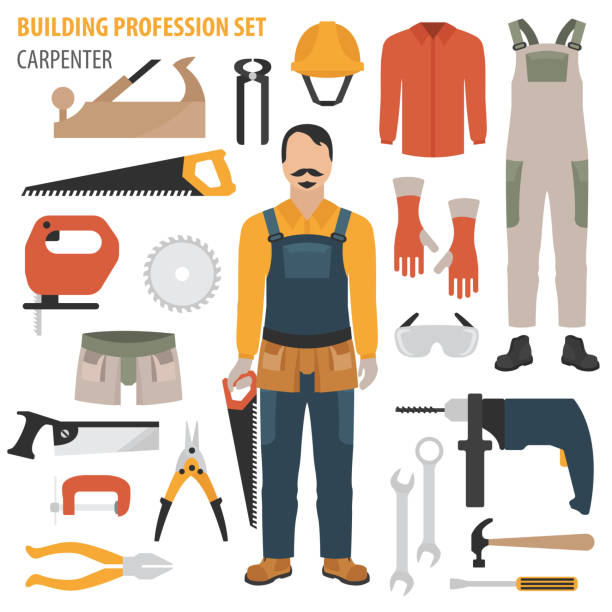
Introduction about SET CARPENTER
"Set Carpenter" is a term typically associated with the film and theater industry. Set carpenters play a crucial role in the construction and installation of the physical sets and scenery used in movies, television productions, and stage performances. They are skilled professionals who work closely with production designers, art directors, and other members of the production team to bring the creative vision of a production to life.
Here is an introduction to the role of a Set Carpenter:
Role of a Set Carpenter: Set carpenters are responsible for building, assembling, and installing various elements of a set, such as walls, platforms, furniture, and props. They work with a variety of materials, including wood, metal, and other construction materials, and are skilled in using a range of tools and equipment to create the required set pieces.
Key Responsibilities:
Reading Blueprints and Designs: Set carpenters often start by studying blueprints, design plans, and drawings to understand the specifications and requirements of the set.
Construction: They use their carpentry skills to construct the necessary set pieces, ensuring that they are sturdy, safe, and aesthetically pleasing.
Assembly: Set carpenters may assemble and disassemble sets as needed for different scenes or productions, making sure that everything fits together seamlessly.
Installation: They work alongside other members of the production team to install the set on the stage or location where filming or performances take place.
Repairs and Maintenance: Set carpenters are also responsible for maintaining and repairing set pieces as required, especially during long theatrical runs or extended filming schedules.
Safety: Safety is a top priority, and set carpenters must ensure that all set pieces are built and installed securely to protect the actors and crew during performances or filming.
Skills and Qualifications: To excel in the role of a set carpenter, one needs a combination of carpentry skills, technical knowledge, and creativity. They should be proficient in woodworking and construction techniques and have a good understanding of materials and tools commonly used in set construction. Attention to detail, problem-solving abilities, and the ability to work well in a team are also essential qualities for a set carpenter.
How can I apply for admission to SET CARPENTER Program
To apply for admission to a Set Carpenter program, you will need to follow specific steps that may vary depending on the institution or organization offering the program. Here are some general steps to help you get started:
Research Programs: Start by researching different institutions or organizations that offer Set Carpenter programs. Look for schools, colleges, vocational training centers, or apprenticeship programs that provide training in carpentry for the entertainment industry. Ensure that the program aligns with your career goals and provides the necessary skills and knowledge for becoming a set carpenter.
Check Admission Requirements: Each program may have its own admission requirements, which can include educational prerequisites, age restrictions, and specific application materials. Check the program's official website or contact the admissions office to find out the exact requirements.
Prepare Required Documents: Gather the necessary documents for your application. Common application materials may include:
High school diploma or equivalent (for some programs)
Application form
Resume or CV highlighting relevant experience, if applicable
Letters of recommendation
Personal statement or essay expressing your interest in becoming a set carpenter
Portfolio or examples of past carpentry or woodworking projects, if available
Application Submission: Complete the application form and submit all required documents to the institution or program according to their guidelines. Ensure that you meet application deadlines.
Interview or Audition: Some programs may require an interview or audition as part of the application process. Be prepared to discuss your interests, experiences, and goals related to set carpentry.
Financial Aid and Scholarships: Explore financial aid options and scholarships that may be available to help cover the cost of your education or training. Many institutions offer financial assistance to eligible students.
Acceptance and Enrollment: If you are accepted into the Set Carpenter program, you will receive an acceptance letter or notification. Follow the instructions provided for enrollment, which may include submitting a deposit or completing additional paperwork.
Orientation: Attend any orientation sessions or workshops offered by the program to get acclimated and understand what to expect during your training.
Begin Training: Once you're enrolled, start your Set Carpenter training. This may involve a combination of classroom instruction and hands-on practical experience.
Networking: While in the program, take the opportunity to network with instructors and peers, as connections in the entertainment industry can be valuable for your future career.
What is the eligibility for SET CARPENTER
Eligibility requirements for becoming a Set Carpenter can vary depending on the specific program, institution, or employer you are interested in. However, here are some general guidelines and qualifications that can make you eligible for a Set Carpenter position:
Educational Requirements:
High School Diploma or Equivalent: Many Set Carpenter programs or job openings may require a high school diploma or its equivalent as a minimum educational requirement. Some positions may have more advanced educational prerequisites.
Carpentry Skills and Experience:
Carpentry Skills: You should have a strong foundation in carpentry skills, including knowledge of woodworking, construction techniques, and the safe use of carpentry tools.
Practical Experience: While formal training is beneficial, practical experience in carpentry through apprenticeships, internships, or on-the-job training can also be valuable.
Training or Education:
Vocational Training: Many aspiring Set Carpenters choose to enroll in vocational or technical programs that specifically offer training in set construction and carpentry for the entertainment industry.
Apprenticeships: Some individuals gain experience through apprenticeship programs or by working alongside experienced Set Carpenters on film or theater productions.
Portfolio or Work Samples:
Having a portfolio of past carpentry or set construction projects can be an advantage when applying for Set Carpenter positions or educational programs. This demonstrates your practical skills and capabilities.
Physical Fitness:
Set Carpenters often perform physically demanding tasks, such as lifting heavy materials and working in various physical conditions. Being physically fit and able to handle the rigors of the job is important.
Safety Training:
Knowledge of safety protocols and practices is crucial, as Set Carpenters must work in a safe manner to protect themselves and others on set.
Communication and Teamwork Skills:
Set Carpenters work closely with production teams, designers, and other crew members. Strong communication and teamwork skills are essential to collaborate effectively and bring a production's creative vision to life.
Problem-Solving Skills:
The ability to solve problems on the spot, adapt to changing requirements, and make quick decisions is highly valuable in this role.
Legal Eligibility:
Depending on your location and the nature of the work, you may need to be legally eligible to work in the entertainment industry, which can include age and work permit requirements for minors.
Certifications (if applicable):
Some programs or employers may require specific certifications or licenses related to carpentry or construction. Check with the relevant organization or program for any certification requirements.
How long does it takes to complete a SET CARPENTER program
The duration of a Set Carpenter program can vary depending on several factors, including the type of program, the level of training, and the specific curriculum offered by the institution or organization. Here are some common types of Set Carpenter programs and their typical durations:
Vocational or Technical Schools:
A vocational or technical school program dedicated to set carpentry may last anywhere from a few months to a year. These programs often provide hands-on training and focus on the practical skills required for set construction.
Apprenticeships:
An apprenticeship in set carpentry can vary in length but typically lasts from 2 to 4 years. During an apprenticeship, you work alongside experienced Set Carpenters while receiving on-the-job training and mentorship.
College or University Programs:
Some colleges or universities offer formal degree or certificate programs related to theater or film production, which may include coursework in set carpentry. The duration of these programs can range from 1 to 4 years, depending on the level of the degree or certificate pursued.
Short-Term Workshops or Intensive Training:
Some organizations and training centers offer short-term workshops or intensive training programs that can be completed in a matter of weeks or a few months. These programs are designed for individuals who want to gain specific skills quickly.
On-the-Job Training:
In some cases, individuals may start as laborers or assistant carpenters on film or theater productions and gradually work their way up to Set Carpenter positions. This path can take several years to gain the necessary skills and experience.
The specific duration of a Set Carpenter program can also be influenced by factors such as the depth of the curriculum, the number of training hours, and whether the program is full-time or part-time. Additionally, the pace at which you progress through the program or training can be affected by your prior experience and skill level.
What are potential career opportunities after SET CARPENTER
Becoming a Set Carpenter can open the door to a range of exciting career opportunities in the entertainment industry and related fields. Here are some potential career paths and opportunities that Set Carpenters can pursue:
Set Carpenter: The most direct career path is to work as a Set Carpenter, constructing, assembling, and installing sets for film, television, and theater productions. Set Carpenters play a crucial role in bringing creative visions to life and ensuring the physical sets are functional, safe, and aesthetically pleasing.
Lead Set Carpenter: With experience, Set Carpenters can advance to become Lead Set Carpenters or Set Construction Coordinators. In these roles, they are responsible for overseeing the entire set construction process, managing teams of carpenters, and ensuring that sets are completed according to design specifications and deadlines.
Art Director: Some Set Carpenters transition into roles as Art Directors. Art Directors are responsible for the overall visual style and design of a production. They work closely with production designers and may have a say in the choice of set materials, colors, and overall aesthetics.
Production Designer: A Set Carpenter with a strong artistic and creative background may aspire to become a Production Designer. These professionals are responsible for the entire visual concept of a production, including sets, props, and costumes. They collaborate with directors to create the overall look and feel of a project.
Stage Manager: Set Carpenters who have experience in theater may find opportunities in stage management. Stage Managers oversee all aspects of a live performance, including coordination with actors, crew, and ensuring smooth set changes and scene transitions.
Prop Master: Set Carpenters with a specific interest in props and their construction may transition to the role of a Prop Master. Prop Masters are responsible for selecting, creating, and maintaining props used in productions.
Scenic Designer: Set Carpenters with strong design skills may explore careers as Scenic Designers. They create the visual concept for a production's scenery, collaborating with directors and producers to bring artistic visions to life.
Special Effects Technician: Set Carpenters with an interest in special effects may pursue careers as Special Effects Technicians. They are responsible for creating and implementing special effects, such as explosions, smoke, and mechanical props, to enhance the visual impact of productions.
Carpentry and Construction Management: Experienced Set Carpenters can transition into roles that involve managing construction projects in various industries, applying their project management and carpentry skills.
Teaching and Training: Some Set Carpenters become educators, teaching carpentry and set construction to the next generation of professionals in vocational schools or as instructors in theater and film programs.
Freelance Work: Many Set Carpenters work as freelancers, taking on short-term contracts on various productions. This provides flexibility and the opportunity to work on a wide range of projects.
Entrepreneurship: Set Carpenters with entrepreneurial aspirations can start their own set construction companies or businesses related to the entertainment industry.
Syllabus of SET CARPENTER
The syllabus for a Set Carpenter program can vary depending on the institution, program type, and the level of training provided. However, I can provide a general overview of the topics and subjects that are typically covered in a Set Carpenter program. Keep in mind that the specific content and order of courses may differ, so it's essential to review the curriculum of the program you are interested in. Here is a sample syllabus:
Course 1: Introduction to Set Carpentry
Overview of the entertainment industry and the role of Set Carpenters
Basic safety practices and protocols
Introduction to tools and equipment used in set construction
Reading and interpreting blueprints and design plans
Course 2: Woodworking Fundamentals
Wood types and selection
Measurement and layout techniques
Cutting, shaping, and joining wood
Building simple wooden structures and props
Course 3: Set Construction Techniques
Frame construction for sets and platforms
Wall and panel construction
Flooring and stage construction
Rigging and hanging set pieces
Course 4: Materials and Finishes
Understanding different materials used in set construction, including wood, metal, and plastics
Surface finishes, painting, and texturing techniques
Faux finishes for creating realistic scenery
Material handling and storage practices
Course 5: Props and Special Effects
Building and assembling props
Mechanical and practical effects
Use of special materials and techniques for creating props
Safety considerations for working with props and effects
Course 6: Set Installation and Strikes
Techniques for installing and dismantling sets efficiently
Coordination with other production crew members
On-set safety practices and procedures
Problem-solving and adaptability during productions
Course 7: Industry Standards and Regulations
Understanding industry-specific regulations and codes
Workplace safety and health regulations
Environmental considerations in set construction
Legal and ethical responsibilities of Set Carpenters
Course 8: Computer-Aided Design (CAD) for Set Design
Introduction to CAD software for set design
Creating digital models and plans
Collaborating with designers and other team members using CAD
Course 9: Advanced Set Carpentry Techniques (Optional)
Advanced framing and construction techniques
Custom scenic elements and complex set designs
Innovations and trends in set construction
Portfolio development
Course 10: Internship or Practical Experience
Hands-on experience working on actual film, television, or theater productions
Gaining practical skills and networking opportunities
Demonstrating competence in set carpentry
Course 11: Professional Development and Career Skills
Resume and portfolio development
Interview and job-seeking skills
Industry networking and career advancement strategies
Overview of union membership and apprenticeships, if applicable
Internship opportunities after completing SET CARPENTER
After completing a Set Carpenter program or gaining some experience in set carpentry, pursuing an internship can be an excellent way to further your skills, gain hands-on experience, and make valuable industry connections. Here are some internship opportunities that may be available to you as a Set Carpenter:
Film and Television Productions:
Many film and television productions offer internships to individuals interested in set carpentry. These internships may provide the chance to work on real sets and learn from experienced professionals. Look for opportunities with local production companies or studios.
Theater Productions:
The theater industry often offers internships for set carpenters. These internships may involve working on the construction and installation of stage sets for various productions, including plays, musicals, and other live performances.
Entertainment Industry Organizations:
Industry organizations and associations related to film, television, and theater may offer internship programs. These organizations often have connections with production companies and can provide internship opportunities in various aspects of the industry, including set carpentry.
Production Design Firms:
Production design and art direction firms may offer internships for those interested in working as Set Carpenters. These internships can provide experience in creating sets for a variety of visual media.
Event Production Companies:
Event production companies often require set construction and may offer internships for individuals interested in building sets for events, trade shows, conventions, and other live experiences.
Museums and Exhibits:
Some museums and exhibit companies require set carpentry skills for creating displays and exhibits. Look for internship opportunities in these settings to gain experience with different types of projects.
Scenic Studios and Workshops:
Scenic studios or workshops that specialize in set construction for the entertainment industry may provide internship opportunities. These settings offer hands-on experience in creating and assembling sets.
Educational Institutions:
Colleges, universities, and vocational schools with theater or film programs may offer internships in their scene shops or set construction departments. This can be a great way to work on educational productions and gain experience.
Union and Apprenticeship Programs:
If you are a member of a carpenters' union or have completed an apprenticeship program, they may assist you in finding internship opportunities within the industry.
Freelance Opportunities: Consider seeking freelance or temporary internships with production companies, which can be more common in the entertainment industry. Reach out to production coordinators or other Set Carpenters to express your interest in assisting with specific projects.
Scholarship and grants for SET CARPENTER
While scholarships and grants for Set Carpenters specifically may be limited, there are various financial aid opportunities available to individuals pursuing education or training in related fields, such as carpentry, theater, film production, or construction. Here are some potential sources of financial assistance:
Educational Institutions: Colleges, universities, and vocational schools that offer Set Carpenter programs may have general scholarships or grants available to students in theater, film, or construction-related programs. Contact the financial aid office of your chosen institution for information.
Industry Associations: Some industry associations, such as those related to theater, film, or carpentry, may offer scholarships to students pursuing careers in these fields. Examples include the United Brotherhood of Carpenters and Joiners of America or theater-related associations.
Local or Community Scholarships: Many local organizations, businesses, and foundations provide scholarships to students from the area. Check with local community groups, theaters, or construction-related businesses for opportunities.
Trade Unions: If you are part of a carpenters' union or related trade union, they may offer scholarships or financial assistance to members or their dependents pursuing education or training in the field.
Production Companies and Studios: Some film and television production companies and studios offer scholarships or grants to individuals pursuing careers in the entertainment industry. These opportunities may be limited, but it's worth checking with well-established companies.
Nonprofit Organizations: Some nonprofit organizations focused on the arts or vocational training may provide financial assistance to individuals pursuing careers in theater or set carpentry. Look for organizations that align with your career goals and check their scholarship offerings.
Government Grants and Aid: In some regions, government agencies or departments may offer grants, loans, or financial aid programs for students pursuing vocational or technical education. Check with your local or national government's education department for details.
Online Scholarship Databases: Websites and scholarship databases like Fastweb, Scholarship.com, and the U.S. Department of Labor's Scholarship Search can help you find scholarships related to your field of study or career goals.
Foundation Scholarships: Some foundations, both national and regional, offer scholarships for students pursuing careers in the arts, construction, or related fields. Research foundations that match your career interests.
Financial Aid Offices: Reach out to the financial aid offices of educational institutions where you plan to enroll. They can provide information on institution-specific scholarships and grants, as well as guidance on federal financial aid programs.
When searching for scholarships and grants, consider your background, academic achievements, financial need, and career aspirations. It's also essential to meet application deadlines and provide all required documentation. Additionally, some scholarships may have specific eligibility criteria, such as GPA requirements, essays, or letters of recommendation. Carefully review the eligibility and application requirements for each opportunity you apply for.
Conclusion
In conclusion, the role of a Set Carpenter is pivotal in the world of film, television, and theater production. These skilled professionals are responsible for crafting and assembling the physical sets that bring the director's vision to life. Their meticulous attention to detail, creativity, and technical expertise contribute significantly to the overall success of a productio
FAQ's
What does a Set Carpenter do?
A Set Carpenter is responsible for constructing, assembling, and installing the physical sets and scenery used in film, television, and theater productions. They work with a variety of materials and tools to create the sets as designed by production teams.
What skills are essential for a Set Carpenter?
Essential skills include carpentry and woodworking skills, knowledge of construction techniques, the ability to read blueprints, proficiency with carpentry tools, problem-solving, attention to detail, and strong communication and teamwork skills.
How can I become a Set Carpenter?
You can become a Set Carpenter by enrolling in a vocational or technical program that offers training in set carpentry, gaining practical experience through internships or apprenticeships, or starting as a laborer on production sets and working your way up.
Are there specific educational requirements for Set Carpenters?
While a high school diploma or equivalent may be the minimum requirement for some positions, there are no strict educational requirements. Practical experience and training are often more critical.
What types of productions do Set Carpenters work on?
Set Carpenters work on a wide range of productions, including movies, TV shows, live theater productions, concerts, events, exhibitions, and more. They contribute to the creation of sets and scenery in various entertainment and live performance settings.
Is safety important for Set Carpenters?
Yes, safety is a top priority for Set Carpenters. They must adhere to safety protocols and practices to protect themselves and others while working on sets. Proper handling of tools, materials, and equipment is crucial.
What career opportunities are available for Set Carpenters?
Career opportunities include roles as Set Carpenters, Lead Set Carpenters, Art Directors, Production Designers, Stage Managers, Prop Masters, and more. Set Carpenters can also explore careers in event production, construction management, and special effects.
Are there scholarships or financial aid available for Set Carpenter programs?
While there may not be specific scholarships for Set Carpenters, there are general scholarships and grants available for students pursuing careers in related fields, such as theater, film, construction, or carpentry. You can search for financial aid opportunities through educational institutions, industry associations, and government programs.
How long does it take to complete a Set Carpenter program?
The duration of a Set Carpenter program can vary, but it typically ranges from a few months for short-term training to several years for apprenticeship programs. College and vocational programs may last one to four years, depending on the level of education.
Where can I find internship opportunities as a Set Carpenter?
Internship opportunities can be found in film and TV productions, theater productions, event production companies, industry organizations, museums, and scenic studios. Networking, checking with local theaters and companies, and utilizing online job search platforms can help you find internships.
How Shiksha Hub helps you in
-
 Student Counsellors
 -
 Career Counseling
 -
 Research
 -
 24/7 Support
 -
 Scholarships
 -
 Community