Posted by Admin on 10-07-2023 in Shiksha hub
Sewing Machine Operator (Saddlery) Admission, Registration, Eligibility, Duration, Fees, Syllabus 2024
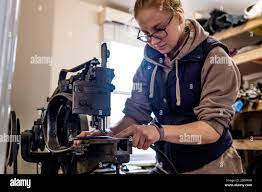
Introduction about SEWING MACHINE OPERATOR ( SADDLERY)
A Sewing Machine Operator in the context of saddlery is a skilled professional who specializes in using sewing machines to create and repair various leather and fabric products associated with saddles, equestrian gear, and other related equipment. This role is crucial in the production and maintenance of saddlery items, as it requires a combination of craftsmanship and technical expertise.
Here is an introduction to the Sewing Machine Operator (Saddlery):
Role and Responsibilities:
Sewing Expertise: Sewing Machine Operators in saddlery are highly skilled in operating industrial sewing machines. They are responsible for stitching and assembling various components of saddles, bridles, harnesses, saddlebags, and other equestrian accessories. The quality of their stitching is critical to the safety and durability of these products.
Material Knowledge: These operators work with a variety of materials, including leather, canvas, and synthetic fabrics. They must be knowledgeable about the properties of different materials and understand how to select the appropriate thread and needle types for each task.
Pattern Reading: Saddlery sewing machine operators often work from patterns or templates, so they need to be proficient in reading and interpreting patterns and instructions. Precision and attention to detail are essential to ensure the final product meets the required specifications.
Repair and Maintenance: In addition to the production of new items, operators may also be responsible for repairing and maintaining saddlery products. This can involve patching, reinforcing, or replacing damaged components to extend the lifespan of these items.
Quality Control: Ensuring the quality and integrity of the final product is a fundamental part of the job. Sewing Machine Operators must inspect their work for any defects or irregularities and make necessary adjustments to meet the desired standards.
Machine Maintenance: They are responsible for the regular maintenance and upkeep of the sewing machines they operate. This includes cleaning, oiling, and troubleshooting any technical issues that may arise during their work.
Skills and Qualifications: To be successful in this role, a Sewing Machine Operator (Saddlery) typically possesses the following skills and qualifications:
Proficiency in using industrial sewing machines.
Knowledge of different types of materials, particularly leather.
Attention to detail and precision in sewing.
The ability to read and interpret patterns and instructions.
Strong hand-eye coordination.
Problem-solving skills for machine maintenance and repair.
A keen eye for quality control.
Patience and perseverance to tackle complex stitching tasks.
Experience or training in saddlery or a related field is often beneficial.
How can I apply for admission to SEWING MACHINE OPERATOR ( SADDLERY) Program
To apply for admission to a Sewing Machine Operator (Saddlery) program, you will typically need to follow specific steps, including researching available programs, preparing your application materials, and meeting any admission requirements. Here's a general guide on how to apply:
Research Programs: Start by researching educational institutions or training centers that offer Sewing Machine Operator (Saddlery) programs. Look for programs that match your interests, location preferences, and budget.
Check Admission Requirements: Each program may have its specific admission requirements, which can include educational prerequisites, age restrictions, and language proficiency. Ensure that you meet all these requirements before applying.
Application Form: Once you've identified a program you want to apply to, complete the program's application form. This form will typically ask for your personal information, educational background, and contact details. You may find these forms on the institution's website or by contacting their admissions office.
Application Fee: Some programs may require an application fee. Make sure to pay the fee as per the program's instructions, if applicable.
Transcripts and Certificates: Provide your educational transcripts and certificates as required. This may include high school diplomas or equivalent certificates. Ensure that you provide certified copies or official transcripts as per the program's instructions.
Letters of Recommendation: Some programs may request letters of recommendation from teachers, employers, or professionals who can vouch for your aptitude and suitability for the program. Ensure that you follow the program's guidelines for submitting these letters.
Resume or CV: Prepare a resume or curriculum vitae (CV) that highlights any relevant work experience, skills, or previous training in sewing, saddlery, or related fields. This can demonstrate your commitment and preparedness for the program.
Personal Statement or Essay: Some programs may require a personal statement or essay where you explain your interest in becoming a Sewing Machine Operator (Saddlery), your goals, and how the program aligns with your aspirations. Make sure to follow any word limits or prompts provided.
Interview or Assessment: Be prepared for an interview or assessment if the program requires it. This might involve demonstrating your sewing skills or discussing your motivations for pursuing this career path.
Submit Application: Send your application materials to the institution by the specified deadline. Ensure that you have completed all the necessary steps and included all required documents.
Financial Aid and Scholarships: If you require financial assistance, explore scholarship opportunities, grants, or student loans that may be available to you. Contact the financial aid office of the institution for guidance.
Wait for Admission Decision: Once you've submitted your application, you'll need to wait for the admission committee to review your materials. Be patient, and be prepared to receive an admission decision, which could be an acceptance, rejection, or waitlist status.
Acceptance and Enrollment: If you receive an acceptance letter, follow the instructions to enroll in the program. This may involve paying an enrollment deposit, registering for classes, and other administrative steps.
What is the eligibility for SEWING MACHINE OPERATOR ( SADDLERY)
Eligibility requirements for a Sewing Machine Operator (Saddlery) program can vary depending on the institution or training center offering the program. These requirements are typically designed to ensure that applicants have the necessary skills and qualifications to succeed in the program. While specific eligibility criteria may vary, here are some common requirements:
Education: Most Sewing Machine Operator (Saddlery) programs do not have strict educational prerequisites, and they often welcome applicants from diverse educational backgrounds. High school graduation or an equivalent diploma is usually sufficient, but some programs may require a minimum age to enroll.
Language Proficiency: Depending on the language of instruction, you may need to demonstrate proficiency in that language. If the program is offered in a language other than your native language, you might be required to provide proof of language proficiency through tests like the TOEFL or IELTS.
Interest and Passion: An interest in sewing, saddlery, or related fields is essential. Admissions committees may look for applicants who can demonstrate their genuine interest in pursuing a career as a Sewing Machine Operator (Saddlery) through their personal statement or interview.
Sewing Skills: While not always a strict requirement, having some basic sewing skills or experience can be advantageous. Some programs may require applicants to demonstrate their sewing abilities or take a sewing skills assessment during the admission process.
Letters of Recommendation: Some programs may ask for letters of recommendation from teachers, employers, or professionals who can vouch for your suitability for the program. These letters should speak to your work ethic, dedication, and potential in the field.
Resume or CV: Prepare a resume or curriculum vitae (CV) that highlights any relevant work experience, skills, or previous training in sewing, saddlery, or related fields. This can strengthen your application.
Interview or Assessment: Be prepared for an interview or skills assessment as part of the admission process. This may involve demonstrating your sewing skills, discussing your motivations for pursuing this career, and explaining how the program aligns with your goals.
Age Requirements: Some programs may have age requirements or restrictions, especially if they are part of vocational or apprenticeship programs. Ensure that you meet any age-related criteria if they apply.
How long does it takes to complete a SEWING MACHINE OPERATOR ( SADDLERY) program
The duration of a Sewing Machine Operator (Saddlery) program can vary depending on several factors, including the type of program, its level, and the specific curriculum offered by the institution or training center. Typically, the duration can range from a few weeks to a few months. Here are some common types of programs and their estimated durations:
Short Courses or Workshops: Short courses or workshops in sewing machine operation for saddlery may last anywhere from a few days to a few weeks. These programs provide basic skills and knowledge and are suitable for individuals looking to gain a quick introduction to the field.
Certificate Programs: Certificate programs in sewing machine operation for saddlery usually have a duration of 3 to 6 months. These programs provide more comprehensive training, covering various aspects of saddlery and sewing machine operation. They are ideal for individuals seeking a more in-depth education.
Apprenticeships: In some regions, you may have the option to undertake an apprenticeship as a Sewing Machine Operator (Saddlery). The duration of an apprenticeship can vary widely, but it often spans several years, typically three to four, during which you work alongside experienced professionals to gain practical skills and knowledge.
Associate Degree Programs: Some institutions offer associate degree programs in saddlery or related fields. These programs typically take two years to complete and provide a well-rounded education in saddlery, which may include sewing machine operation as a component.
Advanced Training: For individuals who wish to specialize further or become experts in the field, there are advanced training programs and workshops available. These can range from a few weeks to several months, depending on the specific focus of the training.
Keep in mind that the program's duration may also depend on whether you are pursuing it on a full-time or part-time basis. Full-time programs may be completed more quickly, while part-time programs may take longer due to a reduced course load. Additionally, some programs may offer flexible scheduling options to accommodate students with different needs.
What are potential career opportunities after SEWING MACHINE OPERATOR ( SADDLERY)
After completing a Sewing Machine Operator (Saddlery) program, you'll be equipped with the skills and knowledge to pursue a variety of career opportunities in the field of saddlery, sewing, and related industries. Here are some potential career paths and job opportunities for individuals with this training:
Saddler or Saddle Maker: As a saddler or saddle maker, you can create and repair saddles, harnesses, and equestrian gear. This role involves designing and crafting saddlery items, ensuring they meet quality and safety standards.
Equestrian Equipment Repair Specialist: You can specialize in repairing and maintaining equestrian equipment, such as bridles, reins, and harnesses. This role may also involve inspecting and refurbishing leather and fabric components.
Leatherworker: Besides saddlery, you can work as a general leatherworker, creating leather goods like belts, wallets, bags, and accessories. Your sewing skills can be valuable in crafting various leather products.
Costume Designer and Maker: Sewing skills can be applied to costume design and creation, particularly for theater, film, and historical reenactments. You can work on costumes for actors, performers, or historical events.
Upholsterer: Upholsterers use sewing skills to reupholster furniture, vehicle seats, and other items with fabric or leather. This career path involves restoring and updating the appearance of various upholstered goods.
Custom Tailor or Seamstress: If you have strong sewing skills, you can work as a custom tailor or seamstress, specializing in creating bespoke clothing for clients. This includes making custom suits, dresses, and other apparel.
Textile or Leather Product Manufacturing: Sewing machine operators are in demand in manufacturing industries. You can work in textile or leather product manufacturing, producing a wide range of items, from bags and accessories to clothing.
Sewing Machine Technician: Alternatively, you can explore a career as a sewing machine technician, specializing in the maintenance and repair of industrial sewing machines used in various industries.
Retail Sales and Management: If you have a good understanding of sewing and saddlery products, you can work in retail stores that sell equestrian gear or sewing supplies. This may lead to roles in store management or sales.
Entrepreneurship: With the skills acquired as a Sewing Machine Operator (Saddlery), you can start your own business, such as a custom saddlery shop, a leather goods store, or an online store specializing in handmade leather and fabric products.
Educator or Instructor: If you have extensive experience and expertise, you can teach sewing and saddlery skills to aspiring students at vocational schools, community colleges, or through private workshops.
Syllabus of SEWING MACHINE OPERATOR ( SADDLERY)
The specific syllabus for a Sewing Machine Operator (Saddlery) program can vary from one institution or training center to another. However, I can provide a general overview of topics and skills that are commonly covered in such programs. Please note that the actual curriculum may be adjusted based on the program's duration, level, and the institution's emphasis. Here's a sample syllabus for a basic Sewing Machine Operator (Saddlery) program:
Module 1: Introduction to Saddlery
History and evolution of saddlery
Types of equestrian equipment and their uses
Safety precautions in saddlery
Module 2: Sewing Machine Operation
Understanding sewing machine components
Threading the sewing machine
Adjusting stitch length and tension
Sewing various seams and stitches
Machine maintenance and troubleshooting
Module 3: Materials and Tools
Types of leather, fabric, and materials used in saddlery
Selection of appropriate thread and needles
Hand tools and machinery used in saddlery
Caring for and storing materials
Module 4: Patterns and Templates
Reading and interpreting patterns and templates
Cutting and marking materials according to patterns
Layout and design considerations
Module 5: Stitching Techniques
Stitching different types of seams, including flat, French, and overlock
Edge and corner stitching
Topstitching and decorative stitching
Module 6: Saddlery Construction
Assembling components for saddles, bridles, and harnesses
Joining panels, girth points, and other parts
Stitching gussets, D-rings, and fittings
Module 7: Repair and Maintenance
Identifying common issues in saddlery
Repairing damaged saddlery items
Refurbishing and reconditioning leather and fabric
Replacing and securing hardware
Module 8: Quality Control
Inspection and quality standards
Identifying defects and ensuring durability
Making necessary adjustments and repairs
Final inspection and testing
Module 9: Professionalism and Communication
Customer service and client interaction
Business etiquette and ethics
Managing orders and timelines
Record-keeping and documentation
Module 10: Final Project
Applying acquired skills to create a complete saddlery item
Demonstrating proficiency in sewing machine operation
Presentation and evaluation of the final project
Internship opportunities after completing SEWING MACHINE OPERATOR ( SADDLERY)
After completing a Sewing Machine Operator (Saddlery) program, pursuing an internship can be a valuable step to gain practical experience, refine your skills, and further your career in the saddlery and sewing industry. Internships provide an opportunity to work with experienced professionals, build a network, and potentially secure a permanent position. Here are some potential internship opportunities you can explore:
Saddlery Workshops and Studios: Seek out saddlery workshops or studios that offer internships. Working alongside experienced saddlers and saddle makers will allow you to apply your skills in a real-world setting. You can learn about crafting and repairing saddles, bridles, and other equestrian gear.
Leather and Fabric Workshops: Interning at leather or fabric workshops that specialize in creating custom leather goods, such as bags, belts, wallets, and apparel, can provide you with hands-on experience in using sewing machines and working with various materials.
Equestrian Equipment Manufacturers: Some companies that manufacture equestrian equipment and accessories offer internships. These opportunities can expose you to mass production processes, quality control, and the production of saddlery items on a larger scale.
Costume Design and Theater Companies: If you have an interest in costume design and sewing, consider internships with costume designers or theater companies. You can gain experience in creating costumes for theatrical productions, films, or historical reenactments.
Upholstery and Furniture Repair Shops: Interning at upholstery and furniture repair shops allows you to use your sewing skills to reupholster furniture and vehicle seats. You'll learn about different types of fabrics, materials, and repair techniques.
Tailoring and Alterations Businesses: If you have strong sewing skills, you can intern at a tailoring or alterations business. This experience can help you refine your tailoring skills and work on custom clothing projects.
Textile or Leather Product Manufacturing Companies: Internships with textile or leather product manufacturers can provide insight into mass production techniques and quality control processes. You can work on producing a wide range of items, from bags to clothing.
Saddle Retailers and Stores: Some equestrian stores may offer internships where you can learn about product sales, customer service, and the various types of saddlery and equestrian gear available in the market.
Educational Institutions: Some schools or vocational training centers may offer internships to their graduates or students. These internships can involve assisting in teaching or workshop management.
Self-Employment and Entrepreneurship: If you plan to start your own saddlery or sewing-related business, your internship can involve working on projects and building your portfolio or client base.
Scholarship and grants for SEWING MACHINE OPERATOR ( SADDLERY)
Scholarships and grants for Sewing Machine Operator (Saddlery) programs or related fields may be available through various sources, including educational institutions, government programs, private organizations, and industry associations. While the availability and specific criteria for these funding opportunities can vary, here are some common options to consider:
Institutional Scholarships: Many vocational schools, technical colleges, and universities offer scholarships for students pursuing programs related to sewing, saddlery, or other crafts. These scholarships may be based on academic performance, financial need, or a combination of factors. Check with the institutions where you plan to study for scholarship opportunities.
Industry Associations: Industry-specific organizations, such as saddlery associations or sewing guilds, sometimes offer scholarships to students pursuing education and training in their respective fields. These scholarships may be based on merit, demonstrated interest, or other criteria.
Government Grants and Financial Aid: Depending on your location, you may be eligible for government grants and financial aid programs to support your education. These can include federal, state, or provincial grants and loans designed to assist students in various programs.
Private Foundations and Charities: Some private foundations and charitable organizations offer scholarships and grants for vocational and craft-related programs. These opportunities can vary widely in terms of eligibility criteria and the amount of funding provided.
Community and Local Scholarships: Look for scholarships offered by local businesses, community organizations, or foundations in your area. These scholarships may be available to students pursuing vocational or trade programs and are often less competitive than national awards.
Apprenticeship Programs: If you are entering an apprenticeship program to become a saddler, check if there are any apprenticeship grants or financial incentives available through government programs, industry associations, or employers.
Trade and Craft Associations: Trade associations related to sewing, saddlery, or leatherworking may offer financial support to students who are entering the field. Contact these organizations to inquire about scholarship opportunities.
Online Scholarship Search Engines: Use scholarship search engines and websites to find opportunities specific to your program or field of study. Websites like Fastweb, Scholarships.com, and College Board's Scholarship Search can help you identify relevant scholarships.
Employer Sponsorship: Some employers may offer financial assistance or sponsorship to employees who want to pursue additional training or education in fields like saddlery. If you're already working in a related industry, check if your employer has such programs.
Fellowships and Grants for Craftspeople: Some foundations and organizations provide fellowships and grants for emerging craftspeople and artisans. These awards can support skill development and craft mastery.
Conclusion
In conclusion, a Sewing Machine Operator (Saddlery) plays a crucial role in the production and maintenance of various equestrian and saddlery products. Their skills, expertise, and attention to detail are essential for ensuring the safety and quality of these items, making them an integral part of the saddlery industry.
FAQ's
What does a Sewing Machine Operator (Saddlery) do?
A Sewing Machine Operator in Saddlery is responsible for using industrial sewing machines to stitch and assemble various components of saddles, bridles, harnesses, and other equestrian gear. They ensure the quality and durability of these items through precise stitching.
How can I become a Sewing Machine Operator in Saddlery?
To become a Sewing Machine Operator in Saddlery, you typically need to complete a relevant training program or apprenticeship. Look for programs that offer instruction in sewing machine operation and saddlery techniques.
What are the essential skills for this role?
Important skills for a Sewing Machine Operator in Saddlery include proficiency in using industrial sewing machines, knowledge of materials like leather and fabric, pattern reading, attention to detail, hand-eye coordination, and the ability to troubleshoot sewing machines.
Are there specific educational requirements?
While there are no strict educational prerequisites, having a high school diploma or equivalent can be beneficial. Many successful Sewing Machine Operators in Saddlery start with relevant training programs.
What types of materials are commonly used in saddlery?
Leather is a primary material used in saddlery, but fabric and synthetic materials are also common. Knowledge of different materials and their properties is essential for a Sewing Machine Operator.
Is there a demand for Sewing Machine Operators in Saddlery?
The demand for Sewing Machine Operators in Saddlery can vary by region and market. In areas with a strong equestrian culture or custom saddlery businesses, there may be opportunities for employment.
Can I specialize in a specific type of saddlery or product?
Yes, you can specialize in various types of saddlery products, such as Western saddles, English saddles, harnesses, or equestrian accessories. Specializing can help you cater to niche markets.
What are the career prospects after completing a program?
Career prospects include becoming a saddler, working in equestrian equipment repair, leatherworking, upholstery, custom tailoring, and more. Some may choose to start their own businesses.
Do I need an internship or apprenticeship after training?
Internships and apprenticeships can be valuable for gaining practical experience and building industry connections. They are often recommended for further skill development.
Are there scholarships or grants available for this field?
Scholarships and grants may be available through educational institutions, industry associations, and other sources to support your education and training in saddlery and sewing.
How long does it take to complete a Sewing Machine Operator program?
The duration of a Sewing Machine Operator program can vary, with short courses lasting a few days to certificate programs taking 3-6 months. The specific program and institution determine the duration.
How Shiksha Hub helps you in
-
 Student Counsellors
 -
 Career Counseling
 -
 Research
 -
 24/7 Support
 -
 Scholarships
 -
 Community