Posted by Admin on 10-07-2023 in Shiksha hub
Sewing Technology Admission, Registration, Eligibility, Duration, Fees, Syllabus 2024
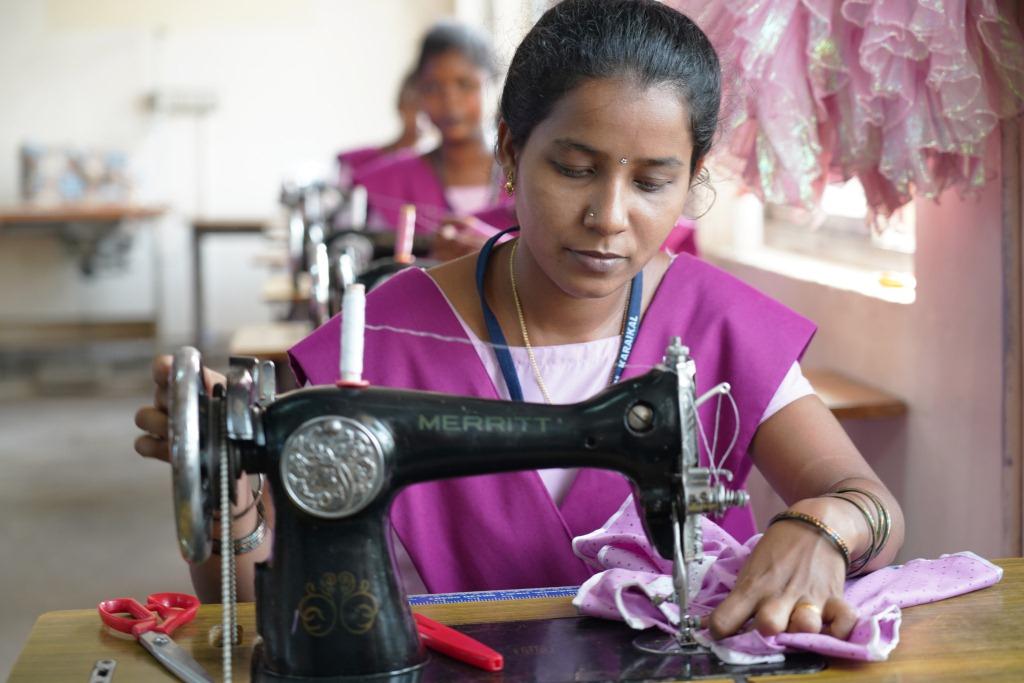
Introduction about SEWING TECHNOLOGY
Sewing technology is a field that encompasses the techniques, tools, and processes used in the creation and assembly of fabric-based products through stitching, or sewing. It plays a fundamental role in the fashion industry, textile manufacturing, and numerous other sectors that rely on the production of clothing, accessories, upholstery, and various textile goods.
The history of sewing technology dates back thousands of years, with the earliest evidence of sewing found in artifacts from ancient civilizations. Over time, sewing has evolved from a manual, hand-operated craft to a highly advanced and automated industry, thanks to technological advancements.
Sewing technology involves a wide range of elements, including:
Sewing Machines: These mechanical or computerized devices are essential tools in modern sewing technology. They have revolutionized the speed and precision of stitching, making it possible to produce large quantities of products efficiently.
Fabrics and Materials: The choice of fabrics, threads, and other materials is crucial in sewing technology. Different materials require various sewing techniques and equipment, such as needles and threads designed for specific purposes.
Garment Construction: Sewing technology includes pattern making, cutting, and assembling fabric pieces to create garments, accessories, or textile products.
Computer-Aided Design (CAD): CAD software allows designers to create digital patterns, make modifications, and simulate the final product's appearance before cutting and sewing. This technology has greatly streamlined the design and prototyping processes.
Automation: Sewing technology has seen the integration of automation and robotics in industrial settings, leading to increased efficiency and consistency in mass production.
Embroidery and Embellishment: Sewing technology also encompasses embroidery machines and other embellishment techniques used to add decorative elements to fabrics and textiles.
Sustainability: In recent years, there has been a growing emphasis on sustainable sewing practices and technologies, including eco-friendly materials, reduced waste, and energy-efficient sewing machines.
Textile Innovations: Sewing technology is closely linked to advancements in textiles, including smart fabrics, high-performance materials, and developments in the field of wearable technology.
Quality Control: Sewing technology is essential for maintaining the quality and durability of sewn products, including inspections and testing methods.
How can I apply for admission to SEWING TECHNOLOGY Program
To apply for admission to a Sewing Technology program, you will need to follow specific steps, which may vary depending on the institution offering the program and your location. Here's a general guideline on how to apply:
Research Programs and Institutions:
Start by researching institutions that offer Sewing Technology programs. Look for colleges, universities, vocational schools, or community colleges that provide the specific program you're interested in.
Admission Requirements:
Review the admission requirements for the program and institution of your choice. These requirements can vary, but they typically include academic prerequisites, such as a high school diploma or equivalent.
Application Form:
Complete the application form provided by the institution. This form is usually available on the institution's website or can be obtained from their admissions office.
Application Fee:
Pay the required application fee, if applicable. Some institutions charge a fee to process your application.
Academic Transcripts:
Submit your high school or previous educational transcripts. You may be required to provide proof of your academic qualifications.
Personal Statement or Essay:
Some programs may require a personal statement or essay outlining your interest in Sewing Technology and your career goals. Follow the guidelines provided by the institution.
Letters of Recommendation:
Depending on the program, you may need to submit letters of recommendation from teachers, employers, or individuals who can vouch for your qualifications and character.
Portfolio (if applicable):
If the program requires a portfolio of your previous sewing or design work, prepare and submit this as part of your application.
Entrance Exams (if applicable):
Some institutions may require standardized entrance exams like the SAT or ACT, but this is less common for vocational or technical programs like Sewing Technology. Check the specific requirements of the program you're interested in.
Financial Aid and Scholarships:
Explore financial aid options and scholarships that may be available to you. Many institutions offer financial assistance to students, and there may be scholarships specifically for students in sewing-related programs.
Submit Your Application:
Carefully follow the submission instructions provided by the institution. Most institutions allow you to apply online or by mail.
Application Deadlines:
Be aware of application deadlines. Many programs have specific application deadlines, and it's essential to submit your application before the deadline to be considered for admission.
Interview (if applicable):
Some programs may require an interview as part of the admission process. Prepare for the interview by familiarizing yourself with the program and being ready to discuss your interest and qualifications.
Wait for Admission Decision:
After submitting your application, you'll need to wait for the admission decision. The institution will notify you of their decision, which may be an acceptance, rejection, or placement on a waitlist.
Enroll and Register:
If you are accepted, follow the instructions provided by the institution to complete the enrollment and registration process. This may include paying a deposit, selecting classes, and attending orientation.
What is the eligibility for SEWING TECHNOLOGY
Eligibility requirements for a Sewing Technology program can vary depending on the institution offering the program and the specific level of the program (e.g., certificate, diploma, associate's degree, or bachelor's degree). However, here are some general eligibility criteria that are commonly associated with Sewing Technology programs:
High School Diploma or Equivalent:
Most programs require applicants to have a high school diploma or a recognized equivalent, such as a General Educational Development (GED) certificate.
Age Requirements:
Some programs may have age restrictions, particularly if they are offered through vocational or technical schools. Make sure to check if there are any age-related eligibility criteria.
Basic Skills:
While not always explicitly stated, having basic skills in mathematics, reading, and communication can be helpful in understanding sewing patterns, instructions, and measurements.
Language Proficiency:
If the program is offered in a language other than your native language, you may be required to demonstrate language proficiency through standardized tests like the TOEFL or IELTS.
Prerequisites (if applicable):
Some advanced Sewing Technology programs may have prerequisites. For example, a more specialized program might require prior coursework in sewing or fashion design.
Personal Statement or Essay:
Some programs may ask for a personal statement or essay outlining your interest in sewing and your career goals. Be prepared to provide this if it's a requirement.
Letters of Recommendation (if applicable):
Certain institutions or programs might ask for letters of recommendation from teachers, employers, or individuals who can vouch for your qualifications and character.
Portfolio (if applicable):
If you're applying to a more advanced or specialized program, you may need to submit a portfolio showcasing your sewing or design work. Ensure your portfolio meets the specific requirements of the program.
It's essential to check the admission requirements and eligibility criteria for the specific Sewing Technology program and institution you are interested in, as they can vary significantly. Visit the program's website or contact the admissions office for detailed information on eligibility, as well as any additional requirements or prerequisites.
How long does it takes to complete a SEWING TECHNOLOGY program
The duration of a Sewing Technology program can vary widely depending on the level of the program, the institution offering it, and the specific curriculum. Sewing Technology programs can range from short-term certificate programs to longer associate's degree or bachelor's degree programs. Here are some common options and their typical durations:
Certificate or Diploma Programs:
Short-term certificate or diploma programs in Sewing Technology often take anywhere from a few weeks to a few months to complete. These programs provide basic training in sewing and may focus on specific skills or techniques.
Associate's Degree Programs:
Associate's degree programs in Sewing Technology typically take around 2 years to complete. These programs offer a more comprehensive education, covering various aspects of sewing, pattern making, garment construction, and potentially even some fashion design or business coursework.
Bachelor's Degree Programs:
Bachelor's degree programs in Fashion Design or related fields may include sewing technology as part of their curriculum. These programs usually take about 4 years to complete and offer a broader and more in-depth education in fashion and garment construction.
The duration of a program can also be influenced by factors such as part-time or full-time enrollment, credit transfer options, and any required internships or cooperative education experiences. It's essential to research and choose a program that aligns with your career goals and the time commitment you can afford.
What are potential career opportunities after SEWING TECHNOLOGY
Completing a Sewing Technology program can open up various career opportunities in the fashion and textile industry, as well as related fields. Here are some potential career paths and opportunities:
Fashion Designer: With a strong foundation in sewing technology, you can work as a fashion designer, creating clothing and accessory designs. You'll use your knowledge of sewing techniques to bring your designs to life.
Pattern Maker: Pattern makers develop templates or patterns for garments, ensuring that they fit well and can be efficiently produced. Knowledge of sewing technology is essential in this role.
Tailor or Seamstress: You can become a tailor or seamstress, offering alteration and repair services for clothing. This is a common option for those with sewing skills.
Costume Designer: If you have a passion for theatrical or costume design, a background in sewing technology can lead to a career as a costume designer for theater, film, or television productions.
Apparel Production Manager: Apparel production managers oversee the manufacturing process of clothing and ensure that production runs smoothly. Knowledge of sewing technology is valuable in managing the production process effectively.
Fashion Merchandiser: Fashion merchandisers work on the business side of the fashion industry, often dealing with product selection, marketing, and sales. Understanding sewing technology can help you assess the quality of products and make informed decisions.
Textile Technologist: This role involves working with textile materials and technology, including textile testing, quality control, and product development. Knowledge of sewing technology can be beneficial in understanding textile properties.
Fashion Educator: If you have a passion for teaching, you can become an instructor in sewing technology or related subjects at vocational schools, community colleges, or universities.
Bridal or Eveningwear Designer: Specializing in wedding or eveningwear can be a niche career path, as it often requires high-quality craftsmanship and sewing skills.
Custom Clothier: You can create custom clothing for individual clients, offering personalized designs and fit. This can be a fulfilling and entrepreneurial career choice.
Fashion Entrepreneur: Starting your own sewing-related business, such as a clothing brand, alterations shop, or sewing school, is an option for those with entrepreneurial aspirations.
Textile and Apparel Quality Control Specialist: In this role, you would ensure that textile and apparel products meet quality standards and are free of defects.
Costume Technician: Costume technicians work on costumes for theater, film, and television productions, often requiring extensive sewing and construction skills.
Upholsterer: While not strictly fashion-related, sewing technology skills can be useful in upholstery, where you work on furniture and interior design projects.
Fashion Stylist: Fashion stylists work with clients to create visually appealing outfits and looks for various purposes, including photo shoots, events, and personal styling.
Syllabus of SEWING TECHNOLOGY
The syllabus for a Sewing Technology program can vary depending on the institution offering the program, the specific level of the program (e.g., certificate, diploma, associate's degree), and the program's focus or specialization. However, I can provide a general outline of topics and subjects commonly covered in a Sewing Technology program:
Basic Sewing Skills:
Introduction to sewing equipment and tools
Fabric selection and characteristics
Sewing machine operation and maintenance
Hand sewing techniques
Stitch types and their uses
Seam finishes
Hemming techniques
Pressing and ironing skills
Pattern Making and Garment Construction: 9. Pattern layout and cutting
Garment construction techniques
Fitting and alterations
Understanding and working with commercial patterns
Garment assembly and finishing
Textiles and Fabrics: 14. Fabric properties and identification
Textile testing and quality control
Specialty fabrics (e.g., knit, woven, synthetic, natural)
Dyeing and printing techniques
Fashion Design and Sketching: 18. Elements of fashion design
Fashion illustration and sketching
Creating mood boards and design concepts
Garment design and planning
Apparel Production: 22. Apparel production processes
Mass production techniques
Quality control in apparel manufacturing
Production management and planning
Sewing Technology for Specialized Applications (optional, for advanced programs): 26. Tailoring techniques
Costume construction for theater and film
Bridal and eveningwear construction
Leather and suede garment construction
Draping and fabric manipulation
Computer-Aided Design (CAD): 31. Introduction to CAD software for fashion and pattern design
Digital pattern making and grading
Creating technical drawings and specifications
Textile Science: 34. Understanding fibers and yarns
Textile dyeing and finishing processes
Sustainable and eco-friendly textiles
Business and Marketing (for some programs): 37. Introduction to fashion business and marketing
Fashion merchandising and retailing
Entrepreneurship in the fashion industry
Workplace Safety and Professionalism: 40. Safety practices in a sewing and fashion work environment
Professionalism, communication, and teamwork
Internship opportunities after completing SEWING TECHNOLOGY
Internship opportunities after completing a Sewing Technology program can provide valuable hands-on experience in the fashion and textile industry. Internships can help you apply the skills and knowledge you've gained in your program, build a professional network, and enhance your resume. Here are some internship opportunities you might consider:
Fashion Design Intern: Work with a fashion designer or design house to assist in the creation of new clothing and accessory designs. You may be involved in sketching, pattern making, fabric selection, and garment construction.
Apparel Production Intern: Gain experience in a clothing manufacturing facility or at a production company. This internship can involve working on the production line, quality control, and production planning.
Tailoring or Alterations Intern: Intern with a tailor or alterations shop to learn about custom fitting and alterations. You can work with clients to make adjustments to clothing, ensuring proper fit and quality.
Costume Design Intern: If you're interested in theater, film, or television, consider interning with a costume designer. This role can involve creating and altering costumes for productions.
Fashion Retail Intern: Intern with a fashion retailer, either in-store or in a corporate office. Gain experience in visual merchandising, customer service, inventory management, and product selection.
Textile Testing and Quality Control Intern: Work with a textile testing laboratory or textile manufacturing company to learn about textile quality control, testing procedures, and standards compliance.
Fashion Marketing and Merchandising Intern: Intern with a fashion marketing agency, a fashion brand, or a retail company to gain experience in marketing, branding, and merchandising strategies.
Fashion Tech and Wearable Tech Intern: As technology and fashion intersect, there are opportunities to intern with companies that develop smart clothing and wearable technology. This can include working on garments with embedded technology.
Sustainable Fashion Intern: With the growing emphasis on sustainability in the fashion industry, you can intern with organizations focused on sustainable fashion practices and eco-friendly materials.
Fashion Entrepreneurship Intern: If you're interested in starting your own fashion-related business, consider interning with fashion entrepreneurs or small business owners to gain insights into the industry.
To find internship opportunities, consider the following steps:
Check with Your School: Many schools and colleges have career services departments that can assist in finding internship opportunities.
Online Job Boards: Websites like Indeed, LinkedIn, and fashion-specific job boards often list internship openings.
Fashion and Textile Companies: Reach out directly to fashion designers, clothing manufacturers, retailers, and textile companies to inquire about internship possibilities.
Fashion Organizations: Organizations like the Council of Fashion Designers of America (CFDA) or regional fashion associations may offer internship listings.
Networking: Attend industry events, join fashion and textile-related groups, and connect with professionals in the field to discover internship leads through your network.
Scholarship and grants for SEWING TECHNOLOGY
Scholarships and grants for Sewing Technology or related fields in fashion and textiles can provide financial assistance to students pursuing their education. While scholarships specifically for Sewing Technology may be limited, there are various general scholarships and grants available that can be applied to fashion and textiles programs. Here are some sources of financial aid you can explore:
Institutional Scholarships: Many colleges, universities, and technical schools offer scholarships to students pursuing degrees in fashion design, textiles, or related fields. Check with the institution you plan to attend for information on available scholarships.
Fashion Industry Scholarships: Numerous fashion industry organizations and associations offer scholarships. For example, the Council of Fashion Designers of America (CFDA) and the YMA Fashion Scholarship Fund provide scholarships to students interested in fashion-related careers.
Textile Industry Scholarships: Organizations like the American Association of Textile Chemists and Colorists (AATCC) and the Textile Institute offer scholarships and awards for students in textiles and related areas.
Specific Program Scholarships: Some Sewing Technology programs or departments within educational institutions may have their own scholarships available to students enrolled in their programs. Inquire with your program coordinator or academic advisor.
Private Foundations and Nonprofits: Various private foundations and nonprofit organizations offer scholarships for fashion and textile students. Examples include the Fashion Scholarship Fund and the National Retail Federation Foundation.
Merit-Based Scholarships: Look for general merit-based scholarships that are not restricted to a specific major but can be applied to any field of study, including Sewing Technology. These scholarships often consider academic achievement, leadership, and community involvement.
Need-Based Financial Aid: Explore federal and state financial aid programs, including grants, loans, and work-study opportunities. The Free Application for Federal Student Aid (FAFSA) is a key application for need-based aid in the United States.
Local Community Scholarships: Check with local organizations, businesses, and foundations in your community, as they may offer scholarships to students pursuing education in fashion, textiles, or a related field.
Online Scholarship Search Engines: Websites like Fastweb, Scholarships.com, and College Board's Scholarship Search can help you find scholarships by matching your profile with available opportunities.
Professional Associations: Join and explore scholarships offered by professional associations related to your field, such as the American Sewing Guild or the Costume Society of America.
CONCLUSION OF SEWING TECHNOLOGY
Sewing technology has come a long way since its humble beginnings. From hand-sewn garments to modern, computerized machines, the world of sewing has seen a remarkable transformation. In this article, we will explore the conclusion of sewing technology, its evolution, impact, and its promising future.
FAQ'S
What is Sewing Technology?
Sewing Technology is a field that involves the use of sewing techniques, equipment, and processes to create and assemble fabric-based products, such as clothing, accessories, and textiles.
What can I learn in a Sewing Technology program?
In a Sewing Technology program, you can learn a wide range of skills, including sewing machine operation, pattern making, garment construction, fabric selection, and more. These programs typically prepare you for careers in the fashion and textile industry.
What are the career opportunities in Sewing Technology?
Graduates of Sewing Technology programs can pursue careers as fashion designers, tailors, seamstresses, pattern makers, apparel production managers, and in various related fields in the fashion and textile industry.
How long does it take to complete a Sewing Technology program?
The duration of a Sewing Technology program can vary, but it generally ranges from a few weeks for certificate programs to two years for associate's degree programs.
Are there scholarships available for Sewing Technology students?
Yes, there are scholarships and grants available for students pursuing education in fashion and textiles, which can be applied to Sewing Technology programs. These scholarships may be offered by institutions, industry organizations, and foundations.
Is sewing technology a sustainable career choice?
Sewing technology can be a sustainable career choice, especially with the growing emphasis on sustainable fashion practices and the demand for skilled artisans who can create high-quality, long-lasting products.
What skills are essential for success in Sewing Technology?
Essential skills include proficiency in sewing techniques, pattern making, attention to detail, problem-solving, creativity, and the ability to work with different fabrics and materials.
What's the difference between Sewing Technology and Fashion Design?
Sewing Technology focuses on the technical aspects of sewing, pattern making, and garment construction, while Fashion Design involves creating original clothing and accessory designs. Both fields often overlap, with fashion designers needing knowledge of sewing technology.
Can I start my own sewing business after completing a Sewing Technology program?
Yes, many graduates of Sewing Technology programs go on to start their own sewing and fashion-related businesses, such as tailoring, alterations, custom clothing, or fashion design.
How do I find internship opportunities in Sewing Technology?
You can find internship opportunities by checking with your school's career services, searching online job boards, networking within the industry, and reaching out to fashion and textile companies.
Is sewing technology only about clothing, or are there other applications?
Sewing technology has applications beyond clothing and includes areas like upholstery, home textiles, costumes for theater and film, and even wearable technology.
What are some of the technological advancements in sewing technology?
Sewing technology has seen advancements in computerized sewing machines, automated sewing processes, digital pattern making, and the use of smart fabrics and materials with embedded technology.
How Shiksha Hub helps you in
-
 Student Counsellors
 -
 Career Counseling
 -
 Research
 -
 24/7 Support
 -
 Scholarships
 -
 Community