Posted by Admin on 10-07-2023 in Shiksha hub
Sheet Metal Worker Admission, Registration, Eligibility, Duration, Fees, Syllabus 2024
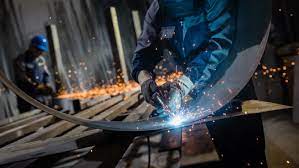
Introduction about SHEET METAL WORKER
A sheet metal worker is a skilled tradesperson who specializes in working with sheet metal, a versatile and commonly used material in various industries. Sheet metal workers are essential in the construction, manufacturing, and automotive sectors, as well as in various other applications where sheet metal components are required.
Sheet metal workers are responsible for fabricating, installing, and maintaining a wide range of products and structures made from sheet metal, such as ductwork, roofing, ventilation systems, metal siding, and more. They work with various types of sheet metal, including steel, aluminum, copper, and other alloys, and use a combination of hand tools, power tools, and specialized equipment to shape, cut, bend, and join the metal sheets into the desired forms.
Some of the key responsibilities of a sheet metal worker include:
Layout and Measurement: Sheet metal workers need to accurately measure, mark, and lay out the sheet metal to ensure precise cutting and shaping.
Cutting and Shaping: They cut and shape the metal sheets using tools like shears, saws, and presses. They can bend and form the metal to create specific shapes and components.
Joining and Welding: Sheet metal workers often use various techniques to join pieces of sheet metal, including welding, riveting, and soldering. This ensures that the components are securely attached.
Installation: They are also responsible for installing the fabricated sheet metal components in buildings, structures, or machinery. This can include installing HVAC ductwork, roofing, siding, or other metal features.
Maintenance and Repair: Sheet metal workers may be involved in the maintenance and repair of existing sheet metal structures and systems, ensuring they function correctly and remain in good condition.
Sheet metal work requires a high level of precision, attention to detail, and knowledge of various techniques and materials. It is a trade that offers a broad range of career opportunities and can involve both indoor and outdoor work environments, depending on the specific job requirements. As skilled craftsmen, sheet metal workers play a crucial role in the construction and manufacturing industries by helping to create durable and efficient sheet metal components that are essential for many applications.
How can I apply for admission to SHEET METAL WORKER Program
To apply for admission to a sheet metal worker program, you typically need to follow a specific set of steps. Keep in mind that the exact process may vary depending on the educational institution or training center you are interested in. Here is a general outline of how to apply for admission to a sheet metal worker program:
Research Programs:
Begin by researching sheet metal worker programs offered by vocational schools, community colleges, trade schools, or apprenticeship programs in your area. Make sure to consider factors such as program duration, curriculum, cost, and location.
Eligibility:
Review the admission requirements for the program you're interested in. These requirements may include age restrictions, educational prerequisites, and physical fitness criteria. Ensure you meet the eligibility criteria.
Application:
Complete the program's application form. You can often find these forms on the institution's website or by contacting their admissions department. Follow the provided instructions carefully and provide all the required information.
Submit Documents:
Gather and submit any necessary supporting documents, which may include your high school diploma or equivalent, transcripts, a resume, and any additional documentation the program requires.
Application Fee:
Pay any application fees that are associated with your application. Fees can vary by institution, so check the program's website or contact the admissions office for details.
Interview or Assessment:
Some programs may require an interview or assessment as part of the admission process. Be prepared to discuss your interest in the field, your goals, and your ability to meet the physical demands of the trade.
Financial Aid:
If you need financial assistance to cover the cost of the program, explore available financial aid options, such as scholarships, grants, or student loans. Complete the Free Application for Federal Student Aid (FAFSA) if applicable.
Wait for Admission Decision:
Once you have submitted your application and any required documents, you will typically need to wait for an admission decision. Be sure to check your email or mail regularly for notifications from the institution.
Enrollment:
If you are accepted into the sheet metal worker program, you will receive an acceptance letter. Follow the instructions provided in the letter for enrollment, which may include registering for classes and paying tuition.
Attend Orientation:
Attend any orientation sessions or onboarding activities as instructed by the program to get familiar with the curriculum, faculty, and resources available to students.
What is the eligibility for SHEET METAL WORKER
The eligibility requirements for becoming a sheet metal worker can vary depending on the specific program or apprenticeship you are interested in and the region or country in which you plan to pursue this career. However, here are some general eligibility considerations that are commonly associated with sheet metal worker training programs:
Age: In many cases, individuals must be at least 18 years old to enter a sheet metal worker apprenticeship or program. This age requirement may vary by location.
Educational Requirements: Typically, you will need a high school diploma or its equivalent, such as a GED (General Educational Development) certificate, to be eligible for a sheet metal worker program. Some programs may have specific educational prerequisites or recommend coursework in mathematics, drafting, and mechanical subjects.
Physical Fitness: Sheet metal work can be physically demanding, so you should be in good physical condition to handle the rigors of the job. This may involve lifting heavy materials, working in confined spaces, and climbing or working at heights.
Legal Status: You must have legal status to work in the country where you are seeking employment as a sheet metal worker. This typically includes being a citizen or having the necessary work permits or visas.
Driver's License: Depending on the program or apprenticeship, a valid driver's license may be required since you may need to travel to job sites.
Pre-Apprenticeship Training: Some sheet metal worker programs may prefer or require candidates to complete a pre-apprenticeship training program or coursework in a related field, such as HVAC (Heating, Ventilation, and Air Conditioning), before applying for formal apprenticeships.
Aptitude Test: In some cases, you may be required to take an aptitude test as part of the application process to assess your math and mechanical reasoning skills.
Interview: You may be asked to participate in an interview as part of the selection process. The interview is an opportunity for you to express your interest in the field and demonstrate your commitment to the trade.
How long does it takes to complete a SHEET METAL WORKER program
The duration of a sheet metal worker program can vary based on the type of program you choose and the specific curriculum offered by the training institution or organization. There are several different options for training in sheet metal work, and the time it takes to complete each one can vary. Here are some common options with their typical durations:
Apprenticeship Programs: Apprenticeships are a common and thorough way to become a sheet metal worker. A typical sheet metal worker apprenticeship program lasts about 4 years. During this time, you will work on the job under the guidance of experienced sheet metal workers and also attend classroom instruction to learn the necessary skills and knowledge. Apprenticeships are typically paid positions, allowing you to earn while you learn.
Trade or Technical Schools: Some trade or technical schools offer sheet metal worker programs that can range in length. These programs might be shorter in duration, often around 6 months to 2 years, and provide a more concentrated and focused education in sheet metal work. The exact length of the program can depend on factors such as the school's curriculum and whether it offers full-time or part-time options.
College Programs: Some colleges or community colleges offer associate degree programs in areas related to sheet metal work, such as HVAC (Heating, Ventilation, and Air Conditioning) technology. These programs typically take 2 years to complete, and they often include coursework in sheet metal fabrication and installation as part of a broader HVAC curriculum.
Certification or Short-Term Courses: There are also shorter, specialized courses and workshops that can provide basic training in sheet metal work. These courses can range from a few weeks to a few months in duration and are often designed for individuals who want to acquire specific skills or enhance their existing knowledge.
The choice of program duration largely depends on your career goals, the level of expertise you wish to achieve, and the time and resources you can commit to your training. Apprenticeships tend to be the most comprehensive and well-rounded option, but they also require the most time commitment. Shorter courses or programs can provide more focused training if you have specific skills or knowledge gaps you need to address.
What are potential career opportunities after SHEET METAL WORKER
After completing a sheet metal worker program or apprenticeship and gaining experience in the field, there are several potential career opportunities available to individuals in this trade. Sheet metal workers possess valuable skills that are in demand across various industries. Here are some potential career paths and opportunities:
Sheet Metal Fabricator: Sheet metal fabricators specialize in creating and shaping sheet metal components, including ductwork, fittings, and custom metal parts. They may work in manufacturing facilities, construction companies, or specialized sheet metal shops.
HVAC (Heating, Ventilation, and Air Conditioning) Technician: Many sheet metal workers go on to become HVAC technicians. They install and maintain heating and cooling systems, which often involve the use of sheet metal ducts and components. HVAC technicians are in high demand for residential, commercial, and industrial applications.
Architectural Sheet Metal Worker: Some sheet metal workers focus on architectural applications, such as installing metal roofing, siding, and decorative metal elements on buildings. This specialization may lead to work in the construction industry or architectural metalwork shops.
Welder: Sheet metal workers often have welding skills, and they can pursue careers as welders. Welders are responsible for joining metal components using various welding techniques, including MIG, TIG, and stick welding.
Construction Supervisor or Foreman: With experience and leadership abilities, sheet metal workers can advance to supervisory roles. They oversee construction projects, manage crews, and ensure that sheet metal work is executed according to plans and specifications.
Quality Control Inspector: Experienced sheet metal workers can become quality control inspectors, responsible for ensuring that fabricated sheet metal components meet industry standards and project requirements. They perform inspections and maintain quality standards in manufacturing or construction settings.
Metalworking Instructor: Some sheet metal workers choose to share their knowledge and skills by becoming instructors in trade schools, community colleges, or vocational training programs. They help train the next generation of sheet metal workers.
Custom Metal Fabrication: Specialized sheet metal workers may focus on custom metal fabrication for unique or artistic projects, such as creating sculptures, custom furniture, or architectural artwork.
Self-Employed Contractor: Experienced sheet metal workers may choose to start their own sheet metal contracting businesses. This allows them to take on various projects independently or with a team of employees.
Industry Consultant or Inspector: Some sheet metal workers transition into roles as consultants or inspectors, offering expertise in assessing and improving sheet metal systems and structures.
Syllabus of SHEET METAL WORKER
The specific syllabus for a sheet metal worker program can vary depending on the educational institution, the type of program (e.g., apprenticeship, trade school, or college program), and regional standards. However, I can provide you with a general overview of the typical topics and skills covered in a sheet metal worker program:
Introduction to Sheet Metal Work:
Overview of the sheet metal industry, its history, and its importance in construction and manufacturing.
Safety Procedures:
Training in safety protocols, including the proper use of personal protective equipment (PPE), handling of tools and equipment, and awareness of potential hazards in sheet metal work.
Basic Mathematics:
Mathematical concepts and calculations related to measurements, dimensions, and material requirements.
Hand Tools and Power Tools:
Identification, proper use, and maintenance of common hand tools and power tools used in sheet metal work, including snips, hammers, shears, drills, and grinders.
Blueprint Reading:
Interpretation of blueprints, schematics, and technical drawings to understand project specifications and layouts.
Layout and Measurement:
Techniques for measuring, marking, and laying out sheet metal accurately, including use of rulers, squares, and measuring devices.
Cutting and Shearing:
Cutting and shearing methods for sheet metal, including hand shears, power shears, and other cutting tools.
Bending and Forming:
Methods for bending and shaping sheet metal to create specific angles, curves, and configurations.
Joining and Fastening:
Techniques for joining sheet metal components through welding, soldering, riveting, and mechanical fastening.
Ductwork Fabrication:
Fabrication and assembly of ductwork systems commonly used in HVAC and ventilation applications.
Roofing and Siding Installation:
Installation of metal roofing and siding materials on buildings, including proper sealing and fastening.
Insulation and Heat Control:
Incorporating insulation materials into sheet metal work to control temperature and prevent condensation.
Ventilation Systems:
Design and installation of ventilation systems, including air ducts, hoods, and exhaust systems.
Architectural Metalwork:
Creating decorative and functional metal elements used in architectural applications, such as metal staircases, railings, and ornamentation.
Quality Control:
Inspection and quality control procedures to ensure the finished work meets industry standards and project requirements.
Construction Safety Regulations:
Familiarity with safety regulations and building codes relevant to sheet metal work.
Job Site Practices:
On-site practices, teamwork, and communication skills necessary for working in construction and manufacturing settings.
Code Compliance:
Understanding and compliance with local building codes and regulations related to sheet metal work.
Internship opportunities after completing SHEET METAL WORKER
After completing a sheet metal worker program or apprenticeship, you may have the opportunity to further enhance your skills and gain practical experience through internships or entry-level positions in the field. Internships can be valuable for applying what you've learned in a real-world setting, networking, and potentially securing a full-time job in the industry. Here are some potential internship opportunities and entry-level positions for sheet metal workers:
Sheet Metal Worker Apprentice: If you completed an apprenticeship program, you may continue to work as a sheet metal worker apprentice but at a more advanced level. This allows you to build on your training and acquire additional skills under the guidance of experienced professionals.
HVAC Technician Assistant: Many sheet metal workers transition to careers as HVAC technicians. As an assistant to an HVAC technician, you can gain hands-on experience in installing, maintaining, and repairing heating, ventilation, and air conditioning systems.
Sheet Metal Fabrication Intern: Work with a sheet metal fabrication shop or manufacturing company as an intern to learn about the production of sheet metal components. This role may involve fabricating ductwork, fittings, or custom metal parts.
Architectural Sheet Metal Installation Assistant: If you have an interest in architectural applications, consider assisting in the installation of metal roofing, siding, or decorative elements on buildings. This type of internship provides experience in exterior architectural work.
Construction Site Assistant: You can work on construction sites as an assistant, helping with the installation of sheet metal components, including ducts, ventilation systems, or metal roofing.
Quality Control Intern: Gain experience in quality control and inspection by interning with a company or organization that focuses on ensuring the quality of sheet metal work.
Metalworking Shop Intern: Some sheet metal workers specialize in custom metal fabrication for artistic or unique projects. Interning in a metalworking shop can provide exposure to creative and customized sheet metal work.
Welding Assistant: If you have welding skills, consider interning as a welding assistant. This role involves assisting experienced welders in joining and fabricating metal components.
Estimator Trainee: Work with a construction company or sheet metal contractor as an estimator trainee. You'll learn how to estimate the materials and labor costs for sheet metal projects.
Design and Drafting Intern: Gain experience in design and drafting by working with a company that specializes in creating technical drawings and blueprints for sheet metal projects.
To find internship opportunities, consider the following steps:
Contact Local Employers: Reach out to construction companies, HVAC service providers, sheet metal fabrication shops, and architectural firms in your area to inquire about internship opportunities.
Use Career Services: If you completed your training through a vocational school or community college, utilize the career services department to help you find relevant internships.
Networking: Attend industry events, job fairs, and trade association meetings to network with professionals in the field who may know of internship opportunities.
Online Job Boards: Check online job boards and internship websites for relevant positions. Websites like Indeed, LinkedIn, and Glassdoor can be helpful in your search.
Cold Calling: If you have identified potential employers, consider reaching out to them directly to express your interest in an internship.
Scholarship and grants for SHEET METAL WORKER
Scholarships and grants are valuable financial resources that can help offset the costs of your education and training in sheet metal work. These financial aid opportunities are often offered by educational institutions, industry associations, trade unions, and other organizations that support the development of skilled trades. Here are some scholarships and grants that you can explore as a sheet metal worker or aspiring sheet metal worker:
Sheet Metal and Air Conditioning Contractors' National Association (SMACNA) Scholarships:
SMACNA offers scholarships to students pursuing education and training in sheet metal work, HVAC, and related fields. These scholarships are available at both the national and local chapter levels.
Associated Builders and Contractors (ABC) Scholarships:
ABC chapters across the United States offer scholarships and grants to students studying construction-related trades, including sheet metal work. Check with your local ABC chapter for available opportunities.
HVAC Excellence Scholarships:
HVAC Excellence, an organization that promotes HVACR education, offers scholarships to students pursuing HVAC and sheet metal work programs at accredited institutions.
Union Scholarships:
Many trade unions, such as the Sheet Metal Workers International Association (SMWIA), offer scholarships and financial assistance to members and their families who are pursuing sheet metal worker training.
Community College Scholarships:
If you are attending a community college for your sheet metal worker program, check with the college's financial aid office for information on scholarships and grants specific to their programs.
Trade School Scholarships:
Trade schools that offer sheet metal worker training may have their own scholarship programs or partnerships with organizations that provide financial assistance to students.
Foundation Scholarships:
Some foundations and organizations support skilled trade education and offer scholarships. Examples include the mikeroweWORKS Foundation, which advocates for the trades and offers scholarships to students pursuing vocational careers.
Employer-Sponsored Programs:
Some employers in the construction and HVAC industries offer tuition reimbursement or scholarship programs to their employees who are pursuing further education in sheet metal work.
State and Federal Grants:
In some cases, you may be eligible for state and federal grants, such as the Federal Pell Grant, which can be used to cover the cost of education and training in sheet metal work.
Online Scholarship Search Engines: Utilize online scholarship search engines and databases to search for scholarships related to vocational and trade education. Websites like Fastweb, Scholarship.com, and Cappex can help you find relevant opportunities.
Conclusion
Sheet metal workers are the unsung heroes of the construction industry, using their skills to create the structures and systems that keep our world running smoothly. Their work is versatile, demanding, and crucial, and it offers rewarding career opportunities for those who are passionate about the craft.
FAQ's
What does a sheet metal worker do?
Sheet metal workers fabricate, install, and maintain sheet metal components used in various industries, including construction, HVAC, and manufacturing. They work with materials like steel, aluminum, and copper to create ducts, roofing, siding, and more.
How can I become a sheet metal worker?
You can become a sheet metal worker by completing a formal training program, such as an apprenticeship, attending a trade school, or pursuing a college program related to sheet metal work.
What are the typical job prospects for sheet metal workers?
Job prospects for sheet metal workers are generally good, with opportunities in construction, HVAC, and manufacturing. The demand for skilled sheet metal workers remains consistent as infrastructure and buildings continue to be built and maintained.
What are the key skills required for a successful career in sheet metal work?
Key skills for sheet metal workers include proficiency in reading blueprints, precision in measurement and layout, knowledge of various joining methods (welding, soldering, riveting), and the ability to work safely and effectively with tools and machinery.
Is sheet metal work physically demanding?
Yes, sheet metal work can be physically demanding, involving lifting heavy materials, working in various positions, and being exposed to environmental elements. Physical fitness and good health are important for success in this field.
What is the typical duration of a sheet metal worker apprenticeship?
A sheet metal worker apprenticeship program typically lasts around 4 years, during which apprentices gain both on-the-job training and classroom instruction.
Are there opportunities for specialization within sheet metal work?
Yes, sheet metal workers can specialize in areas like HVAC installation, architectural metalwork, custom metal fabrication, or welding, depending on their interests and training.
How can I find internship or job opportunities in sheet metal work?
You can search for internship or job opportunities by reaching out to local sheet metal contractors, HVAC companies, construction firms, and trade unions. Online job boards and trade association websites are also useful resources.
What safety precautions are essential for sheet metal workers?
Sheet metal workers must follow strict safety protocols, including the use of personal protective equipment (PPE), proper tool handling, and awareness of potential hazards related to cutting, welding, and working at heights.
What organizations offer scholarships for sheet metal worker education?
Organizations like SMACNA, ABC, HVAC Excellence, and various trade unions offer scholarships for sheet metal worker education. You can also explore community colleges, trade schools, and foundations for additional opportunities.
Can sheet metal workers advance to supervisory roles?
Yes, with experience and leadership skills, sheet metal workers can advance to roles such as construction supervisors, foremen, or project managers.
Is there a demand for sheet metal workers in the future?
The demand for skilled sheet metal workers is expected to remain steady in the construction and HVAC industries. As long as buildings and infrastructure are built and maintained, there will be a need for sheet metal expertise.
How Shiksha Hub helps you in
-
 Student Counsellors
 -
 Career Counseling
 -
 Research
 -
 24/7 Support
 -
 Scholarships
 -
 Community