Posted by Admin on 14-07-2023 in Shiksha hub
Soil Conservation Technician, Introduction, Admission, Registration, Eligibility, Duration, Fees, Syllabus 2024
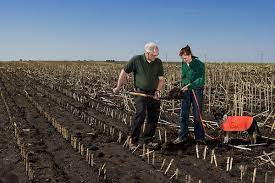
Introduction about Soil Conservation Technician
Soil is a precious natural resource that plays a vital role in sustaining life on Earth. It provides the foundation for agriculture, supporting the growth of food crops and forests. However, soil erosion, pollution, and degradation are significant threats to its quality and fertility. This is where Soil Conservation Technicians step in, playing a crucial role in preserving and enhancing our soil resources.
Understanding the Role of a Soil Conservation Technician
Responsibilities of a Soil Conservation Technician
Soil Conservation Technicians are environmental professionals dedicated to the protection and sustainable use of soil resources. They work closely with farmers, landowners, and government agencies to develop and implement strategies for soil conservation. Their responsibilities include:
Assessing soil conditions and identifying erosion-prone areas.
Educating landowners about soil conservation practices.
Collaborating with agriculturalists to minimize soil loss.
Monitoring the effectiveness of soil conservation efforts.
Importance of Soil Conservation
Soil Erosion and its Consequences
Soil erosion, often caused by factors such as heavy rainfall, wind, and human activity, can lead to the loss of fertile topsoil. This results in reduced crop yields, increased sedimentation in water bodies, and the degradation of the environment. Soil Conservation Technicians play a critical role in combating these issues by implementing erosion control measures.
Soil Health and Sustainability
Conservation technicians focus on maintaining soil health, which is essential for sustainable agriculture. Healthy soil is rich in organic matter, nutrients, and beneficial microorganisms, providing a conducive environment for plant growth. By preserving soil health, technicians contribute to long-term food security and ecosystem sustainability.
Qualifications and Skills Required
Educational Background
To become a Soil Conservation Technician, a bachelor's degree in fields such as environmental science, soil science, or agriculture is typically required. A solid educational foundation equips them with the knowledge necessary to address soil conservation challenges.
Technical Proficiency
Apart from academic qualifications, technicians need to be technically proficient in soil analysis, erosion control methods, and GIS (Geographic Information System) software. These skills are essential for conducting soil assessments and developing effective conservation plans.
Daily Duties
Soil Conservation Technicians have dynamic roles that include a variety of daily activities.
Fieldwork
Fieldwork involves visiting sites to assess soil conditions, measure erosion levels, and recommend appropriate conservation measures. Technicians often work in different weather conditions, requiring dedication and adaptability.
Data Collection and Analysis
Technicians collect and analyze data related to soil quality, erosion rates, and land use. This data forms the basis for creating customized soil conservation plans for landowners and farmers.
Challenges Faced by Soil Conservation Technicians
While their role is indispensable, Soil Conservation Technicians encounter certain challenges. These include dealing with resistance from landowners, financial constraints, and the ever-evolving environmental conditions that impact soil health.
Tools and Techniques Used in Soil Conservation
Soil Conservation Technicians employ various tools and techniques to protect and enhance soil quality.
Terracing
Terracing involves creating steps on sloping terrain to reduce water runoff and soil erosion. It's an effective method to conserve soil and water resources.
Reforestation
Reforestation initiatives involve planting trees and other vegetation to stabilize soil, improve water retention, and provide habitats for wildlife.
Erosion Control Blankets
Erosion control blankets are geotextile fabrics used to prevent soil erosion and promote vegetation growth on slopes.
Career Prospects
Job Opportunities
Soil Conservation Technicians can find employment with government agencies, conservation organizations, and private consulting firms. The demand for their expertise continues to grow as environmental concerns gain prominence.
Salary Range
The salary of Soil Conservation Technicians varies based on experience, education, and location. On average, they can earn a competitive income while making a positive impact on the environment.
Training and Certification
To excel in this field, technicians often pursue additional training and certification programs, which enhance their knowledge and credibility within the industry.
How can I apply for admission to Soil Conservation Technician Program
To apply for admission to a Soil Conservation Technician program, you'll need to follow a set of steps that typically includes the following:
Research Programs: Start by researching educational institutions that offer Soil Conservation Technician programs. Look for universities, colleges, or vocational schools that provide relevant courses in this field.
Check Admission Requirements: Review the admission requirements for the specific program you're interested in. These requirements can vary between institutions but often include:
High school diploma or equivalent
Prerequisite coursework in subjects like biology, chemistry, or environmental science
A minimum GPA (Grade Point Average) requirement
Standardized test scores (e.g., SAT or ACT)
Letters of recommendation
Prepare Your Application Materials:
Obtain your high school transcripts and any required standardized test scores.
Write a personal statement or essay explaining your interest in soil conservation and why you want to pursue this career.
Request letters of recommendation from teachers, counselors, or professionals who can vouch for your qualifications and commitment.
Submit Your Application:
Visit the institution's website and locate the admissions section.
Create an online account or use the provided application portal to fill out the application form.
Upload or submit all required documents, including your transcripts, test scores, personal statement, and letters of recommendation.
Pay Application Fees: Some institutions may charge an application fee. Be sure to pay this fee as part of your application submission.
Apply for Financial Aid: If you require financial assistance to cover tuition and related expenses, consider applying for financial aid or scholarships offered by the institution or external organizations.
Interview (if required): Some programs may require an interview as part of the admission process. Be prepared to discuss your interest in soil conservation and your goals.
Wait for Admission Decision: After submitting your application, the institution's admissions committee will review your materials and make an admission decision. This can take several weeks, so be patient.
Acceptance and Enrollment: If you are accepted into the program, you will receive an acceptance letter. Follow the instructions in the letter to secure your spot and enroll in the Soil Conservation Technician program.
Complete any Preparatory Courses: Depending on your background, you may need to complete any prerequisite courses before starting the core program.
What is the eligibility for Soil Conservation Technician
The eligibility requirements for becoming a Soil Conservation Technician may vary depending on the educational institution or employer you are applying to and the specific program or position you are interested in. However, here are some general eligibility criteria that are typically associated with this profession:
Educational Requirements:
High School Diploma or Equivalent: In most cases, you will need a high school diploma or an equivalent qualification, such as a General Educational Development (GED) certificate, to be eligible for a Soil Conservation Technician program or job.
Relevant Coursework:
Some educational programs may require or prefer applicants to have completed coursework in science-related subjects like biology, chemistry, or environmental science. These courses provide a foundational understanding of natural systems and can be beneficial for those pursuing a career in soil conservation.
Technical Skills:
Soil Conservation Technicians often need to have technical skills related to soil analysis, erosion control, and the use of Geographic Information System (GIS) software. These skills are typically developed through education and training in the field.
Work Experience (Varies):
While not always required, having prior work experience or internships related to agriculture, environmental science, or conservation can be advantageous in demonstrating your commitment to the field.
Certifications (Optional):
Some employers or programs may prefer or require applicants to hold relevant certifications, such as those related to soil and water conservation. These certifications can demonstrate your expertise and commitment to the profession.
Additional Requirements (Varies):
Depending on the specific program or job, there may be additional requirements or preferences. These could include standardized test scores, letters of recommendation, or a personal statement outlining your interest in soil conservation.
How long does it takes to complete a Soil Conservation Technician program
The duration of a Soil Conservation Technician program can vary depending on the specific program, institution, and the level of education you are pursuing. Generally, there are two main paths to becoming a Soil Conservation Technician:
Associate's Degree in Soil Conservation Technician:
An associate's degree program typically takes about 2 years to complete, assuming you are studying full-time. This program provides a comprehensive education in soil conservation and includes both classroom instruction and practical fieldwork.
Bachelor's Degree in Environmental Science, Soil Science, or a Related Field:
If you choose to pursue a bachelor's degree in a related field, such as environmental science or soil science, the duration will typically be around 4 years if you attend full-time. During this program, you can specialize in soil conservation as part of your coursework.
It's important to note that some educational institutions may offer accelerated programs or part-time options, which can affect the duration of your studies. Additionally, if you already have relevant coursework or experience, you may be able to complete your studies more quickly.
Moreover, after completing your formal education, you may choose to gain further practical experience through internships, on-the-job training, or continuing education programs, which can vary in duration.
What are potential career opportunities after Soil Conservation Technician
After completing a program as a Soil Conservation Technician or gaining experience in the field, you'll have various career opportunities to explore in the realm of soil and environmental conservation. Here are some potential career options:
Soil Conservationist: Soil conservationists work with landowners and farmers to develop and implement soil conservation plans. They assess soil health, erosion risks, and provide recommendations for sustainable land use practices.
Environmental Consultant: Environmental consultants advise businesses, government agencies, and organizations on environmentally responsible practices. They may assess the environmental impact of various projects and recommend conservation measures.
Natural Resource Manager: Natural resource managers oversee the sustainable use and conservation of natural resources, including soil, water, forests, and wildlife. They work for government agencies, non-profit organizations, or private companies.
Agricultural Extension Officer: Agricultural extension officers assist farmers with the adoption of best agricultural and conservation practices. They provide guidance on soil management, crop selection, and sustainable farming methods.
Conservation Educator: Conservation educators work in educational institutions, museums, and environmental organizations. They teach the importance of soil and environmental conservation to students and the public.
Wetland Specialist: Wetland specialists focus on the conservation and restoration of wetland ecosystems. They work to protect these vital habitats and may collaborate with government agencies or environmental organizations.
Environmental Analyst: Environmental analysts evaluate data related to soil and environmental conditions. They help assess the impact of human activities on the environment and suggest strategies for mitigating negative effects.
Land Use Planner: Land use planners work with local governments and urban development projects to ensure responsible land use. They consider soil conservation in city planning and infrastructure development.
Researcher: Soil and environmental research offers opportunities to explore new conservation methods, technologies, and sustainable practices. Researchers often work in academic institutions, government agencies, or private research organizations.
GIS Specialist: Geographic Information System (GIS) specialists use technology to map and analyze soil and environmental data. They help identify areas in need of conservation efforts and monitor the impact of conservation programs.
Environmental Policy Analyst: Environmental policy analysts assess and recommend changes to environmental policies and regulations, ensuring that they align with conservation goals.
Government Positions: Many government agencies at the federal, state, and local levels employ soil conservation technicians and professionals to oversee and enforce environmental regulations and conservation efforts.
Non-profit Organizations: Non-profit organizations focused on environmental and conservation initiatives often hire individuals to work on projects related to soil conservation and sustainability.
Private Sector Employment: Some private companies, particularly those involved in agriculture, forestry, and land management, may employ soil conservation technicians to enhance their sustainability practices.
Freelance Consultant: Experienced soil conservation professionals may choose to work as freelance consultants, offering their expertise to various clients or organizations on a contract basis.
Syllabus of Soil Conservation Technician
|
Semester |
Subjects/Courses |
Topics Covered |
|
Semester 1 |
Introduction to Soil Science |
- Soil composition and properties |
|
- Soil formation and classification |
||
|
- Soil erosion and conservation principles |
||
|
Environmental Science |
- Fundamentals of environmental science |
|
|
- Conservation of natural resources |
||
|
- Climate and its impact on soil |
||
|
General Chemistry |
- Basic chemistry concepts |
|
|
- Chemical properties of soil |
||
|
Semester 2 |
Soil and Water Conservation Techniques |
- Soil and water management strategies |
|
- Soil testing and analysis |
||
|
- Soil erosion control methods |
||
|
Introduction to Agriculture |
- Principles of crop production |
|
|
- Sustainable farming practices |
||
|
- Crop rotation and soil health |
||
|
Semester 3 |
Soil Microbiology and Ecology |
- Soil microorganisms and their roles |
|
- Soil nutrient cycling and decomposition |
||
|
- Ecological factors affecting soil conservation |
||
|
GIS and Remote Sensing for Soil Analysis |
- Geographic Information System (GIS) fundamentals |
|
|
- Remote sensing applications in soil analysis |
||
|
- Mapping soil properties and erosion risk |
||
|
Semester 4 |
Soil and Water Management |
- Irrigation and drainage systems |
|
- Watershed management and soil conservation |
||
|
- Soil and water quality monitoring |
||
|
Soil Conservation Planning and Policy |
- Soil conservation planning process |
|
|
- Environmental policies and regulations |
||
|
- Land use planning for conservation |
||
|
Semester 5 |
Environmental Impact Assessment |
- Environmental impact assessment process |
|
- Evaluating the impact of development projects |
||
|
- Mitigation measures and conservation plans |
||
|
Fieldwork and Internship |
- Practical experience in soil conservation |
|
|
- Implementation of conservation measures |
||
|
- Data collection and analysis |
||
|
Semester 6 |
Capstone Project and Presentation |
- Independent research or project on soil conservation |
|
- Project presentation and report |
||
|
Elective Courses |
- Specialized topics in soil conservation |
|
|
- Environmental law and regulations |
||
|
- Conservation of specific ecosystems |
||
|
- Advanced GIS and remote sensing techniques |
Internship opportunities after completing Soil Conservation Technician
Completing a Soil Conservation Technician program opens up various internship opportunities to gain practical experience and further develop your skills in the field. Internships provide valuable hands-on training and a chance to work alongside professionals in soil conservation. Here are some internship opportunities you can explore after completing a Soil Conservation Technician program:
Government Agencies: Many government agencies at the federal, state, and local levels offer internship programs in soil conservation. These agencies often have divisions dedicated to environmental and agricultural conservation, providing internships in areas like soil testing, land management, and erosion control.
Agricultural Organizations: Agricultural organizations, such as the United States Department of Agriculture (USDA) and the Natural Resources Conservation Service (NRCS), frequently offer internship programs. These opportunities may involve assisting with soil assessments, conservation planning, and farmer outreach.
Environmental Non-profit Organizations: Non-profit organizations focused on environmental and conservation efforts often provide internships in soil conservation. These positions can involve fieldwork, educational programs, and advocacy for sustainable land management.
Research Institutions: Research institutions and universities may offer internships in soil science and conservation. Interns can work on research projects related to soil health, erosion control, and conservation practices.
Land and Water Management Companies: Companies specializing in land and water management often seek interns to assist with soil and water conservation projects. This may include hands-on work in reforestation, wetland restoration, and soil analysis.
Environmental Consulting Firms: Environmental consulting firms hire interns to assist in environmental impact assessments, soil sampling, and the development of soil conservation plans for clients. This provides a well-rounded experience in the field.
State and National Parks: State and national parks offer internships in various conservation roles. Interns may be involved in preserving and restoring the natural landscapes within these protected areas, including soil and vegetation conservation.
Conservation Districts: Soil and water conservation districts operate in many regions and often offer internship opportunities. Interns may participate in field assessments, conservation planning, and outreach programs to promote sustainable land use practices.
Watershed Organizations: Watershed organizations focus on protecting and managing water resources, which often involves soil conservation. Interns can assist in projects related to watershed health and soil erosion prevention.
Wildlife Conservation Groups: Organizations dedicated to wildlife conservation may have internship positions that include soil conservation components. These roles can focus on maintaining habitats and ecosystems through responsible land management.
Urban Planning Departments: Some urban planning departments and city governments offer internships related to land use planning and sustainable development. Interns can contribute to projects that consider soil conservation in urban areas.
Private Agriculture and Land Management Operations: Private businesses in agriculture and land management may provide internship opportunities. These roles can encompass various aspects of soil and land conservation, including crop management and erosion control.
Scholorship and grants for Soil Conservation Technician
Students pursuing a career as a Soil Conservation Technician can explore various scholarships and grants to help offset the costs of their education and training. These financial aid opportunities are available from government agencies, educational institutions, non-profit organizations, and private foundations. Here are some scholarships and grants that can support your studies:
USDA Scholarships: The United States Department of Agriculture (USDA) offers several scholarships, such as the USDA 1890 National Scholars Program and the USDA/1890 National Scholars Program, which provide financial assistance to students pursuing degrees in agriculture, including soil conservation.
NSCSA Scholarships: The National Soil Conservation Scholarship Association (NSCSA) offers scholarships to students interested in soil and water conservation. These scholarships are designed to support students in their pursuit of soil conservation careers.
NRCS Scholarships: The Natural Resources Conservation Service (NRCS), a branch of the USDA, may provide scholarships to students pursuing degrees in fields related to soil conservation and environmental science.
College and University Scholarships: Many educational institutions that offer Soil Conservation Technician programs have their own scholarships. These scholarships may be based on academic achievement, financial need, or other criteria.
Environmental and Conservation Organizations: Various environmental and conservation organizations, such as the National Association of Conservation Districts (NACD), offer scholarships to students interested in soil and water conservation.
Community and Foundation Scholarships: Local community organizations and foundations often provide scholarships to students pursuing environmental and agricultural degrees. These scholarships may be region-specific.
Federal and State Financial Aid: Students can also apply for federal financial aid programs like the Free Application for Federal Student Aid (FAFSA) to determine their eligibility for grants, work-study programs, and low-interest loans.
Grants for Research Projects: If you plan to conduct research in soil conservation, you may qualify for research grants from federal agencies, private foundations, and environmental organizations to support your research initiatives.
Specialized Scholarships: Some scholarships are specific to particular aspects of soil conservation, such as wetland conservation or reforestation. Look for scholarships that align with your area of interest within soil conservation.
State-Level Scholarships: Many states offer scholarships and grants for students pursuing degrees in agriculture, conservation, or environmental science. Check with your state's Department of Agriculture or Education for relevant opportunities.
Scholarship Search Engines: Use scholarship search engines and databases like Fastweb, Scholarships.com, and Cappex to find a wide range of scholarships and grants related to your field of study.
Conclusion
In conclusion, Soil Conservation Technicians are unsung heroes dedicated to preserving one of our most valuable resources – soil. Through their expertise, they protect the environment, enhance agricultural sustainability, and contribute to a greener, healthier planet.
FAQ Soil Conservation Technician
What is a Soil Conservation Technician?
A Soil Conservation Technician is a professional who works to protect and improve soil quality and prevent soil erosion. They assess soil conditions, develop conservation plans, and implement strategies to promote sustainable land use practices.
What are the key responsibilities of a Soil Conservation Technician?
The primary responsibilities include assessing soil health, identifying erosion-prone areas, educating landowners about conservation practices, and collaborating with agriculturalists to minimize soil loss.
What is the importance of soil conservation?
Soil conservation is vital to prevent soil erosion, degradation, and pollution. It helps maintain soil health, supports sustainable agriculture, and contributes to environmental sustainability.
What qualifications are required to become a Soil Conservation Technician?
Typically, a bachelor's degree in fields like environmental science, soil science, or agriculture is required. Technical proficiency in soil analysis, GIS software, and relevant certifications can also be advantageous.
Where can Soil Conservation Technicians find employment?
They can work with government agencies, non-profit organizations, private consulting firms, agricultural businesses, and more. Job opportunities are available in various sectors related to soil and environmental conservation.
What tools and techniques are used in soil conservation?
Soil Conservation Technicians use methods such as terracing, reforestation, and erosion control blankets to protect and enhance soil quality. They may also implement strategies like crop rotation and contour farming.
How can I prepare for a career as a Soil Conservation Technician?
To prepare for this career, consider enrolling in a relevant degree program, gaining field experience through internships, and staying updated on soil conservation practices and technologies.
What are the challenges faced by Soil Conservation Technicians in their work?
Challenges may include resistance from landowners, financial constraints in implementing conservation measures, and adapting to changing environmental conditions that impact soil health.
What is the typical salary range for Soil Conservation Technicians?
Salary can vary based on factors like experience, education, and location. On average, Soil Conservation Technicians can earn competitive incomes while working to protect the environment.
How can I find internship opportunities in soil conservation?
Internship opportunities can be found through government agencies, agricultural organizations, non-profit groups, research institutions, and private companies. Check with your academic advisor or career services department for guidance on finding relevant internships.
Are there scholarships available for students pursuing a career in soil conservation?
Yes, there are scholarships and grants available for students interested in soil conservation. These financial aid opportunities can be provided by government agencies, educational institutions, environmental organizations, and foundations.
Can I specialize in a particular aspect of soil conservation, such as wetland or forest conservation?
Yes, you can specialize in specific areas within soil conservation, such as wetland conservation, reforestation, or forest management. Specialized training and education can help you focus on your area of interest.
What are some of the long-term goals of soil conservation efforts?
Long-term goals include preserving soil quality for future generations, ensuring food security, and maintaining a healthy environment by preventing erosion, pollution, and land degradation.
What are the opportunities for career advancement in soil conservation?
With experience, Soil Conservation Technicians can advance to roles like Soil Conservationist, Environmental Consultant, or Natural Resource Manager. Advanced degrees and certifications can also open up more senior positions.
How can I stay updated on the latest developments in soil conservation?
To stay informed, consider joining professional organizations, attending conferences, reading scientific journals, and participating in workshops and training programs related to soil conservation.
How Shiksha Hub helps you in
-
 Student Counsellors
 -
 Career Counseling
 -
 Research
 -
 24/7 Support
 -
 Scholarships
 -
 Community