Posted by Admin on 28-08-2023 in Shiksha hub
Specialized Sewing Machine Operator, Introduction, Admission, Registration, Eligibility, Duration, Fees, Syllabus 2024
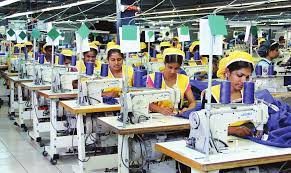
Introduction about SPECIALIZED SEWING MACHINE OPERATOR
A specialized sewing machine operator is a skilled professional responsible for operating and maintaining specific types of sewing machines designed for specialized tasks within the textile and apparel manufacturing industry. These individuals play a crucial role in the production process, as they work with precision and expertise to create products that require specialized stitching techniques and attention to detail.
Specialized sewing machine operators are often found in various sectors, including fashion, upholstery, automotive, and industrial textiles. They are trained to use specialized equipment such as sergers, overlock machines, buttonhole machines, embroidery machines, and more, each tailored to a specific sewing task. Some of the common roles and responsibilities of specialized sewing machine operators include:
Expertise in Machine Operation: Specialized operators are highly skilled in operating their designated sewing machines. They have an in-depth understanding of the machine's settings, adjustments, and troubleshooting techniques.
Material Selection and Handling: They are knowledgeable about different types of fabrics and materials and know how to handle them appropriately to ensure a high-quality end product.
Precision Stitching: These operators are adept at producing precise and consistent stitches, which is crucial for achieving a professional finish on the products they create.
Quality Control: They often play a significant role in maintaining the quality of the finished product by ensuring that each item meets specific standards and specifications.
Problem Solving: Specialized sewing machine operators can troubleshoot and address any machine-related issues to maintain efficiency and productivity.
Creativity and Innovation: In some cases, these professionals may be involved in creating unique and decorative stitches or patterns, especially in industries like fashion and embroidery.
Adherence to Safety and Quality Standards: They follow safety protocols to prevent accidents and maintain a clean and organized work environment.
Collaboration: In larger manufacturing settings, specialized sewing machine operators may work closely with patternmakers, designers, and quality control teams to ensure that the final product meets design and quality requirements.
How can I apply for admission to SPECIALIZED SEWING MACHINE OPERATOR Program
Admission to a specialized sewing machine operator program will depend on the specific institution or training center offering the program. These programs can vary in terms of duration, curriculum, and admission requirements. However, here is a general outline of the steps you can follow to apply for admission:
Research Programs: Start by researching specialized sewing machine operator programs in your area or online. Look for vocational schools, community colleges, trade schools, or adult education centers that offer such training. Read about the program details, including the curriculum, duration, and any prerequisites.
Understand Admission Requirements: Different programs may have varying admission requirements. Common prerequisites for sewing machine operator programs may include a minimum age requirement, a high school diploma or GED (General Educational Development) certificate, and, in some cases, basic sewing skills or prior experience in the field. Make sure you understand what the specific program you're interested in requires.
Prepare Required Documents: Once you have a list of programs you're interested in, gather the necessary documents for your application. These documents may include:
High school diploma or GED certificate
Transcripts, if required
Application form provided by the institution
Identification (e.g., driver's license or passport)
Proof of residency or visa, if applicable
Any additional documents requested by the program
Complete the Application: Fill out the application form for your chosen program. Be sure to provide accurate and complete information, and follow any specific instructions provided by the institution. Pay attention to application deadlines.
Pay Application Fees: Some programs may require an application fee. Make sure to submit the required fee along with your application, if applicable.
Attend an Interview or Orientation: Some programs may require applicants to attend an interview or orientation session. This is an opportunity for the program coordinators to assess your interest and commitment and for you to learn more about the program. Be prepared to discuss your motivation for pursuing a career as a sewing machine operator.
Financial Aid: If you need financial assistance to cover the program's tuition or related expenses, inquire about available scholarships, grants, or financial aid options. Many vocational programs offer financial aid to eligible students.
Wait for Admission Decision: After submitting your application, you'll need to wait for the admission decision from the program. This may take some time, so be patient.
Enroll and Register: If you are accepted into the program, follow the enrollment and registration instructions provided by the institution. This may include paying tuition, selecting classes, and obtaining any required materials or uniforms.
Begin Your Training: Once enrolled, you can begin your specialized sewing machine operator training. Make the most of the opportunity by actively participating, practicing your skills, and seeking guidance from instructors.
What is the eligibility for SPECIALIZED SEWING MACHINE OPERATOR
The eligibility requirements for a specialized sewing machine operator program can vary depending on the institution offering the program and the specific program itself. However, I can provide you with a general overview of the typical eligibility criteria you might encounter when applying for such a program:
Age Requirement: Most programs have a minimum age requirement, often 16 years or older, to ensure that students are at an appropriate age to participate in vocational or technical training.
Educational Background: While specialized sewing machine operator programs generally do not require a high school diploma or GED, having one can be advantageous. Some programs may require applicants to have a high school diploma or its equivalent.
Basic Sewing Skills: Depending on the program, some prior knowledge of sewing may be preferred. This may not be a strict requirement, but it can be beneficial if you have some familiarity with sewing techniques and terminology.
English Language Proficiency: Proficiency in the English language may be required to ensure that students can understand and follow instructions in English, especially in programs where the primary language of instruction is English.
Legal Status: Some programs may have eligibility criteria related to your legal status in the country where the program is offered. This may include requirements for citizenship, residency, or appropriate visa status.
Interview or Assessment: In some cases, you may be required to attend an interview, orientation session, or assessment to gauge your interest, motivation, and suitability for the program.
Physical Requirements: Sewing machine operator programs may involve physically demanding tasks, such as lifting heavy materials or standing for extended periods. Be prepared for any physical requirements that the program may have.
How long does it takes to complete a SPECIALIZED SEWING MACHINE OPERATOR program
The duration of a specialized sewing machine operator program can vary depending on several factors, including the specific program, the institution offering it, and the level of specialization. Here are some general guidelines for understanding the time it takes to complete such a program:
Certificate Programs: Many specialized sewing machine operator programs offer certificate programs that can typically be completed in a relatively short timeframe, often in a few weeks to a few months. These programs are designed to provide essential skills and knowledge for entry-level positions.
Diploma Programs: Some institutions offer more comprehensive diploma programs, which can last from six months to a year. These programs provide a more in-depth education and may cover a wider range of sewing techniques and equipment.
Associate's Degree Programs: In some cases, you can pursue an associate's degree in areas related to sewing and fashion. These programs usually take two years to complete and provide a well-rounded education, including general education courses in addition to sewing and garment construction.
Specialized Training: For highly specialized areas like haute couture, upholstery, or industrial sewing, the training period may vary. In some cases, it may take longer to become proficient in the specific skills required.
Online vs. In-Person: The delivery format of the program can also affect the duration. Online programs may offer more flexibility in terms of timing and can sometimes be completed at your own pace, while in-person programs typically have fixed schedules.
What are potential career opportunities after SPECIALIZED SEWING MACHINE OPERATOR
Becoming a specialized sewing machine operator can open up various career opportunities in the textile and garment industry. Depending on your specialization, skills, and experience, you may find employment in a variety of roles. Here are some potential career opportunities:
Sewing Machine Operator: As a specialized sewing machine operator, you can work in various settings, including garment factories, upholstery shops, or textile manufacturing facilities. Your role may involve operating specific sewing machines for tasks like stitching, hemming, buttonholing, or decorative stitching.
Patternmaker: Patternmakers create templates or patterns for cutting fabric pieces that will be assembled into garments or other textile products. This role requires a good understanding of garment construction and the ability to create patterns that ensure proper fit and alignment.
Tailor or Seamstress: Specialized sewing machine operators with expertise in garment construction and alteration can pursue a career as a tailor or seamstress. They may work in alteration shops, custom clothing boutiques, or provide individual tailoring services.
Embroidery Specialist: If you have experience with embroidery machines, you can work as an embroidery specialist. Your role would involve creating intricate embroidered designs on garments, accessories, and textiles.
Upholsterer: Upholsterers work on furniture, vehicle interiors, and other upholstered products. They use specialized sewing machines to attach fabric, padding, and other materials to frames and structures.
Industrial Sewing Machine Technician: Specialized sewing machine operators who are well-versed in machine maintenance and repair may choose to become sewing machine technicians. They service and repair sewing machines in manufacturing settings.
Costume Designer: In the entertainment industry, costume designers create and produce costumes for films, theater productions, and television shows. Your specialized sewing skills can be highly valuable in this creative field.
Couturier or Fashion Designer: For those with a passion for high fashion and an eye for design, a career in couture or fashion design is an option. Specialized sewing skills can be a significant asset in creating unique, one-of-a-kind pieces.
Quality Control Inspector: Some sewing machine operators transition into quality control roles, where they inspect finished products for defects, ensure they meet quality standards, and make necessary corrections.
Entrepreneur: If you have the skills and creativity, you can start your own sewing business. You can offer services like custom clothing design, tailoring, or specialized sewing work, such as creating unique home textiles or accessories.
Teaching and Training: Experienced sewing machine operators can become instructors, teaching others the art of sewing and garment construction. This could involve working at vocational schools, community colleges, or offering private lessons.
Textile Production Manager: With experience and knowledge of specialized sewing techniques, you may qualify for management positions in textile and garment production facilities, overseeing the production process, quality control, and staff.
Syllabus of SPECIALIZED SEWING MACHINE OPERATOR
The specific syllabus for a specialized sewing machine operator program can vary widely depending on the institution and the program's focus. However, I can provide a general outline of topics that might be covered in such a program, organized into semesters for a hypothetical one-year program:
First Semester:
Introduction to Sewing Machines and Equipment
Overview of different sewing machines
Machine parts and functions
Threading and bobbin winding
Basic Sewing Techniques
Hand and machine stitching
Seam types and finishes
Fabric handling and cutting
Understanding Fabric and Textiles
Fabric types and characteristics
Fabric identification
Fabric care and maintenance
Sewing Safety and Maintenance
Safety protocols in the sewing environment
Basic machine maintenance and troubleshooting
Second Semester:
Specialized Machine Operation
Operation of sergers/overlock machines
Buttonhole machines
Embroidery machines
Blind hemming machines
Garment Construction
Reading and understanding patterns
Garment assembly
Fitting and alterations
Finishing Techniques
Pressing and ironing
Hemming and edge finishes
Adding closures (zippers, buttons, snaps)
Quality Control and Inspection
Identifying and rectifying defects
Inspecting finished products for quality
Third Semester:
Specialized Techniques (based on the program's focus)
For example, upholstery, costume design, haute couture, automotive sewing, or other specialized areas.
Advanced Garment Construction
Tailoring techniques
Creating custom patterns
Specialized clothing items (e.g., bridal gowns, suits)
Business and Entrepreneurship Skills (optional)
Starting a sewing business
Marketing and client management
Costing and pricing
Capstone Project
Students may work on a major sewing project or demonstrate their expertise in a particular specialization.
Internship opportunities after completing SPECIALIZED SEWING MACHINE OPERATOR
Completing a specialized sewing machine operator program can open up various internship opportunities in the textile and apparel industry. Internships provide valuable hands-on experience, allow you to apply the skills you've learned, and often serve as a bridge to future employment. Here are some internship opportunities you might consider:
Fashion Design House or Atelier: Many fashion design houses and ateliers offer internships for sewing machine operators. These internships can provide exposure to high-end fashion, custom garments, and couture. You might work on creating prototypes, assisting with fittings, and mastering intricate sewing techniques.
Garment Manufacturing Companies: Interning with a garment manufacturing company can give you experience in a high-production environment. You may work on assembly lines, learn about efficient production processes, and gain insight into quality control and inspection.
Upholstery Shops: If you're interested in upholstery, consider interning at upholstery shops. You'll learn to work with fabrics used for furniture, automotive interiors, or marine applications. This type of internship can provide hands-on experience in furniture or automotive upholstery.
Costume Design for Theater or Film: If you have an interest in costume design, intern with theater or film production companies. You'll contribute to the creation of costumes for actors and actresses, gaining exposure to theatrical or cinematic sewing techniques.
Bridal Boutiques: Bridal boutiques often seek interns to help with wedding dress fittings, alterations, and custom design. This can be a great opportunity to work with unique fabrics and intricate detailing.
Embroidery Studios: If you have experience with embroidery machines, intern with embroidery studios. You'll work on custom embroidery projects for clothing, accessories, and home textiles.
Tailoring and Alteration Shops: Interning with tailoring and alteration shops allows you to gain experience in garment alterations and custom tailoring. You'll work on adjusting clothing for customers to achieve the perfect fit.
Home Textile and Decor Companies: Home textile and decor companies create products like curtains, bedding, and upholstery for interior design. An internship with such companies can help you master techniques specific to home textiles.
Textile Manufacturing Facilities: Internships at textile manufacturing facilities can provide insight into the textile production process. You'll learn about the various types of fabrics and their characteristics.
Sewing Machine Sales and Repair Shops: Interning with sewing machine sales and repair shops can be beneficial if you're interested in sewing machine maintenance and repair. You'll learn how to service and troubleshoot sewing machines.
Scholarship and grants for SPECIALIZED SEWING MACHINE OPERATOR
While scholarships and grants specific to specialized sewing machine operator programs may be less common compared to other fields of study, there are still opportunities available, particularly if you are pursuing a broader education in fashion, textiles, or a related field. Here are some potential sources of financial aid for your specialized sewing machine operator training:
Institutional Scholarships: Many vocational schools, community colleges, and trade institutions offer scholarships to students pursuing programs in fashion, textiles, or sewing. Check with the institution where you plan to enroll to see if they have any scholarships available for students in your field.
Industry Associations: Some fashion and textile industry associations offer scholarships to students pursuing careers in the field. For example, the Fashion Scholarship Fund and the Costume Society of America both provide scholarships to students studying fashion and costume design.
Private Foundations and Nonprofits: Explore foundations and nonprofits that support education and vocational training. Some organizations may offer grants and scholarships for students in trade and vocational programs, including specialized sewing machine operation.
Local Community and Civic Organizations: Check with local community groups, civic organizations, and chambers of commerce. They sometimes offer scholarships to students in their communities pursuing vocational and technical education.
State and Federal Financial Aid Programs: Even if there are no specific scholarships for sewing machine operators, you may be eligible for general financial aid programs, such as federal Pell Grants, state grants, or work-study opportunities. Fill out the Free Application for Federal Student Aid (FAFSA) to determine your eligibility for federal aid.
Employer Sponsorship or Tuition Reimbursement: If you are currently employed or plan to work in a related field, inquire with your employer about sponsorship or tuition reimbursement programs. Some employers offer financial support for employees seeking additional training or education.
Online Scholarship Search Engines: Use online scholarship search engines and databases to explore potential scholarship opportunities. Websites like Fastweb, Scholarships.com, and Cappex allow you to search for scholarships based on your field of study and other criteria.
Program-Specific Scholarships: Although scholarships directly targeting specialized sewing machine operators are less common, consider broader fashion and textiles scholarships. These can help support your education in related areas, and you can apply your skills to sewing machine operation.
Local Sewing and Quilting Guilds: Some local sewing and quilting guilds or groups offer scholarships to individuals pursuing sewing-related education. These organizations often have a strong interest in fostering the next generation of sewing enthusiasts.
Conclusion
In conclusion, pursuing a career as a specialized sewing machine operator offers a unique and valuable skill set that can lead to various opportunities in the textile and apparel industry. These professionals play a crucial role in the production and creation of a wide range of products, from clothing and accessories to upholstery and home textiles. As a specialized sewing machine operator, you become proficient in operating specific sewing machines and techniques tailored to your chosen field, such as serging, embroidery, or buttonholing.
FAQ,s
What is a specialized sewing machine operator?
A specialized sewing machine operator is a skilled professional who operates specific types of sewing machines tailored for specialized tasks in the textile and apparel industry.
What types of sewing machines do specialized operators use?
Specialized operators work with a range of machines, such as sergers, overlock machines, buttonhole machines, embroidery machines, and more, each designed for specific sewing tasks.
How do I become a specialized sewing machine operator?
To become a specialized sewing machine operator, you typically need to enroll in a specialized sewing program or vocational training course. These programs provide the necessary skills and knowledge.
What are the career opportunities for specialized sewing machine operators?
Career opportunities include working in garment manufacturing, fashion design, upholstery, costume design, bridal boutiques, and more. You can also start your own sewing business or work in machine repair and maintenance.
Are there scholarships or financial aid options available for specialized sewing machine operator programs?
While scholarships specifically for sewing machine operators are less common, you can explore general fashion and textiles scholarships, financial aid programs, and grants to support your education in this field.
How long does it take to complete a specialized sewing machine operator program?
The duration of the program can vary but generally ranges from a few weeks to a year, depending on the institution and the program's focus.
What are the eligibility requirements for specialized sewing machine operator programs?
Eligibility criteria may include a minimum age requirement, a high school diploma or GED, basic sewing skills, and, in some cases, English language proficiency.
What skills do specialized sewing machine operators need?
Specialized sewing machine operators need skills in machine operation, fabric handling, sewing techniques, attention to detail, and sometimes, knowledge of maintenance and troubleshooting.
Can I pursue a career as a specialized sewing machine operator if I don't have prior sewing experience?
Yes, many specialized sewing machine operator programs are designed for beginners, and they provide the necessary training to build your skills from the ground up.
What is the earning potential for specialized sewing machine operators?
Earnings can vary depending on location, experience, and the specific field of specialization. In general, experienced sewing machine operators can earn competitive wages, especially in roles that require high levels of skill and expertise.
How Shiksha Hub helps you in
-
 Student Counsellors
 -
 Career Counseling
 -
 Research
 -
 24/7 Support
 -
 Scholarships
 -
 Community