Posted by Admin on 07-01-2023 in Shiksha hub
Sri Guru Ram Das University of Health Sciences - SGRDUHS, Sri Amritsar, Punjab: About Us, Courses, Eligibility, Fees, Admission, Ranking, Syllabus, Placement 2024
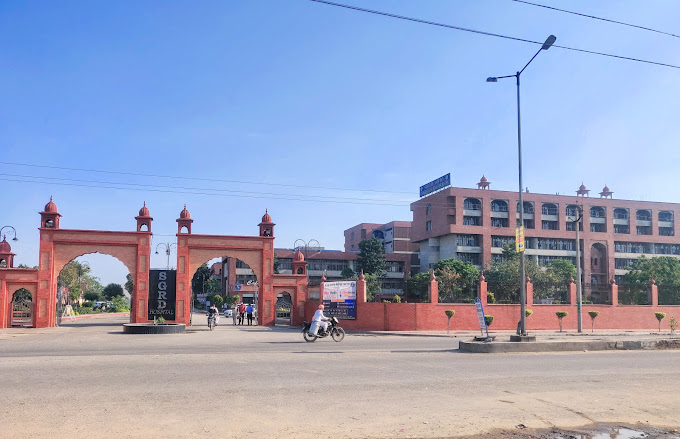
Sri Guru Ram Das University of Health Sciences: About Us
Established in 2016 in Sri Amritsar, Punjab, SGRDUHS is a state private university with roots tracing back to institutions like Sri Guru Ram Das Charitable Hospital (1977) and Sri Guru Ram Das Institute of Medical Sciences and Research (1997). The university's vision prioritizes excellence in health science education, constantly updating teaching methods and facilities. Constituent institutes include SGRDIMSAR, SGRDCON, and SGRDRCI. SGRDUHS stands as a hub for producing top-tier healthcare professionals, including doctors, nurses, researchers, and academics. With a commitment to staying abreast of the latest advancements, the university positions itself as a comprehensive and advanced centre for healthcare education.

Sri Guru Ram Das University of Health Sciences Vision, Mission & Objectives
Vision: "From dissection to reconstruction, producing excellence." (Emphasis on training skilled healthcare professionals.)
Mission:
Education: Provide high-quality and ethical healthcare education.
Patient Care: Deliver accessible and compassionate care at affordable costs.
Research: Strive for excellence in academic and professional pursuits.
Objectives:
Cancer Detection: Early detection through the "SOCH" project to reduce the cancer burden in Punjab.
Professional Development: Treat healthcare professionals with respect and dignity.
Sri Guru Ram Das University of Health Sciences Admission Process, Eligibility Criteria, and Fee Structure
|
Course |
Duration (Years) |
Eligibility Criteria |
Entrance Exam |
Fee Structure (approx.) |
|
MBBS |
5.5 |
10+2 with 50% (PCB) |
NEET UG |
₹ 46 Lakhs - ₹ 55 Lakhs |
|
B.Sc. (e.g., Nursing) |
4 |
10+2 with 45% (PCB & Eng) |
- |
₹ 90,000 - ₹ 2 Lakhs |
|
B.Sc. (e.g., MLT) |
3 |
10+2 with 50% (PCB & Eng) |
- |
₹ 90,000 - ₹ 2 Lakhs |
|
BPT |
4.5 |
10+2 with 50% |
- |
₹ 1.2 Lakhs |
|
GNM |
3.5 |
10+2 with 40% |
- |
₹ 75,000 |
How do I apply for admission to Sri Guru Ram Das University of Health Sciences?
1. Check Eligibility: Ensure you meet the specific criteria for your desired program.
2. Check Entrance Exams: See if an entrance exam like NEET UG is required.
3. Visit Website/Prospectus: Access the official website or prospectus for detailed information on the application process, including deadlines and documents required.
4. Apply Online: Utilize the university's online application portal (if available).
5. Submit Documents: Meet deadlines and submit all required documents according to the instructions.
6. Entrance Exam (if applicable): Take the required entrance exam and achieve the qualifying score.
7. Selection Process: Await selection based on merit/entrance exam scores and undergo counselling if applicable.
Sri Guru Ram Das University of Health Sciences Facilities
Academic Facilities:
Lecture theatres and examination halls are equipped with modern audio-visual aids.
Well-equipped and spacious laboratories for various disciplines.
Air-conditioned library with a vast collection of books, journals, and e-resources.
Computer labs with internet connectivity for students' learning and research.
Clinical Facilities:
Sri Guru Ram Das Institute of Medical Sciences and Research (SGRDIMSAR) - a multispecialty hospital providing comprehensive healthcare services.
The hospital is equipped with advanced diagnostic and therapeutic equipment, including CT scan, MRI, cath lab, and operation theatres.
It also houses various specialty departments like cardiology, oncology, neurology, and orthopaedics.
Residential Facilities:
Separate hostels for boys and girls with well-maintained rooms, mess facilities, and recreational spaces.
Other Facilities:
Auditorium for hosting seminars, conferences, and cultural events.
Sports complex with facilities for various indoor and outdoor games.
Bank with an ATM facility for the convenience of students and staff.
Career Opportunities after Sri Guru Ram Das University of Health Sciences
Clinical Practice:
Doctors: MBBS graduates can pursue specialization through various residency programs (MD/MS) or practice as general practitioners in hospitals, clinics, or set up their own private practice.
Nurses: B.Sc. Nursing graduates can work in hospitals, clinics, nursing homes, and public health settings. They can also specialize in areas like critical care, paediatrics, or community health.
Paramedics: Graduates from programs like B.Sc. MLT (Medical Laboratory Technology), BPT (Bachelor in Physiotherapy), or Radiology Technology can work in hospitals, laboratories, rehabilitation centres, or with organizations providing specialized services.
Research and Academia:
After completing postgraduate studies (M.Sc. or Ph.D.), graduates can pursue research careers in universities, research institutions, or pharmaceutical companies. They can also contribute to the academic field by joining faculties at universities or colleges.
Public Health and Community Care:
Graduates with public health-oriented degrees can work in government agencies, NGOs, and community health organizations, focusing on preventive healthcare, disease control, and health education.
Entrepreneurship:
With relevant skills and experience, graduates can explore entrepreneurship opportunities by setting up private clinics, diagnostic centres, or other healthcare-related businesses.
Sri Guru Ram Das University of Health Sciences Activities
Academic Activities:
Seminars and workshops: The university might organize seminars and workshops related to various health sciences topics, inviting renowned professionals and academics.
Guest lectures: Experts from different fields might be invited to deliver lectures, broadening students' knowledge and perspectives.
Quizzes and competitions: These events can test students' knowledge, encourage academic engagement, and foster healthy competition.
Co-curricular Activities:
Clubs and societies: Students might form clubs and societies based on their interests, which can provide opportunities for learning, socializing, and pursuing hobbies outside of academics.
Cultural events: The university might organize cultural events like festivals, plays, and musical performances, promoting cultural exchange and fostering a vibrant campus life.
Sports activities: SGRDUHS provides a sports complex, suggesting the possibility of sports teams, tournaments, or intramural competitions.
Social & Community Service Activities:
Health awareness campaigns: Students might organize campaigns in the community to raise awareness about public health issues like hygiene, sanitation, and preventable diseases.
Free medical camps: The university, in collaboration with its affiliated hospitals, might organize free medical camps to provide healthcare services to underprivileged communities.
Blood donation drives: These events can contribute to the community blood bank and promote the importance of blood donation.
Sri Guru Ram Das University of Health Sciences Scholarships Programme
Merit-based scholarships: Awarded to students with exceptional academic performance in entrance exams or their academic programs.
Need-based scholarships: Offered to students from economically weaker sections based on their family income and financial situation.
Reservation-based scholarships: Available for students belonging to specific categories like Scheduled Castes (SC), Scheduled Tribes (ST), Other Backward Classes (OBC), and minority communities.
Alumni scholarships: Funded by SGRDUHS alumni to support deserving students.
Other scholarships: Additional scholarships may be available from external organizations or trusts.
Sri Guru Ram Das University of Health Sciences Affiliation and Accreditation
Affiliation:
State Private University: Operates independently under the Punjab Private Universities Act (2009), not directly affiliated with another university.
Accreditation:
NAAC Accreditation: Accredited with an 'A' grade in 2017, indicating high-quality educational programs.
Specific Program Recognitions:
Indian Nursing Council (INC): Recognition for specific programs like B.Sc. Nursing by the national body overseeing nursing education in India.
Additional Points:
UGC Approval: Approved by the University Grants Commission (UGC) of India, ensuring compliance with national university standards.
Program-Specific Accreditations: While program-specific accreditations like NBA are not detailed on the website, contacting the university directly for specific programs is advised.
Sri Guru Ram Das University of Health Sciences's FAQs
1. Q: When was Sri Guru Ram Das University of Health Sciences established?
A: Sri Guru Ram Das University of Health Sciences was established in 2016 in Sri Amritsar, Punjab.
2. Q: What are the constituent institutes of SGRDUHS?
A: The constituent institutes include SGRDIMSAR (Sri Guru Ram Das Institute of Medical Sciences and Research), SGRDCON, and SGRDRCI.
3. Q: What is the vision of SGRDUHS?
A: The vision is "From dissection to reconstruction, producing excellence," emphasizing the training of skilled healthcare professionals.
4. Q: How do I apply for admission to SGRDUHS?
A: Check eligibility, entrance exam requirements, visit the official website/prospectus for details, apply online (if available), submit required documents, take the entrance exam (if applicable), and await selection based on merit.
5. Q: What are the major courses offered, and what are the eligibility criteria for MBBS?
A: Major courses include MBBS, B.Sc. Nursing, B.Sc. MLT, BPT, and GNM. For MBBS, eligibility is 10+2 with 50% (PCB), and admission is through NEET UG.
6. Q: What is the fee structure for MBBS at SGRDUHS?
A: The approximate fee for MBBS is between ₹46 Lakhs - ₹55 Lakhs.
7. Q: What facilities are available at SGRDUHS?
A: Academic facilities include modern lecture theatres, well-equipped laboratories, a vast library, and computer labs. Clinical facilities include a multispecialty hospital, advanced diagnostic equipment, and various specialty departments. Residential facilities include separate hostels for boys and girls.
8. Q: What career opportunities are available after completing a program at SGRDUHS?
A: Graduates can pursue clinical practice, research and academia, public health and community care, or explore entrepreneurship opportunities.
9. Q: Are there any scholarships available at SGRDUHS?
A: Yes, SGRDUHS offers merit-based, need-based, reservation-based, and alumni scholarships to support deserving students.
10. Q: Is SGRDUHS accredited? -
A: Yes, SGRDUHS was accredited with an 'A' grade by the National Assessment and Accreditation Council (NAAC) in 2017.
How Shiksha Hub helps you in
-
 Student Counsellors
 -
 Career Counseling
 -
 Research
 -
 24/7 Support
 -
 Scholarships
 -
 Community