Posted by Admin on 27-08-2023 in Shiksha hub
Stitching Operator (Footwear), Introduction, Admission, Registration, Eligibility, Duration, Fees, Syllabus 2024
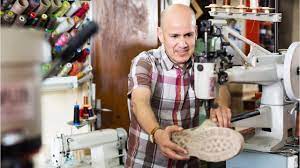
Introduction about STITCHING OPERATOR (FOOTWEAR)
A stitching operator in the context of footwear manufacturing plays a critical role in the assembly of various types of shoes, boots, and other footwear products. This skilled worker is responsible for joining the different components of the footwear upper (the part that covers the foot) and sometimes the sole, using specialized sewing machines and techniques. The stitching operator is a vital link in the production process, as the quality of their work directly impacts the overall comfort, durability, and aesthetics of the final footwear product.
Key responsibilities of a stitching operator in the footwear industry typically include:
Sewing Upper Components: Stitching operators sew together various pieces of the footwear upper, such as the vamp, quarters, eyestays, and linings. These components are often made from materials like leather, synthetic materials, textiles, or a combination of these.
Sole Attachment: In some cases, stitching operators may also be involved in attaching the outsole or insole to the upper of the shoe. This process can require the use of different types of sewing machines and stitching methods, depending on the design of the footwear.
Stitching Techniques: Stitching operators are skilled in using a variety of stitching techniques, including lockstitch, chainstitch, and overlock, among others. The choice of stitch type and thread is often determined by the specific requirements of the footwear being produced.
Quality Control: Ensuring the stitching is neat, precise, and consistent is a crucial aspect of the stitching operator's job. They are responsible for inspecting the finished work to identify and rectify any defects, ensuring that the footwear meets quality standards.
Machine Maintenance: Stitching operators are also responsible for the maintenance of their sewing machines. This includes cleaning, oiling, and making minor adjustments to ensure that the equipment operates efficiently.
Speed and Efficiency: Efficiency is essential in footwear production, and stitching operators are expected to maintain a reasonable pace while maintaining the quality of their work. This often involves maintaining a consistent stitch length and preventing errors in the sewing process.
Adaptability: The specific tasks of a stitching operator can vary depending on the type and design of the footwear being manufactured. They need to adapt to different patterns, materials, and stitching requirements.
How can I apply for admission to STITCHING OPERATOR (FOOTWEAR) Program
To apply for admission to a Stitching Operator (Footwear) program, you will need to follow a specific process that may vary depending on the educational institution and program you are interested in. Here are the general steps to help guide you through the application process:
Research Programs: Start by researching educational institutions, such as vocational schools, community colleges, or technical institutes, that offer Stitching Operator (Footwear) programs. Look for programs that match your interests and career goals.
Admission Requirements: Review the admission requirements for the specific program you're interested in. These requirements may include educational prerequisites, age limits, and other criteria. Ensure you meet these requirements.
Prepare Required Documents: Gather all necessary documents for your application, which may include:
High school diploma or equivalent certificate
Transcripts or academic records
Proof of age and identity (e.g., birth certificate or ID)
Resume or CV (if required)
Letters of recommendation (if required)
Application fee (if applicable)
Fill Out Application: Complete the program's application form, which can often be found on the institution's website or obtained through their admissions office. Make sure to provide accurate and complete information.
Write a Personal Statement: Some programs may require a personal statement or essay as part of the application. This is your opportunity to explain why you're interested in becoming a stitching operator and how this program aligns with your career goals.
Submit Application: Follow the instructions provided on the application form to submit your application. This may involve sending it online through the institution's application portal or mailing a physical copy to their admissions office.
Pay Application Fee: If the program requires an application fee, make the payment according to the specified method and deadline.
Attend an Interview (if required): Some programs may request an interview as part of the admission process. Be prepared to discuss your interest in the program and your career aspirations.
Wait for Admission Decision: After submitting your application, wait for the admission committee to review your materials and make a decision. This may take several weeks, so be patient.
Acceptance and Enrollment: If you receive an offer of admission, carefully read and follow the instructions for enrollment. This may include paying a deposit, registering for classes, and other related steps.
Financial Aid and Scholarships: Investigate opportunities for financial aid, scholarships, or grants that may be available to help cover the cost of your education.
What is the eligibility for STITCHING OPERATOR (FOOTWEAR)
The eligibility requirements for a Stitching Operator (Footwear) program can vary depending on the specific institution and program. However, I can provide you with a general idea of the typical eligibility criteria you might encounter:
High School Diploma or Equivalent: Many Stitching Operator programs require applicants to have a high school diploma or an equivalent qualification, such as a General Educational Development (GED) certificate.
Minimum Age Requirement: Some programs may have a minimum age requirement for applicants, often 16 years or older. This can vary by institution and location.
English Language Skills: If the program is conducted in English, non-native English speakers may need to demonstrate proficiency through standardized tests like TOEFL or IELTS.
Physical Abilities: Being a Stitching Operator can involve standing for extended periods and performing repetitive tasks. Applicants should have the physical stamina and dexterity required for the role.
Criminal Background Check (if applicable): Some programs may require a criminal background check, especially if the training includes working with heavy machinery or in a secure environment.
Prerequisite Skills (Desirable): While not always required, having some basic skills or knowledge in sewing, fabric handling, or related areas may be advantageous and make you a more competitive applicant.
How long does it takes to complete a STITCHING OPERATOR (FOOTWEAR) program
The duration of a Stitching Operator (Footwear) program can vary depending on the institution, the specific program, and the level of training being offered. In general, these programs can last anywhere from a few weeks to several months. Here are some common durations you might encounter:
Short Courses or Workshops: Some institutions offer short courses or workshops in stitching for footwear production. These can typically be completed in a few weeks, ranging from 4 to 12 weeks. These shorter programs may cover basic stitching techniques and skills.
Certificate Programs: Certificate programs for stitching operators in footwear manufacturing can last from 3 months to 1 year. These programs offer more comprehensive training, including various stitching techniques, machine operation, and quality control.
Diploma Programs: Some institutions offer diploma programs that provide a more in-depth education in stitching for footwear production. These programs can last 1 to 2 years, depending on the curriculum and the institution.
Apprenticeships: In some regions, apprenticeship programs may be available for aspiring stitching operators. These programs combine on-the-job training with classroom instruction and can vary in duration, often lasting between 2 to 4 years.
What are potential career opportunities after STITCHING OPERATOR (FOOTWEAR)
Becoming a Stitching Operator in the footwear industry can open up several potential career opportunities, both in manufacturing and related fields. Here are some career paths you can explore after completing a Stitching Operator (Footwear) program:
Footwear Stitching Operator: This is the most direct career path, where you can work as a stitching operator in a footwear manufacturing facility. Your role will involve using various stitching techniques and sewing machines to assemble different components of footwear, ensuring quality and consistency.
Footwear Production Supervisor: With experience, you can advance to a supervisory role where you oversee a team of stitching operators and manage the production process. You'll be responsible for ensuring that production goals are met, quality standards are maintained, and the team works efficiently.
Quality Control Inspector: Quality control inspectors are responsible for assessing the quality of footwear products at various stages of production. This role involves identifying defects, ensuring that products meet industry standards, and making recommendations for improvements.
Footwear Designer: While this requires additional training and skills, some stitching operators transition into footwear design. They use their knowledge of construction techniques to create innovative and aesthetically pleasing shoe designs. Footwear designers often work for shoe companies or start their own brands.
Pattern Maker: Pattern makers create the templates and patterns used in the production of footwear. They use their knowledge of shoe construction to draft patterns that guide the cutting and stitching processes. This role can be an excellent fit for those with a strong understanding of footwear assembly.
Repair and Restoration Specialist: Some stitching operators choose to specialize in repairing and restoring footwear. This can be a lucrative career, especially for those who develop expertise in refurbishing high-end or vintage shoes.
Sales Representative: If you have good communication skills and a deep understanding of the footwear manufacturing process, you can work as a sales representative for footwear companies. You'll promote their products to potential clients, retailers, or distributors.
Entrepreneurship: Some individuals with stitching operator skills choose to start their own small footwear manufacturing businesses. This could involve producing custom-made shoes, artisanal footwear, or niche market products.
Teaching and Training: If you have extensive experience and a passion for teaching, you can become an instructor in footwear manufacturing or stitching techniques. Many vocational schools and training centers seek experienced professionals to educate the next generation of operators.
Consulting: After gaining significant experience, you can become a consultant for footwear manufacturers. You'll provide expertise on improving production processes, quality control, and efficiency.
Syllabus of STITCHING OPERATOR (FOOTWEAR)
The specific syllabus for a Stitching Operator (Footwear) program can vary depending on the institution and the level of the program (e.g., certificate, diploma, or degree). However, I can provide a general overview of the topics that are typically covered in such programs, organized by semesters for a diploma-level program. Keep in mind that the exact content may differ, and it's essential to refer to the curriculum provided by the specific institution offering the program.
Semester 1: Introduction to Footwear Stitching
Introduction to Footwear Manufacturing
Safety Procedures in the Workshop
Basic Stitching Techniques
Sewing Machine Operation and Maintenance
Hand Stitching
Stitching Different Footwear Components
Quality Control in Stitching
Semester 2: Advanced Stitching Techniques
Advanced Stitching Patterns and Techniques
Stitching Materials: Leather, Synthetic, Textiles
Stitching on Different Types of Footwear (e.g., boots, sandals, sneakers)
Pattern Making for Stitching
Stitching Machines and Equipment
Seam Types and Finishing Techniques
Troubleshooting and Problem-Solving
Semester 3: Quality Control and Production Management
Quality Control Procedures
Inspection and Testing Methods
Production Workflow and Efficiency
Identifying and Handling Defects
Workplace Safety and Ergonomics
Record Keeping and Documentation
Environmental and Sustainability Considerations
Semester 4: Advanced Topics and Specialization
Custom Shoe Stitching
Repair and Restoration Techniques
Specialized Stitching for High-end Footwear
Artisanal Shoe Design and Stitching
Specialized Stitching Machinery
Computer-Aided Stitching
Entrepreneurship and Small Business Management
Semester 5: Internship or Practical Experience
Hands-on Experience in a Footwear Manufacturing Facility
Applying Learned Techniques in a Real Work Environment
Supervision and Teamwork
Problem-Solving in a Production Setting
Quality Control in Practice
Semester 6: Capstone Project and Final Evaluation
Capstone Project in Footwear Stitching
Research and Implementation
Presentation of Project
Final Examinations
Graduation and Certification
Internship opportunities after completing STITCHING OPERATOR (FOOTWEAR)
After completing a Stitching Operator (Footwear) program, gaining practical experience through internships or work placements is highly beneficial for applying the skills you've learned and furthering your career in the footwear industry. Internship opportunities provide you with hands-on experience, a chance to network, and an understanding of real-world manufacturing environments. Here are some potential internship opportunities you can explore:
Footwear Manufacturing Companies: Seek internships with established footwear manufacturers. In these roles, you can work as a stitching operator or in related areas of production. This experience will allow you to apply your skills, learn about different types of footwear, and understand the production process.
Custom Shoe Shops: Some custom shoe shops and artisanal footwear manufacturers offer internships. This can be a valuable experience if you are interested in working on unique, high-quality footwear projects.
Repair and Restoration Shops: Consider interning at businesses specializing in shoe repair and restoration. You'll gain hands-on experience in refurbishing and repairing various types of footwear.
Quality Control and Inspection Roles: Internships in quality control or inspection departments of footwear manufacturing companies can help you understand how to assess and maintain the quality of products. This experience can be valuable for those interested in quality management or supervisory roles.
Pattern Making and Design Studios: If you're interested in expanding your skills and exploring design aspects of footwear, internships with pattern makers or footwear design studios can provide insights into the creative process.
Fashion Companies: Some fashion brands and retailers have in-house footwear production or partnerships with manufacturers. Interning with such companies can offer insights into the fashion and retail aspects of the industry.
Apprenticeships: Depending on the region and the availability of apprenticeship programs, you may have the opportunity to continue your education as an apprentice in the field, combining on-the-job training with classroom instruction.
Entrepreneurship: If you plan to start your own footwear manufacturing business, you might consider interning with or shadowing experienced entrepreneurs in the industry. This can provide valuable insights into the challenges and opportunities of running a small business.
Online Marketplaces and E-commerce Companies: Some e-commerce companies focus on selling footwear. Interning in these organizations can give you a perspective on the online retail and marketing aspects of the footwear industry.
Scholarship and grants for STITCHING OPERATOR (FOOTWEAR)
Scholarships and grants for a Stitching Operator (Footwear) program can vary by region, institution, and specific eligibility criteria. However, there are various scholarship and grant opportunities that can help support your education and training in this field. Here are some potential sources of financial aid:
Institutional Scholarships: Many vocational schools, technical institutes, and community colleges offer scholarships and grants to students pursuing vocational and technical programs, including Stitching Operator programs. These scholarships may be based on merit, need, or other criteria. Check with the institution where you plan to enroll for information on available scholarships.
Government Grants: Some government agencies and departments provide financial assistance for vocational and technical training programs. Inquire about federal or state grants that may be available to you. These grants may be based on financial need or specific criteria.
Workforce Development Programs: Workforce development agencies and organizations often offer grants or scholarships for training programs that prepare individuals for in-demand careers. These programs may collaborate with educational institutions to provide financial support for students.
Industry-Specific Scholarships: Some footwear manufacturers and associations related to the footwear industry offer scholarships and grants to students pursuing careers in this field. These scholarships may be tied to specific institutions or programs, so research organizations related to footwear manufacturing for potential opportunities.
Private Foundations and Organizations: There are private foundations, community organizations, and nonprofits that provide scholarships and grants to individuals pursuing vocational and technical education. Some of these organizations have a specific focus on supporting careers in the skilled trades.
Apprenticeship Programs: If you're considering an apprenticeship as part of your training, inquire about apprenticeship grants. Some apprenticeship programs offer financial assistance to apprentices, which can help cover the costs of tuition and materials.
Community and Technical College Scholarships: Community colleges often have scholarship programs for students enrolled in vocational and technical programs. Check with the financial aid office at your local community college for information on available scholarships.
General Scholarship Search Engines: Websites like Fastweb, Scholarship.com, and Cappex allow you to search for scholarships based on your field of study and other personal information. You can use these platforms to find scholarships that may be relevant to your Stitching Operator program.
Employer Tuition Assistance: If you're already employed, inquire with your employer about tuition assistance or reimbursement programs. Some employers offer financial support for employees seeking additional education and training in fields related to their work.
Federal Financial Aid: Depending on your country, you may be eligible for federal student financial aid, such as grants and loans, to support your vocational education. In the United States, for example, you can complete the Free Application for Federal Student Aid (FAFSA) to determine your eligibility.
Conclusion
In conclusion, a Stitching Operator in the footwear industry is a skilled professional responsible for assembling the various components of shoes and other footwear products. This role is critical to ensuring the quality, durability, and aesthetics of the final footwear. Stitching Operators use a variety of sewing techniques and machines to join materials such as leather, synthetics, and textiles, creating comfortable and stylish footwear.
FAQ,s
What does a Stitching Operator do in the footwear industry?
A Stitching Operator is responsible for sewing together the various components of shoes and other footwear products, using specialized sewing machines and techniques. This role ensures the durability, quality, and aesthetics of the final footwear.
What skills are required to become a Stitching Operator?
Skills required include proficiency in sewing techniques, machine operation, quality control, and attention to detail. Physical dexterity and the ability to work with different materials are also essential.
How can I become a Stitching Operator?
To become a Stitching Operator, you typically need to complete a Stitching Operator (Footwear) program or vocational training. Look for accredited programs at technical schools or community colleges.
What is the duration of a Stitching Operator program?
The duration of the program can vary but typically ranges from a few weeks to several months for shorter courses, and 1-2 years for more comprehensive diploma programs.
Are there apprenticeships available for Stitching Operators?
Yes, some regions offer apprenticeship programs for individuals interested in becoming Stitching Operators. These programs combine on-the-job training with classroom instruction.
What career opportunities are available after completing a Stitching Operator program?
Career opportunities include working as a Stitching Operator, production supervisor, quality control inspector, footwear designer, pattern maker, repair specialist, and even entrepreneurship in footwear manufacturing.
What are the essential sewing techniques for Stitching Operators?
Stitching Operators use techniques such as lockstitch, chainstitch, overlock, and various seam types to join different parts of footwear.
What types of materials are used in footwear stitching?
Stitching Operators work with materials like leather, synthetic fabrics, textiles, and sometimes a combination of these. The choice of material depends on the type of footwear being produced.
Are there scholarships available for Stitching Operator programs?
Yes, there are scholarships and grants available for vocational and technical programs, including those for Stitching Operators. These can vary by institution, location, and eligibility criteria.
Is quality control important for a Stitching Operator?
Yes, quality control is a critical aspect of a Stitching Operator's job. They are responsible for inspecting the finished work, identifying defects, and ensuring the footwear meets quality standards.
Is there a demand for Stitching Operators in the footwear industry?
Yes, there is a demand for skilled Stitching Operators in the footwear industry. Quality craftsmanship and precise stitching are crucial for producing high-quality footwear products.
Can I start my own footwear business after becoming a Stitching Operator?
Yes, after gaining experience and expertise, you can start your own footwear manufacturing or repair business. Entrepreneurship in this field is a viable career path.
How Shiksha Hub helps you in
-
 Student Counsellors
 -
 Career Counseling
 -
 Research
 -
 24/7 Support
 -
 Scholarships
 -
 Community