Posted by Admin on 11-07-2023 in Shiksha hub
Textile Designer Handloom Jacquard Introduction, Admission, Registration, Eligibility, Duration, Fees, Syllabus 2024
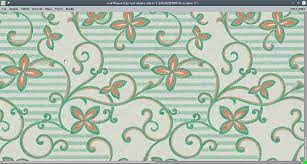
Introduction about Textile Designer Handloom Jacquard
A Textile Designer specializing in Handloom Jacquard combines artistic flair with technical expertise to create unique and intricate fabric designs. Handloom Jacquard refers to a weaving technique that allows for the production of complex patterns and textures in woven fabrics. This method involves the use of a Jacquard loom, which uses a system of punched cards to control the movement of individual warp threads, enabling the creation of intricate and varied designs.
The Textile Designer in this field is responsible for conceptualizing, designing, and overseeing the production of fabrics using handloom Jacquard techniques. They possess a deep understanding of the loom's capabilities and limitations, as well as a keen eye for aesthetics, color theory, and textile properties.
These designers often draw inspiration from various sources, including cultural influences, historical references, and contemporary trends. They use design software and hand-drawing techniques to create detailed patterns and motifs that can be translated into the language of the Jacquard loom. The designer must also consider factors such as yarn selection, weave structures, and finishing processes to achieve the desired look and feel of the final fabric.
Collaboration with skilled weavers and artisans is a crucial aspect of the Textile Designer's role. Effective communication and a deep understanding of the production process ensure that the envisioned design is accurately translated onto the loom. Additionally, textile designers in this field may work closely with manufacturers, ensuring that the final product meets quality standards and aligns with the intended design concept.
The combination of traditional handloom techniques and contemporary design sensibilities sets these designers apart, contributing to the creation of textiles that are not only visually stunning but also reflective of a rich cultural and artistic heritage. In a world where mass production is prevalent, the work of a Textile Designer specializing in Handloom Jacquard adds a touch of craftsmanship and individuality to the textile industry.
How can I apply for admission to Textile Designer Handloom Jacquard
Applying for admission to a Textile Designer program with a focus on Handloom Jacquard involves several steps. Here's a general guide:
Research Programs: Start by researching universities, colleges, or design institutes that offer textile design programs with a specialization in Handloom Jacquard. Look for institutions with a strong reputation in the field and a curriculum that aligns with your career goals.
Review Admission Requirements: Carefully go through the admission requirements of the institutions you are interested in. Typically, these requirements include academic transcripts, letters of recommendation, a portfolio of your previous artistic work, and a statement of purpose.
Educational Background: Ensure that you meet the educational prerequisites for the program. Most textile design programs require a background in art, design, or a related field. Some programs may also consider applicants from diverse educational backgrounds but with a strong portfolio showcasing artistic skills.
Prepare a Portfolio: Your portfolio is a critical component of your application. Include samples of your artwork, design projects, or any relevant creative work that demonstrates your skills and creativity. Highlight any projects related to textiles, weaving, or pattern design.
Letters of Recommendation: Obtain letters of recommendation from teachers, mentors, or professionals who can speak to your artistic abilities and potential as a textile designer. Make sure these individuals know you well and can provide meaningful insights into your capabilities.
Statement of Purpose: Write a compelling statement of purpose that outlines your passion for textile design, specifically Handloom Jacquard. Discuss your background, why you're interested in this specialization, and how the program aligns with your career aspirations.
Prepare for Interviews or Tests: Some programs may require interviews or aptitude tests as part of the admission process. Be prepared to discuss your portfolio, your motivations, and your understanding of Handloom Jacquard. Familiarize yourself with basic design principles and textile terminology.
Submit Your Application: Complete the application forms for the institutions you've selected. Pay attention to deadlines and ensure that all required documents, including transcripts, letters of recommendation, and your portfolio, are submitted accurately and on time.
Financial Aid and Scholarships: Explore financial aid options and scholarship opportunities offered by the institution or external organizations. Some programs may have specific scholarships for students pursuing textile design.
Follow Up: After submitting your application, follow up with the admissions office to confirm that they have received all your documents. Stay informed about the status of your application and be prepared for any additional steps in the admission process.
Remember to tailor your application materials to highlight your interest and experience in Handloom Jacquard specifically. Each program may have unique requirements, so be sure to carefully read and follow the guidelines provided by the institutions you are applying to.
What is the eligibility for Textile Designer Handloom Jacquard
The eligibility criteria for a Textile Designer program with a focus on Handloom Jacquard may vary depending on the specific requirements of the institution offering the program. However, here are some general eligibility criteria that are often associated with such programs:
Educational Background:
A background in art, design, or a related field is typically required. Many programs prefer candidates with a bachelor's degree in textile design, fashion design, fine arts, or a closely related discipline.
Minimum Academic Requirements:
Candidates are usually required to have a minimum level of academic achievement, often specified in terms of GPA (Grade Point Average) or equivalent. The exact GPA requirement can vary between institutions.
Portfolio Submission:
A strong portfolio showcasing your artistic and design skills is a common requirement. The portfolio should include examples of your work, particularly projects related to textiles, weaving, or pattern design. The quality of your portfolio is often a significant factor in the admission decision.
Letters of Recommendation:
Some programs may request letters of recommendation from teachers, mentors, or professionals who can speak to your artistic abilities and potential as a textile designer.
Statement of Purpose:
A well-written statement of purpose outlining your interest in textile design, specifically Handloom Jacquard, is often required. This document should convey your motivations, background, and career aspirations.
Entrance Exams or Aptitude Tests:
Certain programs may require candidates to take entrance exams or aptitude tests to assess their design aptitude and skills. These tests may cover aspects of design, creativity, and basic knowledge of textiles.
Interviews:
In some cases, applicants may be required to participate in interviews as part of the selection process. This allows the admissions committee to evaluate your passion for the field, communication skills, and suitability for the program.
It's important to note that eligibility criteria can vary, and you should check the specific requirements of each institution you are interested in. Some programs may have additional prerequisites or consider applicants from diverse educational backgrounds, provided they demonstrate relevant skills and a strong interest in textile design, especially in the context of Handloom Jacquard. Always refer to the official admission guidelines of the institution offering the program for the most accurate and up-to-date information.
How long does it takes to complete a Textile Designer Handloom Jacquard
The duration to complete a Textile Designer program with a specialization in Handloom Jacquard can vary based on the level of the program and the structure of the curriculum. Typically, programs in textile design are offered at the undergraduate and postgraduate levels. Here are the general timelines for each:
Undergraduate Programs:
Bachelor's degree programs in Textile Design with a focus on Handloom Jacquard often take around three to four years to complete. The exact duration may vary depending on factors such as the country, the specific curriculum of the program, and whether it includes internships or cooperative education experiences.
Postgraduate Programs:
Master's degree programs in Textile Design, including those with a specialization in Handloom Jacquard, usually have a duration of one to two years. The length can vary based on whether it is a Master of Arts (MA) or Master of Fine Arts (MFA) program, as well as the specific requirements of the institution.
Ph.D. Programs:
For those interested in pursuing advanced research in the field, Ph.D. programs in textile design may also be available. The duration of a Ph.D. program varies, often taking around three to five years or more, depending on the research scope and individual progress.
Keep in mind that these timelines are general estimates, and the actual duration can be influenced by factors such as part-time or full-time enrollment, any additional internships or practical experiences required, and the specific academic calendar of the institution.
Before enrolling in a program, it's advisable to carefully review the curriculum, credit requirements, and any additional components, such as internships or thesis projects, to understand the full scope of the program and its expected duration. Additionally, programs may offer flexibility in terms of part-time or accelerated study options, allowing students to tailor their academic journey based on individual needs and goals.
What are potential career opportunities after Textile Designer Handloom Jacquard
A Textile Designer with expertise in Handloom Jacquard opens up various career opportunities in the textile and fashion industry. Here are some potential career paths:
Textile Designer (Specializing in Jacquard):
Work directly as a textile designer, specializing in Jacquard weaving techniques. Design intricate patterns and textures for fabrics, considering both aesthetic and technical aspects of the Jacquard loom.
Weaver/Handloom Operator:
Become a skilled weaver or handloom operator, involved in the actual production of fabrics using Jacquard looms. Execute the designs created by textile designers, ensuring precision in weaving to bring the patterns to life.
Textile Production Manager:
Move into a managerial role within textile production, overseeing the entire process from design to manufacturing. This role involves coordinating with design teams, ensuring quality control, and managing production schedules.
Fashion Designer:
Combine textile design skills with fashion by becoming a fashion designer. Create clothing collections that feature fabrics designed using Handloom Jacquard techniques. This could include both ready-to-wear and high-fashion garments.
Product Development Specialist:
Work in product development, collaborating with manufacturers and retailers to create new textile products. This may involve designing fabrics for home decor, upholstery, accessories, or other textile-based products.
Textile Consultant:
Offer your expertise as a consultant, providing insights into Handloom Jacquard techniques and designs to textile businesses. Advise on product development, production processes, and market trends.
Entrepreneur/Small Business Owner:
Start your own textile design studio or boutique specializing in Handloom Jacquard products. This could involve creating your brand, developing unique designs, and marketing your products to a niche audience.
Textile Researcher:
Engage in research and development within the textile industry. Explore new materials, weaving technologies, and sustainable practices to contribute to advancements in the field.
Textile Educator:
Share your knowledge and skills by becoming a teacher or lecturer in textile design. Work in academic institutions to train the next generation of textile designers, covering both theoretical and practical aspects of the craft.
Textile Trend Analyst:
Analyze market trends and consumer preferences to predict future design trends in textiles. Work with design teams or as an independent consultant to guide product development based on market demands.
These career opportunities showcase the versatility of a Textile Designer specializing in Handloom Jacquard. Whether working directly with looms, managing production processes, or influencing fashion trends, the skills gained in this specialization open doors to a range of exciting and dynamic roles within the textile industry.
Syllabus of Textile Designer Handloom Jacquard
|
Semester |
Courses |
Description |
|
Semester 1 |
- Introduction to Textile Design |
Fundamentals of textile design, historical overview |
|
- Basic Design Principles |
Elements of design, color theory, and composition |
|
|
- Drawing and Illustration Techniques |
Techniques for visual representation of design ideas |
|
|
- Introduction to Handloom Jacquard |
Basics of Handloom Jacquard weaving techniques |
|
|
- Textile Materials and Technology |
Study of fibers, yarns, and basic textile technologies |
|
|
Semester 2 |
- Textile Design Software |
Introduction to design software used in the industry |
|
- Pattern Development |
Creating and manipulating patterns for Jacquard weaving |
|
|
- Textile Chemistry |
Understanding chemical processes in textile production |
|
|
- Handloom Jacquard Techniques |
Advanced techniques and practical applications |
|
|
- Textile Design Studio I |
Hands-on projects and design exploration |
|
|
Semester 3 |
- Advanced Jacquard Design |
In-depth exploration of complex Jacquard design concepts |
|
- Coloration and Dyeing Techniques |
Techniques for coloring and dyeing Jacquard fabrics |
|
|
- Fabric Structure and Analysis |
Understanding the structure and properties of fabrics |
|
|
- Textile Marketing and Merchandising |
Basics of marketing and merchandising in the textile industry |
|
|
- Textile Design Studio II |
Continued hands-on projects with an emphasis on Jacquard |
|
|
Semester 4 |
- Professional Practices in Textile Design |
Industry standards, ethics, and professional conduct |
|
- Sustainability in Textile Design |
Environmental considerations in textile design |
|
|
- Technical Drawing for Textiles |
Developing technical drawings for Jacquard production |
|
|
- Internship or Industry Project |
Practical experience in a professional setting |
|
|
- Textile Design Studio III |
Integration of design concepts with technical skills |
|
|
Semester 5 |
- Advanced Jacquard Production |
Focus on large-scale production and quality control |
|
- Innovation in Textile Design |
Exploring cutting-edge trends and technologies in design |
|
|
- Textile Law and Intellectual Property |
Legal aspects of textile design and protecting intellectual property |
|
|
- Elective Course 1 |
Specialized topic based on student interests |
|
|
- Textile Design Studio IV |
Final project and portfolio development |
|
|
Semester 6 |
- Research Methods in Textile Design |
Techniques for academic and industry research |
|
- Entrepreneurship in Textile Design |
Starting and managing a textile design business |
|
|
- Elective Course 2 |
Another specialized topic based on student interests |
|
|
- Final Project Presentation |
Presentation of the major design project and portfolio |
Internship opportunities after completing Textile Designer Handloom Jacquard
After completing a Textile Designer program with a specialization in Handloom Jacquard, there are various internship opportunities available in the textile and fashion industry. Internships provide valuable hands-on experience, allowing graduates to apply their skills in real-world settings and gain insights into the industry. Here are some potential internship opportunities:
Textile Design Studios:
Internships with textile design studios allow graduates to work closely with experienced designers, contributing to the creation of Jacquard patterns and designs. This experience provides exposure to the entire design process, from concept development to the final product.
Weaving Mills:
Interning with weaving mills that specialize in Jacquard fabrics offers the opportunity to gain practical experience in the production phase. This includes hands-on involvement with Jacquard looms, understanding weaving techniques, and ensuring the quality of woven textiles.
Fashion Houses:
Fashion houses and brands that incorporate Jacquard fabrics into their collections often offer internships to textile designers. Interns may collaborate with design teams, adapting Jacquard patterns for clothing, accessories, and other fashion items.
Textile Manufacturers:
Interning with textile manufacturers provides exposure to the broader aspects of the textile industry, including production, quality control, and supply chain management. This experience is valuable for understanding the practical applications of Jacquard textiles in mass production.
Home Textiles Companies:
Companies specializing in home textiles, such as bedding, upholstery, and curtains, often seek interns with expertise in textile design. Interns may work on developing Jacquard patterns suitable for home decor applications.
Textile Research and Development:
Research-oriented internships in textile laboratories or research institutions allow graduates to explore innovative applications of Handloom Jacquard. This may involve experimenting with new materials, techniques, or sustainable practices.
Retailers and Merchandisers:
Internships with retailers or merchandisers specializing in textiles provide insights into the market aspect of the industry. Interns may be involved in product selection, trend analysis, and understanding consumer preferences for Jacquard textiles.
Textile Consultancies:
Some graduates choose to intern with textile consultancies that provide expert advice to businesses in the industry. This experience can involve working on client projects, offering insights into the use of Handloom Jacquard for specific market needs.
Sustainable Textile Organizations:
Internships with organizations focused on sustainable textiles offer a chance to explore environmentally conscious approaches to textile design. Graduates can contribute to the development of eco-friendly Jacquard fabrics and processes.
Entrepreneurial Ventures:
Graduates interested in starting their own textile design businesses may choose to intern with established entrepreneurs in the field. This experience provides insights into the practicalities of running a design studio or boutique.
Internships are a crucial step in building a successful career in textile design, allowing graduates to apply their skills, network with professionals in the industry, and gain a deeper understanding of their chosen specialization, such as Handloom Jacquard. Students are encouraged to actively seek internships that align with their career goals and interests.
Scholarships and grants for Textile Designer Handloom Jacquard
Scholarships and grants can be instrumental in supporting the education of Textile Designers specializing in Handloom Jacquard. While specific scholarships may vary based on institutions, countries, and organizations, here are some general categories and examples of scholarships that students in this field may explore:
Institutional Scholarships:
Many universities and design schools offer scholarships specifically for students pursuing degrees in textile design. These scholarships may be based on academic merit, financial need, or a combination of both.
Textile Industry Scholarships:
Some organizations within the textile industry provide scholarships to support the education of promising students. These scholarships may be sponsored by textile companies, trade associations, or foundations dedicated to advancing the textile sector.
Fashion and Design Scholarships:
Scholarships offered by fashion and design institutions or organizations can be applicable to students specializing in textile design. These scholarships may cover various design disciplines, including textiles.
Craft and Art Scholarships:
Organizations supporting traditional crafts and arts may offer scholarships for students engaged in handloom techniques, such as Jacquard weaving. These scholarships may focus on preserving and promoting traditional textile skills.
Textile Research and Innovation Grants:
Grants from research institutions or organizations promoting innovation in textiles can provide financial support for students involved in research projects related to Handloom Jacquard and advanced textile technologies.
Government Grants and Aid:
In some countries, government agencies provide grants, subsidies, or financial aid to students pursuing higher education in design fields. Check with relevant government departments or educational bodies for available programs.
Nonprofit and Foundation Scholarships:
Various nonprofit organizations and foundations support students in the arts and design. These scholarships may be dedicated to fostering creativity and innovation in textile design.
Sustainability and Eco-friendly Design Awards:
As sustainability is a growing concern in the textile industry, students focused on eco-friendly design may find scholarships or awards specifically for sustainable textile practices.
Minority and Diversity Scholarships:
Some scholarships are targeted towards students from underrepresented backgrounds or minority groups in the field of design. These initiatives aim to promote diversity and inclusivity in the industry.
International Scholarships:
Students considering studying abroad may explore international scholarships offered by governments, institutions, or organizations that support international students pursuing design education.
It's important for students to research and apply for scholarships well in advance of their intended enrollment. Application requirements, deadlines, and eligibility criteria can vary, so students should carefully review the details of each scholarship opportunity. Additionally, reaching out to the financial aid or scholarship offices of the specific institutions they are interested in can provide valuable information and guidance.
Conclusion
In conclusion, a career as a Textile Designer specializing in Handloom Jacquard offers a unique blend of artistic creativity and technical expertise. The journey begins with a comprehensive education in textile design, focusing on the intricate techniques of Jacquard weaving. Graduates from such programs enter a dynamic industry with diverse opportunities, from designing fabrics for fashion to contributing to the production processes in weaving mills.
The synergy of traditional handloom craftsmanship and contemporary design sensibilities makes Textile Designers with a focus on Handloom Jacquard highly sought after. As the textile industry continues to evolve, these professionals play a crucial role in preserving cultural heritage, advancing sustainable practices, and contributing to the innovation of textiles.
Whether pursuing careers in design studios, fashion houses, or entrepreneurial ventures, these designers bring a unique skill set that sets them apart in a competitive and ever-changing market. With internships, hands-on experiences, and exposure to real-world applications, they are well-prepared to contribute to the evolving landscape of textile design.
As technology, sustainability, and consumer preferences continue to shape the textile industry, Textile Designers specializing in Handloom Jacquard remain at the forefront of creativity and innovation, driving the future of textile design.
FAQs
What is Handloom Jacquard?
Handloom Jacquard is a weaving technique that involves a special loom known as a Jacquard loom. It allows for the creation of intricate and detailed patterns in woven fabrics. The process is controlled by punched cards or a computerized mechanism, enabling the manipulation of individual warp threads.
How long does it take to become a Textile Designer specializing in Handloom Jacquard?
The duration varies based on the level of education. A bachelor's degree typically takes around three to four years, while a master's degree may take one to two years. Additional time may be spent gaining practical experience through internships or industry projects.
What career opportunities are available after specializing in Handloom Jacquard?
Graduates can pursue careers as Textile Designers (Jacquard specialization), weavers, production managers, fashion designers, or explore opportunities in research, entrepreneurship, and consultancy within the textile industry.
Are there scholarships available for Textile Designers specializing in Handloom Jacquard?
Yes, various scholarships and grants are available, including those offered by institutions, industry organizations, and foundations. These financial aids may be based on merit, financial need, or specific criteria related to textile design and innovation.
What skills are essential for success in this field?
Essential skills include a strong sense of design and aesthetics, proficiency in design software, a deep understanding of textile materials and technologies, and the ability to collaborate with weavers and manufacturers. Effective communication and adaptability are also crucial in this dynamic industry.
How Shiksha Hub helps you in
-
 Student Counsellors
 -
 Career Counseling
 -
 Research
 -
 24/7 Support
 -
 Scholarships
 -
 Community