Posted by Admin on 11-07-2023 in Shiksha hub
Through Hole Assembly Operator Introduction, Admission, Registration, Eligibility, Duration, Fees, Syllabus 2024
Introduction about Through Hole Assembly Operator
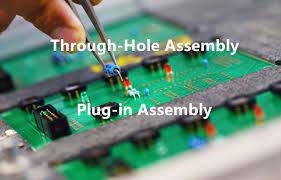
A Through Hole Assembly Operator plays a crucial role in the manufacturing and assembly of electronic circuits. This position involves the meticulous task of placing electronic components through holes on a printed circuit board (PCB) and soldering them into place. Through hole assembly is a traditional method in electronics manufacturing, where components have leads that are inserted into holes on the PCB, and soldered on the opposite side to establish electrical connections.
The Through Hole Assembly Operator is responsible for carefully reading and interpreting assembly instructions, often provided in the form of diagrams or engineering drawings. Attention to detail is paramount, as the operator must accurately place components in their designated locations on the PCB, ensuring proper alignment and orientation. Precision and consistency are essential to guarantee the reliability and functionality of the final electronic product.
In addition to component placement, Through Hole Assembly Operators are proficient in soldering techniques. They must be skilled at using soldering irons to create strong and reliable connections between the electronic components and the PCB. This process demands a steady hand and a keen eye to avoid defects such as solder bridges or cold joints, which could compromise the integrity of the circuit.
Quality control is a key aspect of the Through Hole Assembly Operator's role. They often conduct visual inspections of completed assemblies to identify any defects or discrepancies. Attention to quality ensures that the final product meets industry standards and adheres to the specified requirements.
With the evolution of surface mount technology (SMT), Through Hole Assembly has become somewhat less prevalent in modern electronics manufacturing. However, it is still widely used in various applications, particularly for components that require greater mechanical strength and durability.
Overall, the Through Hole Assembly Operator contributes significantly to the production of reliable electronic devices by skillfully assembling and soldering components, thus playing a crucial role in the broader field of electronics manufacturing.
How can I apply for admission to Through Hole Assembly Operator Program
To apply for admission to a Through Hole Assembly Operator program, you typically need to follow a series of steps. Here is a general guide:
Research Programs:
Look for technical or vocational schools, community colleges, or training centers that offer Through Hole Assembly Operator programs. Ensure that the program is accredited and recognized in the industry.
Check Admission Requirements:
Review the admission requirements for the specific program you are interested in. Requirements may include a high school diploma or equivalent, proof of English proficiency, and possibly an aptitude for technical work.
Prepare Necessary Documents:
Gather the required documents, which may include your high school transcripts, diploma or equivalent, a resume, and any letters of recommendation if needed.
Submit Application:
Complete the application form provided by the institution offering the Through Hole Assembly Operator program. This can often be done online through the school's website.
Pay Application Fee:
Some programs may require an application fee. Ensure that you submit the necessary payment along with your application.
Financial Aid and Scholarships:
If you need financial assistance, explore the options for scholarships, grants, or loans. Many technical programs offer financial aid to eligible students.
Interview (if required):
Some programs may require an interview as part of the admission process. Be prepared to discuss your interest in the field and any relevant experiences.
Entrance Exams (if required):
Certain programs may require applicants to take entrance exams to assess their aptitude for the program. Prepare for any required tests in advance.
Wait for Admission Decision:
Once you have submitted your application, wait for the admission committee to review your materials. This process may take some time, so be patient.
Acceptance and Enrollment:
If you receive an acceptance letter, carefully read the instructions and deadlines for enrollment. Follow the steps provided to secure your spot in the program.
Orientation:
Attend any orientation sessions offered by the institution. These sessions provide valuable information about the program, campus facilities, and other important details.
Begin Classes:
Once you've completed the enrollment process, you can start your Through Hole Assembly Operator program. Be proactive in participating in class activities and hands-on training.
Remember to contact the admissions office of the specific institution offering the program if you have any questions or need clarification on the application process. Each program may have its own unique requirements and procedures.
What is the eligibility for Through Hole Assembly Operator
The eligibility criteria for a Through Hole Assembly Operator program can vary depending on the institution offering the training or education. However, here are some common eligibility requirements that you might encounter:
Educational Background:
A high school diploma or equivalent (GED) is often a basic requirement. Some programs may also consider applicants with lower levels of education, but a high school diploma is generally preferred.
English Proficiency:
Since communication is important in the workplace, especially in technical fields, some programs may require a certain level of English proficiency. This requirement can be satisfied through standardized tests or other methods, depending on the institution.
Basic Math and Science Skills:
A fundamental understanding of basic mathematics and science concepts may be necessary for success in a Through Hole Assembly Operator program. This is because the work involves precision and attention to detail.
Manual Dexterity and Hand-Eye Coordination:
The role of a Through Hole Assembly Operator requires working with small components and intricate machinery. Applicants are often expected to demonstrate good manual dexterity and hand-eye coordination.
Interest in Electronics and Technology:
Having a genuine interest in electronics and technology is beneficial. While it might not be a strict requirement, a passion for the field can enhance your learning experience and performance in the program.
Interview or Assessment:
Some programs may require an interview or an assessment to evaluate your aptitude for the work. This can include questions about your interest in the field, your ability to follow instructions, and your understanding of basic technical concepts.
Age Requirements:
Some programs may have age restrictions or preferences. It's essential to check whether there are any specific age-related eligibility criteria.
Background Checks:
Depending on the program and the nature of the work involved, there might be background checks or screenings. This is particularly relevant in programs that involve handling sensitive electronic components or working in industries with specific security standards.
It's important to note that these criteria can vary from one program to another, so it's advisable to carefully review the specific eligibility requirements outlined by the institution offering the Through Hole Assembly Operator program you are interested in. If you have any questions or uncertainties, reaching out to the admissions office of the respective institution is a good step to get accurate and up-to-date information.
How long does it takes to complete a Through Hole Assembly Operator program
The duration of a Through Hole Assembly Operator program can vary depending on the specific institution, the structure of the program, and the depth of training provided. Generally, Through Hole Assembly Operator programs are designed to be relatively short-term and focused, providing practical skills for entry-level positions. Here are some common timelines:
Certificate Programs:
Certificate programs for Through Hole Assembly Operator roles typically last anywhere from a few weeks to a few months. These programs are often intensive and focus on hands-on training to equip students with the necessary skills for entry-level positions.
Diploma Programs:
Some institutions offer diploma programs that provide a more comprehensive understanding of electronics assembly, including Through Hole Assembly techniques. These programs may last around six months to a year.
Associate Degree Programs:
In some cases, community colleges or technical institutes offer associate degree programs in electronics manufacturing or a related field. These programs typically take two years to complete and may cover a broader range of topics, including Through Hole and Surface Mount Assembly.
Apprenticeships:
In certain regions, apprenticeship programs may be available. Apprenticeships combine on-the-job training with classroom instruction and can take several years to complete. However, apprenticeships offer the advantage of hands-on experience under the guidance of experienced professionals.
Online and Part-Time Options:
Some Through Hole Assembly Operator programs may be offered online or on a part-time basis, allowing students to complete the training at their own pace. The duration of such programs can vary based on individual progress.
It's crucial to research specific programs offered by different institutions to understand their unique structures and time requirements. Factors such as the number of hours of instruction per week, the inclusion of practical training, and any additional coursework can influence the overall duration of the program.
Before enrolling, prospective students should also consider the program's accreditation, industry reputation, and the specific skills covered to ensure that it aligns with their career goals. Additionally, reaching out to the admissions office of the institution can provide more accurate and detailed information about the duration of a Through Hole Assembly Operator program.
What are potential career opportunities after Through Hole Assembly Operator
Becoming a Through Hole Assembly Operator can open up various career opportunities in the electronics manufacturing and assembly industry. Here are some potential career paths and opportunities:
Assembly Technician:
Many Through Hole Assembly Operators advance to roles as general assembly technicians. These professionals work on assembling electronic components, troubleshooting issues, and ensuring the overall functionality of electronic systems.
Electronics Technician:
With additional training or education, Through Hole Assembly Operators may pursue roles as electronics technicians. Electronics technicians are involved in the testing, maintenance, and repair of electronic equipment and systems.
Quality Control Inspector:
Those with a keen eye for detail can transition to roles as quality control inspectors. In this position, individuals assess finished products for adherence to quality standards, ensuring that they meet specifications and are free of defects.
SMT (Surface Mount Technology) Operator:
As technology advances, some individuals may choose to specialize in Surface Mount Technology. SMT Operators work with components that are mounted directly onto the surface of a PCB, complementing the skills acquired as Through Hole Assembly Operators.
Production Supervisor:
With experience, Through Hole Assembly Operators may progress into supervisory or management roles within the production environment. Production supervisors are responsible for overseeing assembly processes, managing teams, and ensuring production goals are met.
Field Service Technician:
Skilled technicians may pursue careers as field service technicians, providing on-site support and maintenance for electronic systems. This role often involves troubleshooting and repairing equipment at customer locations.
Electronics Manufacturing Engineer:
Some individuals may choose to further their education and become electronics manufacturing engineers. These professionals are involved in the design, development, and improvement of manufacturing processes for electronic components.
Automated Manufacturing Specialist:
As industries increasingly adopt automation, individuals with experience in electronics assembly may specialize in automated manufacturing. This involves working with robotics and automated systems to optimize production processes.
Product Testing Engineer:
Those interested in ensuring the reliability and functionality of electronic products may pursue careers as product testing engineers. These engineers design and implement testing procedures to identify and address potential issues in electronic systems.
Electronics Manufacturing Manager:
With significant experience and leadership skills, individuals may advance to managerial roles within electronics manufacturing. Manufacturing managers oversee the entire production process, including personnel management, resource allocation, and process improvement.
It's important to note that career advancement often depends on a combination of experience, additional education or training, and a demonstrated commitment to continuous learning and improvement. Networking within the industry, staying updated on technological advancements, and pursuing relevant certifications can enhance career prospects for Through Hole Assembly Operators.
Syllabus of Through Hole Assembly Operator
Semester 1: Introduction to Electronics and Through Hole Assembly Basics
|
Week |
Topics |
Practical Activities |
|
1-2 |
Introduction to Electronics |
- Overview of electronic components |
|
3-4 |
Basic Electricity and Circuits |
- Hands-on circuit building |
|
5-6 |
Introduction to Through Hole Assembly |
- Understanding PCBs and components |
|
7-8 |
Tools and Equipment |
- Identification and usage of assembly tools |
|
9-10 |
Safety Procedures |
- Demonstration and practice of safety protocols |
|
11-12 |
Component Identification and Handling |
- Identifying through hole components |
Semester 2: Through Hole Component Placement and Soldering Techniques
|
Week |
Topics |
Practical Activities |
|
1-2 |
Reading Schematics and Assembly Drawings |
- Interpretation of assembly drawings |
|
3-4 |
Component Orientation and Footprint |
- Understanding component orientation on the PCB |
|
5-6 |
Through Hole Component Placement Techniques |
- Hands-on practice of component placement |
|
7-8 |
Soldering Fundamentals |
- Introduction to soldering techniques |
|
9-10 |
Soldering Practice |
- Practical exercises on soldering through hole components |
|
11-12 |
Inspection and Quality Control |
- Visual inspection and identification of soldering issues |
Semester 3: Advanced Through Hole Assembly Techniques and Quality Control
|
Week |
Topics |
Practical Activities |
|
1-2 |
Advanced Soldering Techniques |
- Hands-on practice of advanced soldering techniques |
|
3-4 |
Troubleshooting Techniques |
- Identifying and resolving common assembly issues |
|
5-6 |
Quality Control Standards and Procedures |
- Understanding quality control in electronics manufacturing |
|
7-8 |
Inspection Tools and Techniques |
- Use of magnification tools for detailed inspection |
|
9-10 |
Through Hole Assembly Project |
- Completion of a small assembly project as a final assessment |
|
11-12 |
Industry Standards and Emerging Technologies |
- Overview of industry trends and emerging assembly technologies |
Internship opportunities after completing Through Hole Assembly Operator
After completing a Through Hole Assembly Operator program, individuals may have opportunities to gain practical experience through internships in various sectors of the electronics manufacturing industry. Internships provide valuable hands-on experience, allowing individuals to apply the skills learned in the program in a real-world setting. Here are some potential internship opportunities:
Electronics Manufacturing Companies:
Many electronics manufacturing companies offer internships for individuals with assembly skills. Interns may work on production lines, assisting with through hole assembly, quality control, and gaining exposure to the overall manufacturing process.
Electronics Testing Laboratories:
Interning at a testing laboratory that specializes in electronics can provide experience in quality assurance and testing procedures. This may involve conducting tests on assembled electronic components to ensure they meet industry standards.
Research and Development (R&D) Facilities:
Some internships may be available in the research and development departments of electronics companies. Interns may work on prototype assembly, testing new assembly techniques, or contributing to the development of innovative products.
Technical Support Roles:
Interning in technical support roles within electronics companies can provide experience in troubleshooting and addressing issues related to assembly. This may involve working closely with engineers to resolve problems and optimize assembly processes.
Small Electronics Manufacturing Businesses:
Internship opportunities may also be available in smaller electronics manufacturing businesses, where interns can gain a broader range of experiences due to the smaller scale of operations.
Quality Control and Assurance Departments:
Interns can explore opportunities in quality control and assurance departments where they can learn more about the inspection and testing processes that ensure the reliability of electronic components.
Assembly Equipment Manufacturers:
Companies that manufacture assembly equipment may offer internships to individuals interested in learning more about the machinery and tools used in the through hole assembly process.
Electronics Repair Services:
Interning with electronics repair services can provide hands-on experience in diagnosing and repairing electronic devices, which complements the skills acquired during through hole assembly training.
Supplier and Distributor Companies:
Internships with suppliers or distributors of electronic components can offer insights into the supply chain and logistics aspects of the electronics manufacturing industry.
Networking and Career Development Organizations:
Some organizations specialize in connecting individuals with internship opportunities in the electronics industry. These organizations may collaborate with manufacturers to provide hands-on experiences for aspiring professionals.
To find internship opportunities, individuals can explore job search websites, company career pages, and industry-specific forums. Additionally, networking with professionals in the field, participating in career fairs, and seeking guidance from career counselors can help identify potential internship openings. It's essential to tailor applications and resumes to highlight the skills gained during the Through Hole Assembly Operator program and express a genuine interest in gaining practical experience in the electronics manufacturing sector.
Scholarship and grants for Through Hole Assembly Operator
While scholarships and grants specific to Through Hole Assembly Operators may be less common than those for more general fields or advanced degrees, there are still potential opportunities for financial assistance. Here are some avenues to explore:
Technical and Vocational Education Scholarships:
Many organizations, both public and private, offer scholarships specifically for students pursuing technical or vocational education. These scholarships may cover tuition, fees, or other educational expenses. Check with local community foundations, vocational schools, and industry associations.
Industry-Specific Scholarships:
Some electronics and manufacturing industry associations may offer scholarships to students pursuing careers in the field. These scholarships might be applicable to programs related to Through Hole Assembly or broader electronics manufacturing.
Company Sponsorships:
Certain electronics manufacturing companies or industry suppliers may have scholarship or sponsorship programs to support individuals training in specific skills such as Through Hole Assembly. Contact companies directly or check their websites for information on available opportunities.
Community College and Technical Institute Scholarships:
If you are enrolled in a community college or technical institute for your Through Hole Assembly Operator program, inquire about scholarships provided by the institution itself. Many colleges offer financial aid to students pursuing technical and vocational programs.
Government Grants and Aid Programs:
Some government agencies offer grants or financial aid to individuals pursuing technical education. Explore government-sponsored programs and financial aid options available at the local, state, or federal levels.
Workforce Development Programs:
Workforce development initiatives or programs aimed at enhancing skills in specific industries may provide financial support for individuals pursuing training in Through Hole Assembly and related fields.
Foundation Grants:
Some private foundations and non-profit organizations focus on supporting education and skills development. Research foundations that align with the goals of technical education and inquire about available grants or scholarships.
Employer Assistance:
If you are currently employed or plan to work while pursuing your Through Hole Assembly Operator program, check with your employer about potential tuition reimbursement or assistance programs.
Online Scholarship Platforms:
Explore online scholarship platforms such as Fastweb, Chegg, or College Board's Scholarship Search. While these platforms may primarily feature scholarships for traditional academic programs, some opportunities may align with technical and vocational education.
State and Regional Programs:
Certain states or regions have specific scholarship programs for vocational and technical education. Research the educational funding opportunities available in your local area.
When applying for scholarships or grants, be sure to carefully review the eligibility criteria, application requirements, and deadlines. Additionally, consider reaching out to the financial aid office at your educational institution for guidance and assistance in identifying relevant opportunities. Remember that combining multiple sources of financial support, such as scholarships, grants, and employer assistance, can help alleviate the costs associated with your Through Hole Assembly Operator program.
Conclusion
In conclusion, pursuing a career as a Through Hole Assembly Operator offers a gateway into the dynamic field of electronics manufacturing. The role involves the precise assembly and soldering of electronic components onto printed circuit boards, contributing to the production of a wide range of electronic devices. Through dedicated training and hands-on experience, individuals can acquire the skills necessary to excel in this essential role within the industry. The opportunities for career growth extend beyond assembly, encompassing roles in quality control, troubleshooting, and even management positions.
FAQ,s
Q1: What is the role of a Through Hole Assembly Operator? A1: Through Hole Assembly Operators are responsible for placing electronic components through holes on printed circuit boards (PCBs) and soldering them into place. This process involves precision, attention to detail, and adherence to quality standards in electronics manufacturing.
Q2: How long does it take to become a Through Hole Assembly Operator? A2: The duration of training programs can vary, but certificate programs typically range from a few weeks to a few months. Some individuals may choose to pursue more advanced degrees or certifications over a longer period for career progression.
Q3: What are the potential career opportunities after completing a Through Hole Assembly Operator program? A3: Graduates can explore various career paths, including roles as assembly technicians, electronics technicians, quality control inspectors, SMT operators, and even progress into supervisory or managerial positions within electronics manufacturing.
Q4: Are there internship opportunities for Through Hole Assembly Operators? A4: Yes, internships offer valuable hands-on experience for Through Hole Assembly Operators. Opportunities may be available in electronics manufacturing companies, testing laboratories, research and development facilities, and more.
Q5: Are there scholarships or grants for Through Hole Assembly Operator programs? A5: While specific scholarships for Through Hole Assembly Operators may be limited, individuals can explore general technical education scholarships, industry-specific awards, company sponsorships, and government grants to support their training.
How Shiksha Hub helps you in
-
 Student Counsellors
 -
 Career Counseling
 -
 Research
 -
 24/7 Support
 -
 Scholarships
 -
 Community