Posted by Admin on 11-07-2023 in Shiksha hub
Tools and Die Maker Introduction, Admission, Registration, Eligibility, Duration, Fees, Syllabus 2024
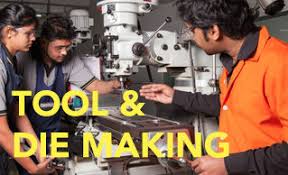
Introduction about Tools and Die Maker
A Tools and Die Maker is a skilled professional involved in the manufacturing industry, specializing in the creation and maintenance of tools and dies used in the production of various products. This role is crucial in the field of precision engineering, as tools and dies are essential components for shaping, cutting, and forming materials such as metal, plastic, and composites.
The primary responsibility of a Tools and Die Maker is to interpret engineering drawings and specifications to design and produce tools and dies that meet precise dimensional and tolerance requirements. These professionals use a variety of materials, including steel, carbide, and other alloys, to craft intricate components that are used in manufacturing processes. Their work is essential in industries ranging from automotive and aerospace to electronics and consumer goods.
The process begins with understanding the specific requirements of a product and translating those into detailed plans. Tools and Die Makers use a variety of techniques, such as milling, grinding, and electrical discharge machining (EDM), to shape and refine the materials. Attention to detail is critical, as even minor deviations from the specified dimensions can affect the quality of the final product.
In addition to creating new tools and dies, these professionals are also responsible for the maintenance, repair, and modification of existing tools to ensure optimal performance over time. They may work closely with engineers, machinists, and other professionals to troubleshoot issues and implement improvements.
The role of a Tools and Die Maker requires a combination of technical skills, precision, and creativity. These professionals often use computer-aided design (CAD) software to create detailed plans, and they must stay up-to-date with advances in manufacturing technology and materials.
Overall, Tools and Die Makers play a crucial role in the manufacturing process, contributing to the efficiency, accuracy, and quality of products across various industries. Their work is integral to the production of a wide range of goods that impact our daily lives.
How can I apply for admission to Tools and Die Maker Program
To apply for admission to a Tools and Die Maker program, you typically need to follow these general steps:
Research Programs: Start by researching institutions that offer Tools and Die Maker programs. Look for technical schools, community colleges, or vocational training centers that provide this specific program.
Admission Requirements: Review the admission requirements for each program. These may include educational prerequisites, such as a high school diploma or equivalent. Some programs may have specific coursework or skills prerequisites.
Application Form: Obtain the application form from the institution offering the Tools and Die Maker program. This can often be done online through the institution's website or by contacting the admissions office.
Complete Application: Fill out the application form accurately and completely. Provide all required information, including personal details, educational background, and any other information requested by the application.
Transcripts and Certificates: Submit official high school transcripts or equivalent, along with any other required certificates or documents. Some programs may require additional documentation, such as proof of completing certain courses or achieving specific grades.
Letters of Recommendation: Some programs may ask for letters of recommendation. These letters typically come from teachers, employers, or other individuals who can attest to your character and work ethic.
Entrance Exams: Check if the program requires any entrance exams. Some technical programs may have placement tests to assess your skills and knowledge in relevant areas.
Interviews: Be prepared for an admission interview if required. This may be an opportunity for the admissions committee to learn more about your motivations, goals, and suitability for the program.
Financial Aid and Scholarships: If you require financial aid, inquire about the availability of scholarships, grants, or loans. Many educational institutions offer financial assistance to eligible students.
Submit Application and Fees: Send in your completed application along with any required application fees before the deadline. Ensure that you meet all the specified deadlines for submission.
Wait for Admission Decision: Once you've submitted your application, wait for the admission decision. This may take some time, so be patient. If you're accepted, you will typically receive information about the next steps, such as registration and orientation.
Remember to check the specific requirements and procedures for the Tools and Die Maker program at the institution of your choice, as they can vary. If you have any questions during the application process, don't hesitate to contact the admissions office for guidance.
What is the eligibility for Tools and Die Maker
The eligibility criteria for a Tools and Die Maker program may vary depending on the educational institution and the specific requirements of the program. However, here are some general eligibility criteria that are commonly associated with such programs:
Educational Qualifications: Typically, candidates should have completed their high school education or hold an equivalent qualification (such as a General Educational Development (GED) certificate). Proficiency in mathematics and science subjects may be beneficial.
Age Requirements: Some programs may have age restrictions or preferences. Certain vocational and technical training programs may be more accessible to individuals who have recently completed their high school education.
Prerequisites: Programs may have specific prerequisite courses or skills that applicants should have before enrolling. These could include basic machining skills, knowledge of materials, or familiarity with relevant tools and machinery.
Entrance Exams: In some cases, institutions may require applicants to take entrance exams to assess their aptitude and readiness for the program. These exams may cover subjects such as mathematics, mechanical aptitude, or other relevant areas.
Letters of Recommendation: Some programs may request letters of recommendation from teachers, employers, or other individuals who can attest to the applicant's character, work ethic, and suitability for the program.
Interviews: An interview may be part of the admission process to assess the applicant's motivation, interest in the field, and overall suitability for the Tools and Die Maker program.
Work Experience (if applicable): While not always required, some programs may consider relevant work experience in the field as a positive factor in the admission decision.
It's essential for prospective students to carefully review the admission requirements of the specific institution offering the Tools and Die Maker program. This information is typically available on the institution's website or through direct communication with the admissions office. Additionally, reaching out to the admissions office for clarification on any specific requirements or queries is advisable to ensure a smooth application process.
How long does it takes to complete a Tools and Die Maker program
The duration of a Tools and Die Maker program can vary depending on the type of educational institution offering the program and the specific curriculum they follow. Typically, these programs are offered at technical schools, community colleges, or vocational training centers. The duration can range from several months to a few years, depending on the depth and breadth of the training.
Here are some general guidelines for the duration of Tools and Die Maker programs:
Certificate Programs: Some institutions offer certificate programs in Tools and Die Making, which may last anywhere from six months to a year. These programs often focus on providing fundamental skills and knowledge required for entry-level positions in the field.
Diploma Programs: Diploma programs may have a longer duration, ranging from one to two years. These programs typically offer a more comprehensive curriculum, covering a broader range of topics and providing more in-depth training in tools and die making.
Associate's Degree Programs: In some cases, Tools and Die Maker programs are offered as part of associate's degree programs. These programs typically take two years to complete and may include a combination of general education courses and specialized training in tools and die making.
Apprenticeship Programs: Apprenticeship programs in Tools and Die Making can vary in duration but often last several years. Apprenticeships combine on-the-job training with classroom instruction and are a common pathway for individuals looking to become skilled professionals in the field.
The exact duration of the program will also depend on factors such as the number of credit hours required, the intensity of the curriculum, and whether the program follows a traditional semester-based schedule or a more accelerated format.
Prospective students should check the specific details of the Tools and Die Maker program they are interested in, including the curriculum, credit requirements, and the type of credential awarded upon completion. Additionally, considering factors like hands-on training opportunities and industry certifications offered as part of the program can contribute to a well-rounded education in tools and die making.
What are potential career opportunities after Tools and Die Maker
Completing a Tools and Die Maker program opens up various career opportunities in the manufacturing and engineering sectors. Here are some potential career paths for individuals with training in Tools and Die Making:
Tool and Die Maker: Graduates can work directly as tool and die makers, creating and maintaining precision tools and dies used in manufacturing processes. They may be employed in industries such as automotive, aerospace, electronics, and consumer goods.
Machinist: Many individuals with training in Tools and Die Making pursue careers as machinists. Machinists operate machine tools to produce precision parts and may work with a variety of materials, including metal and plastic.
CNC Programmer: With additional training or experience, individuals may become Computer Numerical Control (CNC) programmers. CNC programmers use computer-aided design (CAD) and computer-aided manufacturing (CAM) software to create programs that control CNC machines for automated production.
Manufacturing Engineer: Some graduates choose to further their education and become manufacturing engineers. These professionals focus on optimizing manufacturing processes, improving efficiency, and implementing new technologies in production.
Quality Control Inspector: Graduates can pursue careers as quality control inspectors, ensuring that manufactured products meet specified quality standards. This role involves inspecting finished products and identifying and addressing any defects or deviations.
Tool Designer: Tool designers create detailed plans and specifications for the production of tools and dies. They use CAD software to design tooling systems that meet the requirements of specific manufacturing processes.
Production Supervisor: Individuals with experience in Tools and Die Making may move into supervisory roles, overseeing production processes and managing a team of technicians or machinists.
Maintenance Technician: Graduates can work as maintenance technicians, responsible for the ongoing maintenance and repair of machinery and tools in a manufacturing setting.
Entrepreneurship: Some individuals choose to start their own tool and die making businesses, providing services to local manufacturers or specializing in niche areas of the industry.
Research and Development (R&D): Those interested in innovation and technology may pursue roles in research and development within manufacturing companies, working on the design and improvement of tools and processes.
The demand for skilled professionals in manufacturing and engineering remains steady, and individuals with expertise in Tools and Die Making are often sought after in various industries. Continuous learning and staying updated on advancements in manufacturing technology can further enhance career prospects in this field.
Syllabus of Tools and Die Maker
Semester 1:
Introduction to Manufacturing Processes:
Overview of manufacturing methods
Basic principles of material removal processes
Engineering Drawing and CAD:
Interpretation of engineering drawings
Introduction to Computer-Aided Design (CAD)
Basic Machining Processes:
Turning, milling, and drilling operations
Hands-on experience with basic machine tools
Mathematics for Machining:
Applied mathematics relevant to machining processes
Calculations for tool and die making
Semester 2:
Materials and Heat Treatment:
Properties of materials used in tool and die making
Heat treatment processes and their effects on materials
Metrology and Quality Control:
Measurement techniques and instruments
Quality control standards and practices
Introduction to CNC Machining:
Basics of Computer Numerical Control (CNC)
Programming fundamentals for CNC machines
Tool and Die Design (Part I):
Principles of tool and die design
Creating simple tool designs
Semester 3:
Advanced Machining Processes:
Electrical Discharge Machining (EDM)
Grinding processes and techniques
Tool and Die Design (Part II):
Advanced tool design principles
Design for specific manufacturing processes
Tool and Die Making Technology:
Techniques for tool and die fabrication
Hands-on experience in tool and die making
Industrial Safety and Practices:
Safety protocols in a manufacturing environment
Workplace ethics and professionalism
Semester 4:
CNC Machining Applications:
Advanced CNC programming
Applications of CNC in tool and die making
CAD/CAM Integration:
Integration of CAD and Computer-Aided Manufacturing (CAM)
Automated toolpath generation for CNC machining
Project Work:
Practical application of learned skills in a project
Design and fabrication of a tool or die
Workplace Training and Internship:
On-the-job training in a manufacturing setting
Exposure to real-world tool and die making scenarios
This is a broad overview, and the actual syllabus may vary. It's important for students to refer to the specific curriculum provided by the institution offering the Tools and Die Maker program for the most accurate and detailed information. Additionally, practical training, hands-on projects, and exposure to industry practices are integral components of such programs.
Internship opportunities after completing Tools and Die Maker
After completing a Tools and Die Maker program, there are various internship opportunities that can provide valuable hands-on experience and enhance your skills in a real-world work environment. Here are some potential internship opportunities for individuals with a background in Tools and Die Making:
Manufacturing Companies: Many manufacturing companies offer internships for Tools and Die Makers. Interns may work in the tool room, assisting experienced professionals in the design, fabrication, and maintenance of tools and dies.
Automotive Industry: Internships in the automotive industry can involve working with tools and dies used in the production of automotive components. This could include roles in stamping, molding, or precision machining.
Aerospace Industry: Internships in the aerospace sector may involve working on tools and dies used in the fabrication of aircraft components. This can include exposure to high-precision machining and specialized materials.
Metalworking Shops: Smaller metalworking shops often provide internship opportunities for individuals with skills in tool and die making. Interns may be involved in various aspects of the fabrication process.
CNC Machining Facilities: Interning in a CNC machining facility allows individuals to gain experience in computer-aided manufacturing (CAM) and CNC programming. This can be particularly beneficial for those interested in advanced machining processes.
Tool and Die Manufacturing Companies: Some companies specialize specifically in the design and manufacturing of tools and dies. Interns in such companies may have the opportunity to work on a variety of projects and gain exposure to the latest technologies in the field.
Engineering Services Companies: Internships with engineering services companies can involve collaborating with engineers on tool and die design projects. This can provide a broader perspective on the industry and its applications.
Research and Development (R&D) Centers: R&D centers associated with manufacturing industries may offer internships for individuals interested in innovative tool and die technologies. This can involve contributing to research projects and staying updated on industry advancements.
Quality Control Laboratories: Internships in quality control laboratories allow individuals to gain insights into ensuring the precision and quality of tools and dies. This can be beneficial for those interested in quality assurance roles.
Apprenticeships: Some individuals may choose to continue their learning through apprenticeships after completing their initial training program. Apprenticeships often include a combination of on-the-job training and classroom instruction.
When seeking internships, it's essential to explore opportunities that align with your specific interests and career goals. Networking, attending industry events, and reaching out to local manufacturing companies can help you identify and secure internship opportunities in the field of Tools and Die Making.
Scholarship and grants for Tools and Die Maker
While specific scholarships and grants for Tools and Die Maker programs may not be as prevalent as those for more general fields, there are various options that students pursuing technical and vocational education can explore. Here are some potential sources of financial assistance:
Institutional Scholarships: Check with the educational institution offering the Tools and Die Maker program. Many schools have scholarship programs for students in technical and vocational programs. These scholarships may be based on academic achievement, financial need, or a combination of factors.
Industry-Specific Scholarships: Some industry associations, foundations, or corporations related to manufacturing, engineering, or precision machining may offer scholarships for students pursuing education in Tools and Die Making. Explore opportunities from organizations like the Precision Machined Products Association (PMPA) or local manufacturing associations.
Government Grants and Aid: Investigate government-sponsored grants and financial aid programs. In many countries, there are government initiatives to support students in vocational and technical education. Check with your country's education department or relevant government agencies.
Private Foundations and Nonprofits: Some private foundations and nonprofit organizations focus on supporting vocational education. Explore opportunities from organizations committed to workforce development and skills training.
Company Sponsorship: Inquire with manufacturing companies, especially those in the tool and die industry. Some companies offer sponsorship or tuition reimbursement programs for employees pursuing further education. This could involve working for the company while completing the Tools and Die Maker program.
Community College and Vocational Training Grants: Community colleges and vocational training centers may have grants or financial assistance programs specifically designed for students in technical and vocational programs. Check with the financial aid office of the institution you plan to attend.
Online Scholarship Databases: Utilize online scholarship databases to search for opportunities in technical and vocational education. Websites like Fastweb, Chegg, and Scholarship.com allow you to filter scholarships based on your field of study.
State and Local Programs: Explore scholarship and grant programs at the state and local levels. Some regions have initiatives to support students pursuing technical and vocational training to meet the workforce needs of local industries.
Trade Associations: Look into trade associations and professional organizations related to manufacturing and machining. These groups may offer scholarships or grants to support the education of students entering the field.
Apprenticeship Programs: While not a traditional scholarship, apprenticeship programs can provide a combination of on-the-job training and education. Some apprenticeships come with a stipend or financial support for the educational component.
When applying for scholarships and grants, be sure to carefully review the eligibility criteria and application requirements. Prepare a compelling application that highlights your academic achievements, career goals, and any relevant experiences. Additionally, explore local resources and community support networks that may offer financial assistance for vocational education.
Conclusion
In conclusion, pursuing a career in Tools and Die Making offers individuals the opportunity to become skilled professionals in the manufacturing and engineering sectors. The comprehensive training provided in a Tools and Die Maker program equips students with the knowledge and hands-on skills necessary to design, fabricate, and maintain precision tools and dies used in various industries.
The program covers a range of subjects, from fundamental machining processes and materials science to advanced topics such as Computer Numerical Control (CNC) machining and tool design. Graduates are prepared to enter the workforce with a solid foundation in the field, ready to contribute to the efficiency and quality of manufacturing processes.
The potential career opportunities after completing a Tools and Die Maker program are diverse, including roles as tool and die makers, machinists, CNC programmers, and more. The demand for skilled professionals in this field continues to be strong, offering graduates the chance to make meaningful contributions in industries such as automotive, aerospace, and electronics.
FAQ,s
What is a Tools and Die Maker?
A Tools and Die Maker is a skilled professional involved in the design, fabrication, and maintenance of precision tools and dies used in manufacturing processes.
How long does it take to complete a Tools and Die Maker program?
The duration of a Tools and Die Maker program varies, ranging from several months for certificate programs to two years for associate's degree programs. Apprenticeship programs may take several years.
What are the potential career opportunities after completing a Tools and Die Maker program?
Graduates can pursue careers as tool and die makers, machinists, CNC programmers, manufacturing engineers, quality control inspectors, and more.
Are there internship opportunities for Tools and Die Maker graduates?
Yes, graduates can find internship opportunities in manufacturing companies, automotive and aerospace industries, CNC machining facilities, and more.
Are there scholarships and grants available for Tools and Die Maker programs?
While specific scholarships for Tools and Die Maker programs may be limited, students can explore institutional scholarships, industry-specific scholarships, government grants, and company sponsorships.
How Shiksha Hub helps you in
-
 Student Counsellors
 -
 Career Counseling
 -
 Research
 -
 24/7 Support
 -
 Scholarships
 -
 Community