Posted by Admin on 11-07-2023 in Shiksha hub
Transit Mixer Operator introduction, Admission, Registration, Eligibility, Duration, Fees, Syllabus 2024
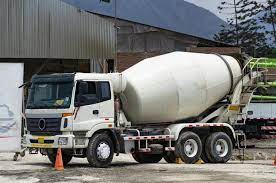
Introduction about Transit Mixer Operator
A Transit Mixer Operator is a skilled professional responsible for the operation and maintenance of transit mixers, which are specialized vehicles used in the construction industry for transporting and mixing concrete. These operators play a crucial role in the construction process by ensuring that concrete is delivered to construction sites in a well-mixed and workable state.
The primary duty of a Transit Mixer Operator is to drive the transit mixer to the designated construction site and coordinate with construction personnel to unload the concrete. They are responsible for operating the mixer's drum, which rotates to keep the concrete mixture in a homogeneous state during transportation. This ensures that the concrete remains in the desired consistency and is ready for immediate use upon arrival at the construction site.
In addition to operating the transit mixer, these professionals are also responsible for routine maintenance of the vehicle. This includes checking and maintaining the engine, monitoring the mechanical components, and ensuring that the mixing drum is clean and in good working condition. Proper maintenance is crucial to ensure the efficiency and reliability of the transit mixer, preventing delays in construction projects.
Transit Mixer Operators need to have a good understanding of concrete properties and mixing techniques. They must also be skilled in maneuvering the transit mixer through various types of terrain and traffic conditions. Safety is a paramount concern, and operators should adhere to all traffic regulations and construction site safety protocols.
How can I apply for admission TRANSIT MIXER OPERATOR Program
To apply for admission to a Transit Mixer Operator program, you typically need to follow these steps:
Research Programs: Begin by researching institutions or vocational training centers that offer Transit Mixer Operator programs. Look for reputable schools that provide comprehensive training in the operation and maintenance of transit mixers.
Check Admission Requirements: Review the admission requirements for the program. This may include minimum educational qualifications, age limits, and any specific prerequisites. Some programs may require a high school diploma or equivalent.
Prepare Necessary Documents: Gather all the required documents for the application. This may include your educational transcripts, identification documents, and any certificates or licenses you may already possess.
Complete Application Form: Fill out the application form for the Transit Mixer Operator program. Ensure that you provide accurate and complete information. Some institutions may offer online application processes, while others may require physical forms.
Submit Application: Submit your completed application along with the necessary documents to the admissions office of the chosen institution. If applying online, follow the specified submission instructions. Be sure to meet any application deadlines.
Entrance Exams or Interviews (if required): Some programs may require applicants to take entrance exams or participate in interviews. Be prepared for any additional assessments as part of the application process.
Pay Application Fees: Pay any required application fees. Check with the institution for details on payment methods and deadlines.
Financial Aid (if needed): If you require financial aid, inquire about available options such as scholarships, grants, or student loans. Many vocational programs have resources to assist students with funding their education.
Wait for Admission Decision: Once you have submitted your application, wait for the institution to review your materials and make an admission decision. This may take some time, so be patient.
Enroll in the Program: If accepted, follow the instructions provided by the institution to complete the enrollment process. This may include submitting additional documents, paying tuition fees, and attending orientation sessions.
Attend Classes: Attend classes as scheduled and actively participate in the Transit Mixer Operator program. Take advantage of hands-on training opportunities and seek guidance from instructors.
What is the eligibility for TRANSIT MIXER OPERATOR
Eligibility criteria for becoming a Transit Mixer Operator may vary depending on the specific program or employer, but here are some general requirements commonly associated with this occupation:
Educational Qualifications:
A high school diploma or equivalent is typically required. Some programs or employers may have specific educational requirements, so it's essential to check the details of the program or job posting.
Age Requirements:
There may be minimum age requirements for Transit Mixer Operator positions. This is often determined by legal regulations and may vary by location.
Driver's License:
A valid commercial driver's license (CDL) is usually a prerequisite for Transit Mixer Operators, as they are responsible for driving and operating large vehicles. The specific class of CDL required may depend on the size and weight of the transit mixer.
Clean Driving Record:
Many employers prefer candidates with a clean driving record. This typically means having no or minimal traffic violations, accidents, or driving-related incidents.
Physical Fitness:
Transit Mixer Operators need to be in good physical condition to perform tasks such as climbing in and out of the vehicle, operating controls, and occasionally assisting with the loading and unloading of materials.
Mechanical Aptitude:
A basic understanding of vehicle mechanics is beneficial. Transit Mixer Operators are often required to perform routine maintenance checks on their vehicles, so a mechanical aptitude is valuable.
Communication Skills:
Effective communication skills are essential, as Transit Mixer Operators need to coordinate with construction site personnel, project managers, and team members. Clear communication helps ensure the efficient delivery of concrete to construction sites.
Training and Certification:
Some employers may provide on-the-job training for Transit Mixer Operators, while others may prefer candidates who have completed formal training programs. Certification or completion of a recognized program in transit mixer operation may be an asset.
How long does it takes to complete a TRANSIT MIXER OPERATOR program
The duration of a Transit Mixer Operator program can vary depending on the specific training program or educational institution offering the course. Generally, these programs are designed to provide a combination of classroom instruction and hands-on practical training to ensure that individuals acquire the necessary knowledge and skills for operating and maintaining transit mixers.
On average, Transit Mixer Operator programs may range from a few weeks to a few months. Short-term certificate programs or vocational training courses may offer a quicker path to acquiring the essential skills, while more comprehensive programs may span several months.
The duration can also be influenced by factors such as the program's curriculum, the intensity of training, and whether the program includes additional components such as safety training, vehicle maintenance, and industry regulations.
Prospective students should check with the specific institution or training provider offering the Transit Mixer Operator program to get accurate information on the program's duration. Additionally, the length of time it takes to complete the program may also depend on the individual's ability to grasp the concepts and acquire the necessary practical skills during the training period.
Internship opportunities after completing TRANSIT MIXER OPERATOR
After completing a Transit Mixer Operator program, individuals may have the opportunity to pursue internships or entry-level positions to gain practical experience in the field. Internships provide valuable hands-on experience and allow individuals to apply the skills and knowledge acquired during their training. Here are some potential internship opportunities for individuals who have completed a Transit Mixer Operator program:
Construction Companies:
Many construction companies hire interns to work with experienced Transit Mixer Operators. Interns may assist in the delivery of concrete to construction sites, observe and learn proper operating procedures, and participate in routine maintenance tasks.
Concrete Production Facilities:
Internships at concrete production facilities can provide insights into the concrete manufacturing process. Interns may be involved in batching and mixing concrete, quality control procedures, and understanding the production side of the industry.
Ready-Mix Concrete Companies:
Ready-mix concrete companies often offer internship opportunities for individuals trained as Transit Mixer Operators. Interns may work alongside experienced operators to understand the process of delivering ready-mix concrete to various construction projects.
Equipment Rental Companies:
Companies that specialize in renting construction equipment, including transit mixers, may offer internship positions. Interns can gain experience in the maintenance, servicing, and logistics aspects of transit mixer operations.
Government Infrastructure Projects:
Some interns may find opportunities to work on government-funded infrastructure projects. These projects often involve the use of transit mixers for concrete delivery, and interns may work under the guidance of experienced operators.
Building Materials Suppliers:
Internships with building materials suppliers can provide exposure to the supply chain of construction materials. Interns may be involved in the logistics of transporting concrete to customers and gaining insights into the coordination of deliveries.
When seeking internship opportunities, individuals should reach out to local construction companies, concrete producers, and related businesses in the construction industry. Networking with professionals in the field, attending industry events, and utilizing career placement services provided by educational institutions can also help in identifying potential internship openings.
Scholarship and grants for TRANSIT MIXER OPERATOR
Scholarships and grants specifically tailored for Transit Mixer Operator programs may be limited, as vocational training programs in the construction industry often focus on apprenticeships and on-the-job training. However, there are broader scholarship opportunities and financial assistance programs that individuals pursuing vocational or technical education, including Transit Mixer Operator training, can explore. Here are some potential avenues:
Trade and Technical School Scholarships:
Some vocational or technical schools that offer Transit Mixer Operator programs may have general scholarships or financial aid programs. Check with the specific institution providing the training to inquire about available opportunities.
Industry Associations:
Explore scholarships offered by industry associations related to construction and heavy equipment operation. These organizations may have programs that support individuals pursuing careers in the construction sector.
Employer Sponsorship:
Some construction companies or employers may offer sponsorship or reimbursement programs for employees seeking additional training or certification, including Transit Mixer Operator programs. Check with potential employers about their educational support policies.
Government Grants and Aid Programs:
Government agencies may provide grants or financial aid for vocational training programs. Check with local or regional workforce development agencies, as well as national programs, to explore potential opportunities.
Community College and Technical School Aid:
If the Transit Mixer Operator program is offered through a community college or technical school, inquire about financial aid options available through the institution. This may include grants, scholarships, or work-study programs.
Online Scholarship Platforms:
Explore general scholarship platforms and websites that connect students with various scholarship opportunities. While these may not be specific to Transit Mixer Operator programs, they can still provide financial assistance for education.
Apprenticeship Programs:
In addition to scholarships, apprenticeship programs in the construction industry may offer a combination of on-the-job training and classroom instruction. Some of these programs may provide financial support during the training period.
Workforce Development Initiatives:
Workforce development initiatives and programs in your region may have specific funding or support for individuals pursuing training in occupations like Transit Mixer Operation. Contact local workforce development offices for information.
Syllabus of TRANSIT MIXER OPERATOR
|
Week |
Subjects / Modules |
|---|---|
|
1 |
Introduction to Construction Industry |
|
2 |
Basics of Concrete Technology |
|
3 |
Transit Mixer Components and Types |
|
4 |
Concrete Mixing Principles |
|
5 |
Safety Procedures in Transit Mixer Operation |
|
6 |
Concrete Delivery Process |
|
7 |
Basic Vehicle Maintenance |
|
8 |
Communication Skills for Operators |
|
9 |
Introduction to Construction Sites |
|
10 |
Practical Training: Basic Mixer Operation |
|
11 |
Concrete Quality Control |
|
12 |
Traffic Regulations and Driving Safety |
|
13 |
Environmental Considerations |
|
14 |
First Aid and Emergency Procedures |
|
15 |
Assessment and Review |
|
Week |
Subjects / Modules |
|---|---|
|
1 |
Advanced Mixing Techniques |
|
2 |
Troubleshooting Common Mixer Issues |
|
3 |
Specialized Transit Mixers (e.g., volumetric mixers) |
|
4 |
Advanced Vehicle Maintenance and Inspection |
|
5 |
Load Distribution and Weight Limits |
|
6 |
Route Planning and GPS Navigation |
|
7 |
Communication at Construction Sites |
|
8 |
Handling Special Concrete Mixes |
|
9 |
Environmental Impact Mitigation |
|
10 |
Practical Training: Advanced Mixer Operation |
|
11 |
Regulatory Compliance and Documentation |
|
12 |
Emergency Response Training |
|
13 |
Introduction to Concrete Pump Operation |
|
14 |
Final Assessments and Examinations |
|
15 |
Program Evaluation and Feedback |
Conclusion
Becoming a Transit Mixer Operator involves a combination of theoretical knowledge and hands-on training. Graduates of Transit Mixer Operator programs are equipped with the skills needed to operate and maintain these specialized vehicles, contributing to the efficient and timely delivery of concrete in the construction industry. As essential contributors to the construction process, Transit Mixer Operators play a vital role in ensuring the success of various building projects. With a focus on safety, concrete quality, and efficient transportation, these professionals are key assets in the dynamic field of construction.
FAQs (Frequently Asked Questions)
What is a Transit Mixer Operator?
A Transit Mixer Operator is a skilled professional responsible for operating and maintaining transit mixers, specialized vehicles used in the construction industry to transport and mix concrete.
What are the key responsibilities of a Transit Mixer Operator?
Responsibilities include driving the transit mixer to construction sites, operating the mixing drum, ensuring proper concrete consistency, conducting routine vehicle maintenance, and adhering to safety protocols.
What qualifications are needed to become a Transit Mixer Operator?
Typically, a high school diploma, a valid commercial driver's license (CDL), and a good driving record are required. Some employers may prefer individuals with additional training in transit mixer operation.
How long does it take to complete a Transit Mixer Operator program?
The duration can vary, but programs generally range from a few weeks to a few months, depending on the depth of training and specific curriculum.
Are there internship opportunities after completing the program?
Yes, individuals can explore internship opportunities with construction companies, concrete producers, and related businesses to gain practical experience in the field.
Are there scholarships or grants available for Transit Mixer Operator programs?
While specific scholarships for this program may be limited, individuals can explore general vocational education scholarships, industry association grants, and potential employer sponsorship programs.
How Shiksha Hub helps you in
-
 Student Counsellors
 -
 Career Counseling
 -
 Research
 -
 24/7 Support
 -
 Scholarships
 -
 Community