Posted by Admin on 11-07-2023 in Shiksha hub
Tyre Fitter Admission, Registration, Eligibility, Duration, Fees, Syllabus 2024
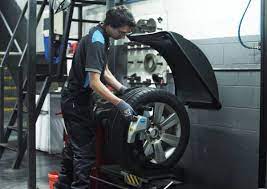
Introduction about TYRE FITTER
In today's fast-paced world, transportation plays a vital role in our daily lives. Whether it's commuting to work, going on a road trip, or transporting goods, we heavily rely on vehicles. And at the heart of these vehicles are their tires, which need regular maintenance and care to ensure safe and efficient travel. This is where a "Tyre Fitter" comes into play.
What is a Tyre Fitter?
A Tyre Fitter, also known as a Tire Technician, is a skilled professional responsible for the installation, maintenance, and repair of vehicle tires. They are an essential part of the automotive industry, ensuring that vehicles run smoothly and safely on the road. Tyre Fitters work in various settings, including auto repair shops, dealerships, and even as mobile service providers.
The Importance of a Tyre Fitter
Tires are a critical component of any vehicle. They are the only point of contact between the vehicle and the road, making them integral for safety, performance, and fuel efficiency. A Tyre Fitter's role is crucial in maintaining and enhancing these aspects.
Ensuring Road Safety: One of the primary responsibilities of a Tyre Fitter is to ensure that the tires are in good condition. They inspect tires for wear and tear, punctures, and other damage that may compromise safety. Regular maintenance and repairs performed by a Tyre Fitter can prevent accidents caused by tire failures.
Optimizing Vehicle Performance: Properly maintained tires can significantly enhance a vehicle's performance. Tyre Fitters ensure that the tires are balanced and aligned correctly, which leads to improved handling and fuel efficiency.
Increasing Tire Lifespan: Replacing tires can be expensive, and a Tyre Fitter helps extend the life of tires through maintenance and repairs. This not only saves money for vehicle owners but also reduces waste from discarded tires.
Providing Expert Advice: Tyre Fitters have in-depth knowledge about different types of tires, their specifications, and which ones are best suited for specific vehicles and conditions. They offer valuable advice to vehicle owners, helping them make informed decisions.
The Journey to Becoming a Tyre Fitter
Becoming a Tyre Fitter requires a combination of formal education, training, and hands-on experience. Here are the steps involved:
Education
Most Tyre Fitters start their journey with a high school diploma or equivalent. Courses in automotive technology and mechanics can provide a solid foundation.
On-the-Job Training
After formal education, aspiring Tyre Fitters usually undergo on-the-job training or apprenticeships with experienced professionals. This hands-on experience is invaluable for learning the practical aspects of the job.
Certification
Many Tyre Fitters pursue certification from recognized organizations, such as the National Institute for Automotive Service Excellence (ASE). Certification demonstrates a commitment to excellence and can enhance job prospects.
Specialization
Some Tyre Fitters specialize in specific types of tires or vehicles, such as commercial trucks, off-road vehicles, or high-performance sports cars.
How can I apply for admission to TYRE FITTER Program
Applying for admission to a Tyre Fitter program involves several steps, and the specific requirements may vary depending on the educational institution or training center you choose. Here's a general guide on how to apply for admission to a Tyre Fitter program in English:
Research Programs: Start by researching different Tyre Fitter programs available in your area or online. Look for programs offered by vocational schools, community colleges, or technical institutes.
Check Eligibility: Review the program's eligibility criteria. Most programs require applicants to have a high school diploma or equivalent. Some may have additional prerequisites, so make sure you meet all the requirements.
Contact the Institution: Reach out to the institution or training center offering the Tyre Fitter program. You can do this by visiting their website or contacting their admissions department. Inquire about the application process, application deadlines, and any specific requirements.
Complete the Application: Obtain the application form from the institution. Fill it out completely and accurately. Ensure you provide all the necessary personal information and documentation, such as transcripts, proof of high school graduation, and identification.
Pay Application Fees: Some institutions may require an application fee. Make sure to pay this fee as part of your application process. If there are financial constraints, inquire about fee waivers or scholarships.
Submit Required Documents: Along with the application form, you'll need to submit various documents. This may include your high school transcripts, letters of recommendation, a personal statement, and any other materials specified by the institution.
Interview (if required): Some programs may require an interview as part of the admission process. Be prepared to discuss your interest in becoming a Tyre Fitter, your career goals, and your passion for the field.
Admission Test (if required): In some cases, you might need to take an admission test or assessment to evaluate your knowledge and skills related to the Tyre Fitter program.
Wait for Acceptance: After submitting your application and completing all required steps, wait for the institution to review your application. This may take some time, so be patient.
Receive Acceptance Notification: If you are accepted into the Tyre Fitter program, you will receive an acceptance letter or email. This letter will include important information, such as enrollment dates and any further steps you need to take.
Enroll in the Program: Once you receive your acceptance notification, follow the instructions provided to complete the enrollment process. This typically involves paying any required enrollment fees and registering for classes.
Financial Aid (if applicable): If you require financial aid or scholarships, work closely with the institution's financial aid office to explore available options.
Orientation: Attend any orientation sessions offered by the institution to get acquainted with the program, faculty, and fellow students.
What is the eligibility for TYRE FITTER
The eligibility requirements for becoming a Tyre Fitter can vary depending on the specific program or institution you're interested in. However, there are some common eligibility criteria that most Tyre Fitter programs typically require. Here's a general overview in English:
High School Diploma or Equivalent: In most cases, you will need to have a high school diploma or an equivalent qualification, such as a General Educational Development (GED) certificate. This is the foundational educational requirement.
Age Requirements: Some programs may have age restrictions or recommendations. While there is often no strict upper age limit, individuals of various age groups pursue this career. However, some programs may target recent high school graduates or young adults.
Physical Fitness: Tyre Fitters often engage in physically demanding tasks, such as lifting and moving heavy tires and equipment. Good physical fitness and the ability to handle physical labor are essential.
Basic Mechanical Aptitude: Having a basic understanding of mechanical systems and a strong aptitude for working with tools and equipment is advantageous. While it's not always a strict requirement, it can be beneficial for success in the program and in the profession.
Clean Driving Record (if applicable): Some Tyre Fitters may be required to drive vehicles to provide mobile services or transport tires. In such cases, a clean and valid driver's license may be necessary.
Specific Program Requirements: Individual Tyre Fitter programs may have additional requirements or preferences. These could include prerequisite courses in automotive technology, interviews, entrance exams, or other specific qualifications. Be sure to check with the institution offering the program for details.
Safety Awareness: Due to the potential risks associated with working with heavy equipment and vehicles, a strong commitment to safety is essential. Some programs may assess your safety awareness and attitude.
Communication Skills: Tyre Fitters often interact with customers, coworkers, and supervisors. Effective communication skills, including English language proficiency, are important for success in the field.
How long does it takes to complete a TYRE FITTER program
The duration of a Tyre Fitter program can vary depending on several factors, including the type of program, the level of certification or education you're pursuing, and the institution offering the program. In English, here are some general guidelines for the typical durations of Tyre Fitter programs:
Short-Term Certificate Programs: Some institutions offer short-term Tyre Fitter certificate programs that can be completed in as little as a few weeks to a few months. These programs are often designed for individuals who want to acquire basic skills quickly and enter the workforce.
Diploma Programs: Diploma programs for Tyre Fitters typically last for approximately 6 to 12 months. These programs provide more comprehensive training compared to short-term certificates and cover various aspects of the profession.
Associate's Degree Programs: If you're looking for a more in-depth education, some community colleges and technical institutes offer associate's degree programs in automotive technology with a specialization in Tyre Fitting. These programs generally take about 2 years to complete.
Apprenticeships: In some cases, individuals may choose to become Tyre Fitters through apprenticeship programs, which combine on-the-job training with classroom instruction. The duration of an apprenticeship can vary, but it often takes 2 to 4 years to complete.
Continuing Education: Tyre Fitters who wish to pursue advanced training or specialize in certain areas may engage in continuing education programs or workshops. These can vary in duration, from a few days to several weeks.
It's important to note that the length of the program may also depend on your own pace of learning and the specific curriculum of the institution. Additionally, some programs may offer part-time or evening classes to accommodate individuals who have other commitments, which may extend the overall duration.
When considering a Tyre Fitter program, it's advisable to research and contact the institution offering the program to get precise information on the program's duration, curriculum, and any flexibility in scheduling. Your choice of program should align with your career goals and the level of expertise you wish to achieve in the field of Tyre Fitting.
What are potential career opportunities after TYRE FITTER
After completing a Tyre Fitter program and gaining experience in the field, there are several potential career opportunities available to you. Here are some common career paths in English:
Tyre Technician: Many graduates of Tyre Fitter programs work as Tyre Technicians. They are responsible for installing, maintaining, and repairing vehicle tires. This role can be found in various settings, including auto repair shops, tire dealerships, and even as mobile service providers.
Automotive Technician: Some Tyre Fitters choose to expand their skill set and become Automotive Technicians. These professionals work on a broader range of vehicle systems, including engines, brakes, and electrical systems, in addition to tires. They can find employment in automotive repair shops and dealerships.
Fleet Maintenance Technician: Tyre Fitters with advanced skills may opt to work for companies with vehicle fleets, such as delivery services or logistics companies. Fleet Maintenance Technicians are responsible for the upkeep and maintenance of a company's vehicles, including tires.
Tire Sales Representative: If you have a strong understanding of tires and their specifications, you may pursue a career as a Tire Sales Representative. These professionals work for tire manufacturers or retailers, assisting customers in selecting the right tires for their vehicles.
Mobile Tyre Fitter: Some Tyre Fitters operate as mobile service providers. They travel to clients' locations, such as homes or businesses, to replace or repair tires on the spot. This can be a convenient and in-demand service for customers.
Specialized Tire Technician: Tyre Fitters can choose to specialize in certain types of tires, such as those used in commercial trucks, agricultural vehicles, or off-road equipment. Specialization can lead to more focused career opportunities.
Shop Manager or Owner: With experience and business acumen, Tyre Fitters can progress to become shop managers or even start their own tire repair and maintenance businesses. This path offers greater responsibility and potential for entrepreneurship.
Automotive Instructor: Some experienced Tyre Fitters transition into teaching roles. They can become instructors in automotive technology programs, sharing their knowledge and expertise with the next generation of Tyre Fitters.
Tire Quality Assurance Specialist: Tire manufacturers often employ specialists to ensure the quality and safety of their products. These professionals may test tires, analyze performance data, and participate in research and development.
Tire Industry Sales and Marketing: Individuals with a combination of technical knowledge and communication skills can explore careers in tire industry sales and marketing. They may promote tires, develop marketing strategies, and work with retailers.
Syllabus of TYRE FITTER
The syllabus for a Tyre Fitter program may vary depending on the institution and the specific curriculum they offer. However, I can provide a general overview of the topics and subjects typically covered in a Tyre Fitter program in English:
Introduction to Tyres
Types of tires (e.g., passenger, commercial, off-road)
Tire construction and components
Tire sizing and specifications
Tire nomenclature
Tools and Equipment
Introduction to Tyre Fitting tools
Safe usage of tools and equipment
Wheel balancing machines
Tire repair kits
Tire Mounting and Demounting
Proper techniques for removing and installing tires
Understanding bead seating and sealing
Tire bead breaking procedures
Wheel Balancing
Importance of wheel balancing
Techniques for dynamic and static balancing
Using wheel weights
Wheel Alignment
Understanding wheel alignment
Identifying alignment issues
Alignment adjustments and procedures
Tire Repair
Identifying common tire damage (e.g., punctures, cuts, cracks)
Proper tire repair techniques
Use of patches, plugs, and patches with plugs
Tire Maintenance
Inspection of tire wear patterns
Rotating tires for even wear
Tire inflation and pressure monitoring
Tire Mounting and Balancing on Various Vehicles
Techniques for mounting tires on different types of vehicles
Balancing tires for specific applications (e.g., off-road, high-performance)
Safety and Environmental Considerations
Occupational safety and health practices
Environmental regulations and waste disposal
Customer Service
Interacting with customers professionally
Communicating tire-related issues and solutions
Handling customer complaints and inquiries
Basic Automotive Systems
Overview of vehicle systems (e.g., brakes, suspension)
How tires are interconnected with vehicle performance
Basic Business Skills
Understanding business operations (for those interested in entrepreneurship)
Inventory management and customer relations
Practical Training
Hands-on experience in tire fitting and repair
Real-world scenarios and practice in a shop setting
Safety Certification
Learning and applying safety protocols and standards
Preparing for relevant safety certifications
Internship opportunities after completing TYRE FITTER
After completing a Tyre Fitter program, there are various internship opportunities available to gain practical experience and further enhance your skills. Internships can be a valuable step towards establishing your career in this field. Here are some potential internship opportunities for Tyre Fitters in English:
Auto Repair Shops: Many automotive repair shops offer internship positions for Tyre Fitters. This hands-on experience allows you to work on a variety of vehicles, diagnose tire-related issues, and perform maintenance and repairs under the guidance of experienced professionals.
Tire Dealerships: Tire dealerships often provide internships to individuals who have completed a Tyre Fitter program. This experience allows you to gain expertise in selling and servicing tires, working with different tire brands, and assisting customers with their tire needs.
Fleet Maintenance Companies: Companies with vehicle fleets, such as delivery services, trucking companies, or public transportation providers, may offer internship opportunities for Tyre Fitters. This allows you to focus on maintaining and servicing a fleet's tires, ensuring their safe and efficient operation.
Mobile Service Providers: Mobile Tyre Fitters often take on interns who are interested in learning about mobile tire service. This role involves traveling to customers' locations to replace or repair tires, providing convenience and on-the-spot service.
Tire Manufacturing Companies: Interning with tire manufacturers can provide insights into the tire production process, quality control, and research and development of new tire technologies. It's an opportunity to gain a different perspective on the industry.
Automotive Dealerships: Some automobile dealerships offer internships for Tyre Fitters, especially those with specialized knowledge in high-performance or luxury vehicle tires. This experience allows you to work with a range of vehicles and tire brands.
Commercial Tire Centers: If you're interested in commercial or industrial tires, interning with a commercial tire center can provide specialized experience. You'll work on larger and more heavy-duty tires used in construction, agriculture, and logistics.
Tire Research and Development: For those with a strong interest in tire technology and innovation, internship opportunities may be available with companies involved in tire research and development. This can involve testing and improving tire designs and performance.
Government or Municipal Fleets: Government agencies and municipal services often have vehicle fleets that require tire maintenance. Interning with these organizations can provide experience in a different sector of the industry.
Tire Service Training Centers: Institutions or organizations that provide training and certification for Tyre Fitters may offer internships as teaching assistants or workshop facilitators, helping others learn the trade.
Scholarship and grants for TYRE FITTER
Scholarships and grants for Tyre Fitters may not be as widely recognized as those in some other fields, but there are still opportunities available to support your education and training in this area. Here are some potential sources of financial assistance in English:
Institutional Scholarships: Many technical schools, community colleges, and vocational institutions that offer Tyre Fitter programs may have their own scholarship programs. These scholarships can be based on academic performance, financial need, or specific criteria related to the program.
Industry Associations: Some automotive and tire industry associations offer scholarships to students pursuing careers in the field. Examples include the Tire Industry Association (TIA) and the Automotive Maintenance and Repair Association (AMRA).
Tire Manufacturers: Some major tire manufacturers have scholarship programs. For instance, Bridgestone, Michelin, and Goodyear have offered scholarships to students studying tire-related fields. Check their websites for details.
Local Automotive Businesses: Auto repair shops, tire dealerships, and other local automotive businesses may offer scholarships or grants to students in their community. It's worth inquiring with businesses in your area.
Community Foundations: Community foundations often provide scholarships and grants to local students pursuing vocational and technical education, including Tyre Fitter programs. Check with your local community foundation for opportunities.
State and Federal Aid: Depending on your country, state, or region, you may be eligible for government-funded financial aid programs, such as grants or loans, to support your education and training. Be sure to complete the Free Application for Federal Student Aid (FAFSA) if you're in the United States.
Employer Sponsorship: If you're already employed in the automotive industry, your employer may offer sponsorship or tuition reimbursement for you to advance your skills through a Tyre Fitter program.
Online Scholarship Search Engines: Utilize scholarship search engines like Fastweb, Scholarship.com, and Cappex to search for scholarships that match your qualifications and interests.
Trade Unions: In some cases, trade unions related to the automotive industry may offer scholarships to students pursuing careers as Tyre Fitters.
Nonprofit Organizations: Look for nonprofit organizations that support vocational and technical education. Some of these organizations may have scholarships or grants available for Tyre Fitter programs.
Conclusion
In a world where mobility is paramount, the role of a Tyre Fitter cannot be underestimated. These skilled professionals ensure that our vehicles are safe, efficient, and perform at their best. They are the unsung heroes who keep us moving.
FAQ'S
What does a Tyre Fitter do?
A Tyre Fitter, also known as a Tire Technician, is a professional who specializes in installing, maintaining, and repairing vehicle tires. They ensure that tires are safe, properly balanced, and aligned for optimal vehicle performance.
How do I become a Tyre Fitter?
To become a Tyre Fitter, you typically need to complete a Tyre Fitter program or apprenticeship. This includes formal education, hands-on training, and, in some cases, certification from industry organizations.
What is the demand for Tyre Fitters?
The demand for Tyre Fitters remains steady because tires are a critical component of every vehicle, and regular maintenance and repairs are essential for safety and performance.
How long does it take to become a Tyre Fitter?
The duration varies depending on the program you choose. Short-term certificate programs may take a few weeks, while diploma programs can take 6 to 12 months. Some may pursue associate's degrees, which take about 2 years.
Are there specialized areas of Tyre Fitting?
Yes, some Tyre Fitters specialize in specific types of tires, such as those for commercial trucks, off-road vehicles, or high-performance cars. Specialization can lead to more focused career opportunities.
What is the salary range for Tyre Fitters?
The salary of a Tyre Fitter can vary by location, experience, and specialization. On average, Tyre Fitters earn a moderate income, but their earnings can increase with experience and expertise.
Do I need to have strong mechanical skills to be a Tyre Fitter?
While having strong mechanical skills is an advantage, Tyre Fitter programs provide the necessary training to develop these skills. A passion for working with vehicles and tires is essential.
Can I work as a mobile Tyre Fitter?
Yes, some Tyre Fitters operate as mobile service providers, offering on-the-spot tire services for convenience. This career path is well-suited for those who enjoy being on the move.
Is safety important in Tyre Fitting?
Yes, safety is a paramount concern in Tyre Fitting. Tyre Fitters must follow safety protocols and use protective gear to prevent accidents during tire installation and repair.
What is the scope for career advancement as a Tyre Fitter?
Tyre Fitters can advance in their careers by gaining experience, pursuing additional certifications, and specializing in areas like tire sales, management, or even teaching. There are opportunities for growth in the automotive industry.
How Shiksha Hub helps you in
-
 Student Counsellors
 -
 Career Counseling
 -
 Research
 -
 24/7 Support
 -
 Scholarships
 -
 Community