Posted by Admin on 11-07-2023 in Shiksha hub
VFX Editor Introduction Admission, Registration, Eligibility, Duration, Fees, Syllabus 2024
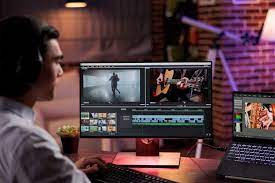
Introduction about VFX EDITOR
In the world of cinema and media, the magic we see on screen is often a result of the intricate work of visual effects (VFX) editors. These unsung heroes play a crucial role in creating the jaw-dropping visual spectacles that leave audiences in awe. In this article, we will delve into the fascinating world of VFX editing, understanding the importance of this profession, the skills required, the tools of the trade, and its significance in various industries.
The Role of a VFX Editor
A VFX editor is a professional responsible for integrating computer-generated imagery (CGI) and visual effects into live-action footage. They work closely with directors, producers, and visual effects artists to bring the director's vision to life. VFX editors are involved in every stage of post-production, ensuring that visual effects seamlessly blend with the original footage, creating a seamless cinematic experience.
Skills and Qualifications
To excel as a VFX editor, one must possess a unique set of skills. These include a strong understanding of film and video editing, proficiency in VFX software, a keen eye for detail, and the ability to work collaboratively in a creative team. Many VFX editors hold degrees in film editing, animation, or a related field, and continuous learning is essential in this rapidly evolving industry.
VFX Editor Tools and Software
VFX editing involves the use of various software tools to manipulate and enhance visuals. Some of the commonly used software includes Adobe After Effects, Nuke, Maya, and Houdini. These tools allow VFX editors to create stunning effects, from explosions and monsters to magical transformations.
The Process of VFX Editing
The process of VFX editing is a meticulous one. It begins with a detailed analysis of the director's vision and the creation of a storyboard. Then, the editor works on compositing, where CGI is integrated into the live-action footage. This process involves numerous iterations and feedback loops until the final result meets the director's expectations.
Key Responsibilities of a VFX Editor
A VFX editor plays a pivotal role in coordinating the visual effects work and ensures that the CGI elements align seamlessly with the narrative. They also collaborate with sound designers and colorists to deliver a holistic cinematic experience. The ability to manage time, handle pressure, and meet deadlines is paramount in this role.
Challenges in VFX Editing
VFX editing is not without its challenges. Editors often face tight deadlines, complex CGI sequences, and the need to maintain consistency in visuals throughout a film. They must also adapt to new technologies and stay updated with the latest trends in VFX.
Importance of Attention to Detail
Attention to detail is a hallmark of a skilled VFX editor. Minor mistakes in VFX editing can disrupt the audience's immersion in the story. Therefore, VFX editors must meticulously review their work to ensure every detail, no matter how small, is perfect.
VFX in the Film Industry
The film industry heavily relies on VFX editing to create breathtaking scenes and unforgettable characters. From Marvel's superhero movies to epic fantasy films, VFX has become an integral part of modern filmmaking.
VFX Editing in Television
Television series have also embraced VFX to deliver high-quality visual experiences. Iconic shows like "Game of Thrones" and "Stranger Things" have showcased the potential of VFX editing in storytelling.
VFX in Video Games
VFX editing extends beyond the world of cinema and television. It is a crucial element in the world of video games, enhancing gameplay and creating immersive virtual worlds. Gamers worldwide are often awed by the stunning graphics and effects achieved through VFX.
Emerging Trends in VFX Editing
As technology advances, VFX editing continues to evolve. Emerging trends include real-time VFX, virtual production, and AI-driven effects, which promise to revolutionize the industry.
The Future of VFX Editing
The future of VFX editing is incredibly promising. With the growing demand for high-quality content in the entertainment industry, VFX editors will continue to play a pivotal role in shaping our visual experiences.
How can I apply for admission to VFX EDITOR Program
To apply for admission to a VFX editor program, you'll need to follow a series of steps. Here's a general guide on how to do it:
Research Programs: Begin by researching various educational institutions that offer VFX editing programs. Look for universities, colleges, or specialized schools that provide courses in film editing, animation, or visual effects.
Check Admission Requirements: Visit the official websites of the institutions you're interested in and review their admission requirements for the VFX editor program. Typically, you'll need a high school diploma or equivalent for undergraduate programs, and a bachelor's degree for graduate programs.
Prepare Your Portfolio: Many VFX editor programs will require you to submit a portfolio showcasing your creative work. Your portfolio should include examples of video editing, visual effects, or any related work that demonstrates your skills and passion.
Take Standardized Tests: Some institutions may require standardized tests like the SAT or ACT for undergraduate programs, or the GRE for graduate programs. Check the specific requirements of the program you're applying to.
Prepare Transcripts and Recommendations: Gather your high school or undergraduate transcripts and letters of recommendation from teachers or professionals who can vouch for your abilities and potential as a VFX editor.
Write a Personal Statement: Prepare a well-written personal statement that explains why you want to pursue a career in VFX editing, your goals, and how the program you're applying to aligns with your aspirations.
Complete the Application: Fill out the application form provided by the institution. This usually involves providing personal information, educational history, and details about your portfolio and test scores.
Pay Application Fees: Be prepared to pay application fees, which can vary depending on the institution. Some institutions may offer fee waivers based on financial need.
Submit Your Application: Carefully review your application to ensure all required materials, including transcripts, recommendations, and your personal statement, are included. Follow the institution's submission guidelines.
Interview (if required): Some programs may require an interview as part of the admission process. Be prepared to discuss your passion for VFX editing and your portfolio during the interview.
Wait for Admission Decision: After submitting your application, you'll need to wait for the institution to review your materials and make an admission decision. This process can take some time.
Financial Aid and Scholarships: If you need financial assistance, research and apply for scholarships, grants, and financial aid options offered by the institution or external organizations.
Acceptance and Enrollment: If you receive an acceptance letter, carefully review it and follow the instructions to secure your spot in the program. This may involve paying an enrollment deposit.
Prepare for the Program: Once you're accepted, begin preparing for your VFX editor program. Gather any necessary materials, plan your move if required, and get ready for a rewarding educational journey.
What is the eligibility for VFX EDITOR
The eligibility criteria for becoming a VFX editor can vary depending on the specific program or job position you are pursuing. Here are some general guidelines regarding eligibility:
Educational Background:
For Entry-Level Positions: To start a career as a VFX editor, you typically need at least a high school diploma or its equivalent.
For Advanced Positions: For more senior or specialized roles, having a bachelor's degree in a related field such as film editing, animation, or visual effects can be beneficial.
Skills and Qualifications:
Proficiency in Video Editing: A strong understanding of video editing software and techniques is essential. Knowledge of software like Adobe After Effects, Nuke, Maya, and others is often required.
Portfolio: Many employers and educational institutions may request a portfolio that showcases your VFX editing skills. Your portfolio should contain examples of your work, including video editing and visual effects projects.
Attention to Detail: VFX editing requires a keen eye for detail to ensure that visual effects seamlessly integrate with live-action footage.
Experience:
Entry-Level Positions: Some entry-level positions may not require prior professional experience, but having internships or volunteer work in video editing or visual effects can be advantageous.
Advanced Positions: Senior or specialized VFX editing roles often require several years of experience in the industry.
Software Proficiency:
Familiarity with VFX Software: Proficiency in software commonly used in VFX editing, such as Adobe Creative Suite, Autodesk products, and other specialized VFX software, is often expected.
Creativity and Problem-Solving Skills:
VFX editors should possess creative thinking and problem-solving abilities to effectively integrate visual effects and achieve the desired artistic vision.
Continuous Learning:
The field of VFX editing is constantly evolving with new software, techniques, and technologies. Being open to continuous learning and staying updated with industry trends is crucial.
Collaborative Skills:
VFX editors often work as part of a team, collaborating with directors, producers, visual effects artists, and other professionals. Effective communication and teamwork are valuable skills.
Admission Requirements (for Educational Programs):
If you are interested in pursuing a formal education in VFX editing, each educational institution may have specific admission requirements for their programs. These can include standardized test scores, letters of recommendation, and a portfolio.
Legal Eligibility:
Depending on your location and the nature of the work, you may need to be legally eligible for employment, which may involve age restrictions and work permits.
How long does it takes to complete a VFX EDITOR program
The duration of a VFX editor program can vary depending on the level of education, the type of program, and the institution offering it. Here's a general overview of the typical durations for VFX editing programs:
Certificate or Short Courses:
Short VFX editing courses or certificate programs can be completed in a relatively short period, often ranging from a few weeks to a few months. These are designed for individuals looking to gain specific skills or enhance their existing knowledge in VFX editing.
Diploma Programs:
Diploma programs in VFX editing usually last between 6 months to 1 year. These programs provide more comprehensive training than short courses and cover various aspects of VFX editing.
Associate's Degree:
An associate's degree in a field related to VFX editing, such as film editing or animation, typically takes 2 years to complete. These programs offer a well-rounded education in addition to specific VFX editing skills.
Bachelor's Degree:
A bachelor's degree in film editing, visual effects, or a related field typically takes 3 to 4 years to complete. These programs provide in-depth training and often include opportunities for internships and advanced coursework.
Master's Degree:
For those looking to pursue advanced studies or specialized training, a master's degree in VFX editing or a related field can take an additional 1 to 2 years after completing a bachelor's degree.
It's important to note that the duration of a VFX editing program can also be influenced by factors such as part-time or full-time enrollment, the specific curriculum of the institution, and whether the program includes practical experience through internships or co-op opportunities.
What are potential career opportunities after VFX EDITOR
After completing a program or gaining experience as a VFX editor, there are several potential career opportunities available in the field of visual effects and post-production. Here are some of the career paths you can pursue:
VFX Editor:
As a VFX editor, you can work in the post-production phase of the film, television, or gaming industry. Your role involves integrating visual effects, computer-generated imagery (CGI), and other elements into live-action footage.
Senior VFX Editor:
With experience, you can advance to senior VFX editor positions, where you take on more complex projects and often have supervisory roles overseeing a team of editors.
Lead VFX Editor:
In larger studios or on big-budget projects, lead VFX editors are responsible for managing the entire VFX editing department, coordinating the work of multiple teams, and ensuring the project's overall visual effects quality.
Visual Effects Supervisor:
Visual effects supervisors play a crucial role in overseeing all visual effects aspects of a project. They collaborate with directors, producers, and VFX artists to ensure the project's creative vision is realized.
Visual Effects Artist:
Visual effects artists create and design visual effects elements, such as CGI creatures, environments, or special effects. They work closely with VFX editors to integrate these elements seamlessly into the final product.
Compositor:
Compositors focus on combining different visual elements, including live-action footage, 3D models, and special effects, to create the final, cohesive image.
Motion Graphics Designer:
Motion graphics designers create animated graphics and visual elements used in various media, including television broadcasts, commercials, and web content.
Video Game VFX Artist:
If you're interested in the gaming industry, you can pursue a career as a VFX artist for video games. You'll work on creating dynamic and interactive visual effects for games.
Film or Television Editor:
Your skills in VFX editing can also be applied to traditional film or television editing, where you work on editing the entire content, including visual effects sequences.
Freelance VFX Editor:
Many VFX editors choose to work as freelancers, offering their services to multiple clients or projects. This provides flexibility and the opportunity to work on various types of content.
Educator or Trainer:
With significant experience, you can transition into a role where you teach VFX editing techniques to aspiring editors or students at educational institutions.
Visual Effects Producer:
Visual effects producers are responsible for managing the budget, timeline, and overall coordination of visual effects work on a project.
Post-Production Supervisor:
In this role, you oversee the entire post-production process, including VFX editing, sound design, and color grading, to ensure a cohesive final product.
3D Modeler or Animator:
Some VFX editors transition into 3D modeling or animation roles, creating 3D assets for VFX projects or other applications.
Syllabus of VFX EDITOR
The syllabus for a VFX editor program can vary depending on the educational institution and the level of the program (certificate, diploma, bachelor's, or master's degree). Below is a general outline of topics and subjects that you might encounter in a VFX editor program:
Semester 1: Introduction to VFX Editing
Fundamentals of Visual Effects
Introduction to visual effects, CGI, and VFX history.
Understanding the importance of VFX in film and media.
Video Editing Techniques
Basics of video editing software.
Cutting, trimming, and assembling footage.
Transition effects and timing.
Digital Compositing
Introduction to compositing software.
Layering, blending modes, and masking.
Creating simple visual effects.
Graphics and Animation
Introduction to 2D and 3D animation.
Keyframe animation.
Motion graphics and typography.
Visual Effects Tools
Familiarization with industry-standard VFX software (e.g., Adobe After Effects, Nuke).
Hands-on exercises in VFX software.
Semester 2: Advanced VFX Editing
Green Screen and Rotoscoping
Techniques for working with green screens and chroma keying.
Rotoscoping and motion tracking.
Particle and Dynamics Effects
Creating particle effects such as fire, smoke, and explosions.
Dynamics simulations for natural motion.
CGI Integration
Incorporating 3D CGI elements into live-action footage.
Matching lighting and color grading.
Advanced Compositing
Complex compositing tasks.
Multi-pass rendering and integration.
3D Modeling and Animation
Introduction to 3D modeling software.
Rigging, character animation, and 3D environments.
Semester 3: Project Work and Specialization
Project Planning
Planning and executing VFX projects.
Collaboration with directors and visual effects artists.
Specialization Elective
Choose an area of specialization, such as character animation, visual effects for gaming, or motion graphics.
Internship or Practical Experience
Real-world experience working on professional projects.
Networking with industry professionals.
Semester 4: Advanced Techniques and Capstone Project
Advanced Visual Effects Techniques
Realistic simulations, advanced particles, and complex VFX scenes.
Special effects like fluid dynamics and destruction.
Capstone Project
Independent or group project showcasing VFX editing skills.
Presentation and critique of the project.
Optional: Semester 5 (for Bachelor's and Master's Programs)
Research and Thesis (Master's Degree)
Research in a VFX-related area.
Thesis preparation and defense.
Internship opportunities after completing VFX EDITOR
After completing a VFX editor program or gaining experience in the field, participating in an internship can be a valuable step to further develop your skills, build your portfolio, and establish connections in the industry. Here are some potential internship opportunities for VFX editors:
Film and Television Production Companies:
Many production companies offer VFX editing internships, where you can work on feature films, television series, or commercials. This provides hands-on experience in a professional production environment.
Post-Production Studios:
Post-production studios that specialize in visual effects often offer internships for VFX editors. These opportunities allow you to work on a variety of projects and gain exposure to industry-standard software.
Animation Studios:
Animation studios that create animated films or series may have internships for VFX editors. This can be a great way to learn about the integration of visual effects in animated content.
Gaming Companies:
Video game development studios often require VFX editors to create dynamic visual effects for games. Interning with a gaming company can provide hands-on experience in this specific field.
VFX Studios:
Specialized VFX studios work on visual effects for a wide range of media, including films, television, and advertising. Interning at a VFX studio allows you to immerse yourself in the world of visual effects editing.
Television Networks:
Television networks and channels may offer internships in their post-production departments, where you can gain experience working on TV shows and promos.
Ad Agencies:
Advertising agencies often create commercials and promotional content that require VFX editing. Interning with an ad agency exposes you to a different aspect of the industry.
Freelance Opportunities:
Consider reaching out to freelance VFX editors who may be willing to take on interns or assistants. This can provide a more personalized learning experience.
Educational Institutions:
Some universities and colleges with strong VFX programs offer internships within their own departments, allowing you to work on student and faculty projects.
Online Content Creators:
Content creators on platforms like YouTube and Vimeo may offer internship opportunities to assist with creating visual effects for web content.
When seeking VFX editing internships, consider the following tips:
Prepare a strong portfolio showcasing your VFX editing skills.
Tailor your application materials, including your resume and cover letter, to the specific internship you're applying for.
Network with professionals in the industry and use online job boards, company websites, and industry events to find internship opportunities.
Be open to both paid and unpaid internships, as they can provide valuable experience and connections.
Scholarship and grants for VFX EDITOR
Scholarships and grants for VFX editors and individuals pursuing education or training in the field of visual effects editing are available from various sources, including educational institutions, industry organizations, and private foundations. Here are some potential options to explore:
Educational Institution Scholarships:
Many universities and colleges that offer VFX editing programs provide scholarships to students based on academic merit, talent, or financial need. Contact the financial aid office of your chosen institution to inquire about available scholarships.
Industry-Specific Scholarships:
Some industry organizations and associations offer scholarships to students pursuing careers in visual effects, animation, or film production. For example, the Visual Effects Society (VES) Foundation offers scholarships for students in these fields.
Private Foundations:
Various private foundations and philanthropic organizations provide scholarships and grants to students pursuing degrees or training in the arts, including VFX editing. Examples include the Fulbright Program and the Jack Kent Cooke Foundation.
Film and Media Scholarships:
Several scholarships are available for students studying film, media, or related disciplines. While not specific to VFX editing, these scholarships can still provide financial assistance. Examples include the Hollywood Foreign Press Association (HFPA) grants.
Studio and Production Company Scholarships:
Some major film studios and production companies offer scholarships or internship programs for aspiring filmmakers and VFX editors. These opportunities may also include mentorship and industry networking.
Diversity and Inclusion Scholarships:
Scholarships focused on promoting diversity and inclusion in the film and media industry are available. These scholarships aim to support underrepresented groups pursuing careers in VFX editing and related fields.
VFX Software Company Scholarships:
Companies that develop VFX editing software may offer scholarships or grants to students as part of their commitment to nurturing talent in the industry. Autodesk, for example, has provided scholarships in the past.
State and Federal Aid:
Government-funded programs, such as federal Pell Grants in the United States, can provide financial assistance to students pursuing higher education, including VFX editing programs.
Online Scholarship Databases:
Websites like Fastweb, Scholarships.com, and Cappex allow you to search for scholarships based on your area of study, location, and other criteria.
Employer Tuition Assistance: - If you're already working in the industry, check with your employer to see if they offer tuition assistance or reimbursement programs for further education or training in VFX editing.
When applying for scholarships and grants, keep the following tips in mind:
Carefully review eligibility criteria and application deadlines for each scholarship.
Prepare a well-organized application that highlights your achievements, goals, and passion for VFX editing.
Write compelling essays that explain your career aspirations and how the scholarship will support your educational journey.
Seek advice from your school's financial aid office or a career counselor to identify the most suitable opportunities.
Conclusion
In a world where the boundaries of imagination are limitless, VFX editors stand at the forefront, weaving magic into our screens. Their dedication, creativity, and commitment to perfection ensure that the visual effects in movies, television, and video games continue to captivate and mesmerize audiences worldwide.
FAQ's
What is a VFX editor, and what do they do?
A VFX editor is a professional responsible for integrating computer-generated imagery (CGI) and visual effects into live-action footage in film, television, and other media. They ensure that the visual effects seamlessly blend with the original footage, creating a cohesive cinematic experience.
What skills are essential for a career in VFX editing?
Essential skills for a VFX editor include proficiency in VFX software, a strong understanding of video editing, attention to detail, creativity, and the ability to work collaboratively in a creative team.
Which software tools do VFX editors use?
VFX editors commonly use software such as Adobe After Effects, Nuke, Maya, Houdini, and other specialized programs to create and integrate visual effects.
What are the challenges faced by VFX editors?
VFX editors often face challenges such as tight deadlines, complex CGI sequences, maintaining visual consistency, and adapting to new technologies and industry trends.
How can I become a VFX editor?
To become a VFX editor, you can pursue formal education in film editing or related fields, gain experience through internships or entry-level positions, and build a strong portfolio showcasing your VFX editing skills.
What is the future of VFX editing in the entertainment industry?
The future of VFX editing is promising, with emerging trends like real-time VFX, virtual production, and AI-driven effects. VFX editors will continue to play a pivotal role in shaping visual experiences in film, television, and gaming.
Are there online courses or resources for learning VFX editing?
Yes, there are many online courses and resources available for learning VFX editing. Online platforms and educational institutions offer courses and tutorials to help aspiring VFX editors enhance their skills.
Can I work as a freelance VFX editor?
Yes, many VFX editors work as freelancers, offering their services to various clients and projects. Freelance VFX editors have the flexibility to work on a variety of content.
How can I stay updated with the latest trends in VFX editing?
To stay updated with the latest trends in VFX editing, you can attend industry conferences, workshops, and online webinars. Following industry news and publications is also essential for staying informed.
What are the differences between VFX editing in film, television, and video games?
While the principles of VFX editing are similar across these media, there are differences in workflows, tools, and techniques. Film often requires cinematic effects, TV may focus on episodic content, and video games require interactive and real-time effects. Understanding these distinctions is important for VFX editors.
How Shiksha Hub helps you in
-
 Student Counsellors
 -
 Career Counseling
 -
 Research
 -
 24/7 Support
 -
 Scholarships
 -
 Community